
How to Use Shock Pump After Service on Your Fork: Easy Guide

Did you ever wonder how your bike’s front suspension works? It uses air pressure to soak up bumps. After fixing your bike’s fork, you must set the pressure right. This is where a shock pump comes in. Let’s learn how to use a shock pump after service on your fork. It’s easier than you think!
Key Takeaways
- Using a shock pump after service helps get the right air pressure in your fork.
- Always check your bike and fork maker’s pressure advice first.
- Attach the pump head firmly to the valve to stop air leaks.
- Pump air in slowly, watching the gauge until you reach the target PSI.
- After pumping, detach the pump carefully and check the pressure again.
How To Prepare For Fork Service

Before diving into how to use a shock pump after service on your fork, let’s talk about getting ready. Think of it like baking a cake. You need to gather all your tools first. For fork service, this means having the right tools and knowing your fork. A clean workspace is also key. This keeps dirt away from important parts. Knowing your fork’s model helps you find the right air pressure. Check the maker’s website or the fork itself for this info. Also, make sure you have a shock pump that works well. It should have a clear gauge. A good pump makes the job much easier and safer. Finally, remember to read your fork’s service guide. It will have tips and tricks specific to your fork model.
- Find the right shock pump for your fork type.
- Check your fork maker’s website for pressure advice.
- Clean your workspace to keep parts clean.
- Read the service guide for your fork model.
- Gather all the tools you need before you start.
Getting ready for fork service is like planning a trip. You check the weather, pack your bags, and plan your route. Doing the same for your fork saves time and trouble. It also helps you get the best performance from your bike. A well-prepped service means a smoother ride. It also helps your fork last longer. Remember, taking the time to prepare is always worth it. So, before you grab that shock pump, make sure you’re all set. This way, how to use a shock pump after service on your fork will be a breeze.
Fun Fact or Stat: Did you know that mountain bike forks can have travel ranging from 80mm to over 200mm? This affects the kind of riding they’re best for.
Why Fork Prep Matters
Have you ever started a project without reading the instructions? It can be frustrating! Fork prep is like reading those instructions. It helps you avoid mistakes. It also makes the job go faster. Knowing your fork’s model is super important. Different forks need different pressures. Using the wrong pressure can hurt your fork. It can also make your ride uncomfortable. A clean workspace stops dirt from getting inside. Dirt can damage the seals and other parts. This can make your fork wear out faster. So, taking the time to prep saves you time and money in the long run.
Tools For The Job
Imagine trying to build a Lego set without all the pieces. It would be tough, right? Having the right tools for fork service is just as important. A good shock pump is a must-have. Look for one with a clear gauge. This helps you set the pressure just right. You might also need some basic tools like wrenches and sockets. These help you take apart and put back together the fork. Some forks need special tools. Check your service guide to see what you need. Using the right tools makes the job easier and safer. It also helps you avoid damaging your fork.
Finding The Right Pressure
Pretend your bike fork is like a tire on your car. Too little air, and it feels soft and slow. Too much air, and it’s bumpy and rough. Finding the right pressure is key for a smooth ride. Start by checking the maker’s advice. They usually have a chart based on your weight. Use this as a starting point. You can always adjust it later to fit your riding style. A few PSI can make a big difference. Experiment until you find what feels best. Just be careful not to go over the maximum pressure. This can damage your fork.
Attaching The Shock Pump Correctly

Now that you’ve prepped, let’s talk about how to use a shock pump after service on your fork the right way. Attaching the pump correctly is super important. If you don’t, air can leak out. This makes it hard to get the pressure right. First, find the valve on your fork. It usually has a cap. Take off the cap and keep it safe. Now, line up the pump head with the valve. Push it on firmly. You should feel it click or snap into place. If it’s not on tight, air will leak. Once it’s on, check the gauge. It should show the current pressure in the fork. If it reads zero, check the connection again. A good connection is key for accurate pressure readings.
- Find the air valve on your fork leg.
- Remove the valve cap and keep it in a safe spot.
- Line up the pump head with the valve.
- Push the pump head on firmly until it clicks.
- Check the gauge to see if it reads the pressure.
Attaching the shock pump is like plugging in a phone charger. If it’s not in all the way, it won’t charge. The same goes for the pump. If it’s not on tight, you won’t get an accurate reading. Air can also leak out while you’re pumping. This makes it hard to reach the target pressure. Always double-check the connection before you start pumping. Make sure it’s snug and secure. This way, you can be sure you’re getting the right pressure. This will make your ride much smoother and more enjoyable. Remember, a good connection is key to how to use a shock pump after service on your fork like a pro.
Fun Fact or Stat: Shock pumps have special no-loss connectors. These minimize air loss when you detach the pump.
Why Connection Matters
Have you ever tried to blow up a balloon with a hole in it? It’s nearly impossible! A bad connection on your shock pump is like that hole. Air leaks out, and you can’t get the pressure right. This can lead to a bouncy or harsh ride. It can also make your fork work harder than it should. A good connection seals the valve tightly. This keeps the air where it belongs – inside your fork. This way, you can get the perfect pressure for your weight and riding style.
Checking For Leaks
Imagine filling a bucket with water, only to see it all drain out. That’s what it’s like when your shock pump leaks. You pump and pump, but the pressure never goes up. After you attach the pump, listen closely. Do you hear any hissing sounds? This is a sign of a leak. You can also use a little soapy water. Put it around the connection. If you see bubbles, you have a leak. Try adjusting the pump head or cleaning the valve. A good seal is key to getting the right pressure.
Different Valve Types
Did you know that there are different types of valves on bike forks? The most common is the Schrader valve. It’s the same type you find on car tires. Some forks use a different type called a Presta valve. These are thinner and have a locking nut. Make sure your shock pump is compatible with your valve type. Some pumps have adapters for both types. Using the wrong pump can damage the valve. It can also make it hard to get a good seal. Always check your valve type before you start.
Pumping Air Into The Fork Correctly

Now comes the main part: how to use a shock pump after service on your fork to add air. Pumping air into the fork might seem simple. But, there’s a right way to do it. Start by looking at the gauge on the pump. Find the pressure you need. Pump the handle slowly and steadily. Watch the gauge as you pump. Don’t pump too fast. This can heat up the air and give you a wrong reading. Stop when you get close to the target pressure. It’s better to add a little at a time. You can always add more air if needed. But, it’s hard to take air out without a special tool.
- Check the gauge on the shock pump.
- Find the pressure you need for your fork.
- Pump the handle slowly and steadily.
- Watch the gauge as you pump air in.
- Stop when you reach the target pressure.
Pumping air into the fork is like filling a glass of water. You don’t want to fill it too fast and spill it. The same goes for the fork. Pumping slowly lets you control the pressure. It also helps you avoid overfilling. If you do overfill, don’t worry. Some pumps have a bleed valve. This lets you release a small amount of air. If your pump doesn’t have one, you can use a special tool called a pressure release valve. Just be careful not to release too much air. A little adjustment can make a big difference in how your fork feels. So, take your time and be precise.
Fun Fact or Stat: Air pressure in a fork can change with temperature. Riding on a hot day might increase the pressure slightly!
Using The Pump Handle
Have you ever used a hand-powered water pump? A shock pump works in a similar way. The handle is what you use to push air into the fork. Make sure you have a good grip on the handle. Push it down smoothly and steadily. Don’t jerk or pump too quickly. This can make it hard to control the pressure. Also, make sure the pump is stable. You don’t want it to tip over while you’re pumping. A stable pump makes it easier to get an accurate reading.
Reading The Gauge
Imagine trying to drive a car without looking at the speedometer. You wouldn’t know how fast you’re going! The gauge on your shock pump is like that speedometer. It tells you how much pressure is in the fork. Look at the gauge closely as you pump. Most gauges have PSI markings. PSI stands for pounds per square inch. This is how we measure air pressure. Some gauges also have BAR markings. These are used in other countries. Make sure you’re reading the right scale. And, pay attention to the small markings. A few PSI can make a big difference.
Avoiding Over-Pumping
Over-pumping your fork is like overfilling a tire. It can make the ride harsh and uncomfortable. It can also damage the fork. Always check the maximum pressure rating. This is usually printed on the fork or in the service guide. Never go above this number. It’s better to start with a lower pressure and add more if needed. If you do over-pump, use a bleed valve to release air. Some pumps have these built-in. If not, you can use a special tool. Just release small amounts of air at a time.
| Air Pressure (PSI) | Rider Weight (lbs) | Ride Quality | Recommendation |
|---|---|---|---|
| Lower than recommended | All weights | Soft, bottoms out easily | Increase pressure by 5-10 PSI |
| Recommended | Average weight | Balanced, good support | Maintain current pressure |
| Higher than recommended | Lighter weight | Harsh, not using full travel | Decrease pressure by 5-10 PSI |
| Much higher than recommended | All weights | Very harsh, potential damage | Decrease pressure immediately |
Detaching The Pump Without Losing Air

Detaching the pump is the last step in how to use a shock pump after service on your fork. It’s also a tricky one. If you’re not careful, you can lose air. Some pumps have a special “no-loss” valve. This helps stop air from escaping when you take off the pump. To detach the pump, pull it straight off the valve. Do it quickly but gently. Don’t twist or wiggle it. This can damage the valve. As soon as you take off the pump, listen for any hissing sounds. This means air is leaking. If you hear a hiss, try reattaching the pump and trying again. Once the pump is off, put the valve cap back on. This keeps dirt out of the valve.
- Pull the pump straight off the valve.
- Do it quickly but gently to avoid air loss.
- Don’t twist or wiggle the pump when detaching.
- Listen for any hissing sounds after detaching.
- Put the valve cap back on to keep dirt out.
Detaching the pump is like unplugging a video game console. You want to do it carefully so you don’t damage anything. The “no-loss” valve is a great feature. It helps keep the pressure you just set. But, even with this valve, some air can escape. That’s why it’s important to be quick and gentle. After you detach the pump, check the pressure again. Use the pump to check. If it’s lower than you set, you might need to add a little more air. Practice makes perfect. The more you do it, the better you’ll get at detaching the pump without losing air.
Fun Fact or Stat: Some high-end shock pumps have digital gauges. These provide super accurate pressure readings.
The “No-Loss” Valve
Have you ever used a special pen that doesn’t leak? A “no-loss” valve on a shock pump is similar. It’s designed to stop air from escaping when you detach the pump. This helps you keep the pressure you just set. The valve works by sealing the air chamber as you unscrew the pump. This traps the air inside the fork. While it’s not 100% perfect, it does a great job of minimizing air loss. If your pump has a “no-loss” valve, make sure you know how to use it. Some pumps require you to twist the valve a certain way. Others are automatic.
Checking Pressure Afterwards
Imagine baking a cake and not tasting it to see if it’s good. You wouldn’t know if you need to add more sugar! Checking the pressure after detaching the pump is like tasting the cake. It tells you if you got the pressure right. Use the pump to check the pressure again. Just attach it to the valve like before. The gauge will show you the current pressure. If it’s lower than you set, you lost some air when detaching the pump. Add a little more air until you reach the target pressure.
Valve Cap Importance
Think of the valve cap as a helmet for your fork’s valve. It protects it from dirt and damage. Dirt can get inside the valve and cause leaks. It can also make it hard to attach the pump. The valve cap keeps the valve clean and working properly. Always put the cap back on after you detach the pump. Make sure it’s screwed on tight. A missing valve cap can lead to problems down the road. So, don’t forget this simple but important step.
Checking And Adjusting Air Pressure
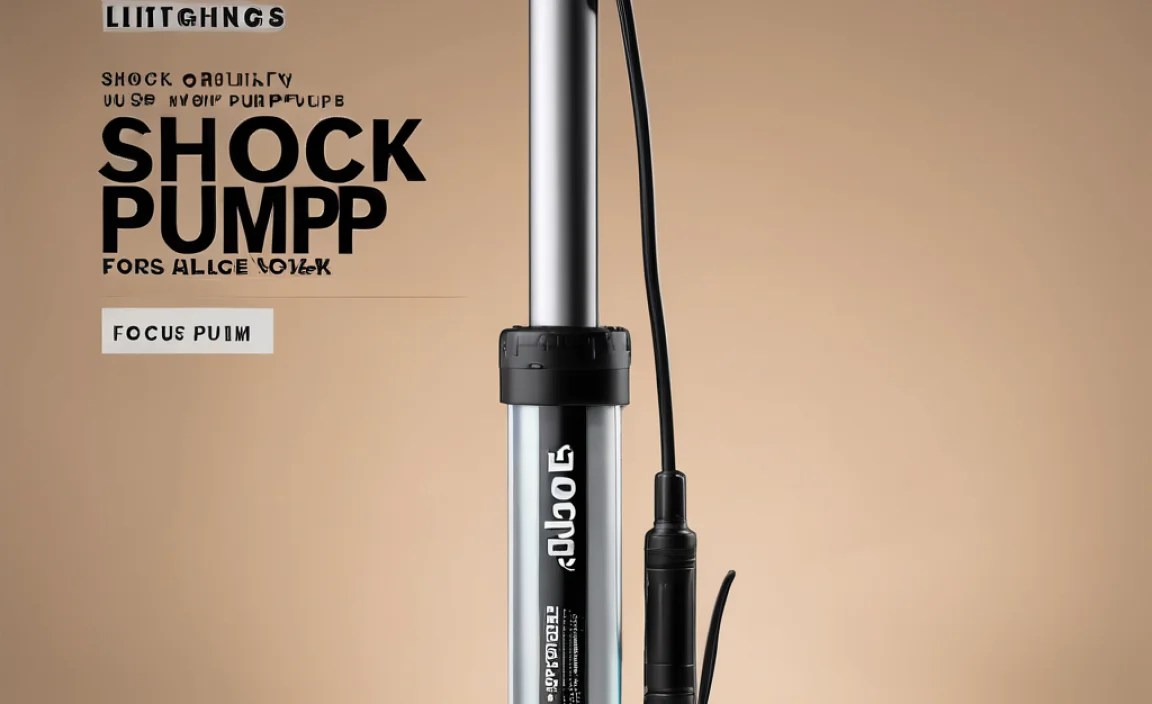
After learning how to use a shock pump after service on your fork, you need to check your work. Checking and adjusting air pressure is key. It makes sure your fork works its best. After pumping and detaching, check the pressure again. Use the pump to do this. The gauge will show the current pressure. Compare this to the pressure you want. If it’s too low, add more air. If it’s too high, release some air. Some pumps have a bleed valve for this. If not, use a special tool. Adjust in small amounts. A few PSI can make a big difference. Ride your bike and see how it feels. You might need to adjust the pressure again.
- Check the pressure with the shock pump after pumping.
- Compare the current pressure to your target.
- Add air if the pressure is too low.
- Release air if the pressure is too high.
- Ride your bike and adjust as needed.
Checking and adjusting air pressure is like tuning a guitar. You want to get it just right. A little adjustment can make a big difference in how your bike feels. If the fork feels too soft, add more air. This will make it stiffer. If it feels too harsh, release some air. This will make it softer. Pay attention to how the fork feels on different types of terrain. You might need to adjust the pressure for different trails. The more you ride, the better you’ll get at finding the perfect pressure. This will make your rides more comfortable and enjoyable.
Fun Fact or Stat: Pro riders often adjust their fork pressure before each race. They do this based on the course conditions.
The “Sag” Test
Have you ever seen a building that leans to one side? That’s not good! “Sag” is how much your fork compresses when you sit on your bike. It’s a key way to check if your pressure is right. Too much sag means the pressure is too low. Too little sag means the pressure is too high. To check sag, put a zip tie around the fork stanchion. Sit on your bike in a normal riding position. Then, get off the bike. The zip tie will show how much the fork compressed. Measure the distance from the zip tie to the seal. Compare this to the fork’s travel. A good starting point is 20-30% sag.
Adjusting For Terrain
Imagine wearing the same shoes for hiking and swimming. It wouldn’t work very well! Adjusting your fork pressure for different terrain is similar. Softer terrain like sand or mud might need a lower pressure. This helps the fork absorb bumps better. Harder terrain like rocks or pavement might need a higher pressure. This prevents the fork from bottoming out. Experiment with different pressures to see what works best for you. Remember to always stay within the fork’s pressure limits.
Seasonal Adjustments
Did you know that air pressure changes with the weather? In colder weather, the air pressure in your fork will decrease. In warmer weather, it will increase. This is because air expands when it’s heated and contracts when it’s cooled. It’s a good idea to check your fork pressure regularly, especially as the seasons change. You might need to add or release air to keep your fork performing its best.
Maintaining Your Shock Pump
Knowing how to use a shock pump after service on your fork also means taking care of the pump. A good shock pump is an investment. Taking care of it will make it last longer. Store the pump in a clean, dry place. This keeps dirt and moisture out. Check the pump head regularly. Make sure it’s clean and free of debris. The hose can also wear out over time. Check it for cracks or leaks. If you see any damage, replace the hose. Some pumps need to be lubricated. Check the maker’s advice for how to do this. A well-maintained pump will give you accurate readings. It will also make pumping easier.
- Store the shock pump in a clean, dry place.
- Check the pump head for dirt and debris.
- Inspect the hose for cracks or leaks.
- Lubricate the pump as needed.
- Replace worn parts to keep it working well.
Maintaining your shock pump is like taking care of your bike. If you keep it clean and in good shape, it will last longer. A dirty or damaged pump can give you wrong readings. This can lead to problems with your fork. A clean pump head makes a better seal. This helps you avoid air leaks. A good hose makes pumping easier. And, a lubricated pump works more smoothly. So, take a few minutes to care for your pump. It will pay off in the long run. You’ll get more accurate readings and easier pumping. This will make it easier to keep your fork in top condition.
Fun Fact or Stat: Some shock pumps come with rebuild kits. These let you replace worn parts and extend the pump’s life.
Cleaning The Pump Head
Have you ever tried to brush your teeth with a dirty toothbrush? It’s not very effective! A dirty pump head is like that toothbrush. It can’t make a good seal with the fork valve. This can lead to air leaks and wrong readings. Clean the pump head regularly with a clean cloth. You can also use a small brush to remove dirt and debris. Make sure the pump head is completely dry before using it. A clean pump head will help you get accurate pressure readings.
Hose Inspection
Imagine trying to drink from a straw with a hole in it. It would be hard to get any liquid! A damaged hose on your shock pump is like that straw. It can leak air and make it hard to pump. Inspect the hose regularly for cracks, kinks, or leaks. If you see any damage, replace the hose. You can usually buy replacement hoses online or at your local bike shop. A good hose will make pumping easier and more efficient.
Lubrication Tips
Think of your shock pump like a machine. It needs lubrication to work smoothly. Check the maker’s advice for how to lubricate your pump. Some pumps need a special type of oil. Others can be lubricated with a light grease. Apply the lubricant to the moving parts of the pump. This will help them move smoothly and easily. A well-lubricated pump will be easier to use and will last longer.
Troubleshooting Common Issues
Even when you know how to use a shock pump after service on your fork, problems can happen. Let’s look at some common issues. One problem is not getting a reading. This can happen if the pump head isn’t on tight. Check the connection and try again. Another problem is air leaking. This can also be from a bad connection. Make sure the pump head is clean. If the pump won’t pump, it might be broken. Check the hose and the pump head for damage. If you can’t fix it, you might need a new pump. Don’t get frustrated. Troubleshooting is part of the process. With a little patience, you can usually solve the problem.
- Check the pump head connection if you get no reading.
- Make sure the pump head is clean to stop air leaks.
- Look for damage to the hose or pump head.
- Consider a new pump if yours won’t pump air.
- Be patient and try different solutions.
Troubleshooting is like being a detective. You need to look for clues and try different solutions. If you’re not getting a reading, start by checking the connection. Make sure the pump head is on tight. If air is leaking, try cleaning the pump head. Dirt can stop it from sealing properly. If the pump won’t pump, it might be broken. Check the hose for damage. If it’s cracked or leaking, you need a new hose. If the pump head is damaged, you need a new pump head. Don’t be afraid to ask for help. Your local bike shop can help you troubleshoot problems with your shock pump.
Fun Fact or Stat: Some riders carry a small shock pump with them on rides. This lets them adjust their fork pressure on the trail.
No Pressure Reading
Have you ever tried to turn on a light and nothing happens? It can be frustrating! Not getting a pressure reading on your shock pump is similar. It usually means there’s a problem with the connection. Make sure the pump head is pushed on all the way. Sometimes, you need to push it harder than you think. Also, check the valve on your fork. Make sure it’s not clogged with dirt. A clean valve will make a better connection.
Air Leaks
Imagine trying to fill a swimming pool with a hole in it. It would take forever! Air leaks are a common problem with shock pumps. They can make it hard to get the pressure right. Check the pump head for damage. If it’s cracked or broken, you need a new pump head. Also, check the hose for leaks. You can usually hear or feel air escaping. If you find a leak, replace the hose. A good seal is key to getting the right pressure.
Pump Won’t Pump
Think of your shock pump like a water pump. If it’s not working, you won’t get any water! If your pump won’t pump air, it might be broken. Check the handle to see if it moves smoothly. If it’s stuck or hard to move, the pump might need lubrication. Also, check the internal parts of the pump. Some pumps have small parts that can wear out over time. If you can’t fix the pump, you might need to buy a new one.
Summary
Using a shock pump to adjust your bike’s fork after service is simple. First, get the right tools and info. Know your fork’s model and needed air pressure. Attach the pump head firmly to the valve. Pump slowly, watching the gauge. Stop at the target pressure. Detach the pump with care to avoid air loss. Always double-check the pressure after. Adjust it as needed for the best ride feel. Regular checks and care for your pump help keep your fork working well. With some practice, learning how to use a shock pump after service on your fork becomes easy.
Conclusion
Learning how to use a shock pump after service on your fork is a key skill. It helps you keep your bike running smoothly. It also lets you fine-tune your ride for comfort and control. Follow these steps and you will be fine. Remember to check your work and keep your pump in good shape. With a little practice, you’ll be able to adjust your fork like a pro. This will make your rides more fun and enjoyable.
Frequently Asked Questions
Question No 1: How often should I check my fork’s air pressure?
Answer: You should check your fork’s air pressure at least once a month. Also, check it before any big ride. Air pressure can change over time. Temperature changes can also affect it. Regular checks help you keep your fork working its best. This ensures a smooth and safe ride. Remembering to check regularly will mean you are always ready to ride. Knowing how to use a shock pump after service on your fork means you can keep the bike working well.
Question No 2: What if I don’t have a shock pump?
Answer: A regular tire pump will not work for your fork. Shock pumps are special. They deliver high pressure in small amounts. This lets you fine-tune the pressure. Using a regular pump can damage your fork. It can also be dangerous. You can buy a shock pump online or at a bike shop. Some bike shops will also let you borrow one. It is important to use the correct tool for how to use a shock pump after service on your fork. Safety is very important.
Question No 3: How do I know what pressure to put in my fork?
Answer: Look for a sticker on your fork. It might have a pressure chart. This chart shows the right pressure for your weight. You can also check the maker’s website. They usually have this info online. Start with the recommended pressure. Then, adjust it to fit your riding style. If the fork feels too soft, add more air. If it feels too harsh, release some air. This helps when learning how to use a shock pump after service on your fork.
Question No 4: Can I use too much air in my fork?
Answer: Yes, you can definitely use too much air. Overfilling your fork can damage it. It can also make the ride very harsh. Always check the maximum pressure rating. This is usually printed on the fork. Never go above this number. If you do overfill, release some air. Some pumps have a bleed valve for this. If not, use a special tool. Always use the shock pump safely when learning how to use a shock pump after service on your fork.
Question No 5: What does PSI mean?
Answer: PSI stands for pounds per square inch. It’s a way to measure air pressure. Your shock pump gauge shows PSI. This tells you how much air is in your fork. Higher PSI means more air pressure. Lower PSI means less air pressure. Knowing what PSI means helps you set the right pressure. This ensures a smooth and comfortable ride. Always double check the PSI after learning how to use a shock pump after service on your fork to ensure the correct setting.
Question No 6: Why is my fork losing air?
Answer: There are a few reasons why your fork might be losing air. One reason is a bad seal. The pump head might not be on tight. Make sure it’s clean and pushed on all the way. Another reason is a leak in the valve. Check the valve for damage. Also, check the hose on your shock pump. If it’s cracked, it can leak air. If your fork keeps losing air, take it to a bike shop. They can help you find and fix the problem. Knowing how to use a shock pump after service on your fork means you’ll be more aware of when things aren’t right, meaning you will be able to take the bike to the shop sooner.


