
How to Use Mini Pump Safely During Cold Weather: Smart Tips

Quick Summary:
Using a mini pump safely in cold weather involves warming the pump beforehand, using slow, steady pumping motions, and protecting your hands from the cold. Always inspect the pump for ice or blockages, and be patient – cold air takes more effort to compress. Consider carrying a CO2 inflator as an alternative for quick inflation.
Cold weather can turn even simple tasks, like inflating a bike tire, into a real challenge. Your mini pump might feel sluggish, your hands could get numb, and the whole process just takes longer. It’s a common frustration for cyclists who don’t want to let winter sideline their rides.
But don’t worry! With the right techniques, you can use your mini pump effectively and safely, even when the temperature drops. I’ll walk you through the best ways to prep your pump, protect yourself, and get your tires inflated so you can get back to enjoying your ride. Let’s get started!
Preparing Your Mini Pump for Cold Weather
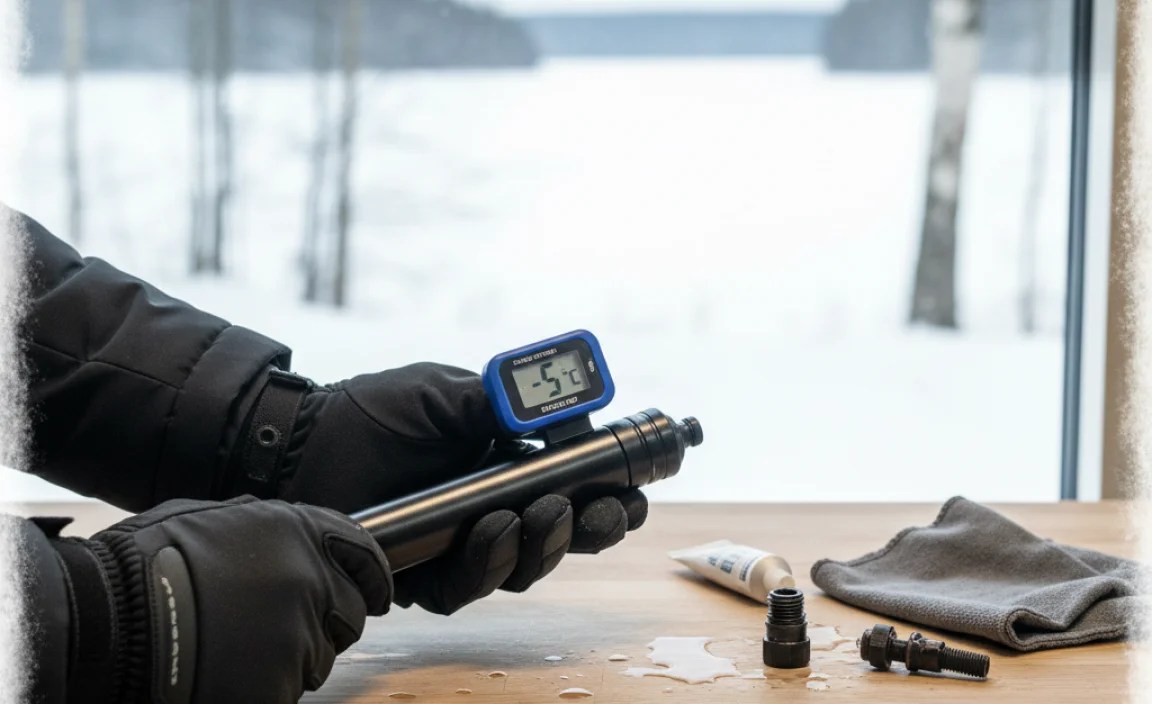
The cold can affect your mini pump’s performance, but with a few simple steps, you can ensure it works when you need it most.
1. Keep Your Pump Warm
Just like your muscles, your mini pump works better when it’s warm. Storing your pump in a cold garage or bike bag can make it stiff and less efficient. Here’s how to keep it warm:
- Store Indoors: Keep your pump inside your house or office where it’s warm.
- Body Heat: On the ride, store the pump in a jersey pocket or inside your jacket to use your body heat to keep it warm.
- Warm-Up: Before using, gently flex the pump a few times to loosen up the internal parts.
2. Inspect for Ice and Debris
Cold weather can bring moisture, which can freeze inside your pump. Before you start pumping, check for any ice or debris that might be blocking the airflow.
- Visual Check: Look closely at the pump head and the valve connector for any visible ice or dirt.
- Test the Action: Gently try the pump to see if it moves freely. If it feels stiff, don’t force it.
- Clear Blockages: If you find ice, try to warm the pump slightly (e.g., with your hands) until the ice melts. For debris, use a small brush or cloth to clean the affected areas.
3. Lubricate Moving Parts
Cold temperatures can cause the rubber and plastic parts inside your pump to become less flexible. A little lubrication can help keep things moving smoothly.
- Use Silicone-Based Lubricant: Apply a small amount of silicone-based lubricant to the moving parts of the pump, such as the piston and the valve connector. Silicone won’t freeze easily and is safe for rubber and plastic.
- Work It In: After applying the lubricant, work the pump a few times to distribute it evenly.
- Avoid Oil-Based Lubricants: These can attract dirt and grime, which can make the problem worse in the long run.
Using Your Mini Pump in Cold Conditions
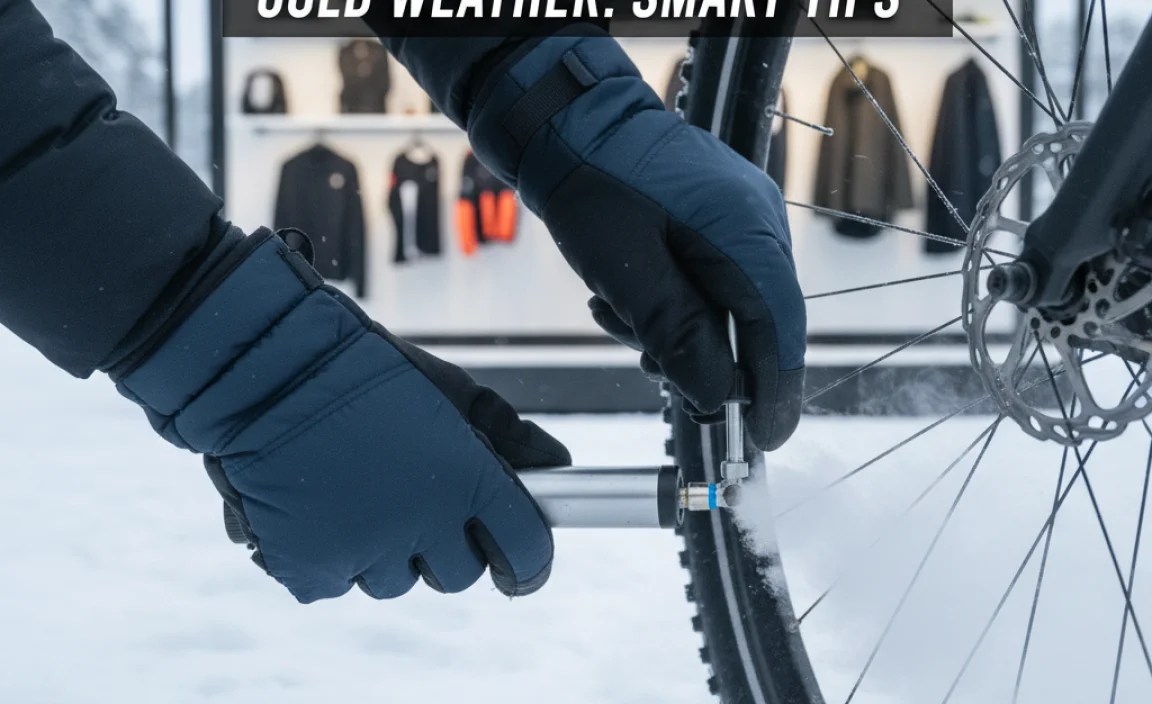
Pumping in the cold requires a bit more patience and technique. Here’s how to do it safely and effectively.
1. Protect Your Hands
Numb fingers make it hard to grip the pump and can reduce your pumping power. Keep your hands warm with these tips:
- Wear Gloves: Use cycling gloves or mittens. Consider bringing an extra pair in case one gets wet.
- Hand Warmers: Disposable hand warmers can be a lifesaver on very cold days. Keep them in your pockets and use them as needed.
- Take Breaks: If your hands start to get cold, take a break to warm them up. Put them in your armpits or use your breath to warm them.
2. Use Slow, Steady Pumping Motions
Rushing the pumping process can make you tired and less effective. Slow, steady motions are the key.
- Full Strokes: Use the full range of the pump to maximize the amount of air you’re pushing with each stroke.
- Consistent Pace: Maintain a steady pace. Avoid quick, jerky movements that can waste energy.
- Lean Into It: Use your body weight to help push the pump handle. This will make the process easier and more efficient.
3. Check Tire Pressure Frequently
Cold air is denser, so tire pressure decreases in cold weather. Regularly check your tire pressure to make sure it’s within the recommended range.
- Use a Gauge: Carry a small tire pressure gauge with you. Check the pressure every few minutes as you pump.
- Don’t Overinflate: Be careful not to overinflate your tires, as this can make them more susceptible to punctures on cold, hard surfaces.
- Adjust as Needed: If the temperature changes during your ride, recheck your tire pressure and adjust accordingly.
Dealing with Common Cold Weather Pumping Problems
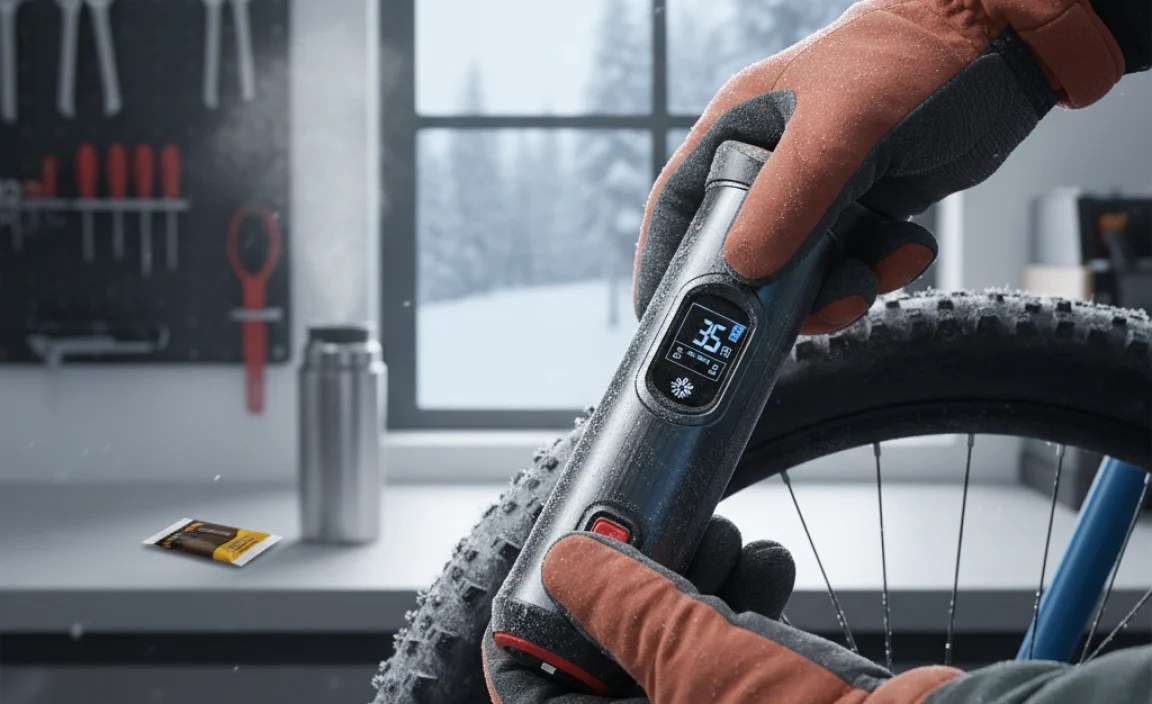
Even with the best preparation, you might run into some issues when using a mini pump in the cold. Here’s how to handle them.
1. Pump Freezing Up
If your pump freezes up, don’t force it. Here’s what to do:
- Warm It Up: Use your hands, your breath, or a warm cloth to gently warm the pump.
- Check for Ice: Look for ice inside the pump head or valve connector. Clear it away if you can.
- Lubricate: Apply a small amount of silicone-based lubricant to the moving parts.
2. Valve Freezing to the Tire
Sometimes, the valve can freeze to the tire, making it difficult to remove the pump without damaging the valve core. Here’s how to prevent this:
- Use a Valve Cap: A valve cap can help protect the valve from moisture and ice.
- Warm the Valve: Before removing the pump, try warming the valve with your fingers or breath.
- Gentle Removal: When removing the pump, use a gentle twisting motion to break any ice that may have formed.
3. Difficulty Getting a Good Seal
Cold temperatures can make the rubber seals on your pump less pliable, making it harder to get a good seal on the tire valve. Here’s what to do:
- Press Firmly: Press the pump head firmly onto the valve, making sure it’s fully engaged.
- Check the Seal: Listen for air leaks. If you hear any, adjust the position of the pump head until you get a good seal.
- Use a Different Pump Head: Some pumps come with different pump head options. Experiment to see which one works best for you in cold weather.
Alternative Inflation Methods for Cold Weather

If you’re struggling with your mini pump, there are other options for inflating your tires in cold weather.
1. CO2 Inflators
CO2 inflators are a quick and easy way to inflate your tires. They use a cartridge of compressed carbon dioxide to fill your tire in seconds.
- Pros: Fast, lightweight, and easy to use.
- Cons: Cartridges are single-use, can be expensive over time, and require some practice to use safely.
| Feature | Mini Pump | CO2 Inflator |
|---|---|---|
| Speed | Slow | Fast |
| Cost | Low (initial cost) | Moderate (cartridges) |
| Reusability | Reusable | Single-use cartridges |
| Warmth | Requires user effort | No effort required |
2. Handheld Air Compressors
These battery-powered devices can quickly inflate your tires without much effort. They’re a bit heavier than mini pumps, but they can be a good option for longer rides.
- Pros: Easy to use, rechargeable, and can inflate multiple tires on a single charge.
- Cons: Heavier than mini pumps, require charging, and can be more expensive.
3. Consider Tubeless Tires
Switching to tubeless tires can also make punctures less frequent, reducing the need to inflate tires on the go. Tubeless tires use sealant to automatically plug small holes, minimizing air loss.
- Pros: Fewer punctures, lower rolling resistance, and can run at lower pressures for better grip.
- Cons: More expensive, require special rims and tires, and can be messy to set up.
Essential Gear for Cold Weather Cycling

Being prepared for cold weather cycling means having the right gear. Here are some essentials to consider.
1. Warm Clothing
Layering is key to staying warm and comfortable on cold rides. Here’s what to wear:
- Base Layer: A moisture-wicking base layer to keep sweat away from your skin.
- Mid Layer: An insulating layer like a fleece or wool jersey.
- Outer Layer: A windproof and waterproof jacket.
- Warm Accessories: Gloves, a hat or balaclava, and warm socks.
2. Bike Maintenance Tools
Carry a basic set of bike maintenance tools, including:
- Multi-Tool: A compact tool with various Allen wrenches, screwdrivers, and other useful tools.
- Tire Levers: For removing tires from the rim.
- Spare Tube: In case you get a flat tire.
- Patch Kit: For repairing small punctures.
3. Emergency Supplies
Be prepared for unexpected situations with these emergency supplies:
- First Aid Kit: For treating minor injuries.
- Energy Bars or Gels: To keep your energy levels up.
- Phone or GPS Device: For navigation and communication.
- Cash or Credit Card: For emergencies.
Tips for Maintaining Your Mini Pump
Regular maintenance will keep your mini pump in good working condition for years to come.
1. Clean Regularly
Dirt and grime can build up inside your pump, reducing its efficiency. Clean it regularly with a damp cloth and a mild detergent.
2. Lubricate Moving Parts
As mentioned earlier, lubricating the moving parts of your pump will keep them moving smoothly. Use a silicone-based lubricant and apply it sparingly.
3. Store Properly
When you’re not using your pump, store it in a clean, dry place. Avoid storing it in direct sunlight or extreme temperatures.
4. Replace Worn Parts
Over time, some parts of your pump may wear out. Replace them as needed to keep your pump working properly. Common parts that may need replacing include the pump head, the rubber seals, and the piston.
FAQ: Mini Pumps in Cold Weather
1. Why does my mini pump feel harder to use in cold weather?
Cold air is denser, meaning it takes more effort to compress it into your tire. Also, the lubricants and rubber parts inside the pump can become stiff in the cold, making the pump harder to operate.
2. Can I use any type of lubricant on my mini pump?
No, it’s best to use a silicone-based lubricant. Oil-based lubricants can attract dirt and grime, which can damage the pump. Silicone lubricants are safe for rubber and plastic parts and won’t freeze easily.
3. How can I prevent my valve from freezing to the tire?
Use a valve cap to protect the valve from moisture. Before removing the pump, warm the valve with your fingers or breath. When removing the pump, use a gentle twisting motion.
4. Is it better to use a mini pump or a CO2 inflator in cold weather?
A CO2 inflator can be more convenient in cold weather because it’s faster and requires less effort. However, CO2 cartridges are single-use and can be expensive. A mini pump is reusable and more economical in the long run, but it requires more effort and can be harder to use in the cold.
5. How often should I check my tire pressure in cold weather?
Check your tire pressure more frequently in cold weather, as tire pressure decreases in the cold. Check it every few minutes as you pump and adjust as needed.
6. What should I do if my mini pump freezes up completely?
Don’t force it! Warm the pump with your hands or breath. Check for ice inside the pump head or valve connector and clear it away. Lubricate the moving parts with a silicone-based lubricant.
7. Are there mini pumps specifically designed for cold weather?
While there aren’t mini pumps specifically marketed as “cold weather” pumps, some models have features that make them better suited for cold conditions. Look for pumps with durable construction, smooth action, and easy-to-grip handles. Pumps with flexible hoses can also be easier to use in the cold, as they allow you to position the pump without putting stress on the valve.
Conclusion
Using a mini pump safely and effectively in cold weather requires a bit of preparation and the right techniques. By keeping your pump warm, protecting your hands, using slow, steady pumping motions, and being aware of potential problems, you can keep your tires inflated and enjoy your winter rides. Don’t forget to consider alternative inflation methods like CO2 inflators or handheld air compressors for added convenience. With these tips, you’ll be well-equipped to handle any inflation challenge that cold weather throws your way, and you can keep rolling through the winter months with confidence.


