
DIY Tire Boot Repair for Large Punctures: Smart Fix!

Got a big gash in your bike tire? Don’t let it ruin your ride! A tire boot can patch up that hole and get you home safely. You’ll need a tire lever, a tire boot (like a Park Tool TB-2 or even a folded dollar bill!), and a pump. Just remove the tire, stick the boot on the inside over the hole, and reinflate. Easy peasy!
Finding a large puncture in your bike tire can be a real bummer, especially when you’re miles from home. A big cut can make the tire unusable, but don’t worry, you don’t always need to call for a ride. With a simple tire boot, you can often repair the damage and keep rolling. It’s a temporary fix, but it’s enough to get you back safely.
This guide will walk you through how to use a tire boot to repair large punctures. We’ll cover the tools you need, the steps to follow, and some tips to make the repair as reliable as possible. Let’s get started!
What is a Tire Boot and Why Use One?

A tire boot is a strong, thin patch that you place on the inside of your tire to cover a large cut or puncture. It acts like a splint, reinforcing the damaged area and preventing the inner tube from bulging out and exploding. Think of it like a bandage for your tire!
Why use a tire boot?
- It’s a quick fix: Much faster than replacing a tire on the road.
- It’s cheap: Tire boots are inexpensive and reusable.
- It prevents further damage: Keeps the inner tube from getting ruined by the cut.
- It gets you home: Allows you to ride safely until you can replace the tire.
While a tire boot is a great temporary solution, it’s important to remember that it’s not a permanent repair. You’ll still need to replace the tire eventually.
Tools and Materials You’ll Need

Before you start, gather these essential items:
- Tire levers: To remove the tire from the rim. Pedro’s Tire Levers are a great option.
- Tire boot: A dedicated tire boot like the Park Tool TB-2, or a makeshift one (more on that later).
- Inner tube (spare): Just in case your current one is damaged.
- Pump or CO2 inflator: To inflate the tire after the repair. A mini pump like the Lezyne Micro Floor Drive HP is perfect for on-the-go inflation.
- Rag: To clean the tire.
- Multi-tool (optional): May be needed to tighten the wheel.
Step-by-Step Guide: DIY Tire Boot Repair

Follow these steps carefully to repair your tire with a boot:
Step 1: Safety First!
Pull over to a safe location away from traffic. Engage your brakes if necessary. Your safety is the top priority.
Step 2: Remove the Wheel
Depending on your bike, you’ll need to either loosen the quick-release lever or use a wrench to detach the wheel from the frame. Consult your bike’s manual if you’re unsure how to do this.
Step 3: Remove the Tire
Use your tire levers to carefully pry one side of the tire off the rim. Insert one lever under the tire bead, hook it onto a spoke, and then insert a second lever a few inches away. Use the second lever to slide along the rim, pulling the tire bead off as you go. Once one side is off, you can usually pull the rest of the tire off by hand.
Step 4: Remove the Inner Tube
Carefully pull the inner tube out from inside the tire. Start at the valve stem and work your way around the tire.
Step 5: Inspect the Tire
Thoroughly examine the inside of the tire to find the puncture. Run your fingers along the inside of the tire to feel for any sharp objects that may still be embedded. Remove any debris carefully. This is crucial to prevent another flat!
Step 6: Prepare the Tire Boot
If you’re using a commercial tire boot, peel off the backing to expose the adhesive. If you’re using a makeshift boot (like a folded dollar bill or piece of energy bar wrapper), make sure it’s clean and folded to provide enough thickness and strength.
Step 7: Apply the Tire Boot
Center the tire boot over the inside of the puncture. Press it firmly in place to ensure it adheres well. The boot should completely cover the damaged area.
Step 8: Reinstall the Inner Tube
Slightly inflate the inner tube to give it some shape. Carefully insert the valve stem into the rim hole, and then tuck the rest of the tube inside the tire. Make sure the tube isn’t twisted or pinched.
Step 9: Reinstall the Tire
Starting opposite the valve stem, carefully push the tire bead back onto the rim. Use your thumbs to work the tire back on, making sure the inner tube isn’t pinched between the tire and the rim. The last section can be tricky, so use your tire levers if needed, but be careful not to pinch the inner tube!
Step 10: Inflate the Tire
Inflate the tire to the recommended pressure (printed on the tire sidewall). Start with a low pressure to make sure the tire is seated correctly on the rim. Inspect both sides of the tire to ensure the bead is evenly seated all the way around. If it’s not, deflate the tire slightly, adjust the tire, and reinflate.
Step 11: Reinstall the Wheel
Reattach the wheel to your bike frame, making sure it’s securely fastened. Tighten the quick-release lever or bolts to the appropriate torque.
Step 12: Test Ride
Before hitting the road, give the bike a quick test ride in a safe area to make sure everything is working properly. Listen for any unusual noises and check that the brakes are functioning correctly.
Make-Shift Tire Boots: When You’re in a Pinch

Don’t have a dedicated tire boot? No problem! Here are some common items that can work in a pinch:
- Dollar bill: Folded several times to create a strong patch.
- Energy bar wrapper: The foil-lined wrappers are surprisingly durable.
- Piece of old tire: If you have a spare tube with you, you can cut a small piece from it.
- Duct tape: Folded over on itself to create a thicker, more durable patch.
Important: These makeshift boots are less reliable than commercial ones, so use them with caution and replace your tire as soon as possible.
Troubleshooting Common Problems
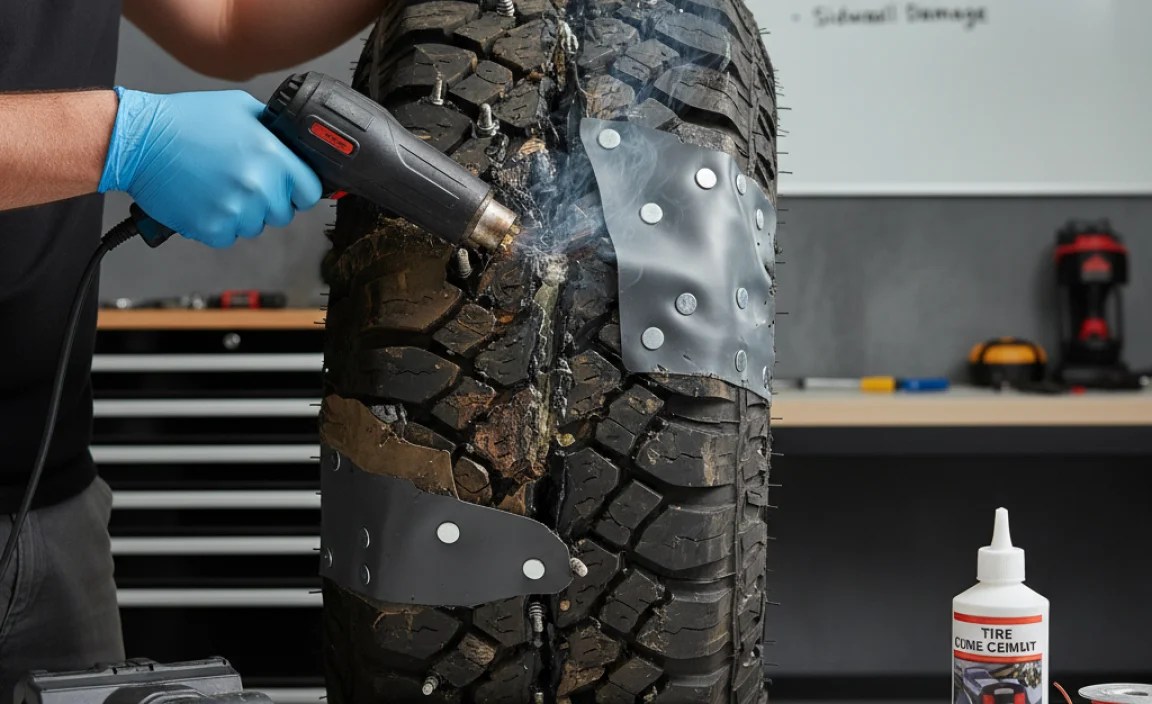
Sometimes, things don’t go according to plan. Here are some common problems and how to fix them:
- Pinching the inner tube: This is a common problem when reinstalling the tire. Make sure the inner tube is completely inside the tire before you start pushing the tire bead back onto the rim. Use your thumbs to work the tire on, and be careful not to pinch the tube with the tire levers.
- Tire not seating properly: If the tire bead isn’t evenly seated on the rim, deflate the tire slightly, push the tire bead into place, and reinflate. You may need to use soapy water to help the tire bead slide into place.
- The boot keeps slipping: Make sure the area inside the tire is clean and dry before applying the boot. If the boot is still slipping, try using a stronger adhesive, like rubber cement.
Maintaining Your Tires for Fewer Punctures
Prevention is always better than cure! Here are some tips to help you avoid punctures in the first place:
- Maintain proper tire pressure: Underinflated tires are more prone to pinch flats. Check your tire pressure before each ride and inflate to the recommended pressure.
- Inspect your tires regularly: Look for cuts, embedded objects, and signs of wear. Replace your tires when they’re worn out.
- Use tire sealant: Tire sealant can seal small punctures as they happen, preventing flats.
- Choose the right tires for your riding conditions: Some tires are more puncture-resistant than others. If you ride on rough roads or trails, consider using tires with puncture protection.
- Avoid riding through debris: Be mindful of where you’re riding and avoid broken glass, sharp rocks, and other debris.
When to Replace Your Tire
A tire boot is a temporary fix, not a permanent solution. Here are some signs that it’s time to replace your tire:
- Large cuts or tears: If the tire has large cuts or tears, it’s no longer safe to ride on, even with a boot.
- Worn tread: If the tread is worn down, the tire will have less grip and will be more prone to punctures.
- Sidewall damage: If the sidewall is damaged, the tire is weakened and could fail.
- Bulges or bubbles: These indicate that the tire’s structure is compromised.
- The tire boot fails repeatedly: If you have to keep replacing the tire boot, it’s time to replace the tire.
Choosing the Right Tire Boot
While a dollar bill can work in an emergency, investing in a proper tire boot is a good idea for regular cyclists. Here’s a comparison of some popular options:
| Product | Material | Features | Pros | Cons |
|---|---|---|---|---|
| Park Tool TB-2 Emergency Tire Boot | Reinforced plastic | Self-adhesive | Durable, easy to apply | Can be bulky |
| Topeak Rescue Box | High-density fabric | Variety of sizes, strong adhesive | Versatile, reliable | More expensive |
| Continental Easy Tape | Rubberized fabric | Flexible, strong adhesive | Conforms well to tire shape | May not be as durable as plastic |
FAQ: Tire Boot Repairs
Q: Can I reuse a tire boot?
A: Yes, most tire boots can be reused as long as they are still in good condition and the adhesive is still sticky. Inspect the boot before each use for any damage.
Q: How long will a tire boot last?
A: A tire boot is a temporary fix, designed to get you home. Replace the tire as soon as possible. The lifespan depends on riding conditions, but don’t push it for more than a few rides.
Q: Can I use a tire boot on the sidewall of my tire?
A: Sidewall repairs are riskier because the sidewall flexes more. A tire boot *can* work in a pinch, but replace the tire immediately. Sidewall failures can be dangerous.
Q: What if I don’t have tire levers?
A: Tire levers are essential. While you might be able to remove a tire without them in some cases, you risk damaging the rim or tire. Buy a set and keep them in your repair kit.
Q: How much should I inflate my tire after using a boot?
A: Inflate to the pressure recommended on your tire’s sidewall. Start with a lower pressure to ensure the tire is seated correctly and then increase to the recommended PSI.
Q: Can I use super glue to help the tire boot stick?
A: While it might seem like a good idea, super glue can damage the tire. Stick to the adhesive on the boot itself, or use rubber cement if needed.
Q: What’s the best way to clean the inside of my tire before applying the boot?
A: Use a clean, dry rag to wipe away any dirt or debris. You can also use a slightly damp cloth, but make sure the area is completely dry before applying the boot.
Conclusion
Fixing a large puncture with a tire boot is a valuable skill for any cyclist. It’s a quick, easy, and affordable way to get back on the road when you’re far from home. While it’s not a permanent solution, it can save the day and prevent a long walk. Remember to always prioritize safety, carry the necessary tools, and replace the tire as soon as possible. Happy riding!


