
How to Use Hand Pump for Camping Gear: Easy Guide

Quick Summary:
Using a hand pump for camping gear is easy! First, connect the correct nozzle to your pump and the gear’s valve. Next, hold the pump steady and use a smooth, up-and-down motion to inflate. Check the pressure often to avoid over-inflation. Disconnect the pump and quickly seal the valve. Now you’re ready to enjoy your camping gear!
Have you ever struggled to inflate your air mattress or other camping gear at the campsite? It’s a common problem, and wrestling with awkward pumps can be frustrating. But don’t worry! Using a hand pump is simpler than you might think. With the right technique, you can quickly and easily inflate your gear and get your campsite set up in no time.
This guide will walk you through each step, showing you how to use a hand pump effectively. We’ll cover everything from selecting the right nozzle to achieving the perfect inflation pressure. Get ready to say goodbye to campsite struggles and hello to hassle-free inflation!
Understanding Hand Pumps for Camping

Hand pumps are essential for inflating various camping items. They are manual, portable, and don’t require electricity, making them perfect for the outdoors. Here’s what you need to know.
Types of Hand Pumps
There are several types of hand pumps, each designed for specific purposes. Knowing the differences helps you choose the right one.
- Single-Action Pumps: Inflate only on the downstroke, simpler and more affordable.
- Double-Action Pumps: Inflate on both the upstroke and downstroke, more efficient.
- Bellows Pumps: Foot-operated, provide a steady and hands-free inflation option.
Common Camping Gear Requiring Hand Pumps
Hand pumps are versatile and can be used for a variety of camping equipment.
- Air Mattresses: Provide comfortable sleeping arrangements.
- Inflatable Furniture: Chairs and sofas for relaxing at the campsite.
- Pool Floats: For water activities if camping near a lake or pool.
- Inflatable Tents: Modern tents that use air beams instead of poles.
Advantages of Using Hand Pumps
Hand pumps offer several benefits over electric pumps, especially in outdoor settings.
- Portability: Lightweight and easy to carry in your camping gear.
- No Electricity Needed: Ideal for remote locations without power sources.
- Reliability: Less prone to mechanical issues compared to electric pumps.
- Cost-Effective: Generally cheaper than electric alternatives.
Step-by-Step Guide to Using a Hand Pump
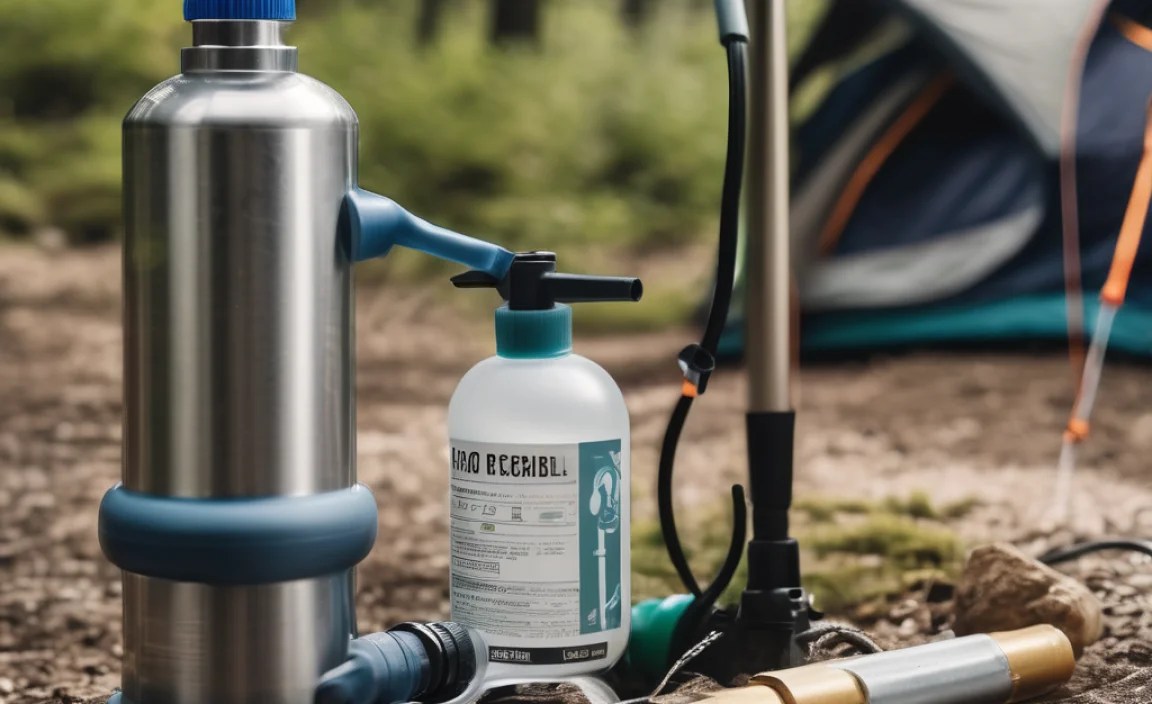
Follow these steps to efficiently and safely inflate your camping gear with a hand pump.
Step 1: Gather Your Gear
Before you start, make sure you have everything you need.
- Hand pump
- Appropriate nozzle attachments
- The camping gear you want to inflate (air mattress, inflatable sofa, etc.)
Step 2: Select the Correct Nozzle
Most hand pumps come with multiple nozzles to fit different valve types. Choosing the right one is crucial for a secure and efficient inflation.
- Identify the Valve Type: Look at the valve on your camping gear. Common types include pinch valves, Boston valves, and stem valves.
- Match the Nozzle: Select the nozzle that fits snugly into the valve. It should create a tight seal to prevent air leakage.
- Secure the Nozzle: Attach the chosen nozzle to the hand pump. Ensure it’s firmly connected to avoid it coming loose during inflation.
Step 3: Connect the Pump to the Valve
Properly connecting the pump to the valve is essential for efficient inflation.
- Open the Valve: If the valve has a cap or cover, remove it. Some valves may require you to pinch or twist them open.
- Insert the Nozzle: Carefully insert the nozzle into the valve. Push it in firmly to create a seal.
- Secure the Connection: Make sure the nozzle is securely connected. If it feels loose, try a different nozzle or adjust the current one until it fits snugly.
Step 4: Start Pumping
Now it’s time to start inflating your gear. Use a smooth and steady motion to pump air.
- Position Yourself: Place the gear on a flat, stable surface. Stand or kneel comfortably next to it.
- Grip the Pump: Hold the pump firmly with both hands. If it’s a foot pump, place your foot securely on the pedal.
- Pump Steadily: Use a consistent, rhythmic motion to pump air. For double-action pumps, push down and pull up. For single-action pumps, focus on the downstroke.
- Maintain Posture: Keep your back straight and use your arms and legs to generate power. Avoid jerky or rushed movements.
Step 5: Monitor the Pressure
It’s important to monitor the pressure as you inflate your gear to avoid over-inflation, which can cause damage.
- Check Regularly: Periodically pause pumping to check the firmness of the gear. Press gently to feel the pressure.
- Refer to Guidelines: Check the manufacturer’s instructions for the recommended pressure. Some gear may have a pressure gauge.
- Avoid Over-Inflation: Be cautious not to over-inflate, especially in hot weather, as the air inside can expand and cause the material to burst.
Step 6: Finish and Seal the Valve
Once you’ve reached the desired pressure, finish pumping and seal the valve quickly to prevent air from escaping.
- Stop Pumping: When the gear feels firm and reaches the recommended pressure, stop pumping.
- Remove the Nozzle: Carefully remove the nozzle from the valve.
- Seal the Valve: Quickly close the valve cap or cover to prevent air from escaping. Ensure it’s tightly sealed.
Tips for Efficient Pumping
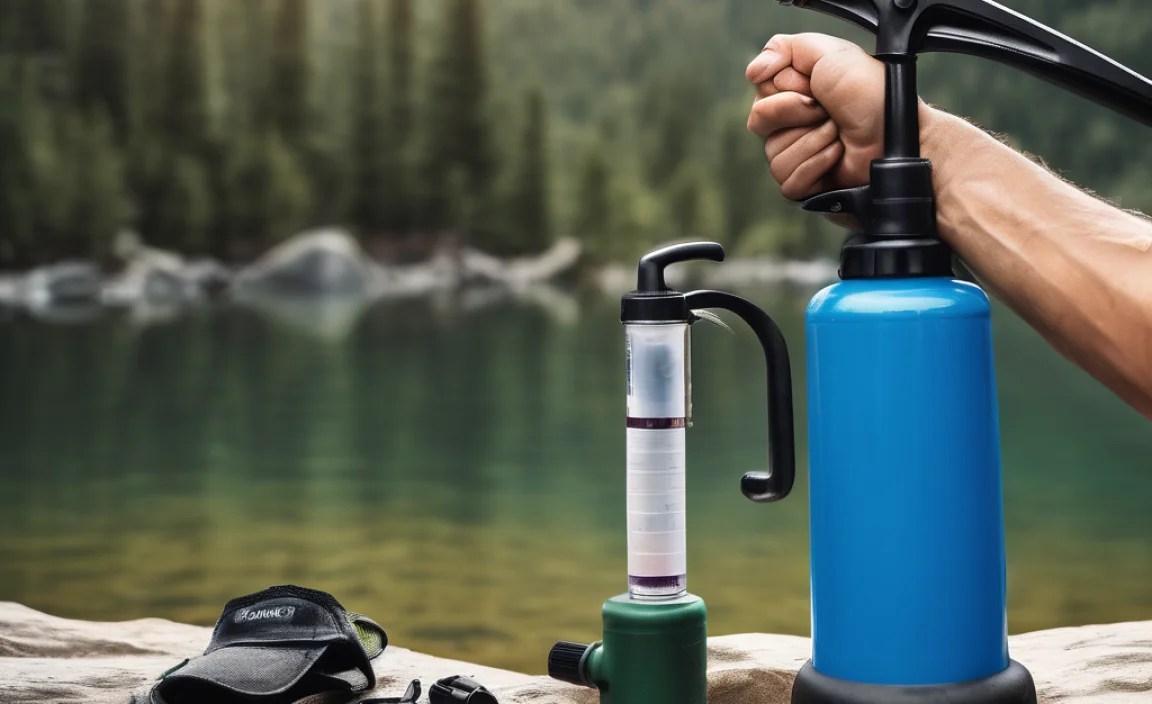
Here are some additional tips to make the pumping process more efficient and less tiring.
- Use Proper Body Mechanics: Engage your core and leg muscles to reduce strain on your arms and back.
- Take Breaks: If you’re inflating a large item, take short breaks to avoid fatigue.
- Lubricate the Pump: Apply a small amount of silicone lubricant to the pump’s moving parts to keep it working smoothly.
- Pump in a Cool Environment: Avoid pumping in direct sunlight, as the heat can make the air expand and make it harder to reach the desired pressure.
- Store the Pump Properly: Keep the pump clean and dry when not in use to prolong its lifespan.
Choosing the Right Hand Pump

Selecting the appropriate hand pump depends on the type of camping you do and the gear you use. Here’s what to consider.
Factors to Consider
- Pump Type: Decide between single-action, double-action, or bellows pumps based on your needs and preferences.
- Size and Weight: Choose a pump that’s easy to pack and carry.
- Nozzle Attachments: Ensure the pump comes with a variety of nozzles to fit different valve types.
- Durability: Look for a pump made from sturdy materials that can withstand outdoor conditions.
- Price: Balance cost with quality to find a pump that fits your budget and meets your needs.
Recommended Hand Pumps for Camping
Here are a few highly recommended hand pumps for camping, based on their performance and reliability.
| Pump Name | Type | Features | Pros | Cons |
|---|---|---|---|---|
| Coleman QuickPump | Double-Action | Multiple nozzle attachments, durable construction | Efficient inflation, versatile | Can be bulky |
| Intex Double Quick III | Double-Action | Large air chamber, ergonomic handle | Fast inflation, comfortable to use | Nozzle attachments may not fit all valves |
| ThickR Bellows Foot Pump | Bellows | Foot-operated, hands-free | Easy to use, steady inflation | Slower than hand pumps |
Maintaining Your Hand Pump
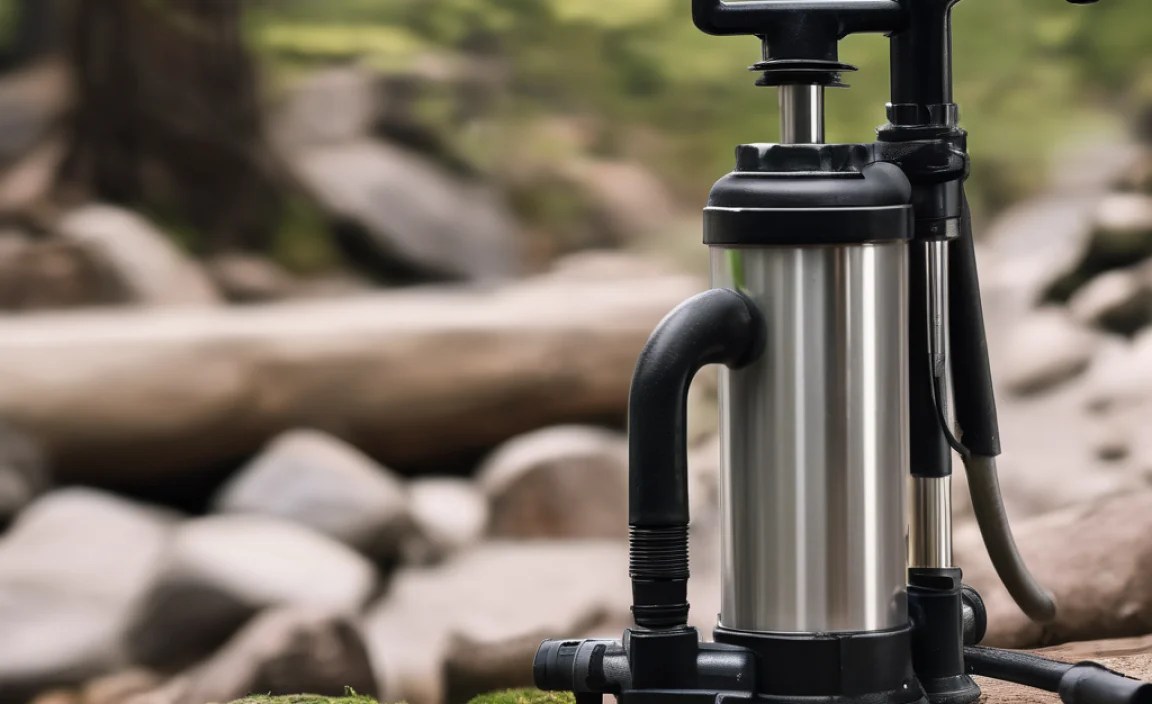
Proper maintenance will keep your hand pump in good working condition and extend its lifespan.
Cleaning and Storage
- Clean After Each Use: Wipe the pump with a clean, dry cloth to remove dirt and moisture.
- Lubricate Regularly: Apply silicone lubricant to the moving parts to keep them functioning smoothly.
- Store in a Dry Place: Keep the pump in a dry, protected area when not in use to prevent rust and corrosion.
- Check for Damage: Inspect the pump regularly for cracks, leaks, or other damage. Replace any worn or damaged parts.
Troubleshooting Common Issues
Here are some common issues you might encounter with hand pumps and how to resolve them.
| Issue | Possible Cause | Solution |
|---|---|---|
| Pump is hard to push | Lack of lubrication | Apply silicone lubricant to the piston and cylinder |
| Air is leaking | Loose nozzle connection | Ensure the nozzle is securely attached to the valve |
| Nozzle doesn’t fit | Incorrect nozzle | Try a different nozzle attachment |
| Pump isn’t inflating | Clogged air intake | Clean the air intake valve |
Safety Precautions
Follow these safety precautions to avoid injury and damage to your gear.
- Avoid Over-Inflation: Always monitor the pressure and avoid over-inflating your gear, as it can cause it to burst.
- Use the Right Nozzle: Using the wrong nozzle can damage the valve or cause air leakage.
- Protect Your Back: Use proper body mechanics and take breaks to avoid straining your back.
- Keep Away from Children: Store the pump and its attachments out of reach of children to prevent accidents.
FAQ
What type of hand pump is best for camping?
A double-action hand pump is often the best choice for camping because it inflates on both the upstroke and downstroke, making it more efficient and faster than single-action pumps. They’re great for air mattresses and larger inflatables.
How do I know if my air mattress is fully inflated?
Check the manufacturer’s instructions for the recommended pressure. Generally, an air mattress is fully inflated when it feels firm but still has a little give when you press on it. Avoid over-inflation, as temperature changes can cause the air to expand and damage the mattress.
Can I use a bicycle pump for my camping gear?
While you can sometimes use a bicycle pump, it’s not ideal. Bicycle pumps are designed for high pressure, low volume inflation, whereas camping gear needs the opposite. If you do use a bicycle pump, make sure you have the correct adapter and be careful not to over-inflate.
How do I prevent air from escaping when removing the pump?
Work quickly! As soon as you stop pumping, remove the nozzle and immediately close the valve cap or plug. Some valves have a built-in backflow prevention mechanism to help minimize air loss.
Is it better to use a hand pump or an electric pump for camping?
It depends on your needs. Electric pumps are faster and require less effort, but they need a power source. Hand pumps are portable, don’t need electricity, and are more reliable in remote locations. For convenience, electric is great, but for off-grid reliability, hand pumps are the way to go.
How do I clean my hand pump?
Wipe down the exterior of your hand pump with a damp cloth after each use to remove dirt and debris. Periodically, you can use a dry lubricant like silicone spray on the moving parts to keep them working smoothly. Avoid using water or harsh chemicals, as they can damage the pump.
What should I do if my hand pump stops working?
First, check for any visible damage or blockages. Make sure the nozzle is securely attached and that there are no kinks in the hose. If the pump is hard to push, try lubricating the piston. If it still doesn’t work, you may need to replace the pump or its internal components.
Conclusion
Using a hand pump for your camping gear doesn’t have to be a chore. By following these simple steps and tips, you can efficiently inflate your air mattresses, furniture, and other inflatables, making your camping experience more comfortable and enjoyable. Remember to choose the right pump, maintain it properly, and always monitor the pressure to avoid over-inflation.
With a little practice, you’ll become a pro at using a hand pump, leaving you more time to relax and enjoy the great outdoors. Happy camping!


