
How to Store Hand Pump During Winter: Easy Guide

Quick Summary:
To store your hand pump during winter, clean and dry it thoroughly to prevent rust. Lubricate the moving parts with silicone spray or light oil. Store it in a dry, indoor location away from extreme temperatures. For pumps with rubber or leather parts, consider storing them in a sealed plastic bag to maintain flexibility. These simple steps will keep your pump in top shape for spring!
Winter can be tough on your bike gear, and your hand pump is no exception. Cold temperatures and moisture can cause rust, stiffness, and even damage to internal components. Nobody wants to grab their pump in the spring only to find it’s seized up or cracked. But don’t worry! With a few simple steps, you can protect your hand pump and ensure it’s ready to go when the riding season returns.
This guide will walk you through the process of preparing and storing your hand pump for winter. We’ll cover everything from cleaning and lubricating to choosing the right storage location. By following these easy tips, you’ll extend the life of your pump and save yourself the hassle of repairs or replacements next season. Let’s get started!
Preparing Your Hand Pump for Winter Storage
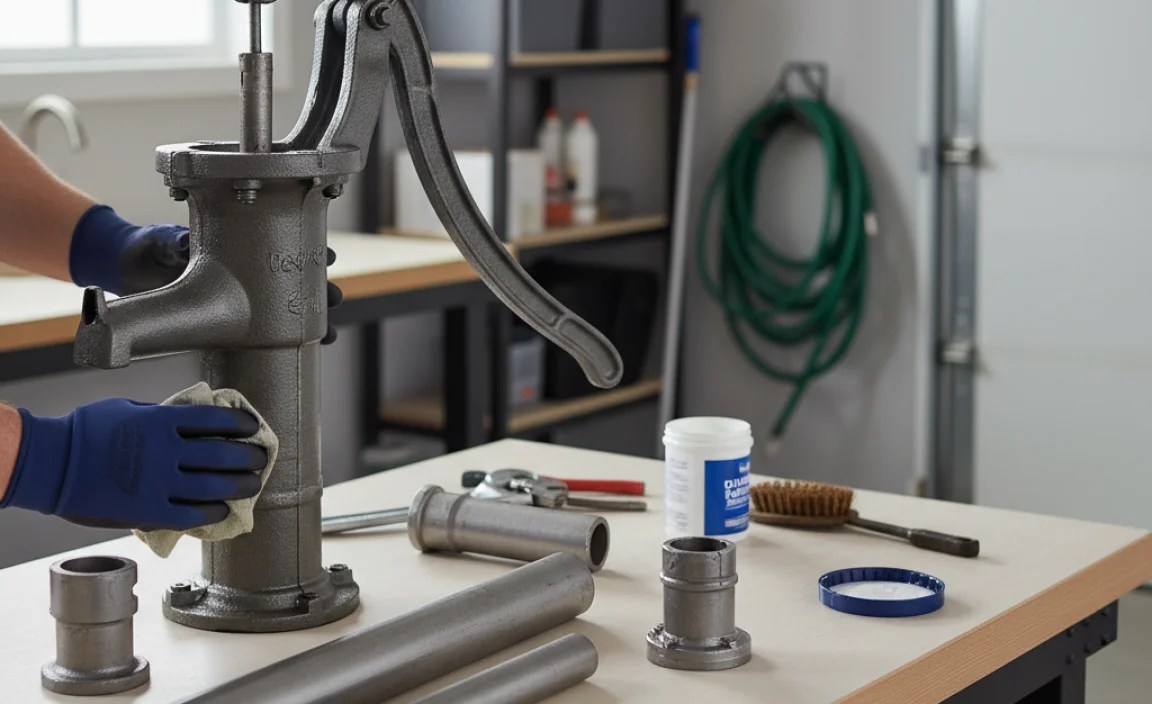
Before you stash your hand pump away for the winter, it’s essential to give it a little TLC. This preparation will prevent damage and ensure it’s ready for action when the weather warms up. Here’s a step-by-step guide.
Step 1: Cleaning Your Hand Pump
Dirt and grime can trap moisture and lead to corrosion. A thorough cleaning is the first line of defense.
- Gather Your Supplies: You’ll need warm water, mild soap (like dish soap), a soft brush or cloth, and a clean, dry towel.
- Disassemble (If Possible): Some pumps can be partially disassembled. Check your pump’s manual. This allows for deeper cleaning. If you can’t disassemble it, don’t force it.
- Wash the Exterior: Use the soapy water and brush to scrub the outside of the pump. Pay attention to crevices and areas where dirt accumulates.
- Clean the Nozzle: The pump nozzle often gets gunked up with road grime. Use a small brush or cotton swab to clean inside the nozzle.
- Rinse Thoroughly: Make sure to rinse all soap residue from the pump. Soap can attract moisture and cause corrosion.
- Dry Completely: Use a clean towel to dry the pump thoroughly. Allow it to air dry for a few hours to ensure all moisture is gone.
Step 2: Lubricating the Moving Parts
Lubrication prevents parts from sticking and protects against rust. Choose the right lubricant for your pump.
- Choose Your Lubricant: Silicone spray or light machine oil (like sewing machine oil) works well. Avoid using heavy grease, as it can stiffen in cold temperatures.
- Apply Lubricant: Apply a small amount of lubricant to the piston rod, handle joints, and any other moving parts.
- Work the Pump: Pump the handle several times to distribute the lubricant evenly.
- Wipe Away Excess: Use a clean cloth to wipe away any excess lubricant. This prevents dirt from sticking to the pump.
Step 3: Inspecting for Damage
Winter is a good time to check for wear and tear. Identifying problems now allows you to address them before the next riding season.
- Check the Hose: Look for cracks, kinks, or signs of wear on the hose. Replace the hose if necessary.
- Inspect the Nozzle: Make sure the nozzle is in good condition and seals properly. Replace it if it’s damaged.
- Examine the Handle: Check the handle for cracks or looseness. Tighten any loose screws or bolts.
- Test the Pressure Gauge (If Applicable): If your pump has a pressure gauge, make sure it’s accurate. Compare it to another gauge if possible.
Choosing the Right Storage Location

Where you store your hand pump is just as important as how you prepare it. The ideal storage location is dry, temperature-controlled, and protected from the elements.
Ideal Storage Conditions
- Dry Environment: Moisture is the enemy. Avoid damp basements, sheds, or garages.
- Temperature Control: Extreme temperatures can damage rubber and plastic components. Aim for a stable, moderate temperature.
- Protection from Sunlight: UV rays can degrade rubber and plastic over time. Store your pump away from direct sunlight.
Best Storage Locations
- Inside Your Home: A closet, spare room, or under the bed are all good options.
- Heated Garage: If your garage is heated and relatively dry, it can be a suitable storage location.
- Storage Unit: If you have a storage unit, make sure it’s climate-controlled.
Worst Storage Locations
- Unheated Shed or Garage: These locations are often damp and subject to extreme temperature fluctuations.
- Outdoors: Never leave your hand pump outside, even if it’s covered.
- Damp Basement: Basements are often humid and prone to flooding.
Additional Tips for Winter Storage
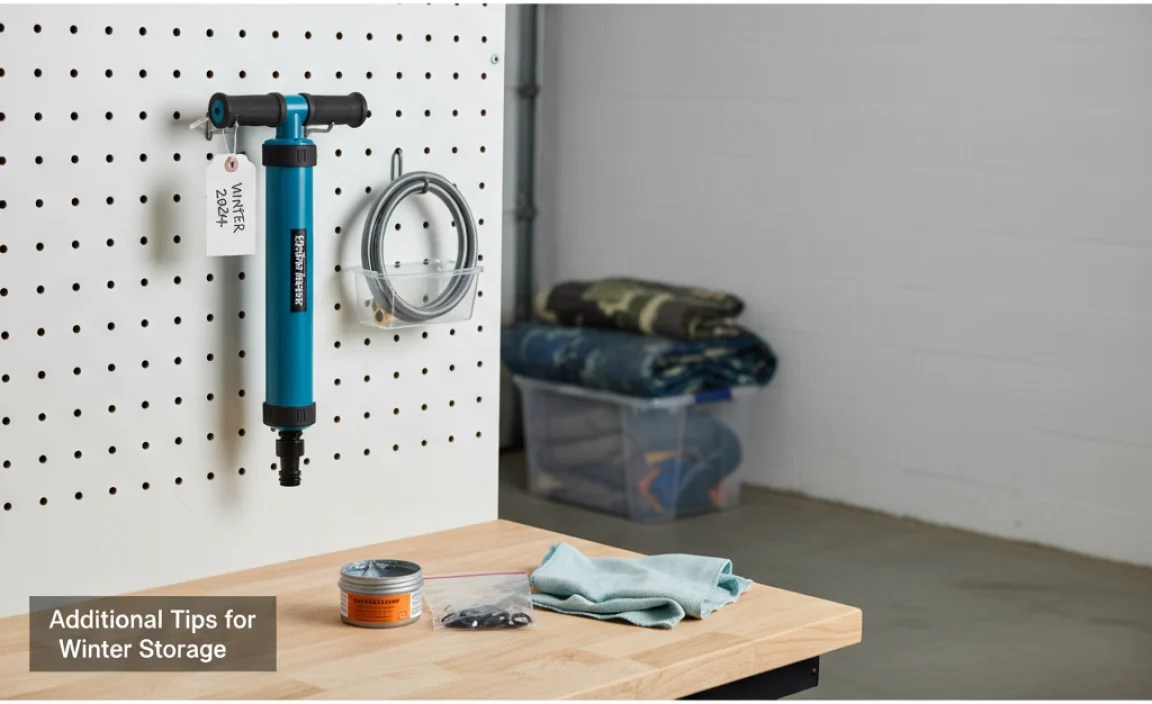
Here are a few extra tips to help you keep your hand pump in top condition during the winter months.
Using a Storage Bag
A storage bag provides an extra layer of protection against dust, moisture, and pests.
- Choose the Right Bag: A plastic zip-top bag or a cloth bag works well.
- Seal the Bag: If using a plastic bag, make sure it’s sealed tightly to keep out moisture.
- Consider Desiccants: Adding a desiccant pack (like silica gel) inside the bag can help absorb any remaining moisture.
Caring for Rubber and Leather Parts
Rubber and leather components can dry out and crack over time. Proper care will keep them flexible and functional.
- Apply a Preservative: Use a rubber or leather conditioner to keep these parts supple.
- Store in a Sealed Bag: This helps maintain humidity and prevents drying.
- Avoid Extreme Temperatures: Extreme heat or cold can damage these materials.
Periodic Checks
Even in storage, it’s a good idea to check your hand pump periodically.
- Inspect for Moisture: Look for signs of condensation or rust.
- Re-Lubricate: If the lubricant has dried out, apply a fresh coat.
- Move the Handle: Pump the handle a few times to keep the internal parts moving freely.
Understanding Hand Pump Types and Materials
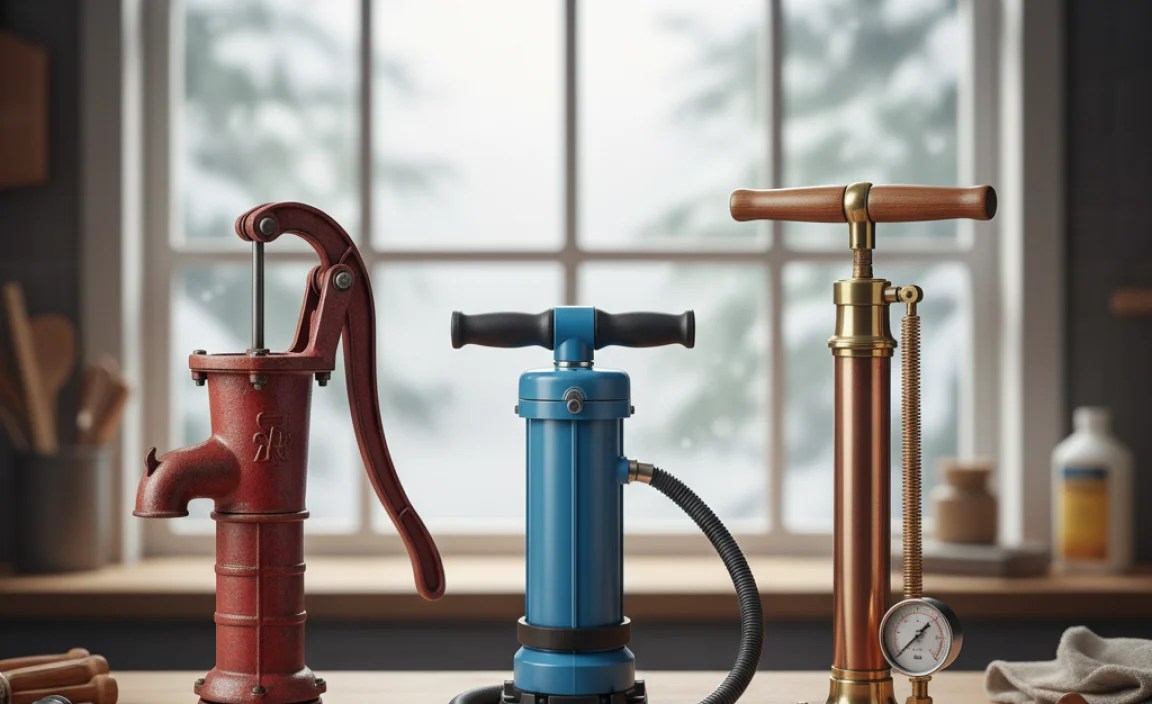
Different types of hand pumps require slightly different storage considerations. Here’s a breakdown:
Floor Pumps
Floor pumps are larger and typically used in a garage or workshop. Their size makes them less prone to theft but still vulnerable to environmental damage if not stored properly.
- Material Matters: Floor pumps often have metal barrels and plastic bases. Metal is prone to rust, while plastic can become brittle in cold temperatures.
- Storage Needs: Store them indoors, ideally hanging on a wall to prevent moisture accumulation at the base.
Mini Pumps
Mini pumps are compact and designed for on-the-go use. They are more likely to be exposed to the elements during rides, making proper cleaning and drying crucial before winter storage.
- Material Matters: Mini pumps can have aluminum or carbon fiber bodies, with internal parts made of rubber or plastic.
- Storage Needs: Clean them thoroughly to remove road grime, and store them in a dry place, ideally in a bag to protect against dust and moisture.
Frame-Mounted Pumps
Frame-mounted pumps attach directly to your bike frame. They are convenient but exposed to the elements during rides.
- Material Matters: These pumps often have plastic or aluminum bodies, with rubber seals.
- Storage Needs: Remove them from your bike before winter storage. Clean and lubricate them, and store them indoors in a dry place.
Material-Specific Considerations
The materials your hand pump is made from will influence how you should store it.
| Material | Common Issues in Winter | Storage Recommendations |
|---|---|---|
| Metal (Steel, Aluminum) | Rust, Corrosion | Clean thoroughly, lubricate, store in a dry place, use a desiccant. |
| Plastic | Brittleness, Cracking | Store in a temperature-controlled environment, avoid direct sunlight. |
| Rubber | Drying, Cracking | Apply a rubber preservative, store in a sealed bag. |
| Leather | Drying, Stiffness | Apply a leather conditioner, store in a sealed bag. |
Common Mistakes to Avoid
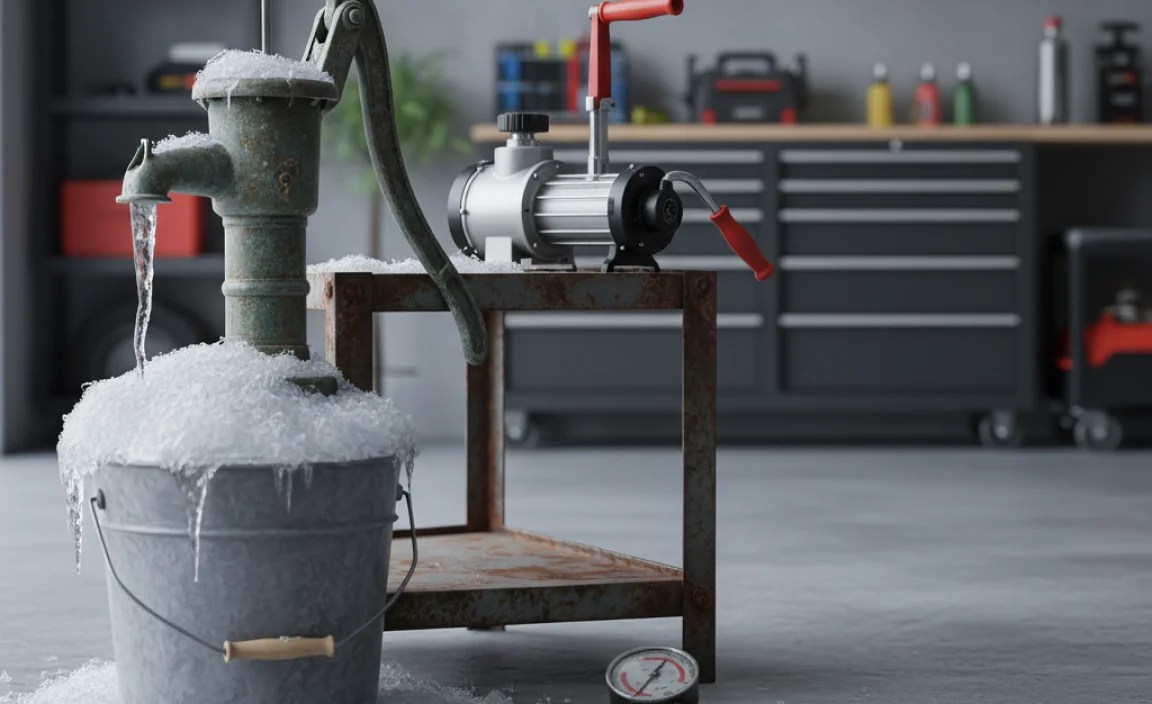
Even with the best intentions, it’s easy to make mistakes when storing your hand pump. Here are some common pitfalls to avoid.
Forgetting to Clean
Skipping the cleaning step can lead to corrosion and damage. Always clean your pump before storing it.
Using the Wrong Lubricant
Heavy grease can stiffen in cold temperatures, making the pump difficult to use. Stick to silicone spray or light machine oil.
Storing in a Damp Location
Moisture is a pump’s worst enemy. Avoid storing your pump in damp basements, sheds, or garages.
Ignoring Rubber and Leather Parts
Rubber and leather can dry out and crack if not properly cared for. Use a preservative and store them in a sealed bag.
Overlooking Damage
Ignoring signs of wear and tear can lead to bigger problems down the road. Inspect your pump for damage before storing it.
Tools and Products You’ll Need
Having the right tools and products on hand will make the winter storage process much easier. Here’s a list of essentials.
- Warm Water: For cleaning the pump.
- Mild Soap: Dish soap works well.
- Soft Brush or Cloth: For scrubbing the pump.
- Clean, Dry Towel: For drying the pump.
- Silicone Spray or Light Machine Oil: For lubricating moving parts.
- Rubber or Leather Conditioner: For preserving rubber and leather components.
- Plastic Zip-Top Bag or Cloth Bag: For storing the pump.
- Desiccant Pack (Silica Gel): For absorbing moisture.
- Small Screwdriver Set: For tightening loose screws (if needed).
Troubleshooting Common Problems
Even with proper storage, you might encounter issues when you pull your hand pump out of storage in the spring. Here are some common problems and how to fix them.
Pump is Stiff
If the pump handle is difficult to move, the lubricant may have dried out. Apply a fresh coat of silicone spray or light machine oil and work the pump handle to distribute it.
Nozzle Won’t Seal
If the nozzle isn’t sealing properly, it may be dirty or damaged. Clean the nozzle with a small brush or cotton swab. If it’s damaged, replace it.
Hose is Cracked
If the hose is cracked or damaged, replace it. You can usually find replacement hoses at your local bike shop or online.
Pressure Gauge is Inaccurate
If the pressure gauge is inaccurate, it may need to be calibrated or replaced. Compare it to another gauge to confirm the accuracy.
FAQ: Storing Hand Pump During Winter
1. Can I store my hand pump in the garage during winter?
It depends. If your garage is heated and stays relatively dry, it’s okay. But if it’s unheated and prone to dampness, avoid it. Moisture and extreme temperatures can damage your pump.
2. Do I need to disassemble my hand pump before storing it?
Not necessarily. If you can easily disassemble it without forcing anything, it can help with cleaning and lubrication. But if it’s difficult, just clean and lubricate the exterior moving parts.
3. What kind of lubricant should I use on my hand pump?
Silicone spray or light machine oil works best. Avoid heavy grease, as it can stiffen in cold temperatures and make the pump harder to use.
4. How often should I check on my hand pump during winter storage?
Checking once a month is a good idea. Look for signs of moisture or dried-out lubricant. Pump the handle a few times to keep the internal parts moving.
5. Can I use WD-40 as a lubricant for my hand pump?
WD-40 is more of a solvent than a lubricant. While it can help clean, it’s not the best choice for long-term lubrication. Use silicone spray or light machine oil instead.
6. Should I deflate the hose completely before storing the hand pump?
Yes, it’s a good idea to release any remaining air pressure from the hose. This helps prevent the hose from becoming stressed or cracked during storage.
7. Is it okay to store my hand pump in a plastic bag?
Yes, storing your hand pump in a sealed plastic bag can help protect it from dust and moisture. Consider adding a desiccant pack (like silica gel) to absorb any remaining moisture inside the bag.
Conclusion
Taking a few minutes to properly prepare and store your hand pump for winter will pay off big time when spring rolls around. By cleaning, lubricating, and storing it in a dry, temperature-controlled location, you’ll prevent rust, stiffness, and other damage. This means your pump will be ready to go when you are, saving you time and money in the long run.
So, before you hang up your cycling shoes for the winter, take the time to give your hand pump the TLC it deserves. You’ll be glad you did when you’re back on the road next season, effortlessly inflating your tires and enjoying the ride. Happy cycling!


