
How to Pump Bike Tyre at Night with Hand Pump: Easy!

Quick Summary: Pumping a bike tire at night with a hand pump requires a few extra steps to ensure safety and accuracy. You’ll need a reliable light source like a headlamp or flashlight, and it’s a good idea to wear reflective gear to stay visible. Find the valve, attach the pump securely, and use smooth, controlled strokes to inflate the tire to the recommended pressure. Check the pressure frequently to avoid over-inflation, and double-check the valve connection before you ride.
Finding yourself with a flat tire at night can be frustrating, especially when you’re far from home. But don’t worry! Pumping up your bike tire with a hand pump in the dark is totally manageable with a bit of preparation. It might seem daunting, but with the right steps, you can quickly get back on the road safely. This guide will walk you through each stage, from setting up your workspace to ensuring your tire is perfectly inflated. We’ll also cover essential safety tips to keep you visible and secure throughout the process.
In this article, we’ll cover everything you need to know to confidently pump your bike tire at night. We’ll start with gathering your tools and setting up your workspace, then move on to the actual pumping process, and finish with safety tips and maintenance advice. Let’s get started!
Preparing to Pump Your Bike Tire at Night

Before you even think about touching your hand pump, it’s important to get organized. Here’s what you need to do to prepare:
Gather Your Tools and Gear
First, make sure you have everything you need readily available. This will prevent fumbling around in the dark and make the process smoother. Here’s a checklist:
- Hand Pump: A reliable hand pump that fits your bike’s valve type (Presta or Schrader).
- Light Source: A headlamp or flashlight to illuminate the valve and pressure gauge.
- Tire Levers (if needed): In case you need to remove the tire to check for punctures.
- Spare Tube (if needed): If the tire is damaged beyond repair.
- Multi-tool: For minor adjustments.
- Rag: To wipe your hands and the valve.
- Reflective Gear: A reflective vest or ankle bands to enhance visibility.
Set Up a Safe Workspace
Safety is paramount, especially at night. Choose a flat, stable surface away from traffic. Here’s how to set up:
- Location: Pick a spot away from the road, preferably on a sidewalk or grassy area.
- Lighting: Position your light source to clearly illuminate the valve and the pump.
- Visibility: Wear your reflective gear to ensure you’re seen by passing vehicles.
Identify Your Bike’s Valve Type
Knowing your valve type is crucial for attaching the pump correctly. There are two main types:
- Presta: Narrower with a locking nut at the tip.
- Schrader: Wider, similar to car tire valves.
Make sure your hand pump is compatible with your valve type. Some pumps have dual heads that can accommodate both.
Step-by-Step Guide to Pumping Your Bike Tire

Now that you’re prepared, let’s get to the actual pumping process. Follow these steps carefully:
Step 1: Locate the Valve
Find the valve on your tire. It’s usually covered by a small cap. Remove the cap and set it aside in a safe place so you don’t lose it.
Step 2: Prepare the Valve
Depending on your valve type, the preparation will be slightly different:
- Presta Valve: Unscrew the locking nut at the tip of the valve. Gently press the valve core to release a small amount of air. This ensures the valve isn’t stuck.
- Schrader Valve: No preparation needed. Just make sure the valve is clean.
Step 3: Attach the Hand Pump
Now, attach the hand pump to the valve. Follow these steps:
- Position the Pump Head: Align the pump head with the valve.
- Secure the Connection: Press the pump head firmly onto the valve. Some pumps have a lever to lock the connection in place. Make sure it’s properly engaged.
- Check the Seal: Ensure there are no air leaks around the connection. If you hear hissing, readjust the pump head until the seal is tight.
Step 4: Begin Pumping
Start pumping using smooth, controlled strokes. Here’s how to do it effectively:
- Grip: Hold the pump handle firmly with both hands.
- Motion: Use your body weight to push down on the pump. Avoid jerky movements.
- Rhythm: Maintain a steady rhythm to efficiently inflate the tire.
Step 5: Monitor the Pressure
Keep a close eye on the tire pressure while pumping. Most hand pumps have a built-in gauge, but it can be hard to read in the dark. Here’s what to do:
- Use Your Light: Shine your light directly on the pressure gauge to read it accurately.
- Check the Recommended PSI: Look for the recommended pressure range printed on the sidewall of your tire. It’s usually indicated in PSI (pounds per square inch).
- Avoid Over-Inflation: Do not exceed the maximum pressure limit. Over-inflating can cause the tire to burst.
Step 6: Detach the Pump
Once the tire is inflated to the correct pressure, detach the pump carefully:
- Release the Lever: If your pump has a locking lever, disengage it.
- Remove the Pump Head: Gently pull the pump head straight off the valve.
Step 7: Secure the Valve
After detaching the pump, secure the valve:
- Presta Valve: Screw the locking nut back down on the valve.
- Both Valves: Replace the valve cap to keep dirt and debris out.
Troubleshooting Common Issues
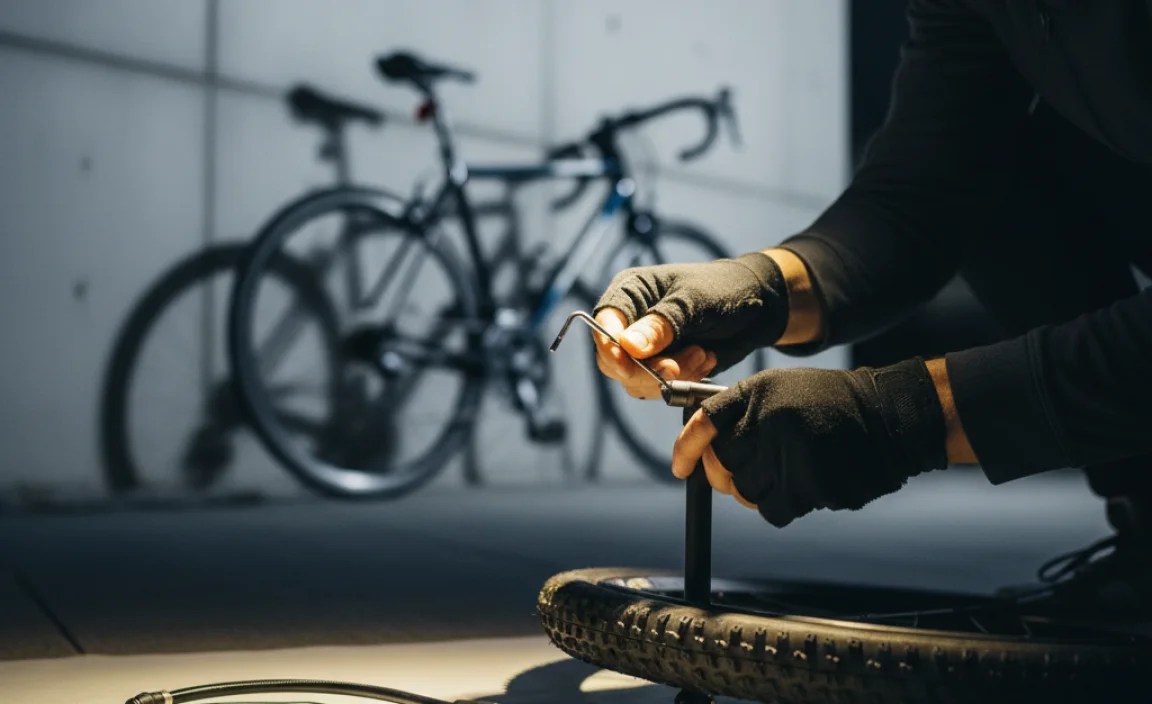
Sometimes, things don’t go as planned. Here are some common issues and how to address them:
Air Leaks
If you hear air leaking while pumping, it could be due to a poor connection between the pump head and the valve. Try these solutions:
- Readjust the Pump Head: Make sure the pump head is firmly seated on the valve.
- Check the Seal: Ensure the rubber seal inside the pump head is in good condition. Replace it if necessary.
- Tighten the Valve Core: For Presta valves, make sure the valve core is tightened.
Pump Won’t Attach
If you’re having trouble attaching the pump, check these:
- Valve Compatibility: Ensure your pump head is compatible with your valve type.
- Valve Condition: Check the valve for damage or debris. Clean it if necessary.
- Pump Head Condition: Inspect the pump head for damage or blockage.
Tire Won’t Inflate
If the tire isn’t inflating, consider these possibilities:
- Puncture: Check the tire for punctures. If you find one, replace the tube or use a patch kit.
- Valve Issues: Ensure the valve core is functioning correctly. For Presta valves, make sure the locking nut is unscrewed.
- Pump Malfunction: Test the pump on another bike to see if it’s working correctly.
Essential Safety Tips for Nighttime Pumping

Pumping a bike tire at night comes with additional safety considerations. Here’s how to stay safe:
Visibility
Make sure you are visible to others:
- Wear Reflective Gear: A reflective vest, ankle bands, or clothing can significantly increase your visibility.
- Use Lights: In addition to your headlamp or flashlight, consider using bike lights to alert drivers and pedestrians.
Awareness
Pay attention to your surroundings:
- Traffic: Be aware of passing vehicles. Choose a safe location away from traffic.
- Pedestrians: Watch out for pedestrians, especially in dimly lit areas.
- Road Hazards: Be mindful of potholes, debris, and other hazards on the road.
Communication
If possible, let someone know where you are and when you expect to be back. Carry a cell phone in case of emergencies.
Choosing the Right Hand Pump

Not all hand pumps are created equal. Here’s what to look for when choosing a hand pump for nighttime use:
Type of Pump
There are two main types of hand pumps:
- Mini Pumps: Compact and lightweight, ideal for carrying on rides.
- Frame-Mounted Pumps: Larger and more efficient, usually attached to the bike frame.
Features to Consider
When selecting a hand pump, consider these features:
- Pressure Gauge: An accurate pressure gauge is essential for avoiding over-inflation.
- Valve Compatibility: Choose a pump that works with both Presta and Schrader valves.
- Ergonomic Handle: A comfortable handle can make pumping easier, especially in cold weather.
- Durable Construction: Look for a pump made from high-quality materials that can withstand regular use.
Recommended Hand Pumps
Here are a few highly-rated hand pumps that are great for nighttime use:
- Lezyne Road Drive: Compact and efficient with a reliable pressure gauge.
- Topeak RaceRocket HP: Lightweight and easy to use, with a built-in hose for added convenience.
- Blackburn Core Pro Mini-Pump: Durable and versatile, with a dual-valve head.
Maintaining Your Hand Pump
Regular maintenance can extend the life of your hand pump and ensure it’s always ready when you need it. Here are some tips:
Cleaning
Keep your hand pump clean by wiping it down with a damp cloth after each use. Pay attention to the pump head, which can accumulate dirt and debris.
Lubrication
Occasionally lubricate the moving parts of the pump with a light oil or silicone spray. This will keep the pump working smoothly.
Seal Replacement
The rubber seals inside the pump head can wear out over time. Replace them as needed to maintain a tight seal.
Nighttime Bike Maintenance Checklist
To ensure you’re always prepared for nighttime rides, keep this checklist handy:
- Lights: Check your bike lights before each ride to ensure they are working properly.
- Tires: Inspect your tires for wear and tear. Inflate them to the recommended pressure.
- Brakes: Test your brakes to make sure they are responsive.
- Chain: Lubricate your chain regularly to keep it running smoothly.
- Reflectors: Ensure your bike has reflectors on the front, rear, and pedals.
- Tools: Carry a basic tool kit with you, including a hand pump, tire levers, and a multi-tool.
Table: Hand Pump Comparison
| Hand Pump Model | Type | Pressure Gauge | Valve Compatibility | Key Features | Price Range |
|---|---|---|---|---|---|
| Lezyne Road Drive | Mini Pump | Yes | Presta & Schrader | Compact, efficient, reliable gauge | $40 – $50 |
| Topeak RaceRocket HP | Mini Pump | No (optional) | Presta & Schrader | Lightweight, built-in hose | $30 – $40 |
| Blackburn Core Pro Mini-Pump | Mini Pump | Yes | Presta & Schrader | Durable, dual-valve head | $35 – $45 |
| Pro Bike Tool Mini Bike Pump | Mini Pump | Yes | Presta & Schrader | Compact, high pressure, frame mount | $25 – $35 |
Table: Troubleshooting Guide
| Problem | Possible Cause | Solution |
|---|---|---|
| Air Leaks | Poor pump-valve connection | Readjust pump head, check seal |
| Pump Won’t Attach | Valve incompatibility | Ensure correct valve type |
| Tire Won’t Inflate | Puncture | Replace tube or use patch kit |
| Low Pressure Reading | Faulty gauge | Use separate pressure gauge |
Frequently Asked Questions (FAQs)
1. What type of light is best for pumping a tire at night?
A headlamp is ideal because it keeps your hands free. A bright flashlight also works well, but you’ll need to position it carefully to see both the valve and the pressure gauge.
2. How do I know the correct tire pressure for my bike?
The recommended tire pressure is usually printed on the sidewall of your tire. It’s typically indicated in PSI (pounds per square inch). Make sure not to exceed the maximum pressure limit.
3. What should I do if I can’t remove the tire from the rim?
Use tire levers to gently pry the tire off the rim. Insert one lever under the tire bead and hook it onto a spoke. Insert the second lever a few inches away and pry that section of the tire off. Then, you can usually slide one lever around the rim to remove the rest of the tire.
4. Is it safe to use a CO2 inflator at night?
Yes, CO2 inflators are safe to use at night, but they can be tricky. Be careful when handling the CO2 cartridge, as it can get very cold. Also, make sure to dispose of the empty cartridge properly.
5. How can I prevent getting a flat tire at night?
Use tires with puncture-resistant technology, regularly check your tire pressure, and avoid riding through areas with debris or broken glass. Consider using tire sealant to automatically seal small punctures.
6. What reflective gear is most effective for nighttime cycling?
A reflective vest provides excellent visibility from all angles. Ankle bands are also effective because they move as you pedal, catching the attention of drivers. Reflective tape on your bike and helmet can further enhance visibility.
7. Can I use a car tire pump on my bike?
While some car tire pumps can attach to Schrader valves, they often deliver too much air pressure too quickly for a bicycle tire. It’s better to use a hand pump or a pump specifically designed for bicycles to avoid over-inflation.
Conclusion
Pumping a bike tire at night doesn’t have to be a stressful experience. By following these steps and prioritizing safety, you can quickly and confidently inflate your tires and get back on the road. Remember to gather your tools, set up a safe workspace, and double-check your tire pressure. With a little practice, you’ll be able to handle nighttime tire inflation like a pro. Stay safe, stay visible, and enjoy the ride!


