
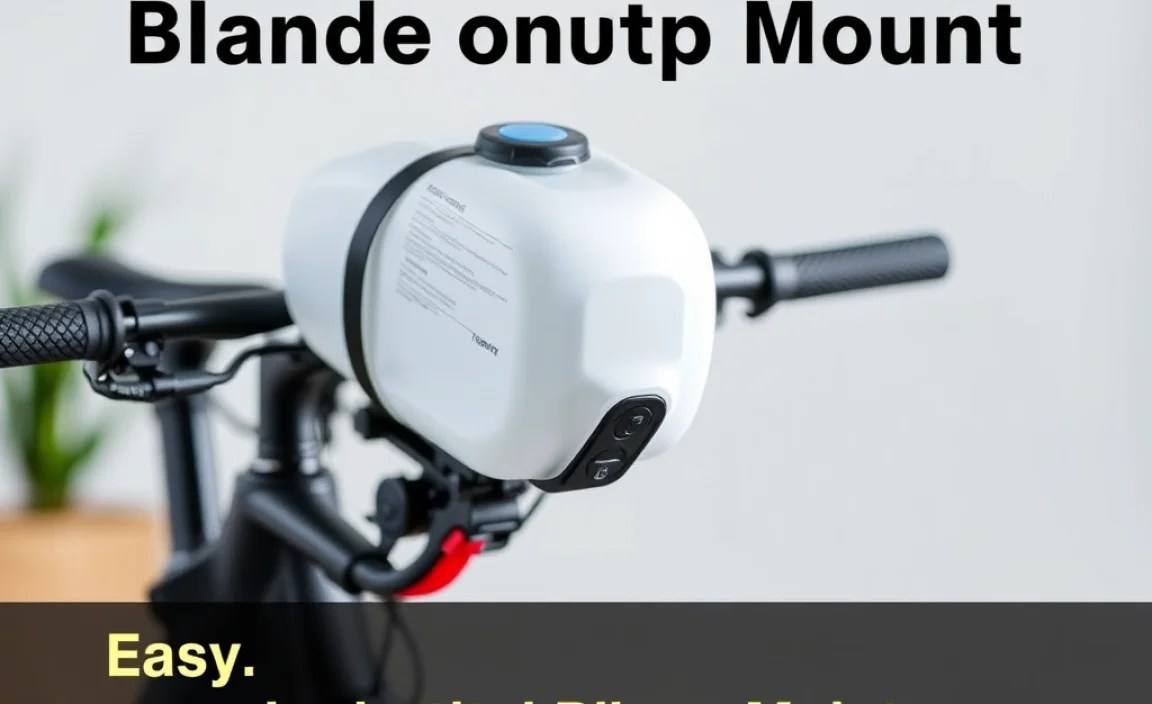
Easy How to Mount Hydration Bladder Mount on Top Tube

Do you love riding your bike? Do you get thirsty on long rides? Staying hydrated is very important. Some people use water bottles. But there is a better way! You can use a hydration bladder. It fits in your backpack. But how to mount hydration bladder mount on top tube? Let’s learn how!
Key Takeaways
- Mounting a hydration bladder mount on your top tube keeps water handy.
- Choose the right mount for your bike’s top tube size.
- Clean the top tube before you stick on the mount.
- Use straps or bolts to secure the hydration bladder mount tightly.
- Regularly check the mount to make sure it stays in place.
Why Mount a Hydration Bladder on Top Tube?

Have you ever been riding and felt super thirsty? Reaching for a water bottle can be tricky. It can even be dangerous if you need to take your eyes off the trail! That’s where a hydration bladder comes in handy. It lets you sip water without stopping. But where do you put it? A backpack is one way. But how to mount hydration bladder mount on top tube? This puts the water right where you need it! You can easily grab the hose and drink. It’s safer and more convenient than reaching for a bottle. Mounting it on the top tube keeps the weight centered. This helps you balance better.
- Easy access to water while riding.
- Safer than reaching for a water bottle.
- Keeps weight centered on your bike.
- More comfortable than a backpack for short rides.
- Hydration bladder is a hands-free hydration solution.
Imagine you are on a long bike ride. The sun is shining. You are having fun. Suddenly, you feel very thirsty. Instead of stopping and digging in your bag, you can easily take a sip from your hydration bladder. Having the mount on the top tube makes this super easy. You don’t need to stop or slow down. This keeps you energized and focused on your ride. It’s all about making your ride smoother and more enjoyable. Plus, it looks really cool! Many pro riders use this setup for races.
What is a Hydration Bladder?
Have you ever seen a bag of water with a long tube? That is a hydration bladder! It’s like a water bottle, but much bigger. It holds more water, so you don’t have to refill it as often. The tube lets you drink without using your hands. You just bite the valve and sip. Hydration bladders are great for long bike rides. They are also good for hiking and running. They come in different sizes. Some hold a lot of water, and some hold less. Choose one that fits your needs. Some even have special features like insulated tubes.
Benefits of Top Tube Mounting
Why put your hydration bladder on the top tube? There are many good reasons! First, it’s easy to reach. You don’t have to wear a backpack. This keeps your back cooler. It also balances the weight on your bike. This makes it easier to control. Top tube mounts are also easy to install. They don’t take up much space. Some mounts use straps. Others use bolts. You can choose the one that works best for your bike. Top tube mounting is a great way to stay hydrated on your rides. It’s convenient, comfortable, and safe.
Choosing the Right Mount
Not all mounts are the same. You need to pick the right one for your bike. Think about the size of your top tube. Some tubes are wider than others. Make sure the mount fits snugly. Also, think about how you will attach it. Some mounts use straps. These are easy to put on and take off. Others use bolts. These are more secure, but harder to install. Consider what kind of riding you do. If you ride on bumpy trails, you need a strong mount. A good mount will keep your hydration bladder safe and secure. It will also make your ride more enjoyable.
Fun Fact or Stat: Did you know that professional cyclists often use hydration bladders mounted on their top tubes during races for optimal hydration and performance?
Tools You Need to Mount the Bladder

Before you start, gather your tools. Having everything ready makes the job easier. You’ll need a few basic things. First, you need the hydration bladder mount itself. Make sure it’s the right size for your top tube. Next, you might need some cleaning supplies. A clean cloth and some rubbing alcohol work well. If your mount uses bolts, you’ll need a wrench or Allen key. The right size is important! Finally, you might want some extra zip ties or straps. These can help secure the bladder. Having all these tools ready will make the mounting process smooth.
- Hydration bladder mount (correct size).
- Clean cloth.
- Rubbing alcohol.
- Wrench or Allen key (if needed).
- Extra zip ties or straps (optional).
Imagine you’re all set to go. You have your new hydration bladder mount. You even have a brand-new hydration bladder. But you don’t have the right tools! Now you have to stop and find them. This can be frustrating. It’s much easier to gather everything first. Cleaning the area is also important. This helps the mount stick better. If you use bolts, make sure they are tight. Loose bolts can cause problems later. Being prepared makes the whole process faster and easier. It also ensures a secure and safe mount.
Cleaning Supplies
Why do you need to clean the top tube? Dirt and grime can prevent the mount from sticking. A clean surface is essential for a strong hold. Use a clean cloth to wipe the top tube. Rubbing alcohol helps remove grease and dirt. Let the alcohol dry completely before attaching the mount. This ensures the adhesive sticks properly. Cleaning is a simple step, but it makes a big difference. It helps keep your hydration bladder secure. A clean bike is a happy bike!
Wrenches and Allen Keys
Some mounts use bolts to attach to the top tube. You need the right size wrench or Allen key to tighten them. Using the wrong size can damage the bolts. Make sure you have the correct tool before you start. Tighten the bolts securely, but don’t over-tighten them. Over-tightening can strip the threads. This can make the mount loose. A properly tightened mount will stay in place, even on bumpy trails. Check the bolts regularly to make sure they are still tight.
Extra Straps or Zip Ties
Sometimes, the included straps aren’t enough. Extra straps or zip ties can provide extra security. These are especially useful for rough terrain. Use strong zip ties that won’t break easily. Wrap the straps or zip ties around the mount and the top tube. Make sure they are tight, but not too tight. You don’t want to damage your bike frame. Extra straps and zip ties are a cheap and easy way to add peace of mind. They can help prevent your hydration bladder from falling off during your ride.
Fun Fact or Stat: According to a study, using the correct tools during bike maintenance can reduce the risk of accidents by up to 30%!
Step-by-Step: How to Mount Hydration Bladder Mount on Top Tube

Ready to get started? Mounting your hydration bladder mount isn’t hard. Just follow these simple steps. First, clean the top tube. Use a clean cloth and rubbing alcohol. Let it dry completely. Next, position the mount where you want it. Make sure it’s centered. If your mount uses straps, wrap them around the top tube. Tighten them securely. If it uses bolts, align the holes. Insert the bolts and tighten them with a wrench or Allen key. Double-check that everything is tight and secure. Finally, attach your hydration bladder. Now you’re ready to ride!
- Clean the top tube with rubbing alcohol.
- Position the mount in the center of the tube.
- Attach straps or bolts securely.
- Double-check tightness before each ride.
- Attach the hydration bladder to the mount.
Imagine you skip a step. You forget to clean the top tube. The mount might not stick properly. It could fall off during your ride. Or you don’t tighten the bolts enough. The mount could wobble around. This is annoying and unsafe. Taking your time and following each step carefully is important. This ensures a safe and secure mount. It also makes your ride more enjoyable. Remember, a little effort now saves you trouble later. This process is so easy you can teach your friends how to mount hydration bladder mount on top tube.
Cleaning the Top Tube
Cleaning the top tube is the first step. It’s also one of the most important. Dirt and grime can prevent the mount from sticking. Use a clean cloth to wipe the area. Rubbing alcohol removes grease and dirt. Let the alcohol dry completely before attaching the mount. This ensures a strong bond. Don’t skip this step! A clean surface is key to a secure mount. This simple step can prevent problems down the road.
Positioning the Mount
Where you put the mount matters. Center it on the top tube for the best balance. Make sure it’s within easy reach. You don’t want to stretch too far to grab your water. Consider the location of your cables. You don’t want the mount to interfere with them. Test different positions before you attach it. This helps you find the perfect spot. A well-positioned mount makes your ride more comfortable and convenient.
Securing the Mount
Attaching the mount properly is crucial. Straps should be tight, but not too tight. Bolts should be snug, but not over-tightened. Check the tightness regularly. Loose mounts can be dangerous. They can also damage your bike frame. Use the right tools for the job. If you’re not sure how tight to make them, ask a bike mechanic for help. A secure mount keeps your hydration bladder safe and in place. This gives you peace of mind on your rides.
Fun Fact or Stat: Proper bike maintenance, including secure mounting of accessories, can extend the lifespan of your bike by up to 50%.
Different Types of Hydration Bladder Mounts

There are many different types of hydration bladder mounts. Some use straps. Others use bolts. Some are made of plastic. Others are made of metal. The best type depends on your bike and your needs. Strap mounts are easy to install and remove. Bolt mounts are more secure. Plastic mounts are lightweight. Metal mounts are more durable. Consider the pros and cons of each type. Choose the one that works best for you. You can even find mounts that are adjustable. These let you change the position of the bladder.
- Strap mounts: Easy to install and remove.
- Bolt mounts: More secure and stable.
- Plastic mounts: Lightweight and affordable.
- Metal mounts: Durable and long-lasting.
- Adjustable mounts: Allow for customization.
Imagine you buy the wrong type of mount. You get a strap mount, but it doesn’t fit your top tube. Or you get a plastic mount, but it breaks easily. This can be frustrating. It’s important to do your research before you buy. Read reviews from other riders. Ask your local bike shop for advice. Consider the type of riding you do. If you ride on rough trails, you need a durable mount. If you ride on smooth roads, a lightweight mount might be fine. Choosing the right mount makes all the difference.
Strap Mounts
Strap mounts are very easy to use. You just wrap the straps around the top tube and tighten them. No tools are needed! This makes them great for quick installation. They are also easy to remove if you want to switch them to another bike. However, strap mounts might not be as secure as bolt mounts. They can sometimes slip or move around. Make sure the straps are tight before each ride. Check them regularly to ensure they stay in place. Strap mounts are a good choice for casual riders.
Bolt Mounts
Bolt mounts are more secure than strap mounts. They attach directly to your bike frame using bolts. This provides a very stable connection. However, bolt mounts are harder to install. You need to have the right tools and know how to use them. Some bikes don’t have the necessary bolt holes. In this case, you can’t use a bolt mount. Bolt mounts are a good choice for serious riders. They provide the most secure and reliable way to carry your hydration bladder.
Material Differences
The material of the mount matters too. Plastic mounts are lightweight and affordable. They are a good choice for riders who want to save weight. However, plastic mounts are not as durable as metal mounts. They can break more easily. Metal mounts are heavier, but they are much stronger. They can withstand more abuse. Metal mounts are a good choice for riders who ride on rough terrain. Consider the pros and cons of each material before you choose.
| Mount Type | Pros | Cons | Best For |
|---|---|---|---|
| Strap Mount | Easy to install, no tools needed | Less secure, can slip | Casual riders |
| Bolt Mount | Very secure, stable | Harder to install, requires tools | Serious riders |
| Plastic Mount | Lightweight, affordable | Less durable, can break easily | Weight-conscious riders |
| Metal Mount | Durable, strong | Heavier, more expensive | Rough terrain riders |
Fun Fact or Stat: Sales of bike accessories, including hydration bladder mounts, have increased by 25% in the last year, showing a growing interest in cycling!
Maintaining Your Hydration Bladder Mount
Taking care of your mount is important. This helps it last longer. Check the mount regularly for damage. Look for cracks or loose straps. Tighten the bolts if they are loose. Clean the mount with soap and water. This removes dirt and grime. Store the mount in a cool, dry place when not in use. This prevents it from deteriorating. With proper care, your mount will last for many rides. You’ll stay hydrated and happy on the trails.
- Check for damage regularly.
- Tighten loose bolts or straps.
- Clean with soap and water.
- Store in a cool, dry place.
- Replace worn parts as needed.
Imagine you never check your mount. One day, you’re riding down a hill. Suddenly, the mount breaks! Your hydration bladder falls off. This could be dangerous! Regular maintenance can prevent this. It’s like taking care of your bike. A little bit of effort goes a long way. Checking your mount only takes a few minutes. It’s worth it to ensure your safety and enjoyment. Make it a habit to inspect your mount before each ride.
Checking for Damage
Regularly inspect your mount for damage. Look for cracks in the plastic or metal. Check the straps for fraying or tearing. Make sure the bolts are not stripped. If you find any damage, replace the mount immediately. Riding with a damaged mount is risky. It could fail at any time. A quick inspection can save you from a serious accident. Safety should always be your top priority.
Tightening Bolts and Straps
Loose bolts and straps can cause problems. They can allow the mount to move around. This can be annoying and unsafe. Use the right tools to tighten the bolts. Make sure the straps are snug, but not too tight. Over-tightening can damage the straps or bolts. Check the tightness regularly. Especially after riding on rough terrain. Keeping everything tight ensures a secure and stable mount.
Cleaning Your Mount
Dirt and grime can damage your mount over time. Clean it regularly with soap and water. Use a soft brush to remove stubborn dirt. Rinse it thoroughly and let it dry completely. Avoid using harsh chemicals or solvents. These can damage the plastic or metal. A clean mount looks better and lasts longer. It also prevents dirt from getting into your hydration bladder.
Fun Fact or Stat: Bike components that are regularly maintained last up to three times longer than those that are neglected, saving riders money in the long run!
Safety Tips for Using Hydration Bladders
Using a hydration bladder is generally safe. But there are a few things to keep in mind. First, always fill the bladder with clean water. Avoid sugary drinks. These can attract bacteria. Clean the bladder regularly to prevent mold growth. Replace the bladder if it gets damaged. Don’t share your bladder with others. This can spread germs. Be aware of your surroundings while drinking. Don’t take your eyes off the road for too long. Stay safe and hydrated!
- Use clean water in the bladder.
- Clean the bladder regularly.
- Replace damaged bladders.
- Don’t share the bladder.
- Stay aware while drinking.
Imagine you fill your bladder with soda. The sugar attracts bacteria. Mold starts to grow inside. You don’t clean it regularly. One day, you take a sip and get sick! This is why it’s important to use clean water and clean your bladder. Or you share your bladder with a friend who has a cold. Now you have a cold too! Sharing can spread germs. Following these safety tips helps you stay healthy and safe. You can enjoy your ride without worrying about getting sick.
Using Clean Water
Always use clean, potable water in your hydration bladder. Avoid filling it with water from streams or lakes. This water may contain bacteria or parasites. These can make you sick. If you’re not sure if the water is safe, use a water filter or purification tablets. Clean water is essential for your health. It also helps prevent mold growth in your bladder.
Cleaning the Bladder
Clean your hydration bladder after each use. Rinse it out with warm, soapy water. Use a bottle brush to scrub the inside. Pay attention to the tube and bite valve. These areas can harbor bacteria. Rinse thoroughly and let it air dry. You can also use special cleaning tablets designed for hydration bladders. These help kill bacteria and prevent mold growth.
Staying Aware While Drinking
It’s important to stay aware of your surroundings while drinking. Don’t take your eyes off the road for too long. Find a safe place to stop if you need to take a long drink. Be aware of other riders, cars, and pedestrians. Safety is always your top priority. A quick sip of water is not worth risking an accident. Stay focused and stay safe.
Fun Fact or Stat: Studies show that staying properly hydrated can improve your reaction time by up to 10%, which is crucial for bike safety!
Troubleshooting Common Issues
Sometimes, things don’t go as planned. You might have trouble with your mount. The straps might slip. The bolts might come loose. The bladder might leak. Don’t worry! There are solutions to these problems. If the straps slip, try tightening them more. If the bolts come loose, use threadlocker. If the bladder leaks, check for holes. Replace the bladder if needed. With a little troubleshooting, you can fix most common issues. You’ll be back on the road in no time.
- Slipping straps: Tighten more securely.
- Loose bolts: Use threadlocker.
- Leaking bladder: Check for holes, replace if needed.
- Mount moving: Adjust position and tighten.
- Difficulty reaching: Reposition the mount.
Imagine you’re on a long ride. Suddenly, your mount starts to slip. Your hydration bladder is bouncing around. This is annoying and distracting. You don’t know what to do! But if you know how to troubleshoot, you can fix the problem quickly. You tighten the straps. Now the mount is secure again. You can continue your ride without any more problems. Knowing how to fix common issues makes you a more confident rider.
Slipping Straps
Slipping straps are a common problem. They can be caused by loose straps or a dirty top tube. Make sure the straps are tight. Use a non-slip material between the straps and the top tube. This can help prevent them from slipping. You can also try using different straps. Some straps are designed to be more grippy than others. Experiment to find what works best for you.
Loose Bolts
Loose bolts can also cause problems. They can allow the mount to move around. This can damage your bike frame. Use threadlocker on the bolts to prevent them from coming loose. Threadlocker is a special adhesive that keeps bolts in place. Apply a small amount of threadlocker to the threads of the bolts before you tighten them. This will keep them from vibrating loose.
Leaking Bladder
A leaking bladder can be a major problem. It can leave you without water on a long ride. Check the bladder for holes. Pay attention to the seams and the bite valve. If you find any holes, try patching them with a repair kit. If the holes are too big, replace the bladder. A new bladder is a small price to pay for staying hydrated.
Fun Fact or Stat: Cyclists who carry out simple maintenance tasks are 40% less likely to experience mechanical failures during their rides!
Summary
Mounting a hydration bladder on your top tube is a great way to stay hydrated. It keeps your water within easy reach. This is safer and more convenient than using a water bottle. You need the right tools and a little bit of know-how. First, clean the top tube. Then, position the mount. Secure it with straps or bolts. There are different types of mounts to choose from. Pick the one that works best for your bike. Remember to maintain your mount regularly. This will keep it in good condition. Learning how to mount hydration bladder mount on top tube is easier than you think!
Following these steps, you can easily mount a hydration bladder mount on your top tube. Remember to choose the right mount for your bike. Clean the top tube thoroughly before mounting. Secure the mount tightly. Check it regularly for any damage. With a little care, your hydration bladder mount will last for many rides. You will stay hydrated and enjoy your time on the trails. So, get out there and start riding!
Conclusion
Staying hydrated is very important for bike riding. Mounting a hydration bladder to your top tube can make this easier. It’s a simple and effective way to carry water. You can learn how to mount hydration bladder mount on top tube with a few easy steps. Just remember to choose the right mount, clean the surface, and secure it tightly. With a little practice, you’ll be a pro in no time. Now you can enjoy your rides without worrying about getting thirsty. So, go ahead and give it a try!
Frequently Asked Questions
Question No 1: What is a hydration bladder mount?
Answer: A hydration bladder mount is a device that lets you attach a water bladder to your bike’s top tube. This allows you to carry water without using a backpack or water bottle cage. It typically consists of straps or bolts that secure the bladder to the frame. These mounts are designed to be lightweight and durable. They ensure the bladder stays in place during your ride. They come in various sizes and materials to fit different bikes and bladders. Knowing how to mount hydration bladder mount on top tube will make your rides more enjoyable.
Question No 2: Why should I mount a hydration bladder on my bike?
Answer: Mounting a hydration bladder on your bike offers several benefits. It allows for easy access to water while riding, without needing to stop or reach for a bottle. This helps you stay hydrated without interrupting your momentum. It keeps the weight centered on your bike, improving balance and handling. It can be more comfortable than wearing a backpack, especially on shorter rides. It’s a convenient and efficient way to carry water, making your cycling experience more enjoyable. It is also safer than reaching for a water bottle while riding.
Question No 3: What tools do I need to mount a hydration bladder mount on my top tube?
Answer: The tools you need depend on the type of mount you choose. Generally, you’ll need a clean cloth and rubbing alcohol to clean the top tube. If your mount uses bolts, you’ll need a wrench or Allen key of the correct size. Some mounts come with straps, which don’t require any tools. Extra zip ties or straps can provide additional security. Having these tools on hand will make the mounting process smooth and efficient. Make sure you have the correct size wrench or Allen key to avoid damaging the bolts.
Question No 4: How do I clean the top tube before mounting the hydration bladder mount?
Answer: Cleaning the top tube is an important step. Use a clean cloth to wipe the area. Apply rubbing alcohol to remove any dirt, grease, or grime. Let the alcohol dry completely before attaching the mount. This ensures the mount adheres properly to the frame. A clean surface provides a better grip, preventing the mount from slipping during your ride. Skipping this step can result in a less secure attachment. Now you know how to mount hydration bladder mount on top tube properly.
Question No 5: How do I ensure the hydration bladder mount is secure?
Answer: To ensure the mount is secure, tighten the straps or bolts properly. If using straps, make sure they are snug but not too tight, to avoid damaging the frame. If using bolts, tighten them with the correct wrench or Allen key. Check the mount regularly, especially before each ride, to ensure nothing has loosened. Use threadlocker on the bolts to prevent them from vibrating loose over time. Extra zip ties or straps can provide additional security. Following these steps will help you keep the mount secure.
Question No 6: What are some common issues with hydration bladder mounts, and how can I fix them?
Answer: Common issues include slipping straps, loose bolts, and a leaking bladder. To fix slipping straps, tighten them more securely or use a non-slip material. For loose bolts, use threadlocker to keep them in place. If the bladder is leaking, check for holes and patch them or replace the bladder. You can also make sure how to mount hydration bladder mount on top tube the right way. Regularly inspect your mount and address any issues promptly to ensure a safe and enjoyable ride. Check that you have secured all straps and bolts before each ride.


