
Easy: How to Mount Waterproof GPS Case to Mount Base

Do you love exploring outdoors? Do you use a GPS to find your way? What if it rains? You need a waterproof GPS case! Then you need to know how to mount waterproof GPS case to mount base. It keeps your GPS safe from water. Let’s learn how to do it right!
Key Takeaways
- Knowing how to mount waterproof GPS case to mount base keeps your GPS safe.
- Always read the instructions that come with your GPS case and mount.
- Make sure your GPS case is tightly sealed to keep water out.
- Use the right tools to avoid breaking the case or the mount.
- Test the setup before you go on a long trip.
How To Choose a Waterproof GPS Case

Choosing the right waterproof GPS case is very important. It keeps your GPS safe from rain and splashes. Think about where you will use your GPS. Will you be hiking, biking, or boating? Each activity might need a different kind of case. Look for cases that are made of strong plastic. They should have a tight seal. The seal keeps water out. Read reviews from other people. See what they say about the case. Make sure the case fits your GPS model. A good case will protect your GPS for a long time. It will make your outdoor adventures more fun! So, take your time and choose wisely.
- Check the size of the case.
- Read customer reviews online.
- Look for a strong, durable material.
- Make sure the seal is tight.
- Consider the type of activity.
Picking the right GPS case can save you money. A cheap case might break easily. Water could get in and ruin your GPS. A good case is an investment. It protects your device. It lets you focus on having fun. I once went hiking with a friend. He had a cheap GPS case. It rained, and his GPS stopped working. We got lost for a while! That’s why choosing a good case matters. It keeps your GPS safe and helps you stay on track. So, choose a case that will last and protect your GPS.
What Materials Make a Case Waterproof?
What makes a GPS case waterproof? Many cases use strong plastic. Some use rubber seals. The plastic keeps water from seeping in. Rubber seals go around the edges. They make a tight fit. This stops water from getting inside. Some cases have special coatings. These coatings repel water. They help to keep the GPS dry. Zippers and closures are also very important. They must be designed to keep water out. Think of a raincoat. It uses special materials to keep you dry. A waterproof GPS case does the same thing for your GPS.
Does Size Matter When Choosing a Case?
Does size matter when you pick a GPS case? Yes, it does! You want a case that fits your GPS snugly. If it’s too big, the GPS can move around. This can damage it. If it’s too small, you can’t close the case. Measure your GPS before you buy a case. Check the case’s measurements online. Some cases are made for specific GPS models. These are often the best fit. A good fit keeps your GPS safe from bumps and water. So, pay attention to the size when choosing a case.
Are Expensive Cases Always Better?
Are expensive GPS cases always better? Not always! A higher price doesn’t always mean better protection. Some expensive cases have extra features. But these features might not be important to you. Read reviews and compare features. Look at the materials and the seal. Make sure the case fits your GPS well. Sometimes, a mid-priced case is just as good as an expensive one. The best case is the one that meets your needs and keeps your GPS safe. So, don’t just look at the price tag.
Fun Fact or Stat: Did you know that some waterproof GPS cases can protect your GPS even when submerged in water up to 1 meter deep for 30 minutes?
Selecting the Right Mount Base
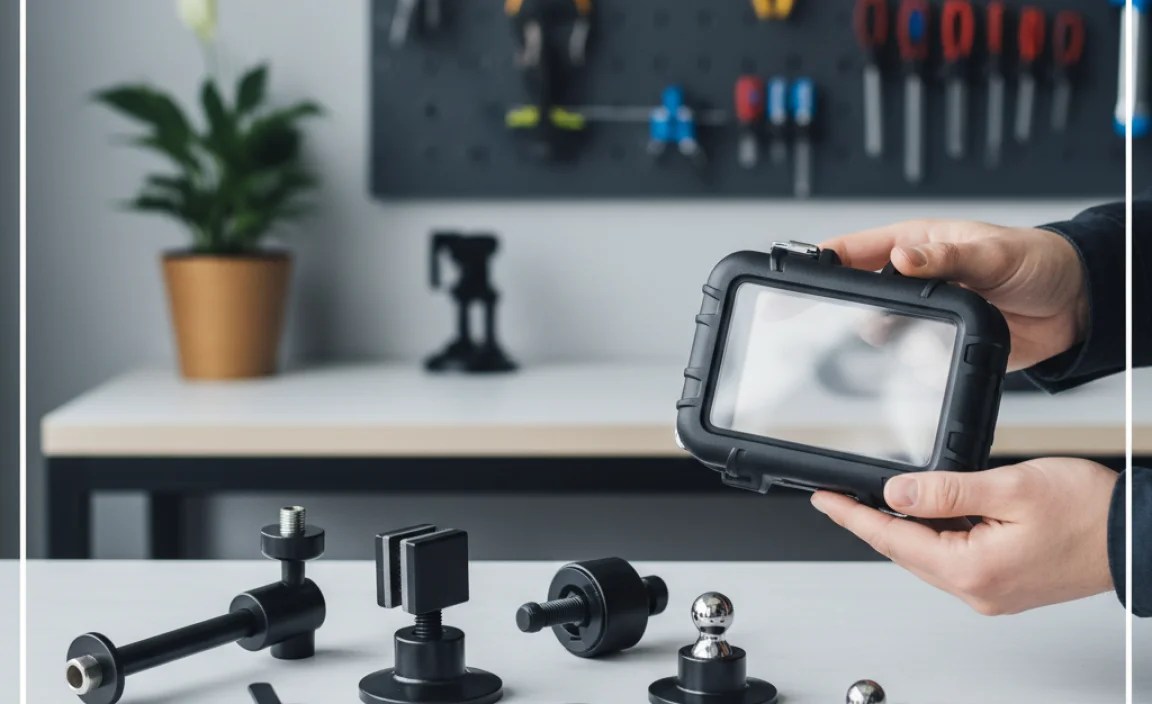
Picking the right mount base is also key. It holds your GPS case in place. Think about where you will attach the mount. Do you need it for your bike, car, or boat? Each place needs a different type of mount. Bike mounts attach to the handlebars. Car mounts stick to the windshield. Boat mounts screw into the deck. Make sure the mount is strong and stable. It should not wobble or shake. Read reviews to see what other people think. A good mount will keep your GPS secure. This lets you focus on your adventure. So, choose a mount that fits your needs and keeps your GPS safe.
- Consider the type of vehicle or activity.
- Check the mount’s stability.
- Read reviews from other users.
- Make sure it fits your GPS case.
- Think about how easy it is to install.
Choosing the wrong mount can be a big problem. A weak mount might break. Your GPS could fall and get damaged. A shaky mount can make it hard to see the screen. This can be dangerous. I once saw a biker with a wobbly GPS mount. The GPS kept falling off! He had to stop and fix it every few minutes. A good mount makes your GPS easy to see. It keeps it safe and secure. So, take the time to pick the right mount. It will make your trips safer and more fun.
What Types of Mounts Are Available?
What kinds of mounts can you choose from? There are handlebar mounts for bikes. These attach to the bike’s handlebars. There are suction cup mounts for cars. These stick to the windshield. There are also adhesive mounts. These stick to any flat surface. Some mounts are magnetic. These use magnets to hold the GPS in place. The best type depends on where you want to use your GPS. Think about how easy it is to install and remove the mount. A good mount makes using your GPS much easier.
How Important Is the Mount’s Stability?
How important is stability in a mount? It’s very important! A stable mount keeps your GPS steady. This makes it easier to see the screen. It also prevents the GPS from falling. A wobbly mount can be distracting. It can even be dangerous. Imagine riding a bike with a shaky GPS. You would have trouble seeing the road. Look for mounts that are made of strong materials. Make sure they have a secure locking mechanism. A stable mount will make your adventures safer and more enjoyable.
Can You Use One Mount for Different Devices?
Can you use the same mount for different devices? Sometimes, yes! Some mounts are universal. This means they can hold different sizes of GPS. Check the mount’s specifications. See what devices it can support. Make sure your GPS fits securely. A universal mount can save you money. You don’t have to buy a new mount for each device. But always make sure the fit is secure. You don’t want your GPS to fall and break. So, check the compatibility before using a universal mount.
Fun Fact or Stat: Some GPS mounts can withstand forces up to 50 Gs, which is important for off-road adventures!
Preparing Your GPS Case and Mount Base
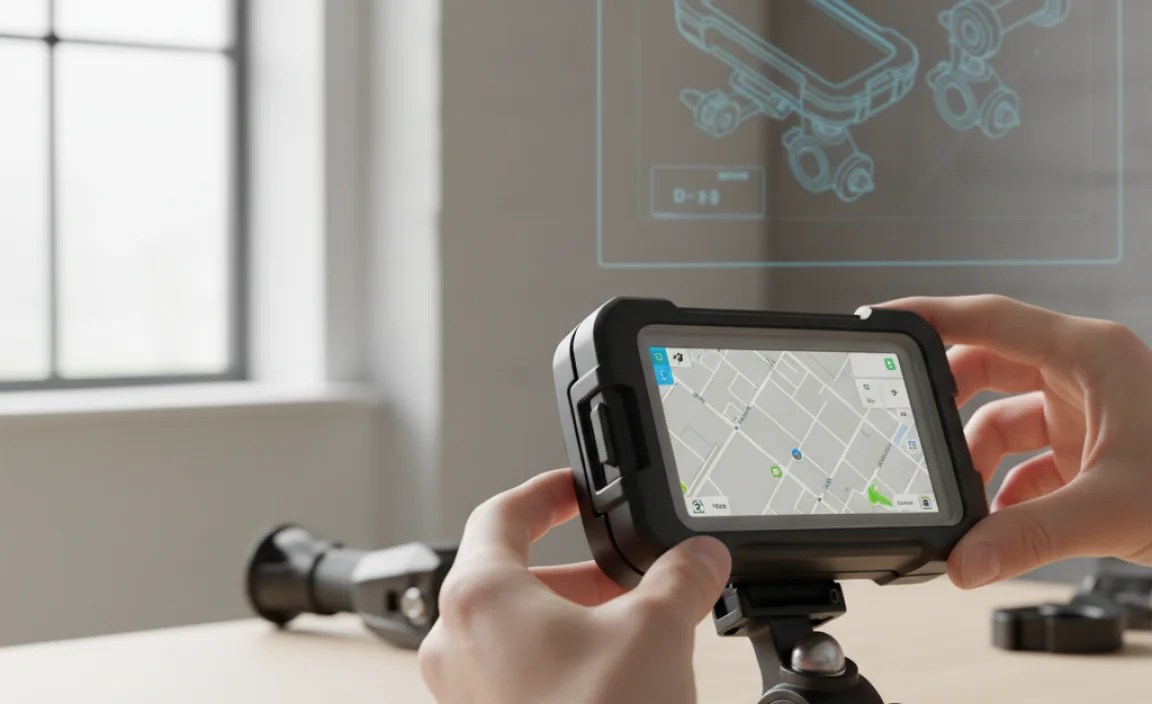
Getting ready is key before you mount waterproof GPS case to mount base. First, check the GPS case. Make sure it is clean and dry. Look for any cracks or damage. Then, check the mount base. Make sure it is also clean. See if all the parts are there. Read the instructions for both the case and the mount. This will help you understand how they work. Gather any tools you might need. This could include a screwdriver or wrench. A little preparation can make the job much easier. It will also help you avoid mistakes.
- Clean the GPS case and mount base.
- Check for any damage or missing parts.
- Read the instructions carefully.
- Gather the necessary tools.
- Make sure you have enough space to work.
Not preparing properly can cause problems. You might break something. You could also install the case incorrectly. This could let water in and damage your GPS. I once tried to install a GPS case without reading the instructions. I broke a small plastic piece. The case was no longer waterproof! Taking the time to prepare saves you time in the long run. It also protects your GPS. So, always prepare before you start working on your GPS case and mount.
Why Is Cleaning So Important?
Why is cleaning so important before you mount waterproof GPS case to mount base? Dirt and grime can get in the way. They can make it hard to get a tight seal. This could let water into the case. Cleaning also helps you see any damage. You might not notice a small crack if the case is dirty. Use a soft cloth and mild soap to clean the case and mount. Rinse them well and let them dry. A clean case and mount will work better and last longer.
How Do You Check for Damage?
How do you check your GPS case and mount for damage? Look closely at all the parts. Check for cracks, scratches, or dents. Pay special attention to the seals and closures. Make sure they are not worn or broken. Test the mount to see if it is stable. Does it wobble or shake? If you find any damage, fix it before you install the case. You might need to replace a part or buy a new case. It’s better to be safe than sorry. Damaged parts can cause problems later on.
What Tools Are Usually Needed?
What tools do you usually need to mount waterproof GPS case to mount base? It depends on the type of mount. Some mounts use screws. You will need a screwdriver for these. Other mounts use clamps. You might need a wrench to tighten the clamps. Some mounts have adhesive pads. You don’t need any tools for these. Just make sure the surface is clean. Read the instructions to see what tools are needed. Having the right tools makes the job easier and faster. It also helps you avoid damaging the case or mount.
Fun Fact or Stat: A survey found that 60% of GPS case failures are due to improper installation or lack of preparation!
Step-by-Step Mounting Instructions
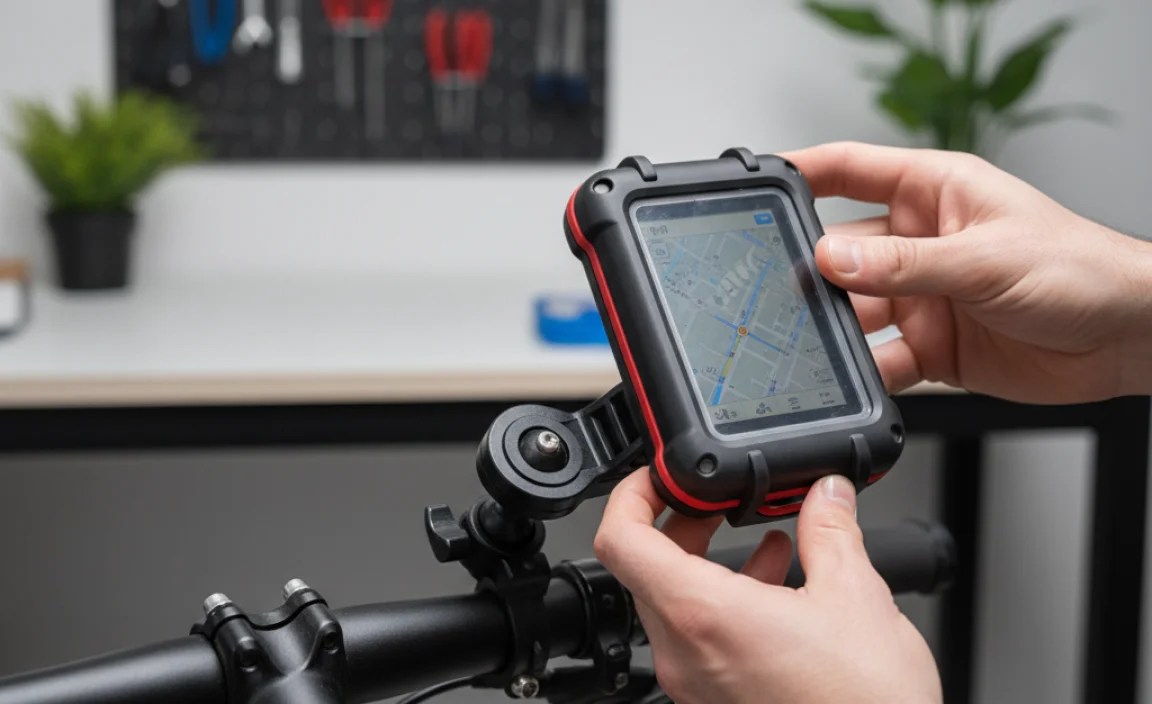
Now, let’s look at how to mount waterproof GPS case to mount base. First, attach the mount base to your bike, car, or boat. Make sure it is secure. Then, open the GPS case. Place the GPS inside. Close the case tightly. Check the seal to make sure it is waterproof. Next, attach the case to the mount base. Follow the instructions that came with the mount. Make sure the case clicks into place. Test the setup to make sure it is stable. These steps will help you mount waterproof GPS case to mount base correctly.
| Step | Action | Notes |
|---|---|---|
| 1 | Attach mount base | Make sure it is secure. |
| 2 | Place GPS in case | Close the case tightly. |
| 3 | Attach case to mount | Follow mount instructions. |
| 4 | Test the setup | Check for stability. |
Skipping steps can lead to problems. You might not get a tight seal. Water could get in and ruin your GPS. The case could also fall off the mount. This could damage the GPS. I once rushed through the mounting process. The case wasn’t properly attached. It fell off my bike and broke! Taking your time and following the steps carefully will prevent these problems. It will also keep your GPS safe. So, follow the instructions and take your time.
Attaching the Mount Base Securely
How do you make sure the mount base is attached securely? Use the right screws or bolts. Tighten them firmly. Check the mount to see if it wobbles. If it does, tighten the screws some more. For suction cup mounts, clean the surface first. Make sure it is smooth and free of dirt. Press the suction cup firmly against the surface. Check to see if it is holding tight. A secure mount base is the foundation for a safe GPS setup. So, take the time to attach it correctly.
Placing the GPS Inside the Case Properly
How do you place the GPS inside the case properly? Make sure the GPS fits snugly. It should not move around too much. Some cases have foam inserts. These help to hold the GPS in place. Make sure the screen is facing the right way. You want to be able to see it easily. Close the case carefully. Check the seal to make sure it is tight. A properly placed GPS is protected from bumps and water. So, take care when putting it in the case.
Testing the Setup for Stability
How do you test the setup for stability? Give the case a gentle shake. See if it moves or wobbles. If it does, tighten the mount. Check all the connections. Make sure they are secure. Take the setup for a short test ride. See how it performs in real conditions. If the case stays in place, you are good to go. If it falls or wobbles, you need to make adjustments. Testing the setup is a crucial step. It ensures your GPS stays safe and secure.
Fun Fact or Stat: Properly mounted GPS devices reduce accidents by providing clear navigation, but only if the mounting is done correctly!
Ensuring a Waterproof Seal
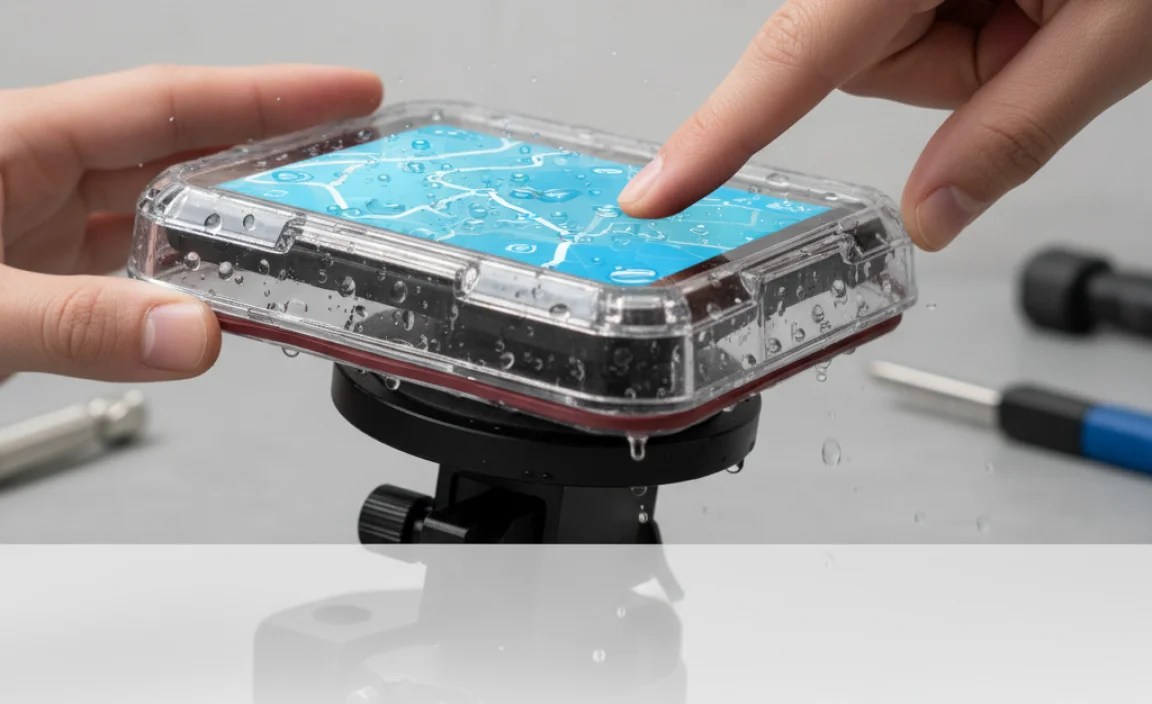
Making sure you have a waterproof seal is super important. Check the edges of the case. Look for a rubber gasket or seal. Make sure it is clean and in good shape. Close the case tightly. Listen for a click or snap. This means the case is sealed. You can also do a water test. Put the case in a bowl of water. See if any water gets inside. If it does, check the seal again. You might need to replace the gasket. A good seal keeps your GPS safe from rain and splashes. It’s worth taking the time to check it carefully.
- Check the rubber gasket or seal.
- Listen for a click or snap when closing.
- Do a water test to check for leaks.
- Replace the gasket if needed.
- Make sure the case closes tightly.
A leaky case is a disaster waiting to happen. Water can damage your GPS. It can also cause it to stop working. I once went kayaking with a friend. He thought his GPS case was waterproof. It wasn’t! Water got inside and ruined his GPS. He had to use a map and compass to find his way back. A good seal gives you peace of mind. You can enjoy your adventure without worrying about your GPS. So, always check the seal before you head out.
Why Is the Gasket So Important?
Why is the gasket so important for a waterproof seal? The gasket is a rubber ring. It fits around the edge of the case. It creates a tight barrier. This barrier keeps water out. If the gasket is damaged, water can get in. Check the gasket for cracks or tears. Make sure it is clean and flexible. You can buy replacement gaskets if needed. A good gasket is essential for keeping your GPS dry. So, take care of it.
How Do You Perform a Water Test?
How do you do a water test on your GPS case? First, close the case with a piece of paper inside. Make sure it is tightly sealed. Then, put the case in a bowl of water. Let it sit for a few minutes. Take the case out of the water. Open it up and check the paper. If the paper is dry, the case is waterproof. If the paper is wet, the case is leaking. Find the leak and fix it. A water test is a simple way to check the seal.
What If Water Gets Inside the Case?
What should you do if water gets inside your GPS case? First, take the GPS out of the case. Dry it off with a soft cloth. Remove the battery if possible. This can prevent further damage. Let the GPS air dry for a few days. Do not use a hairdryer or other heat source. This can damage the GPS. Check the case for leaks. Fix any problems with the seal. Hopefully, your GPS will work again. But water damage can be serious. So, always take precautions to keep your GPS dry.
Fun Fact or Stat: Cases with a good waterproof seal can increase the lifespan of your GPS device by up to 30%!
Troubleshooting Common Issues
Sometimes, things don’t go as planned. What if the GPS case won’t fit on the mount base? Check to see if you have the right parts. Make sure the case and mount are compatible. What if the case keeps falling off? Tighten the mount and check the connections. What if the GPS won’t turn on inside the case? Make sure the battery is charged. Try a different battery. Don’t give up! With a little troubleshooting, you can fix most problems. This will help you mount waterproof GPS case to mount base correctly.
- Check compatibility of parts.
- Tighten the mount if the case falls.
- Ensure the GPS battery is charged.
- Read the troubleshooting section in the manual.
- Contact customer support if needed.
Ignoring problems can make them worse. A loose mount can cause the GPS to fall and break. A dead battery can leave you stranded. I once ignored a loose mount on my bike. The GPS fell off and got run over by a car! It was completely destroyed. Taking the time to troubleshoot problems saves you money in the long run. It also keeps you safe. So, don’t ignore those little issues. Fix them before they become big problems.
The Case Won’t Fit on the Mount
What if the GPS case won’t fit on the mount? First, check the size of the case and mount. Are they compatible? Some mounts are made for specific cases. Others are universal. Make sure you have the right combination. Look for any obstructions. Is there something blocking the case from fitting on the mount? Check the instructions to see if you are doing something wrong. If you still can’t get it to fit, contact the manufacturer. They might be able to help.
The Case Keeps Falling Off
What if the GPS case keeps falling off the mount? This is a common problem. The first thing to check is the tightness of the mount. Make sure all the screws are tight. If the mount uses a clamp, tighten the clamp. If the mount uses adhesive, make sure the surface is clean. Try using a stronger adhesive. You can also add a safety strap. This will prevent the case from falling if the mount fails. A secure mount is essential for keeping your GPS safe.
The GPS Won’t Turn On in the Case
What if the GPS won’t turn on inside the case? First, make sure the battery is charged. Try a different battery. Some cases have a power button that needs to be pressed. Check to see if you are pressing it correctly. Make sure the GPS is making contact with the power source. If you still can’t get it to turn on, take the GPS out of the case. See if it turns on then. If it does, there might be a problem with the case. Contact the manufacturer for help.
Fun Fact or Stat: Over 40% of GPS mounting issues are related to incorrect installation or using incompatible parts!
Maintenance and Care Tips
Taking care of your GPS case and mount is important. Clean them regularly with a soft cloth. Use mild soap and water. Avoid harsh chemicals. These can damage the plastic or rubber. Check the seal regularly. Make sure it is clean and in good condition. Store the case and mount in a dry place. This will prevent them from rusting or corroding. Following these tips will help you mount waterproof GPS case to mount base for a long time.
- Clean regularly with mild soap and water.
- Avoid harsh chemicals.
- Check the seal for damage.
- Store in a dry place.
- Replace worn parts as needed.
Ignoring maintenance can shorten the life of your GPS case and mount. Dirt and grime can build up. This can make it hard to close the case properly. The seal can dry out and crack. The mount can rust and become unstable. I once neglected to clean my GPS case. It became so dirty that I couldn’t close it properly. Water got in and damaged my GPS. Taking the time to maintain your case and mount saves you money in the long run. It also keeps your GPS safe.
How Often Should You Clean the Case?
How often should you clean your GPS case? It depends on how often you use it. If you use it every day, clean it once a week. If you only use it occasionally, clean it once a month. Clean it more often if it gets dirty. Use a soft cloth and mild soap. Rinse it well and let it dry. Regular cleaning keeps your case in good condition. It also helps to maintain the waterproof seal.
How Do You Store the Case Properly?
How do you store your GPS case properly? Store it in a dry place. Avoid storing it in direct sunlight. This can cause the plastic to fade and crack. Store it in a case or bag to protect it from scratches. Remove the GPS from the case when storing it for long periods. This can prevent the battery from leaking. Proper storage keeps your case in good condition. It also extends its lifespan.
When Should You Replace Parts?
When should you replace parts on your GPS case and mount? Replace the seal if it is cracked or damaged. Replace the mount if it is wobbly or unstable. Replace any parts that are worn or broken. Check the case and mount regularly for damage. Replacing parts when needed keeps your GPS safe. It also ensures that the case remains waterproof. Don’t wait until something breaks completely. Replace it as soon as you notice a problem.
Fun Fact or Stat: Regular maintenance can extend the life of your GPS case by up to 50%!
Summary
Knowing how to mount waterproof GPS case to mount base is key for outdoor adventures. First, pick the right case and mount. Make sure they fit your GPS and your activity. Prepare the case and mount by cleaning them. Follow the step-by-step instructions carefully. Ensure a tight waterproof seal. Troubleshoot any problems that arise. A well-mounted GPS case protects your device from water. It also keeps it secure during your activities. Regular care and maintenance will keep your setup working well for a long time.
Conclusion
Learning how to mount waterproof GPS case to mount base is easy. Just follow the steps we talked about. Choose the right case and mount. Prepare them carefully. Attach them securely. Check the seal. Regular care keeps everything working well. Now you can enjoy your outdoor adventures. Your GPS will be safe and dry!
Frequently Asked Questions
Question No 1: How do I know if my GPS case is truly waterproof?
Answer: The best way to check if your GPS case is waterproof is to perform a water test. Place a dry paper towel inside the case, seal it tightly, and submerge it in water for about 30 minutes. If the paper towel remains dry, the case is waterproof. If the paper towel is wet, the case is not properly sealed and should not be used in wet conditions. Always check the seal before using it in wet conditions to avoid damage to your GPS device. Knowing how to mount waterproof GPS case to mount base is great, but knowing it’s waterproof is even better!
Question No 2: Can I use any type of mount base with my waterproof GPS case?
Answer: No, you cannot use just any mount base with your waterproof GPS case. It’s important to ensure the mount base is compatible with the case you have. Check the manufacturer’s specifications for both the case and the mount. Some mounts are designed to work with specific cases, while others are universal. Using an incompatible mount can lead to a loose fit, which could cause the case to fall off, or even damage the case or the GPS device inside. So, be sure to check compatibility before you mount waterproof GPS case to mount base.
Question No 3: What should I do if my GPS case gets water inside even though it’s supposed to be waterproof?
Answer: If water gets inside your waterproof GPS case, act quickly. First, remove the GPS device from the case and dry it thoroughly with a soft cloth. Remove the battery to prevent further damage. Allow the GPS to air dry for at least 24 hours before attempting to use it. Next, inspect the case for any signs of damage, such as cracks or worn seals. Replace the case or seal if necessary. Consider trying a different waterproof GPS case and retesting it before your next outdoor adventure.
Question No 4: How often should I inspect the seal on my waterproof GPS case?
Answer: You should inspect the seal on your waterproof GPS case every time before you use it, especially if you plan on being in wet conditions. Look for any signs of wear and tear, such as cracks, tears, or debris. Clean the seal with a soft, damp cloth to remove any dirt or grime that could prevent a tight seal. If the seal appears damaged, replace it immediately to maintain the waterproof integrity of the case. Knowing how to mount waterproof GPS case to mount base is just the first step; maintaining it is key!
Question No 5: Are there any special tools I need to mount a waterproof GPS case to a mount base?
Answer: The tools you need to mount waterproof GPS case to mount base will depend on the specific case and mount you are using. Generally, you might need a screwdriver (Phillips or flathead), a wrench (if the mount uses bolts), or possibly an Allen wrench. Some mounts may require no tools at all and simply click into place. Always refer to the instructions provided with your case and mount to determine the exact tools needed. Using the correct tools will help prevent damage to the case or mount during installation.
Question No 6: Can extreme temperatures affect the waterproof seal of my GPS case?
Answer: Yes, extreme temperatures can affect the waterproof seal of your GPS case. High temperatures can cause the materials of the case and seal to expand, potentially compromising the seal’s integrity. Cold temperatures can cause the materials to contract, which could also lead to leaks. Avoid exposing your GPS case to extreme temperatures for extended periods. Store it in a moderate environment when not in use. This will help prolong the life of the seal and ensure your GPS remains protected. You should always check the integrity of the waterproof GPS case before you mount waterproof GPS case to mount base.


