
How to Mount Action Camera Behind Saddle for Trail Rides: Easy!

Do you love riding your bike on trails? Have you ever wanted to share your adventures? One cool way is to record your rides. You can learn how to mount action camera behind saddle for trail rides. It is easier than you might think! Let’s explore how to capture those awesome moments.
Imagine you are zooming down a hill. The wind is in your face. Your bike handles every bump with ease. Now, think about sharing that thrill with your friends! Mounting a camera behind your saddle lets you do just that. It shows them exactly what you see and feel.
Do you want to make cool videos of your trail rides? Mounting a camera behind your saddle is a great idea. It gives a unique view of your ride. Plus, it lets you relive the fun later. Let’s get started and learn how.
Key Takeaways
- Mounting behind your saddle captures unique, exciting trail ride footage.
- Choose a sturdy mount to keep your action camera secure.
- Properly angle the camera for the best view of the trail.
- Always test your setup before long rides to ensure stability.
- Knowing how to mount action camera behind saddle for trail rides enhances your videos.
Choosing the Right Camera Mount

Selecting the right camera mount is super important. It keeps your camera safe and secure. You need a mount that can handle bumps and jumps. A wobbly mount can ruin your videos. Look for mounts made from strong stuff like metal or tough plastic. Check if the mount is easy to adjust. This lets you get the perfect angle. Make sure it fits your saddle and camera. Read reviews to see what other riders think. A good mount will make a big difference in your videos. It will also give you peace of mind while you ride. Think about the type of trails you ride most often. Rough trails need tougher mounts than smooth paths.
- Check the mount’s material for durability.
- Make sure the mount is easy to adjust.
- Read reviews from other trail riders.
- Confirm the mount fits your camera model.
- Choose a mount that matches your riding style.
A good camera mount is like a superhero for your camera. It protects it from falls and vibrations. It also helps you get the best possible video. Consider a mount with a quick-release feature. This lets you easily take the camera off when you are not riding. Some mounts come with extra features like shock absorption. This reduces shaky footage. A quality mount is an investment in your fun and safety. It makes sure you capture awesome memories on every ride. Don’t rush the decision. Take your time to find the perfect mount for your needs. Then you can focus on enjoying the ride!
Why a Good Mount Matters
Have you ever seen a shaky video that made you feel sick? That is what happens with a bad mount. A good mount keeps the camera steady. It absorbs the bumps. This makes your videos smooth and watchable. It also protects your camera from damage. Imagine hitting a big bump and your camera falls off! A strong mount prevents this. It keeps your camera secure. This gives you peace of mind. You can focus on your ride. A quality mount is worth the money. It will save you headaches later. It ensures your videos look great. Plus, your camera stays safe on even the roughest trails. Do you want to capture amazing footage? Start with a great mount!
Different Types of Mounts
There are many different types of camera mounts. Some attach with straps. Others use clamps or screws. Strap mounts are easy to move. Clamp mounts offer a tighter grip. Screw mounts are the most secure. Think about what kind of riding you do. If you change cameras a lot, straps might be best. For rough trails, screws are a better choice. Some mounts are universal. They fit many camera models. Others are made for specific cameras. Do your research to find the right type for you. Consider the pros and cons of each. This helps you choose the best mount for your needs. A little research goes a long way!
Installing the Mount Correctly
Installing the mount correctly is key. If it is loose, your camera will wobble. Follow the instructions that come with the mount. Make sure all screws are tight. Do not overtighten them. This can damage the mount or your bike. Test the mount before your ride. Give it a good shake. See if it moves. If it does, tighten it more. A properly installed mount will stay in place. It will keep your camera secure. Take your time with the installation. It is worth the effort. A secure mount means better videos. It also means a safer ride. Always double-check before you hit the trails!
Fun Fact or Stat: Did you know that GoPro, a popular action camera, was founded in 2002 by Nick Woodman, who initially wanted a better way to photograph himself surfing?
Best Camera Angles for Trail Rides

The camera angle can make or break your video. The right angle shows off the best parts of your ride. A low angle makes jumps look bigger. A high angle shows more of the trail. Experiment with different angles. See what works best for you. A popular choice is to point the camera slightly upward. This captures both the trail and the sky. Avoid pointing the camera straight down. This can be boring. It doesn’t show much of the scenery. Think about what you want to focus on. Are you highlighting the jumps? Or the scenery? Adjust the angle accordingly. The best angle makes your videos exciting and engaging.
- Try pointing the camera slightly upwards.
- Experiment with high and low angles.
- Consider what you want to highlight.
- Avoid pointing the camera straight down.
- Watch videos to see what angles others use.
- Adjust the angle for different parts of the trail.
Getting the perfect camera angle might take some practice. Do not be afraid to try new things. Film some test footage. Watch it later. See what you like and what you do not like. Adjust the angle and try again. Small changes can make a big difference. Think about the light. The sun can affect your video. Adjust the angle to avoid glare. A good angle combined with good lighting makes amazing videos. Remember, there is no one “right” angle. It depends on your style and what you want to show. Have fun and find what works best for you.
Why Angle Matters
Have you ever taken a photo that looked weird because of the angle? The same thing happens with video. The angle changes how people see the scene. A good angle makes the ride look exciting. It shows off the cool parts. A bad angle can make it look boring. It can even make it hard to see what is happening. The right angle adds drama and excitement. It helps tell the story of your ride. Think about movies. Directors use angles to make scenes more exciting. You can do the same with your videos. Experiment and see what works best. The angle is a powerful tool.
Experimenting with Different Views
Do you want to make your videos more interesting? Try different views. Film some footage from a low angle. Then film some from a high angle. Compare the two. See which one you like better. You can also try different positions. Put the camera on your helmet. Then put it on your chest. See how the view changes. Experimenting is the best way to learn. It helps you find new and creative ways to film. Do not be afraid to try something new. You might discover a cool angle that no one else has used. The possibilities are endless. Have fun and get creative!
Adjusting on the Go
Sometimes, you need to adjust the angle while you are riding. Maybe the sun is in your eyes. Or maybe you want to focus on a cool feature of the trail. Some mounts make it easy to adjust the angle on the go. Look for mounts with quick-release levers. These let you change the angle without stopping. Practice adjusting the angle before your ride. Get used to how it works. This will make it easier to do while you are moving. Being able to adjust on the go gives you more control. It lets you capture the best possible footage in any situation. Always be ready to adapt!
Fun Fact or Stat: The first action camera designed specifically for sports was the GoPro, which revolutionized how athletes captured their performances.
Ensuring Camera Stability on Rough Trails
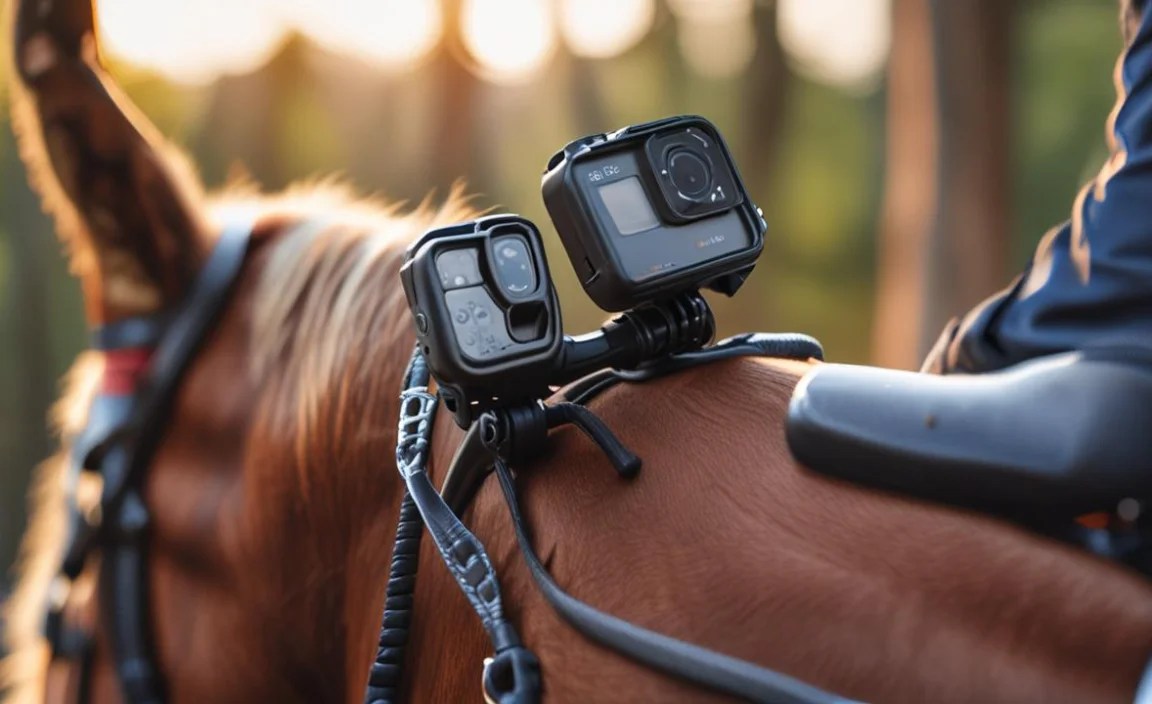
Rough trails can shake your camera a lot. This makes your videos look bad. You need to make sure your camera is stable. A good mount helps. But there are other things you can do. Tighten all the screws. Use rubber shims to reduce vibration. Check your camera settings. Some cameras have a stabilization feature. Turn it on. This helps smooth out the bumps. Ride smoothly. Try to avoid big bumps if you can. A stable camera makes a big difference. It turns shaky footage into smooth, watchable videos. Your viewers will thank you for it.
- Tighten all screws on the mount.
- Use rubber shims to reduce vibration.
- Turn on the camera’s stabilization feature.
- Ride smoothly to avoid big bumps.
- Test your setup before long rides.
Camera stability is about more than just the mount. It is about your riding style too. Try to absorb the bumps with your body. Bend your knees and elbows. This acts like a suspension system. It reduces the amount of shock that goes to the camera. Also, check your tire pressure. Overinflated tires make the ride rougher. Slightly lower pressure can help. These small changes can make a big difference. They help keep your camera stable. They also make your ride more comfortable. Practice makes perfect. The more you ride, the better you will get at keeping the camera steady.
Why Stability is Key
Imagine watching a video where the camera is shaking all over the place. It would be hard to see anything. You might even get a headache. That is why stability is so important. It lets people see what is happening. It makes the video enjoyable to watch. Stable footage is professional footage. It shows that you care about the quality of your videos. It also makes you look like a better rider. People will be impressed by your smooth, clear footage. Stability is the key to making great videos. It takes a little effort, but it is worth it.
Using Vibration Dampeners
Vibration dampeners are like little cushions for your camera. They absorb the shocks and bumps. This keeps the camera steady. You can buy vibration dampeners online. They are usually made of rubber or foam. Some mounts come with built-in dampeners. If yours doesn’t, you can add them. Place the dampeners between the mount and the camera. Make sure they are secure. They should not move around. Vibration dampeners are a simple and cheap way to improve stability. They can make a big difference in your videos. Give them a try and see for yourself.
Testing Before You Ride
Before you hit the trails, test your setup. Ride around your yard. Jump over some small bumps. See if the camera stays stable. Watch the footage. Look for any shaking or wobbling. If you see problems, fix them before you go on a long ride. Testing is a crucial step. It helps you avoid problems later. It also gives you confidence. You know that your camera is secure. You can focus on enjoying the ride. Always test your setup. It is a simple way to ensure great videos.
Fun Fact or Stat: Action cameras often use wide-angle lenses, capturing a broader field of view, which is perfect for showing the full scope of your trail adventures.
Adjusting Camera Settings for Optimal Video

The right camera settings can make a big difference. They affect how your videos look. Think about the resolution. Higher resolution means better quality. But it also takes up more space. 1080p is a good balance. It looks good without using too much space. Frame rate is also important. 30 frames per second (fps) is fine for most riding. 60 fps makes the video smoother. This is good for fast action. Experiment with different settings. See what works best for you. Good settings make your videos look professional.
| Setting | Description | Recommendation |
|---|---|---|
| Resolution | The size of the video. Higher is better. | 1080p or 4K |
| Frame Rate | How many frames per second. | 30fps for normal, 60fps for fast action |
| Field of View | How wide the camera sees. | Wide or SuperView |
| Stabilization | Reduces shaking in the video. | Turn it on! |
| White Balance | Adjusts colors to look natural. | Auto or adjust for sunlight |
- Choose the right resolution for your needs.
- Set the frame rate based on the action.
- Adjust the field of view for the best angle.
- Turn on image stabilization for smooth videos.
- Adjust white balance for natural colors.
Lighting is a big factor. Bright sunlight needs different settings than shady trails. Most cameras have an auto mode. This works well in many situations. But you can also adjust the settings yourself. White balance corrects the colors. Exposure controls the brightness. Learn how these settings work. It will give you more control over your videos. Also, think about the sound. Some cameras have a wind reduction feature. Turn it on to reduce wind noise. Clear sound makes your videos more enjoyable. Experiment with different settings until you find what you like.
Understanding Resolution and Frame Rate
Resolution and frame rate are two important settings. Resolution is how many pixels are in the video. More pixels mean a sharper picture. Frame rate is how many pictures are taken each second. More frames mean smoother motion. A good balance is 1080p at 30fps. This gives you a clear picture and smooth motion. If you are filming fast action, use 60fps. This will make the video look even smoother. But remember, higher settings take up more space. You might need a bigger memory card.
Adjusting White Balance and Exposure
White balance and exposure control the colors and brightness of your video. White balance makes sure the colors look natural. If the colors look too blue or too yellow, adjust the white balance. Exposure controls how bright the video is. If the video is too dark or too bright, adjust the exposure. Most cameras have an auto mode for these settings. But you can also adjust them manually. This gives you more control. Experiment with different settings to see what works best in different lighting conditions.
Using Filters and Effects
Some cameras have built-in filters and effects. These can add a cool look to your videos. You can make the colors more vibrant. Or you can add a vintage look. Use filters sparingly. Too many filters can make the video look fake. It is better to focus on good lighting and composition. But a subtle filter can enhance your video. Experiment with different filters and effects. See what you like. Just do not overdo it. The goal is to make the video look better, not worse.
Fun Fact or Stat: Action cameras are designed to be rugged and waterproof, making them perfect for capturing extreme sports and outdoor adventures in any weather.
Safety Tips for Riding with a Camera

Riding with a camera is fun. But you need to be safe. Make sure the camera does not block your vision. Check that the mount is secure. You do not want the camera to fall off. Wear a helmet. It protects your head. Be aware of your surroundings. Do not get so focused on filming that you forget to watch the trail. Safety is the most important thing. A good video is not worth getting hurt. Follow these tips and enjoy your ride.
- Make sure the camera does not block your view.
- Check the mount is secure before each ride.
- Always wear a helmet for safety.
- Pay attention to your surroundings on the trail.
- Avoid distractions while filming.
Tell someone where you are going. Ride with a friend if you can. Bring a phone in case of emergencies. Check the weather forecast. Be prepared for changes in weather. Know your limits. Do not try to do tricks that are too hard. If you are tired, stop and rest. It is better to be safe than sorry. These simple precautions can help you avoid accidents. They ensure you have a fun and safe ride. Always prioritize safety. Your health is more important than any video.
Checking Your Gear Before Riding
Before you start riding, check all your gear. Make sure your helmet fits properly. Check your brakes. Make sure they work. Check your tires. Make sure they are inflated. Inspect your bike for any damage. A pre-ride check is essential. It helps you catch problems before they become serious. It also gives you peace of mind. You know that your gear is in good condition. This lets you focus on enjoying the ride. Always take a few minutes to check your gear. It is time well spent.
Avoiding Distractions While Filming
Filming can be distracting. You might get so focused on getting the perfect shot that you forget to pay attention to the trail. This is dangerous. You could crash. Or you could miss a hazard. Avoid distractions while filming. Keep your eyes on the trail. Be aware of your surroundings. If you need to adjust the camera, stop riding. Do not try to do it while you are moving. Safety first. A good video is not worth risking your health.
Being Aware of Other Trail Users
You are not the only one on the trail. There might be hikers, runners, or other bikers. Be respectful of other trail users. Slow down when you pass them. Give them plenty of space. Announce your presence. Say “On your left” or “Passing on the right.” Be courteous and considerate. Remember, everyone is out there to enjoy the trail. Do not ruin their experience. Share the trail. Be a good trail user. This helps keep the trails open and enjoyable for everyone.
Fun Fact or Stat: Many action cameras have voice control features, allowing you to start and stop recording without taking your hands off the handlebars, enhancing safety.
Sharing and Editing Your Trail Ride Videos
Once you have filmed your ride, it is time to share it. But first, you might want to edit it. Editing lets you cut out the boring parts. It lets you add music and effects. There are many video editing programs. Some are free. Some cost money. iMovie is a good option for beginners. It is easy to use and has many features. Once you have edited your video, you can upload it to YouTube or Vimeo. Share it with your friends. Show them your awesome rides.
- Use video editing software to improve your footage.
- Cut out boring parts to keep viewers engaged.
- Add music and effects to enhance the video.
- Share your videos on YouTube or Vimeo.
- Show your friends your awesome rides.
When you share your video, think about the title and description. Use keywords that people will search for. This helps them find your video. Also, add tags. Tags are like keywords. They help people find your video. Be creative with your titles and descriptions. Make them interesting and engaging. This will attract more viewers. Finally, promote your video. Share it on social media. Tell your friends about it. The more people who see your video, the better.
Basic Video Editing Techniques
Video editing might seem hard. But it is easier than you think. Start with the basics. Cut out the parts you do not want. Rearrange the clips. Add transitions between clips. Transitions make the video smoother. Add music to make the video more engaging. Adjust the volume. Make sure the music is not too loud. Add text to explain what is happening. These simple techniques can make a big difference. They turn raw footage into a polished video.
Choosing the Right Music
Music can make or break a video. The right music adds emotion. It makes the video more exciting. The wrong music can be distracting. It can even ruin the video. Choose music that fits the mood of your ride. Upbeat music is good for fast action. Calm music is good for scenic views. Make sure you have the rights to use the music. Some music is copyrighted. You need permission to use it. There are many websites that offer royalty-free music. This is a good option for beginners.
Promoting Your Videos Online
You have made a great video. Now you need to get people to watch it. Share it on social media. Post it on Facebook, Twitter, and Instagram. Use hashtags to reach a wider audience. Engage with your viewers. Respond to comments. Ask questions. Create a community around your videos. Collaborate with other YouTubers. This can help you reach new viewers. Promoting your videos takes time and effort. But it is worth it. The more people who see your videos, the more popular you will become.
Fun Fact or Stat: YouTube, the world’s largest video-sharing platform, was founded in 2005 and has become a hub for action sports enthusiasts to share their adventures.
Summary
Learning how to mount action camera behind saddle for trail rides can greatly enhance your biking experience. It allows you to capture and share your adventures with others. Choosing the right mount is key. A sturdy mount keeps your camera secure on rough trails. Camera angle affects the view. Experiment with different angles to find what works best. Good camera settings improve video quality. Adjust resolution, frame rate, and white balance for optimal results. Safety is important. Make sure the camera does not block your vision. Check the mount before each ride. Edit your videos to make them more engaging. Share them online to show off your skills. With these tips, you can create amazing trail ride videos.
Conclusion
Mounting an action camera behind your saddle lets you record your trail rides. It provides a unique perspective. This is a great way to share your adventures. It lets you relive the excitement. Remember to choose the right mount. Ensure your camera is stable. Adjust your settings for the best video. And always prioritize safety. Now you know how to mount action camera behind saddle for trail rides. Go out and capture some amazing footage!
Frequently Asked Questions
Question No 1: What is the best type of mount for an action camera behind the saddle?
Answer: The best type of mount depends on your saddle and camera. Look for mounts made of strong materials like metal or durable plastic. Check reviews to see what other riders recommend. Some mounts use straps, while others use clamps or screws. Screw mounts often provide the most secure fit, especially for rough trails. Ensure the mount is compatible with your camera model and easy to adjust. Consider a quick-release mount for easy removal. Ultimately, the best mount is one that is sturdy, adjustable, and fits your specific needs for how to mount action camera behind saddle for trail rides.
Question No 2: How do I prevent my action camera from shaking too much on bumpy trails?
Answer: To prevent excessive shaking, start with a high-quality, stable mount. Tighten all screws and connections to ensure everything is secure. Use rubber shims or vibration dampeners between the mount and camera to absorb shocks. Many action cameras have built-in image stabilization features; turn this on in the settings. You can also adjust your riding style to be smoother, bending your knees and elbows to absorb bumps. Check your tire pressure; slightly lower pressure can help reduce vibrations. Testing your setup before long rides is crucial to identify and address any stability issues before they become a problem on the trail. All these steps help when considering how to mount action camera behind saddle for trail rides.
Question No 3: What camera settings are best for recording trail rides?
Answer: For recording trail rides, aim for a resolution of 1080p or 4K for good quality without excessive file sizes. Use a frame rate of 30fps for normal riding or 60fps for smoother footage of fast action. Enable image stabilization to reduce shaking. Adjust white balance for natural colors in different lighting conditions. Experiment with the field of view to find the best angle. Also, consider using wind reduction settings to minimize wind noise in your audio. Testing different settings before your ride helps you find what works best for your camera and riding style. When sharing how to mount action camera behind saddle for trail rides, remember to mention camera settings.
Question No 4: How do I choose the right camera angle for my trail ride videos?
Answer: Experiment with different camera angles to find what works best. A slightly upward angle captures both the trail and the sky. Avoid pointing the camera straight down, as this can be boring. Consider what you want to highlight, such as jumps or scenic views, and adjust the angle accordingly. Watch videos from other riders to get ideas. Remember that the best angle is subjective and depends on your personal preference and riding style. Test different angles and positions to capture unique perspectives and improve the overall appeal of your videos. You might want to point the camera slightly left or right when learning how to mount action camera behind saddle for trail rides.
Question No 5: What are some safety tips for riding with an action camera?
Answer: Safety is paramount when riding with an action camera. Ensure the camera and mount do not obstruct your vision. Always wear a helmet to protect your head. Be aware of your surroundings and avoid distractions while filming. Check your gear before each ride to ensure everything is secure. Tell someone where you are going and consider riding with a friend. Bring a phone in case of emergencies. Avoid taking unnecessary risks and know your limits. By prioritizing safety, you can enjoy filming your trail rides without compromising your well-being. All of these are important when considering how to mount action camera behind saddle for trail rides.
Question No 6: How do I edit and share my trail ride videos?
Answer: Start by using video editing software to cut out boring parts and rearrange clips. Add transitions to create smoother flow between scenes. Incorporate music to enhance the video’s mood and energy, ensuring you have the rights to use the music. Adjust the volume levels and add text or graphics to provide context. Once you are satisfied, upload your video to platforms like YouTube or Vimeo. Write a compelling title and description using relevant keywords. Share your video on social media and engage with your audience. Promoting your videos helps to reach a wider audience and showcase your trail riding adventures. Use these tips after you learn how to mount action camera behind saddle for trail rides.


