
Easy How to Install Helmet Camera Mount on Bike Mount Arm

Have you ever wanted to record your bike rides? Do you need a cool way to show your friends your adventures? A helmet camera is the perfect way. But how to install helmet camera mount on bike mount arm? It can seem tricky. Don’t worry, it’s easier than you think! This guide will help you set up your camera. Get ready to capture every moment!
Key Takeaways
- Properly installing your camera ensures clear and stable footage every time.
- Make sure your helmet and bike mount arm are compatible with the camera mount.
- Knowing how to install helmet camera mount on bike mount arm enhances your biking experience.
- Always check the camera angle before you start riding for the best view.
- Regularly inspect the mount for wear and tear to ensure it stays secure.
How to Choose the Right Helmet Camera Mount

Choosing the right helmet camera mount is very important. It keeps your camera safe and secure. A good mount should fit your helmet well. It needs to be strong enough to hold your camera. Think about what kind of riding you do. Do you ride on smooth roads? Or bumpy trails? A stronger mount is better for rough rides. Look for mounts made of tough materials like metal or strong plastic. Check if the mount can be adjusted. This helps you get the perfect camera angle. Read reviews from other bikers. They can give you good advice about different mounts. Make sure the mount is easy to install. You don’t want to spend hours trying to set it up. A good mount makes your rides more fun and worry-free.
- Check the mount’s material for durability.
- Ensure the mount is compatible with your helmet.
- Look for adjustable angles for better views.
- Read reviews from other bikers.
- Make sure the mount is easy to install.
Think about the size and weight of your camera. A bigger, heavier camera needs a stronger mount. Some mounts use sticky pads to attach to your helmet. Others use straps or screws. Sticky pads are easy to use. But they might not be as strong as straps or screws. Straps and screws give a more secure fit. But they can be harder to install. Consider the shape of your helmet. Some mounts work better on curved helmets. Others are better for flat helmets. Test the mount before you go on a long ride. Make sure it stays in place and doesn’t move around. A good helmet camera mount is a great investment. It helps you capture amazing videos of your adventures.
Fun Fact or Stat: Studies show that helmet cameras can increase rider safety by providing evidence in case of accidents.
What Are the Best Materials for Camera Mounts?
What makes a camera mount strong and reliable? The answer lies in its materials. The best materials ensure your camera stays safe. They also help it capture clear footage. Metal mounts are very strong. They can handle rough conditions. Aluminum is a popular choice because it is light and doesn’t rust. Plastic mounts are also common. High-quality plastics like polycarbonate are tough. They can withstand impacts and vibrations. Rubber parts can help reduce vibrations. This makes your videos smoother. Some mounts use a combination of materials. They might have a metal frame with plastic connectors. This gives you the best of both worlds. Always check the material of the mount before you buy it. Make sure it is strong enough for your needs. A good material will keep your camera secure on every ride.
How Do Adjustable Mounts Improve Video Quality?
Have you ever wondered why some videos look better than others? Adjustable mounts can make a big difference. They let you change the angle of your camera. This helps you get the perfect shot. You can point the camera up or down. You can also tilt it to the side. This is great for different types of riding. If you are riding uphill, point the camera up. If you are riding downhill, point it down. Adjustable mounts also help with lighting. You can adjust the angle to avoid glare. This makes your videos clearer. Some mounts have a ball joint. This lets you adjust the camera in any direction. Other mounts have fixed positions. But they still give you some flexibility. An adjustable mount is a must-have for serious bikers. It helps you capture amazing videos every time.
What to Look For In Camera Mount Safety Features
Safety is key when using a helmet camera. A good camera mount should have strong safety features. These features keep your camera secure and prevent accidents. Look for mounts with a locking mechanism. This stops the camera from falling off during a bumpy ride. Some mounts have a safety tether. This is a small strap that connects the camera to the helmet. If the mount fails, the tether will keep the camera from falling. Check if the mount has been tested for impact resistance. This means it can handle crashes and falls. Also, make sure the mount doesn’t block your vision. You need to be able to see clearly while riding. Choose a mount that fits snugly on your helmet. It shouldn’t wobble or move around. A safe camera mount gives you peace of mind. You can focus on your ride and capture great videos.
Understanding Different Types of Bike Mount Arms

Bike mount arms come in many shapes and sizes. Each type has its own benefits. Some are better for certain bikes or cameras. Handlebar mounts attach to the handlebars. They are easy to install and adjust. Fork mounts attach to the front fork of your bike. They give you a lower, more stable view. Frame mounts attach to the frame of your bike. They are strong and can handle heavier cameras. Seatpost mounts attach to the seatpost. They are good for recording the road behind you. Extension arms can extend the reach of your camera. This lets you get different angles and perspectives. Consider the type of riding you do. A handlebar mount is good for casual rides. A frame mount is better for rough terrain. Choose the right bike mount arm to get the best videos.
- Handlebar mounts are easy to install.
- Fork mounts give a stable, low view.
- Frame mounts are strong for heavy cameras.
- Seatpost mounts record the road behind.
- Extension arms offer different angles.
Think about the size and weight of your camera. A heavier camera needs a stronger mount arm. Some mount arms are made of metal. Others are made of plastic. Metal arms are usually stronger. But they can also be heavier. Plastic arms are lighter. But they might not be as durable. Check the weight limit of the mount arm. Make sure it can handle your camera. Also, consider the adjustability of the mount arm. Can you change the angle of the camera? Can you rotate it? The more adjustable the mount arm, the more flexibility you have. A good bike mount arm is a great way to capture your adventures. It lets you share your rides with the world.
Fun Fact or Stat: Bike-mounted cameras are used by researchers to study traffic patterns and cyclist behavior.
How to Choose the Right Length of Bike Mount Arm
The length of your bike mount arm matters. It affects the angle and view of your camera. A shorter arm keeps the camera closer to the bike. This gives you a more stable shot. It also reduces vibrations. A longer arm extends the camera further away. This lets you get a wider view. It can also capture more of the scenery. Think about what you want to record. If you want to focus on the road ahead, use a shorter arm. If you want to show off the landscape, use a longer arm. Consider the type of bike you have. A longer arm might not work well on a small bike. It could hit your legs or other parts of the bike. Experiment with different lengths to see what works best. A good length will help you capture the perfect videos.
What Are the Pros and Cons of Different Arm Materials?
The material of your bike mount arm affects its strength and weight. Metal arms are usually stronger. They can handle more weight and rougher conditions. Aluminum is a popular choice because it is light and doesn’t rust. Steel is even stronger. But it is also heavier. Plastic arms are lighter and cheaper. But they might not be as durable as metal arms. High-quality plastics like carbon fiber are strong and light. But they are more expensive. Consider your budget and your needs. If you need a strong, durable arm, choose metal. If you want something light and affordable, choose plastic. Think about the type of riding you do. If you ride on rough terrain, you need a stronger arm. A good material will keep your camera secure and your videos clear.
How to Minimize Vibrations with Your Bike Mount Arm
Vibrations can ruin your videos. They make the footage shaky and hard to watch. Luckily, there are ways to minimize vibrations. Choose a mount arm made of vibration-dampening material. Rubber and foam can absorb vibrations. Mount the arm as close to the bike frame as possible. This reduces the amount of movement. Use a shorter arm. A longer arm is more likely to vibrate. Make sure the mount is tight and secure. Loose mounts vibrate more. Some cameras have built-in image stabilization. This helps to smooth out the footage. You can also use software to stabilize the video after you record it. Experiment with different techniques to find what works best. Clear, stable videos are worth the effort. They let you share your rides in the best possible light.
Tools You’ll Need to Install Your Camera Mount

Before you start, gather all the tools you need. This makes the installation process easier. You’ll need a screwdriver. Make sure it fits the screws on your mount. You might also need an Allen wrench. Some mounts use Allen screws. A wrench helps you tighten them. A tape measure is useful for positioning the mount. You want to make sure it’s in the right spot. A level can help you keep the camera straight. This is important for getting good videos. Clean cloths are good for wiping down the helmet and mount. This helps the adhesive stick better. Some mounts come with extra adhesive pads. Keep these handy in case you need them. Having the right tools makes the job much smoother. It also helps you get a professional-looking result.
- Screwdriver for tightening screws.
- Allen wrench for Allen screws.
- Tape measure for positioning.
- Level to keep the camera straight.
- Clean cloths for wiping surfaces.
- Extra adhesive pads for backup.
Make sure you have a safe workspace. Clear away any clutter. Good lighting is also important. You need to be able to see what you’re doing. Read the instructions that came with your mount. This will tell you what tools you need. It will also give you step-by-step instructions. If you’re not sure about something, ask for help. A friend or family member might be able to assist you. You can also watch videos online. There are many tutorials that show you how to install a camera mount. Taking the time to prepare will pay off. You’ll be able to install your mount quickly and easily. Then you can start recording your adventures.
Fun Fact or Stat: Professional cyclists often use specialized tools that are lightweight and durable for quick adjustments during races.
What Types of Screwdrivers Work Best?
Using the right screwdriver makes a big difference. It helps you tighten the screws without damaging them. Phillips head screwdrivers are common. They have a cross-shaped tip. Flathead screwdrivers have a straight tip. Choose the screwdriver that matches the screws on your mount. Make sure the screwdriver is the right size. If it’s too small, it won’t grip the screw properly. If it’s too big, it can strip the screw. A magnetic screwdriver can be helpful. It holds the screw in place while you tighten it. This is especially useful for small screws. A multi-bit screwdriver is a good option. It comes with different tips that you can swap out. This lets you handle different types of screws. A good screwdriver is a must-have for any DIY project. It makes the job easier and prevents damage.
How to Use Allen Wrenches Correctly
Allen wrenches, also known as hex keys, are used for Allen screws. These screws have a hexagonal hole in the head. To use an Allen wrench, insert it into the hole. Make sure it fits snugly. Turn the wrench clockwise to tighten the screw. Turn it counterclockwise to loosen the screw. Don’t use too much force. You could strip the screw or break the wrench. If the wrench is slipping, try a different size. Allen wrenches come in different sizes. Choose the one that fits the screw perfectly. A set of Allen wrenches is a good investment. It lets you handle different sizes of Allen screws. Allen wrenches are commonly used on bike parts. They are also used on furniture and other items. Knowing how to use them is a valuable skill.
Why Is Cleaning Important Before Installation?
Cleaning is a very important step. It helps the mount stick securely to your helmet. Dirt, dust, and oil can prevent the adhesive from working properly. Use a clean cloth to wipe down the area where you will attach the mount. You can use rubbing alcohol to clean the surface. This removes any grease or grime. Let the surface dry completely before attaching the mount. Don’t touch the adhesive pad with your fingers. This can transfer oil and dirt. If the surface is not clean, the mount might not stay in place. It could fall off during a ride. Taking the time to clean the surface is worth it. It ensures a secure and reliable connection. This keeps your camera safe and your videos clear.
Step-by-Step Guide: Mounting Your Camera
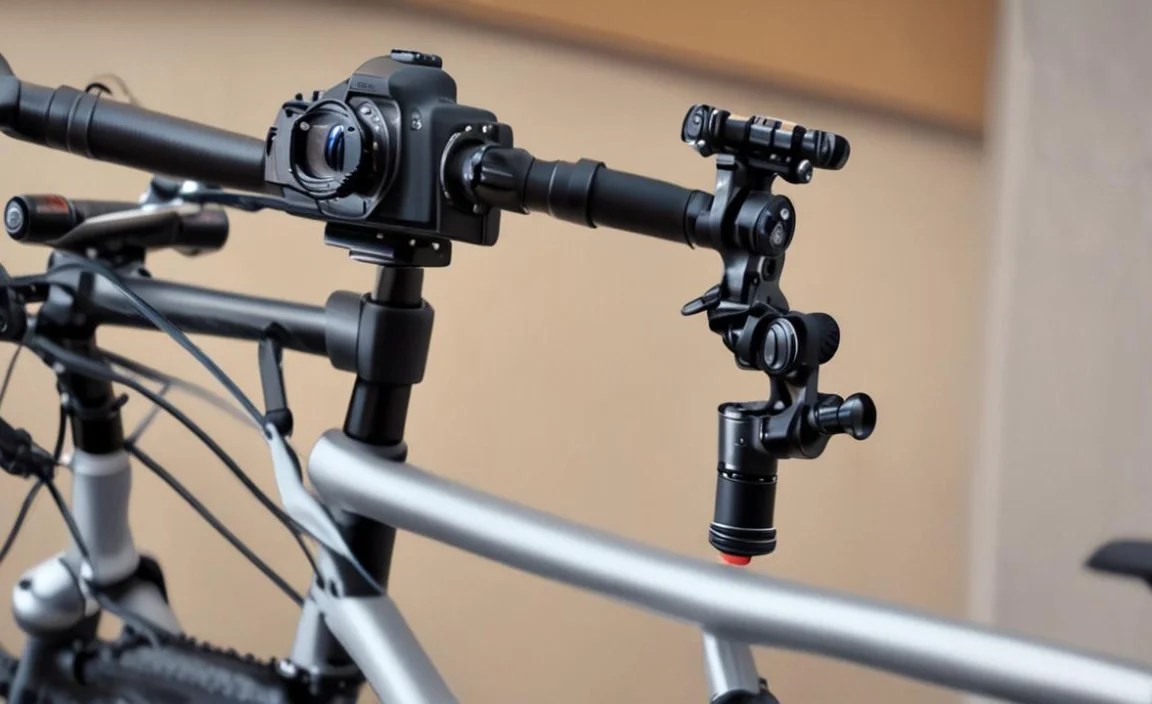
Now, let’s get to the fun part: mounting your camera! First, choose the right spot on your helmet. The top or side usually works best. Make sure the spot is smooth and flat. Clean the area with a cloth. This helps the mount stick better. Peel off the backing from the adhesive pad. Carefully position the mount on your helmet. Press it down firmly for several seconds. This helps the adhesive bond to the helmet. If your mount uses screws, tighten them carefully. Don’t overtighten them. This could damage the helmet. Attach your camera to the mount. Make sure it’s secure. Adjust the angle of the camera. Test the camera before you go for a ride. Make sure it’s recording properly. Now you’re ready to capture your adventures!
- Choose a smooth, flat spot on your helmet.
- Clean the area before attaching the mount.
- Peel off the adhesive backing carefully.
- Press the mount firmly onto the helmet.
- Tighten screws without overtightening.
- Attach the camera securely to the mount.
- Adjust the camera angle for the best view.
Let the adhesive cure for at least 24 hours. This gives it time to fully bond to the helmet. Avoid riding in wet conditions during this time. This could weaken the adhesive. Check the mount regularly to make sure it’s still secure. If you notice any loosening, tighten the screws or replace the adhesive pad. Consider using a safety tether. This is a small strap that connects the camera to the helmet. If the mount fails, the tether will keep the camera from falling. A good installation is key to getting great videos. It also keeps your camera safe and secure. Follow these steps and you’ll be capturing amazing footage in no time.
Fun Fact or Stat: Some helmet manufacturers integrate camera mounts directly into the helmet design for a seamless look and enhanced safety.
How to Find the Best Position for Your Camera
Finding the best position for your camera is important. It affects the quality of your videos. Think about what you want to capture. If you want to focus on the road ahead, mount the camera on top of your helmet. This gives you a clear view of what’s in front of you. If you want to show off your surroundings, mount the camera on the side of your helmet. This captures more of the scenery. Experiment with different positions to see what works best. Try mounting the camera on your chin. This gives you a unique perspective. It looks like you’re seeing the world through your own eyes. Consider the weight of the camera. A heavy camera can be uncomfortable on your helmet. Try to position it so that it’s balanced. A good position will help you capture amazing videos.
What to Do If the Mount Doesn’t Stick
Sometimes, the mount doesn’t stick to the helmet. This can be frustrating. But don’t worry, there are ways to fix it. First, make sure the surface is clean. Wipe it down with rubbing alcohol. Let it dry completely. Try using a new adhesive pad. The old one might be worn out. Make sure you’re pressing the mount down firmly. Hold it in place for several seconds. If the helmet is curved, try using a curved mount. This will fit the helmet better. You can also use a heat gun to warm up the adhesive. This helps it stick better. Be careful not to overheat the adhesive. If all else fails, try using screws. This will give you a more secure connection. Don’t give up. With a little effort, you can get the mount to stick.
How to Adjust the Camera Angle for the Best View
Adjusting the camera angle is key to getting the best view. You want to make sure the camera is pointing in the right direction. Loosen the screws on the mount. This will allow you to adjust the angle. Point the camera up or down. Tilt it to the side. Look at the view through the camera. Make sure it’s capturing what you want to see. Tighten the screws to lock the camera in place. Test the camera while you’re riding. Make sure the angle is still good. You might need to make small adjustments. Don’t be afraid to experiment. The perfect angle will depend on your riding style. With a little practice, you’ll be able to find the perfect angle every time.
Ensuring a Secure and Stable Camera Setup
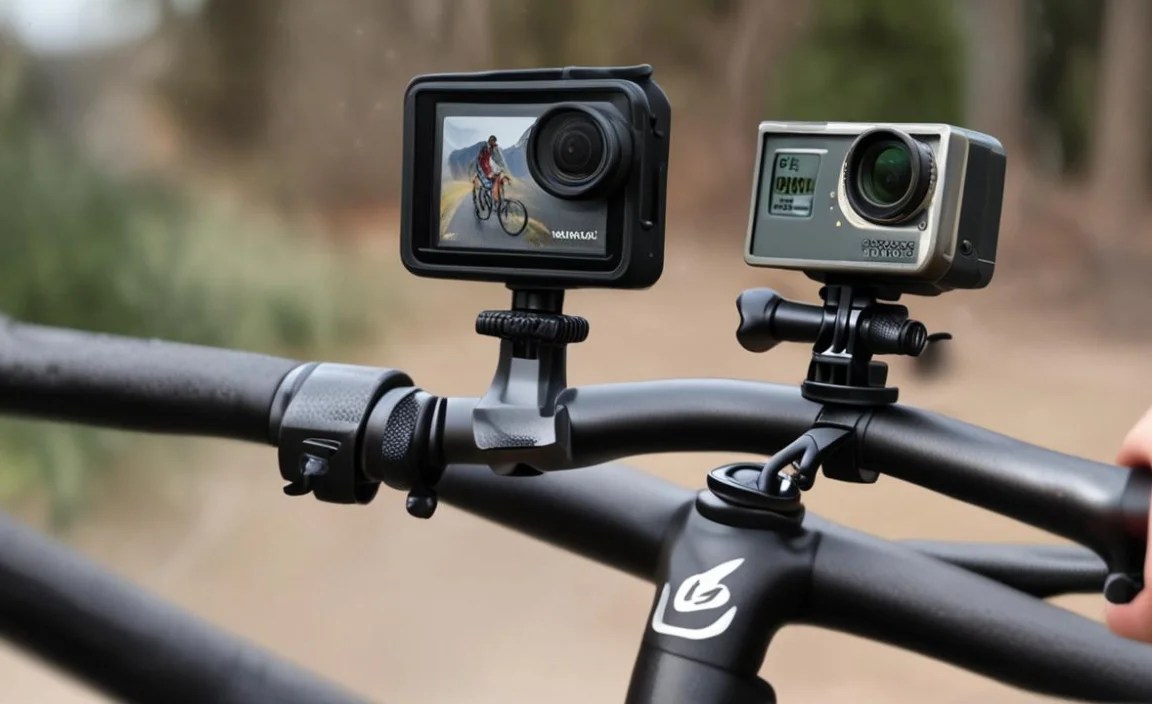
A secure and stable camera setup is very important. It keeps your camera safe and ensures clear videos. Make sure the mount is firmly attached to your helmet. Check the screws regularly. Tighten them if they are loose. Use a safety tether. This will prevent the camera from falling if the mount fails. Choose a mount that is designed for your camera. A mismatched mount can be unstable. Consider the weight of your camera. A heavy camera needs a stronger mount. Avoid riding in rough conditions. This can put extra stress on the mount. Inspect the mount regularly for wear and tear. Replace it if it is damaged. A secure camera setup gives you peace of mind. You can focus on your ride and capture great videos.
- Check screws regularly for tightness.
- Use a safety tether for added security.
- Choose a mount designed for your camera.
- Consider the weight of your camera.
- Avoid rough riding conditions.
- Inspect the mount for wear and tear.
Think about the vibrations. Vibrations can make your videos blurry. Use a mount that dampens vibrations. Mount the camera as close to your helmet as possible. This reduces the amount of movement. Use a camera with image stabilization. This helps to smooth out the footage. You can also use software to stabilize the video after you record it. Test your camera setup before you go for a long ride. Make sure everything is secure and stable. A little preparation can go a long way. It will help you capture amazing videos that you can share with the world.
Fun Fact or Stat: Professional filmmakers use specialized stabilizers and rigs to achieve smooth, cinematic footage in challenging environments.
How Often Should You Check Your Mount?
Checking your mount regularly is a good habit. It helps you catch problems before they become serious. Check the mount before every ride. Make sure the screws are tight. Look for any signs of damage. If you ride frequently, check the mount more often. Rough conditions can wear down the mount faster. Pay attention to any changes in the way the camera feels. If it’s wobbling or moving around, something is wrong. Don’t wait until the mount fails completely. A little maintenance can prevent a lot of problems. A secure mount keeps your camera safe and your videos clear. It’s worth taking a few minutes to check it regularly.
What Are the Signs of a Failing Mount?
Knowing the signs of a failing mount can save your camera. Look for cracks or breaks in the mount. Check the screws for rust or corrosion. If the mount is loose, it’s a sign that something is wrong. If the camera is wobbling or vibrating, the mount might be failing. Pay attention to any unusual noises. A creaking or grinding sound could indicate a problem. If you notice any of these signs, replace the mount immediately. Don’t risk your camera. A new mount is a small price to pay for peace of mind. A failing mount can also be dangerous. It could fall off and hit someone. Protect yourself and others by replacing the mount when necessary.
How to Handle Extreme Weather Conditions
Extreme weather can be tough on your camera mount. Heat, cold, and moisture can damage the mount. In hot weather, the adhesive can soften. This can cause the mount to loosen. In cold weather, the plastic can become brittle. This can cause it to crack. Moisture can rust the screws and corrode the mount. To protect your mount, avoid riding in extreme weather. If you must ride, take extra precautions. Use a waterproof case for your camera. This will protect it from moisture. Check the mount more frequently. Replace it if you notice any damage. Store your camera and mount in a cool, dry place. This will help them last longer. With a little care, you can protect your camera mount from the elements.
Troubleshooting Common Installation Problems
Sometimes, things don’t go as planned. You might run into problems when installing your camera mount. Don’t worry, there are solutions. If the mount doesn’t stick, clean the surface thoroughly. Use rubbing alcohol to remove any grease or dirt. If the screws are too tight, they can strip the threads. Use a smaller screwdriver or Allen wrench. If the camera is wobbling, tighten the screws. You might also need to use a different mount. If the camera angle is wrong, adjust the mount. Loosen the screws and reposition the camera. If you’re having trouble, ask for help. A friend or family member might be able to assist you. You can also watch videos online. There are many tutorials that show you how to install a camera mount. Don’t give up. With a little effort, you can overcome any challenges.
- Clean the surface for better adhesion.
- Use the correct size screwdriver.
- Tighten screws to stop wobbling.
- Adjust the mount for the right angle.
- Ask for help if needed.
Check the compatibility of the mount and the camera. Some mounts are not designed for certain cameras. Make sure you’re using the right mount for your camera. Read the instructions carefully. This will help you avoid common mistakes. If you’re not sure about something, look it up online. There are many resources available to help you. Be patient. Installing a camera mount can take time. Don’t rush the process. Take your time and do it right. The results will be worth it. You’ll be able to capture amazing videos of your adventures.
Fun Fact or Stat: Many online communities and forums offer troubleshooting advice and support for camera mounting issues.
What to Do If You Strip a Screw
Stripping a screw is a common problem. It happens when the screwdriver slips and damages the screw head. If you strip a screw, don’t panic. There are ways to remove it. Try using a rubber band. Place the rubber band over the screw head. Then insert the screwdriver and try to turn the screw. The rubber band can help the screwdriver grip the screw. You can also try using a screw extractor. This is a special tool that is designed to remove stripped screws. Follow the instructions that come with the screw extractor. If you can’t remove the screw, you might need to drill it out. Use a drill bit that is slightly smaller than the screw. Drill slowly and carefully. Once you’ve removed the screw, replace it with a new one. Be careful not to strip the new screw.
How to Fix a Loose Mount
A loose mount can be a problem. It can cause your camera to wobble and your videos to be blurry. To fix a loose mount, start by tightening the screws. Make sure they are snug, but not too tight. If the screws are already tight, the mount might be worn out. Try replacing the mount with a new one. You can also try using a different type of mount. Some mounts are more secure than others. If the mount is attached with adhesive, try cleaning the surface and applying new adhesive. Make sure the surface is clean and dry before applying the adhesive. Press the mount firmly onto the surface and hold it in place for several seconds. If the mount is still loose, you might need to use screws. Drill small holes into the surface and attach the mount with screws. Be careful not to damage the surface.
What to Do If the Camera Angle Is Off
If the camera angle is off, your videos might not look as good as you want them to. To fix the camera angle, start by loosening the screws on the mount. This will allow you to adjust the camera. Move the camera up or down, left or right, until you get the desired angle. Once you have the correct angle, tighten the screws to secure the camera in place. Test the camera to make sure the angle is correct. If the angle is still off, repeat the process. You might need to make small adjustments to get the perfect angle. Be patient and take your time. With a little effort, you can get the camera angle just right.
Maintenance Tips for Your Helmet Camera Mount
Taking care of your helmet camera mount is very important. Regular maintenance keeps it working well. Clean the mount after each ride. Use a damp cloth to wipe off dirt and grime. Check the screws regularly. Tighten them if they are loose. Inspect the mount for cracks or breaks. Replace it if it’s damaged. Store the mount in a safe place. Avoid exposing it to extreme temperatures. Protect it from moisture. If you’re not using the mount for a long time, remove it from your helmet. Store it in a dry, cool place. Following these tips will help your mount last longer. It will also keep your camera safe and secure.
- Clean the mount after each ride.
- Check screws regularly for tightness.
- Inspect the mount for damage.
- Store the mount in a safe place.
- Protect it from extreme temperatures.
- Remove it when not in use.
Think about the adhesive. Adhesive mounts can lose their stickiness over time. If your mount is not sticking well, replace the adhesive pad. Make sure the surface is clean and dry before applying the new adhesive. Consider using a safety tether. This will prevent your camera from falling if the mount fails. A little maintenance can go a long way. It will help you avoid problems and keep your camera safe. It will also ensure that you can continue capturing amazing videos of your adventures.
| Maintenance Task | Frequency | Why |
|---|---|---|
| Cleaning | After each ride | Removes dirt and grime that can damage the mount. |
| Checking Screws | Before each ride | Ensures the mount is secure and prevents wobbling. |
| Inspecting for Damage | Monthly | Identifies cracks or breaks that can compromise safety. |
| Replacing Adhesive | As needed | Maintains a strong bond between the mount and helmet. |
Fun Fact or Stat: Regular maintenance can extend the lifespan of your camera mount by up to 50%.
How to Clean Your Mount Properly
Cleaning your mount properly is very important. It helps to remove dirt, grime, and other debris. These things can damage the mount over time. Use a soft, damp cloth to wipe down the mount. Avoid using harsh chemicals or abrasive cleaners. These can damage the finish of the mount. Pay attention to the screws. Clean them with a small brush to remove any dirt. If the mount is very dirty, you can soak it in warm, soapy water for a few minutes. Rinse it thoroughly and let it dry completely before using it. Cleaning your mount regularly will help it last longer and perform better.
How to Store Your Mount When Not in Use
Storing your mount properly is important. It protects it from damage. When you’re not using your mount, store it in a cool, dry place. Avoid storing it in direct sunlight or in a hot car. This can damage the adhesive. Keep it away from moisture. Moisture can rust the screws and corrode the mount. Store the mount in a small box or bag. This will protect it from dust and scratches. If you’re storing the mount for a long time, remove it from your helmet. This will prevent the adhesive from damaging the helmet. A little care in storage can help your mount last longer.
When to Replace Your Camera Mount
Knowing when to replace your camera mount is very important. It ensures your camera stays safe and secure. Replace the mount if it’s damaged. Look for cracks, breaks, or other signs of wear and tear. If the screws are stripped or rusted, replace the mount. If the adhesive is no longer sticking, replace the mount. If the mount is wobbling or moving around, replace it. Don’t wait until the mount fails completely. Replace it as soon as you notice any problems. A new mount is a small price to pay for peace of mind. It will protect your camera and ensure that you can continue capturing amazing videos of your adventures.
Summary
Installing a helmet camera mount on a bike mount arm is simple. You need to choose the right mount. Gather the necessary tools. Follow the step-by-step instructions. A secure and stable setup is very important. It keeps your camera safe and ensures clear videos. Regular maintenance helps your mount last longer. Troubleshooting common problems can save you time and frustration. Knowing how to install helmet camera mount on bike mount arm enhances your biking experience and helps you capture amazing videos. Always prioritize safety and take your time to ensure a proper installation.
Conclusion
Installing a helmet camera mount on a bike mount arm is easier than you think. By following these steps, you can capture amazing videos. Choose the right mount and tools. Ensure a secure and stable setup. Regular maintenance will keep your mount in good condition. Now you know how to install helmet camera mount on bike mount arm. Get ready to share your biking adventures with the world. Enjoy the ride and happy filming!
Frequently Asked Questions
Question No 1: What is the best type of helmet camera mount for a beginner?
Answer: For beginners, an adhesive mount is often the easiest to use. These mounts stick directly to your helmet. Make sure the surface is clean before you attach the mount. Press it firmly and let it set for 24 hours. This gives the adhesive time to bond. Adhesive mounts are simple and don’t require tools. They are a great starting point for learning how to install helmet camera mount on bike mount arm. Always test the mount before your first ride to ensure it’s secure.
Question No 2: How do I make sure my camera mount is secure on my helmet?
Answer: To ensure your camera mount is secure, start by cleaning your helmet. Use rubbing alcohol to remove any dirt or oil. Let it dry completely. Choose a flat spot on your helmet for the mount. Apply the adhesive pad firmly. Hold it in place for at least 30 seconds. Let the adhesive cure for 24 hours before using it. Check the mount regularly for any signs of loosening. Consider using a safety tether for extra security. This will prevent your camera from falling if the mount fails.
Question No 3: Can I use the same helmet camera mount for different helmets?
Answer: It depends on the type of mount. Adhesive mounts are usually designed for one-time use. Once you remove them, the adhesive may not be as strong. Screw-on mounts can be transferred to different helmets. But you’ll need to make sure they fit properly. Check the compatibility of the mount with each helmet. Some helmets have different shapes that may not work with certain mounts. Always test the mount on each helmet before using it. It is important to understand how to install helmet camera mount on bike mount arm correctly for each helmet.
Question No 4: What should I do if my helmet camera mount keeps vibrating?
Answer: Vibrations can ruin your videos. To reduce vibrations, make sure your mount is tight. Check the screws and tighten them if necessary. Use a mount made of vibration-dampening material. Rubber or foam can help absorb vibrations. Mount the camera as close to your helmet as possible. This reduces the amount of movement. Use a camera with image stabilization. This helps to smooth out the footage. You can also use software to stabilize the video after you record it. These steps help ensure you know how to install helmet camera mount on bike mount arm properly to minimize vibrations.
Question No 5: How do I adjust the angle of my helmet camera mount?
Answer: Most helmet camera mounts have adjustable angles. Loosen the screws or knobs that hold the camera in place. Adjust the camera to the desired angle. Tighten the screws or knobs to secure the camera. Test the camera to make sure the angle is correct. You might need to make small adjustments. Some mounts have a ball joint. This allows you to adjust the camera in any direction. Experiment with different angles to find what works best for you. This helps ensure you know how to install helmet camera mount on bike mount arm properly to maximize your video quality.
Question No 6: What are some common mistakes to avoid when installing a helmet camera mount?
Answer: One common mistake is not cleaning the helmet properly. Dirt and oil can prevent the adhesive from sticking. Another mistake is not letting the adhesive cure for long enough. Wait at least 24 hours before using the camera. Overtightening the screws can damage the mount or the helmet. Using the wrong type of mount for your helmet can also cause problems. Make sure the mount is compatible with your helmet. Rushing the installation process can lead to mistakes. Take your time and follow the instructions carefully. These tips will help you avoid common problems when learning how to install helmet camera mount on bike mount arm.


