
How to Clean Tools After Fixing a Flat: Easy Steps

Quick Summary: Cleaning your tools after fixing a flat is simple! Wipe off dirt and grime with a clean rag. For stubborn grease, use a degreaser or soapy water. Dry your tools thoroughly to prevent rust. Store them in a dry place, like a toolbox, to keep them ready for your next ride.
Fixing a flat tire is a common part of cycling. But what about the tools you used? Dirty, greasy tools aren’t just unpleasant to handle; they can also rust and wear out faster. Neglecting your tools after a quick repair can lead to frustration and extra expense down the road.
This guide provides a straightforward, step-by-step process to clean your tools after fixing a flat. We’ll cover everything from basic wiping to more thorough cleaning methods, ensuring your tools are always in top shape for your next roadside repair. Let’s get started and keep your cycling toolkit ready for action!
Why Cleaning Your Tools Matters

It’s easy to toss your tools back into your bag after fixing a flat, but taking a few extra minutes to clean them offers big benefits. Here’s why it’s worth the effort:
- Prevents Rust: Moisture and dirt can cause rust, weakening your tools and making them less effective.
- Extends Tool Life: Regular cleaning removes grime that can cause wear and tear, helping your tools last longer.
- Improves Grip: Clean tools are easier and safer to handle, especially when your hands are already tired.
- Maintains Performance: Clean tools work better. A clean chain tool, for example, will operate more smoothly.
- Saves Money: By keeping your tools in good condition, you avoid the cost of replacing them frequently.
Essential Supplies for Cleaning

Before you start, gather these basic supplies. Having everything ready will make the cleaning process quick and efficient:
- Clean Rags: Microfiber cloths work great for wiping off dirt and grease.
- Bucket of Warm Water: For rinsing and washing tools.
- Mild Soap or Degreaser: Dish soap or a bike-specific degreaser will cut through grease.
- Small Brush: An old toothbrush or parts cleaning brush helps remove dirt from tight spaces.
- Dry Towel: To thoroughly dry your tools after cleaning.
- Lubricant (Optional): A light oil to protect metal surfaces after drying.
- Gloves (Optional): To keep your hands clean and protected.
Step-by-Step Guide to Cleaning Your Tools

Follow these steps to clean your tools effectively after fixing a flat. Each step is designed to be simple and easy to follow, even if you’re new to bike maintenance.
Step 1: Initial Wipe Down
Start by wiping down each tool with a clean rag. This removes loose dirt, grit, and excess grease. Pay special attention to moving parts, like those on a multi-tool or chain tool.
This initial wipe-down prevents you from spreading the grime around in the next steps.
Step 2: Prepare Your Cleaning Solution
Fill a bucket with warm water and add a small amount of mild soap or degreaser. If you’re using a degreaser, follow the manufacturer’s instructions for dilution. A little goes a long way!
Step 3: Scrub Away the Grime
Dip each tool into the soapy water and use a small brush to scrub away any remaining dirt and grease. Focus on areas where grime tends to accumulate, such as threads, joints, and textured surfaces. For stubborn spots, let the tool soak in the solution for a few minutes before scrubbing.
Step 4: Rinse Thoroughly
Rinse each tool with clean water to remove all traces of soap or degreaser. Make sure no residue remains, as it can attract dirt and cause corrosion.
Step 5: Dry Completely
Use a clean, dry towel to thoroughly dry each tool. Pay attention to small crevices and moving parts. Compressed air can also be helpful for drying hard-to-reach areas.
Drying is a critical step in preventing rust. Don’t skip it!
Step 6: Lubricate (Optional)
For added protection against rust, apply a light coat of lubricant to metal surfaces. Use a rag to spread the lubricant evenly. This is especially helpful for tools that will be stored for an extended period.
A little bit of lubricant can go a long way to protect your tools.
Step 7: Proper Storage
Store your clean, dry tools in a toolbox or other protected area. This will keep them organized and prevent them from getting dirty or damaged. A dry environment is essential to prevent rust.
Cleaning Specific Tools: Tips and Tricks
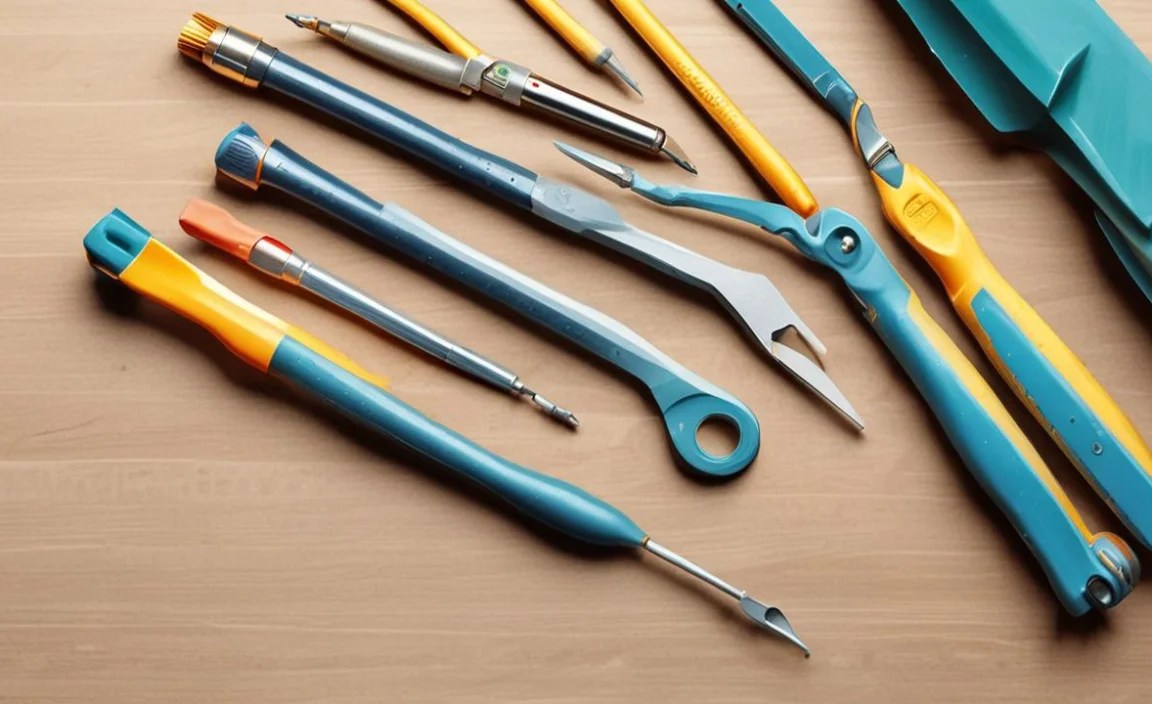
Some tools require a little extra attention due to their design or function. Here are some specific tips for cleaning common bike tools:
Multi-Tools
Multi-tools have many moving parts, so cleaning can be a bit more involved. Use a brush to get into all the nooks and crannies. Apply a small amount of lubricant to the pivot points to keep them moving smoothly.
Tire Levers
Tire levers often get covered in sealant or sticky residue. Soak them in warm, soapy water to loosen the grime before scrubbing. A plastic scraper can also help remove stubborn sealant.
Chain Tools
Chain tools can accumulate a lot of grease and grime. Use a degreaser to dissolve the buildup. Make sure to dry and lubricate the moving parts thoroughly to keep the tool working smoothly.
Allen Wrenches and Torx Wrenches
These tools are relatively easy to clean. Wipe them down with a rag and use a brush to remove any dirt from the wrench heads. If they start to rust, use a wire brush to remove the rust and then apply a lubricant.
Dealing with Stubborn Grime and Rust

Sometimes, a simple cleaning isn’t enough to remove stubborn grime or rust. Here are some additional techniques you can try:
- Soaking: Soak heavily soiled tools in a degreaser or rust remover for several hours or overnight.
- Steel Wool: Use fine steel wool to gently scrub away rust. Be careful not to scratch the tool’s surface.
- Rust Converter: Apply a rust converter to neutralize rust and prevent it from spreading. Follow the manufacturer’s instructions carefully.
- Ultrasonic Cleaner: For heavily soiled or rusted tools, an ultrasonic cleaner can be very effective. These devices use sound waves to dislodge dirt and grime from hard-to-reach areas.
Choosing the Right Cleaning Products
Selecting the right cleaning products can make a big difference in the effectiveness and ease of cleaning. Here’s a quick guide:
- Mild Soap: Dish soap is a good general-purpose cleaner for removing dirt and light grease.
- Degreaser: Use a bike-specific degreaser for heavy grease and grime. These are formulated to be safe for bike components.
- Rust Remover: Choose a rust remover that is appropriate for the type of metal your tools are made of.
- Lubricant: A light oil, such as WD-40 or a bike-specific lubricant, can protect metal surfaces from rust.
Tool Maintenance Schedule
Regular maintenance is key to keeping your tools in top condition. Here’s a suggested schedule:
| Frequency | Task | Description |
|---|---|---|
| After Each Use | Wipe Down | Wipe off dirt and grease with a clean rag. |
| Monthly | Deep Clean | Wash tools with soap and water, dry thoroughly, and lubricate. |
| Annually | Inspect and Repair | Check for rust or damage. Repair or replace tools as needed. |
The Importance of Proper Storage
How you store your tools is just as important as how you clean them. Proper storage protects your tools from damage, rust, and loss. Here are some storage tips:
- Toolbox: A toolbox is a great way to keep your tools organized and protected. Choose a toolbox with compartments to keep tools separated and prevent them from rubbing against each other.
- Tool Roll: A tool roll is a compact and portable storage solution. It’s ideal for carrying tools on rides or keeping them organized in a small space.
- Pegboard: A pegboard is a good option for storing tools in a workshop or garage. It allows you to easily see and access your tools.
- Dry Environment: Store your tools in a dry place to prevent rust. Avoid storing them in damp basements or sheds.
Common Mistakes to Avoid
Even with the best intentions, it’s easy to make mistakes when cleaning and storing your tools. Here are some common pitfalls to avoid:
- Using Abrasive Cleaners: Avoid using abrasive cleaners or scouring pads, as they can scratch and damage your tools.
- Leaving Tools Wet: Always dry your tools thoroughly after cleaning to prevent rust.
- Storing Tools in Damp Places: Avoid storing tools in damp basements or sheds, as this can cause them to rust.
- Neglecting Maintenance: Don’t wait until your tools are heavily soiled or rusted before cleaning them. Regular maintenance is key to keeping them in good condition.
Investing in Quality Tools
While proper cleaning and maintenance can extend the life of your tools, it’s also important to invest in quality tools in the first place. High-quality tools are made from durable materials and are designed to withstand the rigors of regular use.
Here are some factors to consider when choosing bike tools:
- Material: Look for tools made from high-quality steel, such as chrome vanadium or alloy steel.
- Construction: Choose tools that are well-built and designed to last.
- Ergonomics: Look for tools that are comfortable to hold and use.
- Warranty: A good warranty can provide peace of mind and protect your investment.
Some reputable brands for bike tools include Park Tool, Pedro’s, and Feedback Sports.
Advanced Cleaning Techniques
For those who want to take their tool cleaning to the next level, here are some advanced techniques:
- Electrolysis: Electrolysis is a method of removing rust using an electric current. It’s a more involved process, but it can be very effective for heavily rusted tools.
- Bead Blasting: Bead blasting is a method of cleaning tools using abrasive media. It’s a more aggressive cleaning method that can remove rust and grime quickly.
- Powder Coating: Powder coating is a method of applying a protective coating to tools. It can help prevent rust and corrosion.
FAQ: Cleaning Tools After Fixing a Flat
Here are some frequently asked questions about cleaning tools after fixing a flat tire, designed to help beginner cyclists maintain their equipment with confidence.
1. How often should I clean my bike tools?
Ideally, wipe down your tools after each use to remove dirt and grease. A more thorough cleaning should be done monthly, especially if you use your tools frequently.
2. Can I use WD-40 to clean my tools?
WD-40 can be used to displace water and prevent rust, but it’s not a degreaser. Use it after cleaning with soap and water or a degreaser. It’s best as a protectant, not a cleaner.
3. What’s the best way to remove rust from my tools?
For light rust, use fine steel wool. For heavier rust, soak the tools in a rust remover or use a rust converter product. Always protect your eyes and skin when using these products.
4. Is it okay to use dish soap to clean my bike tools?
Yes, mild dish soap is effective for removing dirt and light grease. Just ensure you rinse the tools thoroughly and dry them completely to prevent rust.
5. How do I keep my multi-tool clean?
Use a small brush to clean between the tools, and apply a drop of lubricant at the pivot points. Wipe it down after each use to prevent buildup.
6. What should I do if my tools get sealant on them?
Soak the affected tools in warm, soapy water to soften the sealant. Then, use a plastic scraper to gently remove the residue.
7. Where is the best place to store my bike tools?
Store your tools in a dry, protected area like a toolbox or tool roll. Avoid damp basements or sheds, as moisture can cause rust.
Conclusion
Cleaning your tools after fixing a flat might seem like a small task, but it’s an essential part of bike maintenance. By following the simple steps outlined in this guide, you can keep your tools in top condition, extend their lifespan, and ensure they’re always ready for your next roadside repair. So next time you fix a flat, take a few extra minutes to clean your tools – your future self will thank you!


