
How to Make DIY Replacement Hose: Easy Guide

Quick Summary:
Making a DIY replacement hose is straightforward! You’ll need to measure your old hose, purchase a new hose of the same diameter (typically from an auto parts store or online), cut it to the correct length, and securely attach it using hose clamps. Always double-check for leaks and proper fit before relying on your DIY hose.
Bike hoses can wear out, crack, or get damaged, leaving you stranded. Instead of rushing to the bike shop every time, learning how to make a DIY replacement hose can save you time and money. It’s a practical skill that lets you customize your setup, ensure a perfect fit, and get back on the road quickly.
This guide provides a clear, step-by-step process for creating your own replacement hoses. From gathering the right materials to leak-testing your final product, we’ll walk you through each stage. Get ready to tackle this simple yet essential bike maintenance task!
What You’ll Need


Before we dive into the steps, let’s gather everything you’ll need. Having the right tools and materials makes the process smooth and efficient.
- New Hose: Purchase a hose with the same inner diameter and material as your old one. Auto parts stores are a great resource.
- Hose Clamps: Ensure they match the hose size for a secure fit.
- Measuring Tape: For accurate length measurements.
- Hose Cutter or Sharp Knife: To cut the hose cleanly. A utility knife can work, but a hose cutter provides a cleaner cut.
- Screwdriver or Nut Driver: To tighten the hose clamps.
- Safety Glasses: To protect your eyes during cutting.
- Work Gloves: To protect your hands.
Step-by-Step Guide to Making a DIY Replacement Hose


Follow these steps to create your own replacement hose. Each step is designed to be clear and easy to follow, even if you’re new to DIY repairs.
Step 1: Remove the Old Hose
Start by carefully removing the old, damaged hose from your bike. This step is crucial to ensure accurate measurements and a proper fit for your new hose.
- Loosen the Hose Clamps: Use a screwdriver or nut driver to loosen the hose clamps on both ends of the old hose. Turn the screws counterclockwise until the clamps are loose enough to slide.
- Detach the Hose: Gently pull the hose off the fittings. If it’s stuck, try twisting it slightly or using a flathead screwdriver to carefully pry it off. Be careful not to damage the fittings.
- Inspect the Fittings: Check the fittings for any signs of damage or corrosion. Clean them with a wire brush if necessary. If the fittings are damaged, consider replacing them as well.
Step 2: Measure the Old Hose
Accurate measurement is key to ensuring your new hose fits perfectly. Follow these steps to get the right length.
- Lay the Old Hose Straight: Place the old hose on a flat surface and straighten it out as much as possible. Avoid stretching it, as this can lead to an inaccurate measurement.
- Measure the Length: Use a measuring tape to measure the length of the hose from end to end. Note the measurement in inches or centimeters.
- Note the Inner Diameter: Measure the inner diameter of the hose. This is crucial for selecting the correct size of replacement hose. You can use calipers for a precise measurement or compare it to the fitting size.
Step 3: Cut the New Hose to Size
Now that you have the measurements, it’s time to cut the new hose to the correct length. A clean, precise cut is essential for a good seal.
- Mark the Hose: Use a marker to mark the desired length on the new hose. Double-check the measurement to ensure accuracy.
- Cut the Hose: Use a hose cutter or a sharp knife to cut the hose at the marked point. If using a knife, place the hose on a cutting board and use a steady, even pressure to cut through it. A hose cutter provides a cleaner, more precise cut.
- Deburr the Cut End: Use a utility knife or sandpaper to remove any burrs or rough edges from the cut end of the hose. This will help ensure a smooth, leak-free connection.
Step 4: Attach the New Hose
With the hose cut to size, it’s time to attach it to your bike. Proper installation is crucial for preventing leaks and ensuring reliable performance.
- Slide the Hose Clamps On: Slide a hose clamp onto each end of the new hose. Make sure the clamps are oriented correctly, with the screw mechanism accessible for tightening.
- Attach the Hose to the Fittings: Push the ends of the hose onto the fittings. Make sure the hose is fully seated and covers the fitting completely.
- Position the Hose Clamps: Position the hose clamps over the fittings, ensuring they are securely clamping the hose onto the fitting. The clamp should be positioned so that it is clamping the hose over the area where the fitting is inserted.
- Tighten the Hose Clamps: Use a screwdriver or nut driver to tighten the hose clamps. Tighten them firmly, but be careful not to overtighten, as this can damage the hose or the fittings.
Step 5: Test for Leaks
After attaching the new hose, it’s essential to test for leaks. This will ensure that your repair is successful and prevent any future problems.
- Inspect the Connections: Visually inspect the connections for any signs of leaks. Look for drips or wet spots around the hose clamps and fittings.
- Apply Pressure: If possible, apply pressure to the system to simulate normal operating conditions. This will help reveal any leaks that may not be apparent under normal circumstances.
- Check Again: After applying pressure, re-inspect the connections for leaks. If you find any leaks, tighten the hose clamps further or re-seat the hose on the fittings. If the leaks persist, you may need to replace the hose or fittings.
Choosing the Right Hose Material


Selecting the appropriate hose material is crucial for durability and performance. Different materials offer varying levels of resistance to heat, pressure, and chemicals.
Rubber Hoses
Rubber hoses are a common and versatile option for many applications. They offer good flexibility and resistance to abrasion.
- Pros: Flexible, abrasion-resistant, cost-effective.
- Cons: Can degrade over time with exposure to chemicals and high temperatures.
- Best For: General-purpose applications where high heat and chemical resistance are not required.
Silicone Hoses
Silicone hoses offer excellent resistance to high temperatures and chemicals, making them ideal for demanding environments.
- Pros: High heat resistance, chemical resistance, long lifespan.
- Cons: More expensive than rubber hoses, less abrasion-resistant.
- Best For: Applications involving high temperatures or exposure to chemicals.
Reinforced Hoses
Reinforced hoses are designed with an internal reinforcement layer to withstand high pressures. These are often made of rubber or silicone with a braided nylon or steel mesh.
- Pros: High pressure resistance, durable, resistant to bursting.
- Cons: Less flexible than non-reinforced hoses, can be more expensive.
- Best For: Applications involving high pressures, such as hydraulic systems.
Essential Tools for Hose Replacement
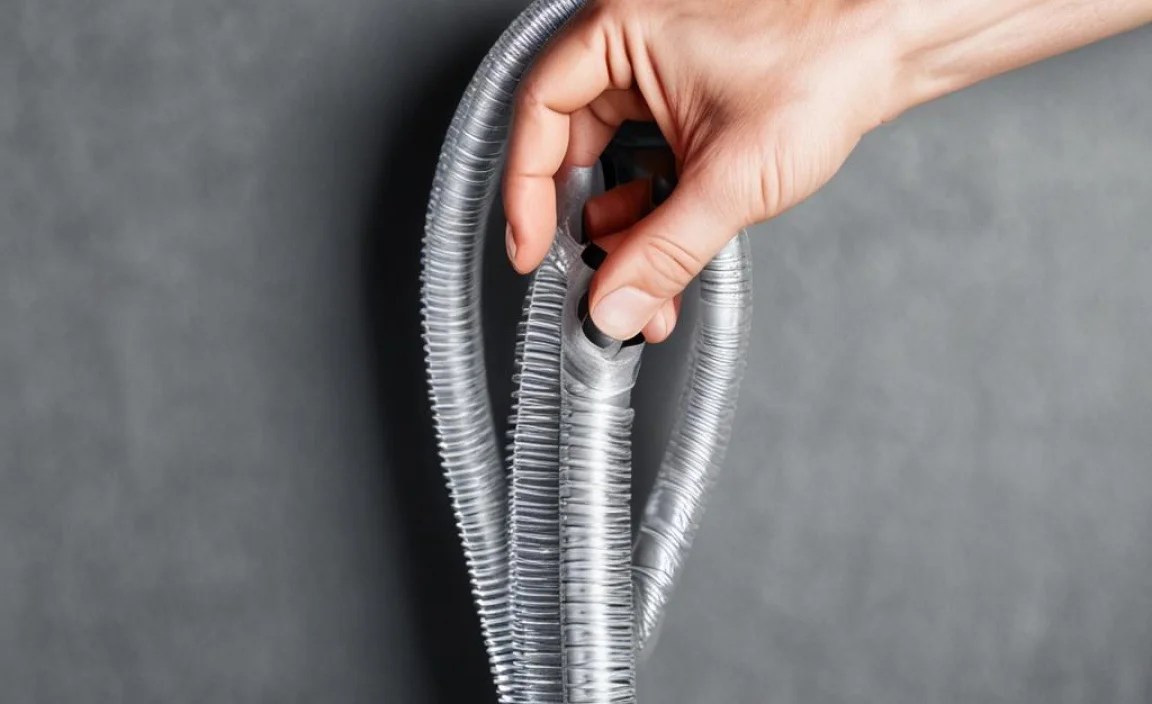
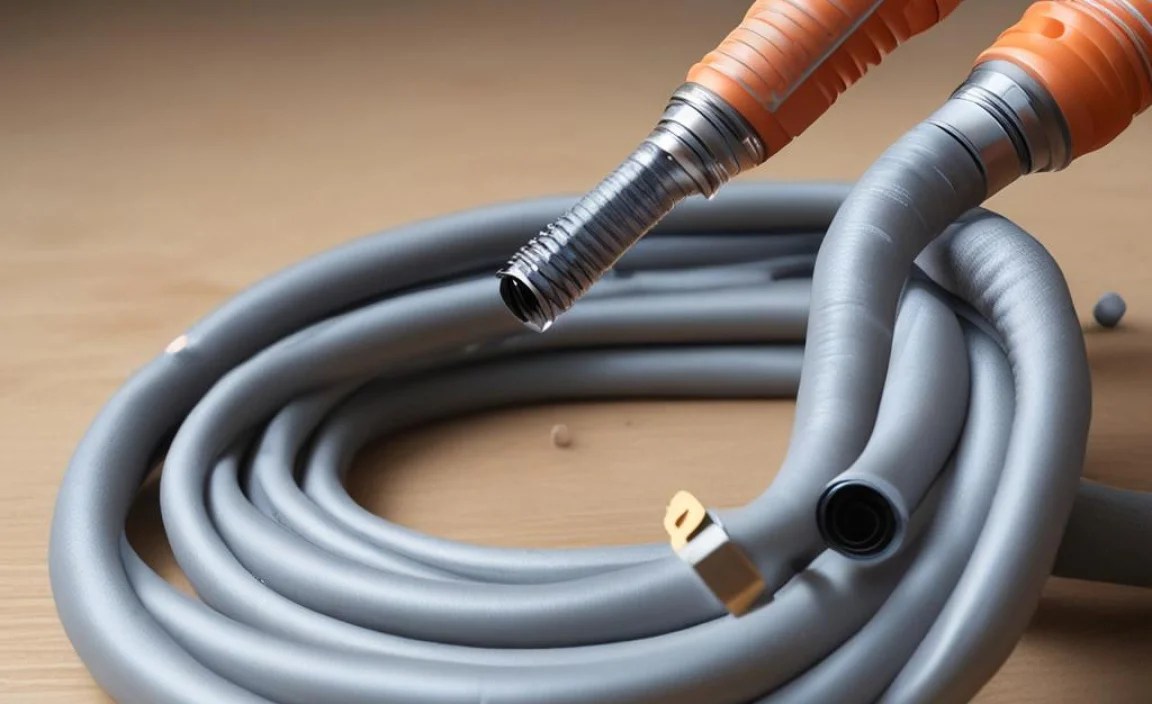
Having the right tools can make the hose replacement process much easier and more efficient. Here’s a list of essential tools:
- Hose Cutter: Provides a clean, precise cut for hoses.
- Screwdriver or Nut Driver: For tightening and loosening hose clamps.
- Measuring Tape: For accurate length measurements.
- Calipers: For measuring the inner diameter of hoses.
- Utility Knife: For deburring cut ends and general cutting tasks.
- Safety Glasses: To protect your eyes from debris.
- Work Gloves: To protect your hands and improve grip.
Tips for a Successful Hose Replacement


Follow these tips to ensure a successful and long-lasting hose replacement:
- Use the Right Size Hose: Ensure the replacement hose has the same inner diameter and wall thickness as the original.
- Use Quality Hose Clamps: Invest in high-quality hose clamps that provide a secure and reliable seal.
- Avoid Overtightening: Tighten hose clamps firmly, but avoid overtightening, as this can damage the hose or fittings.
- Inspect Regularly: Regularly inspect hoses for signs of wear, cracks, or leaks. Replace them as needed to prevent problems.
- Use Lubricant: A small amount of silicone lubricant on the fittings can help the hose slide on more easily and create a better seal.
Table: Comparing Hose Materials
Here’s a table summarizing the key differences between common hose materials:
| Material | Pros | Cons | Best Use |
|---|---|---|---|
| Rubber | Flexible, abrasion-resistant, cost-effective | Degrades with chemicals and high heat | General-purpose applications |
| Silicone | High heat resistance, chemical resistance, long lifespan | More expensive, less abrasion-resistant | High-temperature or chemical environments |
| Reinforced | High pressure resistance, durable, burst-resistant | Less flexible, more expensive | High-pressure systems |
Table: Troubleshooting Common Hose Problems
Use this table to troubleshoot common hose-related issues:
| Problem | Possible Causes | Solutions |
|---|---|---|
| Leak at Connection | Loose hose clamp, damaged hose, damaged fitting | Tighten hose clamp, replace hose, replace fitting |
| Hose Collapse | Vacuum pressure, weak hose material | Use reinforced hose, check for obstructions |
| Hose Crack | Age, exposure to heat or chemicals | Replace hose with a more resistant material |
| Hose Swelling | Incompatible fluid | Replace hose with a chemically resistant material |
FAQ: Making DIY Replacement Hoses
Q: What type of hose should I use for high-temperature applications?
A: For high-temperature applications, use silicone hoses. They offer excellent heat resistance and can withstand temperatures that would degrade rubber hoses.
Q: How do I measure the inner diameter of a hose?
A: Use calipers for the most accurate measurement. Alternatively, you can try to match the hose to the size of the fitting it will connect to.
Q: Can I reuse hose clamps?
A: It’s generally best to use new hose clamps when replacing a hose. Old clamps may be corroded or stretched, which can compromise their ability to provide a secure seal.
Q: What if I overtighten the hose clamps?
A: Overtightening hose clamps can damage the hose or the fitting. It can cause the hose to crack or the fitting to deform. Tighten the clamps firmly, but avoid excessive force.
Q: How often should I inspect my hoses?
A: Inspect your hoses regularly, at least every few months, for signs of wear, cracks, or leaks. Regular inspection can help you catch problems early and prevent them from becoming more serious.
Q: What is the best way to cut a hose?
A: A hose cutter provides the cleanest and most precise cut. If you don’t have a hose cutter, use a sharp utility knife and a cutting board. Make sure to deburr the cut end to ensure a smooth connection.
Q: What should I do if I can’t find a replacement hose with the exact same dimensions?
A: Try to find a hose with the closest possible inner diameter and wall thickness. A slightly larger diameter might work with tighter clamps, but avoid using a hose that is significantly different in size.
Conclusion
Creating your own DIY replacement hose is a valuable skill that can save you time and money. By following these simple steps and tips, you can confidently tackle this task and keep your bike running smoothly. Remember to choose the right materials, measure accurately, and test thoroughly for leaks. With a little practice, you’ll be able to handle hose replacements like a pro, ensuring your rides are always safe and enjoyable. Now you’re equipped to maintain your bike’s hoses, avoid costly repairs, and keep on rolling!


