
How to Fix Tire Bulge After Patching: Easy Guide

Quick Summary
A tire bulge after patching means the tire’s internal structure is compromised and the patch didn’t fully restore its strength. The only safe solution is to replace the tire. While you might consider temporary fixes like reinforcing the area with a tire boot, these are not permanent and should only be used to get you home. Prioritize safety and get a new tire as soon as possible.
Finding a bulge in your tire after patching it can be frustrating and a little scary. You patched it, so shouldn’t it be good to go? Unfortunately, a bulge often indicates that the tire’s internal structure is still damaged, and the patch alone isn’t enough to fix it. Ignoring a bulge can lead to a blowout, which is dangerous, especially at high speeds. But don’t worry! This guide will walk you through what a bulge means, why it happens, and, most importantly, what steps you need to take to stay safe. Let’s get started so you can get back on the road with confidence!
Understanding Tire Bulges After Patching
Let’s get into the nitty-gritty of why a tire bulge appears even after you’ve applied a patch. It all comes down to the tire’s construction and the limitations of patching.
What Causes a Tire Bulge?
A tire bulge is usually caused by damage to the tire’s internal structure, specifically the plies (layers of fabric or cords) that give the tire its strength and shape. When these plies are damaged – say from hitting a curb, pothole, or sharp object – the inner tube pushes against the weakened area, causing an outward bulge. Think of it like a weak spot in a balloon; the air pressure will always find the path of least resistance.
Why Patching Isn’t Always Enough
A tire patch is designed to seal a puncture and prevent air from escaping the inner tube. It does a great job of that! However, a patch doesn’t restore the structural integrity of the tire casing itself. If the underlying plies are damaged, the patch only covers the hole, not the weakness. As you inflate the tire, the pressure continues to stress the damaged area, leading to the formation of a bulge. It’s like putting a band-aid on a broken bone – it covers the problem, but it doesn’t fix it.
Dangers of Riding with a Bulge
Riding with a tire bulge is risky for several reasons:
- Blowout Risk: The weakened area is susceptible to sudden failure, especially under pressure or when hitting bumps. A blowout can cause you to lose control of your bike, leading to an accident.
- Reduced Handling: A bulge can affect the tire’s shape and contact with the road, impacting your bike’s handling and stability. You might notice wobbling or difficulty steering.
- Further Damage: Continuing to ride on a bulged tire will only worsen the damage to the internal plies, increasing the risk of a catastrophic failure.
Assessing the Damage
Before you do anything else, take a close look at the bulge. The size and location can tell you a lot about the severity of the problem.
Inspecting the Bulge
- Size: How big is the bulge? A small bulge might seem less concerning, but even a small one indicates structural damage. A larger bulge is a clear sign of significant weakness.
- Location: Where is the bulge located on the tire? Bulges on the sidewall are particularly dangerous because the sidewall is a critical part of the tire’s structure. Patches on the sidewall are generally not recommended.
- Shape: What shape is the bulge? Is it a smooth, rounded bump, or is it irregular and lumpy? Irregular shapes might indicate more severe damage to the plies.
When to Replace Immediately
In most cases, a bulge after patching is a sign that the tire needs to be replaced. However, here are some specific scenarios where immediate replacement is crucial:
- Sidewall Bulge: Any bulge on the sidewall is a red flag. The sidewall is essential for maintaining the tire’s shape and supporting the load.
- Large Bulge: A large, noticeable bulge indicates significant structural damage and a high risk of blowout.
- Multiple Bulges: If you see more than one bulge on the tire, it’s a clear sign that the tire is severely compromised.
- Visible Cords: If you can see the internal cords or fabric through the bulge, the tire is on the verge of failure and needs to be replaced immediately.
Steps to Take After Finding a Bulge
Okay, you’ve found a bulge. Now what? Here’s a step-by-step guide to handling the situation.
Step 1: Stop Riding Immediately
The first and most important step is to stop riding your bike as soon as you notice the bulge. Continuing to ride will only increase the risk of a blowout and potential injury. Find a safe place to pull over and assess the situation.
Step 2: Deflate the Tire Slightly
Deflating the tire a bit can reduce the pressure on the bulge and minimize the risk of immediate failure. Don’t deflate it completely, just enough to relieve some of the stress. Use your pump to let out some air gradually.
Step 3: Inspect the Tire Carefully
Give the tire a thorough inspection to determine the size, location, and shape of the bulge. Look for any visible cords or other signs of severe damage. This will help you decide on the best course of action.
Step 4: Consider a Temporary Fix (If Necessary)
If you are far from home and need to ride a short distance to safety, you might consider a temporary fix. Keep in mind that these fixes are not permanent and should only be used as a last resort to get you to a place where you can replace the tire.
Temporary Fix Options
- Tire Boot: A tire boot is a small, stiff patch that you can place on the inside of the tire to reinforce the damaged area. It acts like a splint, providing extra support to prevent the bulge from expanding further. You can purchase tire boots at most bike shops, or even make one from a piece of sturdy material like a dollar bill or duct tape folded several times.
- Duct Tape: In a pinch, you can use duct tape to reinforce the inside of the tire. Fold the tape over several times to create a thick, strong patch, and apply it over the damaged area. This is less ideal than a tire boot, but it can provide some temporary support.
How to Apply a Temporary Fix
- Remove the Tire: Use tire levers to carefully remove one side of the tire from the rim.
- Position the Boot/Tape: Place the tire boot or duct tape over the inside of the tire, covering the bulge. Make sure it’s centered and covers the entire damaged area.
- Reinstall the Tire: Carefully reinstall the tire onto the rim, making sure the boot or tape stays in place.
- Inflate Gradually: Inflate the tire slowly, checking the bulge as you go. If the bulge starts to expand significantly, stop inflating and consider deflating further.
Step 5: Replace the Tire
The only permanent and safe solution is to replace the tire. Don’t delay this step, even if you’ve applied a temporary fix. A new tire will restore your bike’s handling and safety.
Choosing the Right Replacement Tire
When selecting a replacement tire, consider the following factors:
- Size: Make sure the new tire is the correct size for your bike. Check the markings on your old tire to determine the diameter, width, and recommended pressure range.
- Type: Choose a tire that matches your riding style and terrain. Options include road tires, mountain bike tires, hybrid tires, and more.
- Quality: Invest in a good-quality tire from a reputable brand. A better-quality tire will be more durable, offer better performance, and provide greater puncture resistance.
- Features: Consider any special features you might want, such as puncture protection, reflective sidewalls, or tubeless compatibility.
Recommended Tire Brands
Here are a few popular and reliable tire brands to consider:
- Continental: Known for their high-performance road and mountain bike tires.
- Schwalbe: Offers a wide range of tires for various riding styles, with a focus on durability and puncture protection.
- Maxxis: Popular among mountain bikers for their grippy and durable tires.
- Panaracer: Known for their high-quality touring and commuting tires.
Preventing Tire Damage
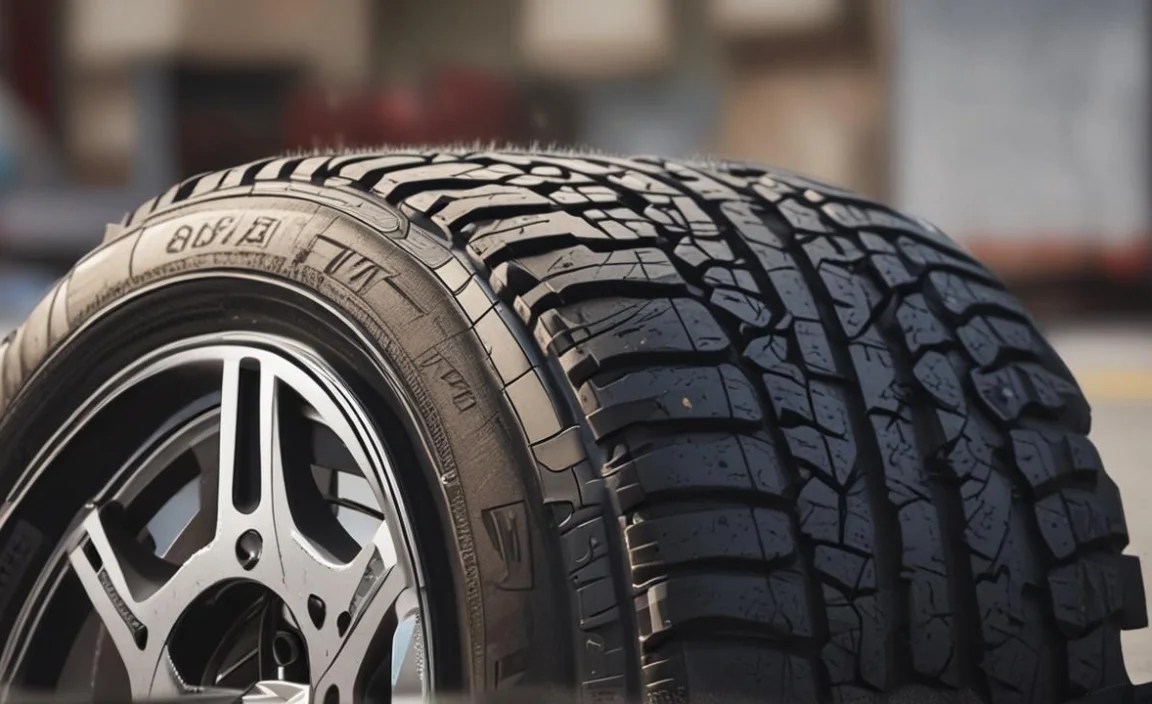
While you can’t eliminate the risk of tire damage entirely, there are steps you can take to minimize it.
Tips for Tire Maintenance
- Maintain Proper Inflation: Regularly check and maintain your tires at the recommended pressure. Underinflated tires are more susceptible to pinch flats and sidewall damage. Overinflated tires can provide a harsher ride and are more prone to blowouts.
- Inspect Regularly: Get into the habit of inspecting your tires before each ride. Look for cuts, bulges, embedded objects, and signs of wear.
- Avoid Hazards: Be mindful of road hazards such as potholes, broken glass, and sharp objects. Try to avoid them when possible, or ride over them carefully.
- Use Tire Liners: Consider using tire liners or puncture-resistant tires, especially if you ride in areas with a lot of debris.
- Replace Worn Tires: Don’t wait until your tires are completely bald before replacing them. Worn tires are more prone to punctures and blowouts.
Proper Inflation Pressure
Maintaining the correct tire pressure is crucial for preventing damage and ensuring a comfortable and efficient ride. The recommended pressure range is usually printed on the tire sidewall. Use a reliable bike pump with a pressure gauge to inflate your tires to the correct pressure.
| Tire Type | Recommended Pressure Range (PSI) |
|---|---|
| Road Tires | 80-130 |
| Mountain Bike Tires | 25-40 |
| Hybrid Tires | 50-70 |
Tools You’ll Need
Having the right tools on hand will make tire maintenance and replacement much easier.
- Bike Pump: A good-quality bike pump with a pressure gauge is essential for maintaining proper tire inflation.
- Tire Levers: Tire levers are used to remove and install tires on the rim.
- Multi-Tool: A multi-tool with various Allen wrenches and screwdrivers can be handy for making adjustments on the go.
- Patch Kit: A patch kit is useful for repairing small punctures, but remember that it won’t fix structural damage.
- Wrench or Socket Set: Needed to remove the wheel from the bike frame. The size you need depends on your bike.
Step-by-Step Tire Replacement Guide
If you’re not familiar with replacing a bike tire, here’s a quick guide:
- Remove the Wheel: Use a wrench or quick-release lever to remove the wheel from your bike frame.
- Deflate the Tire: Completely deflate the tire by pressing the valve core.
- Remove the Tire: Use tire levers to carefully remove one side of the tire from the rim, then remove the inner tube.
- Inspect the Rim: Check the rim for any damage or debris.
- Install One Side of the New Tire: Place one side of the new tire onto the rim.
- Insert the Inner Tube: Insert the inner tube into the tire, making sure it’s not twisted or pinched.
- Install the Second Side of the Tire: Carefully use your thumbs to work the second side of the tire onto the rim. Use tire levers if needed, but be careful not to pinch the inner tube.
- Seat the Tire: Make sure the tire is evenly seated on the rim. You might need to massage it into place with your hands.
- Inflate the Tire: Inflate the tire to the recommended pressure.
- Reinstall the Wheel: Reinstall the wheel onto your bike frame.
When to Consult a Professional
While many tire repairs and replacements can be done at home, there are situations where it’s best to consult a professional bike mechanic. If you’re not comfortable working on your bike, or if you encounter any issues you can’t resolve, don’t hesitate to seek professional help. Additionally, if you notice any of the following, a professional is recommended:
- Damage to the rim
- Unusual wear patterns on your tires
- Difficulty seating the tire properly
FAQ
Q: Can I use a tire boot as a permanent fix for a bulge?
A: No, a tire boot is only a temporary fix. It can provide some support to get you home, but it doesn’t restore the tire’s structural integrity. You should replace the tire as soon as possible.
Q: Is it safe to ride with a small bulge on my tire?
A: No, even a small bulge indicates structural damage and increases the risk of a blowout. It’s best to replace the tire to ensure your safety.
Q: Can I patch a tire sidewall?
A: Patching a tire sidewall is generally not recommended. The sidewall is a critical part of the tire’s structure, and patches in this area are unlikely to hold. A bulge on the sidewall is a clear sign that the tire needs to be replaced.
Q: How do I prevent tire bulges?
A: Maintain proper tire pressure, inspect your tires regularly, avoid road hazards, and use tire liners to minimize the risk of tire damage.
Q: What’s the difference between a tire bulge and a tire bubble?
A: The terms are often used interchangeably, but they both refer to an outward deformation of the tire caused by damage to the internal plies.
Q: How long can I ride on a tire with a temporary fix?
A: Only ride as far as necessary to get home or to a bike shop where you can replace the tire. Temporary fixes are not reliable for long-distance riding.
Q: Where can I buy a replacement tire?
A: You can buy replacement tires at most bike shops, as well as online retailers like Amazon and specialized cycling websites.
Conclusion
Finding a tire bulge after patching can be disheartening, but understanding the cause and taking the right steps is crucial for your safety. Remember, a bulge indicates structural damage that a simple patch can’t fix. While temporary fixes like tire boots can help you get home, the only permanent solution is to replace the tire. By maintaining your tires properly, being mindful of road hazards, and knowing when to seek professional help, you can minimize the risk of tire damage and enjoy a safe and smooth ride. Happy cycling!


