
Is Your Heat Pump Cycling with R134a? Here’s What to Do

Quick Summary: Heat pump cycling, especially with R134a refrigerant, means your system is turning on and off too frequently. This can be due to issues like low refrigerant, dirty filters, or a malfunctioning compressor. Addressing these problems promptly can improve efficiency and prevent costly repairs. Regular maintenance is key to keeping your heat pump running smoothly!
Is your heat pump acting up? You might notice it turning on and off more often than usual. This is called “cycling,” and it’s a common headache for homeowners. If your heat pump uses R134a refrigerant, there are specific reasons why this might be happening. Don’t worry, you’re not alone! This guide will walk you through the common causes of heat pump cycling and how to fix them. Let’s get your system back on track!
Understanding Heat Pump Cycling

Heat pump cycling refers to the frequent starting and stopping of your heat pump system. Ideally, a heat pump should run for a reasonable period to efficiently heat or cool your home. When it cycles too often, it wastes energy and can damage the components of the system.
Why Cycling is a Problem
Frequent cycling puts extra stress on the compressor and other parts, leading to:
- Increased energy consumption
- Higher utility bills
- Reduced lifespan of the heat pump
- Inconsistent indoor temperatures
R134a Refrigerant and Its Role
R134a is a common refrigerant used in many heat pump systems. It’s responsible for absorbing and releasing heat as it cycles through the system. However, issues specific to R134a can contribute to cycling problems.
Common Causes of Heat Pump Cycling with R134a

Let’s dive into the specific reasons why your heat pump might be cycling frequently, especially if it uses R134a refrigerant.
1. Low Refrigerant Levels
One of the most frequent causes of cycling is low refrigerant. R134a leaks can occur over time, reducing the system’s ability to transfer heat efficiently.
How Low Refrigerant Affects Cycling
When refrigerant levels are low, the heat pump has to work harder to reach the desired temperature. This causes it to cycle on and off more frequently as it struggles to maintain the set temperature.
Symptoms of Low Refrigerant
- Ice buildup on the refrigerant lines
- Weak heating or cooling
- Longer run times
- Higher energy bills
2. Dirty Air Filters
A dirty air filter restricts airflow, which can cause the heat pump to overheat and cycle more often.
How Dirty Filters Affect Cycling
Restricted airflow reduces the system’s ability to transfer heat effectively. The heat pump then cycles on and off to compensate, leading to inefficient operation.
Signs of a Dirty Air Filter
- Reduced airflow from vents
- Dust accumulation around the unit
- Increased allergy symptoms
3. Overcharged Refrigerant
While low refrigerant is a common issue, overcharging the system with R134a can also cause problems. Too much refrigerant can lead to high pressures and temperatures, causing the system to cycle.
How Overcharging Affects Cycling
An overcharged system can’t properly regulate temperature, leading to frequent cycling as the system tries to balance itself.
Symptoms of Overcharged Refrigerant
- High operating pressures
- Noisy operation
- Inefficient cooling or heating
4. Malfunctioning Compressor
The compressor is the heart of the heat pump. If it’s failing, it can cause the system to cycle rapidly.
How a Bad Compressor Affects Cycling
A failing compressor may not be able to maintain consistent pressure, leading to frequent starts and stops.
Signs of a Failing Compressor
- Unusual noises from the unit
- The heat pump struggles to start
- Overheating
5. Thermostat Issues
A faulty thermostat can send incorrect signals to the heat pump, causing it to cycle improperly.
How Thermostat Problems Affect Cycling
If the thermostat isn’t reading the temperature correctly, it might turn the heat pump on and off at the wrong times.
Signs of a Faulty Thermostat
- Inconsistent indoor temperatures
- The heat pump cycles even when the desired temperature is reached
- The thermostat display is erratic
6. Electrical Problems
Wiring issues, faulty capacitors, or other electrical problems can disrupt the operation of the heat pump, leading to cycling.
How Electrical Issues Affect Cycling
Electrical problems can cause the system to start and stop unexpectedly, leading to frequent cycling and potential damage.
Signs of Electrical Problems
- Flickering lights when the heat pump starts
- Burning smells near the unit
- Tripped circuit breakers
7. Frozen Evaporator Coil
A frozen evaporator coil can prevent proper airflow and heat transfer, causing the system to cycle on and off.
How a Frozen Coil Affects Cycling
Ice buildup restricts airflow, causing the heat pump to work harder and cycle more frequently.
Signs of a Frozen Evaporator Coil
- Reduced airflow from vents
- Visible ice on the indoor unit
- Water leaks around the unit
Troubleshooting Steps
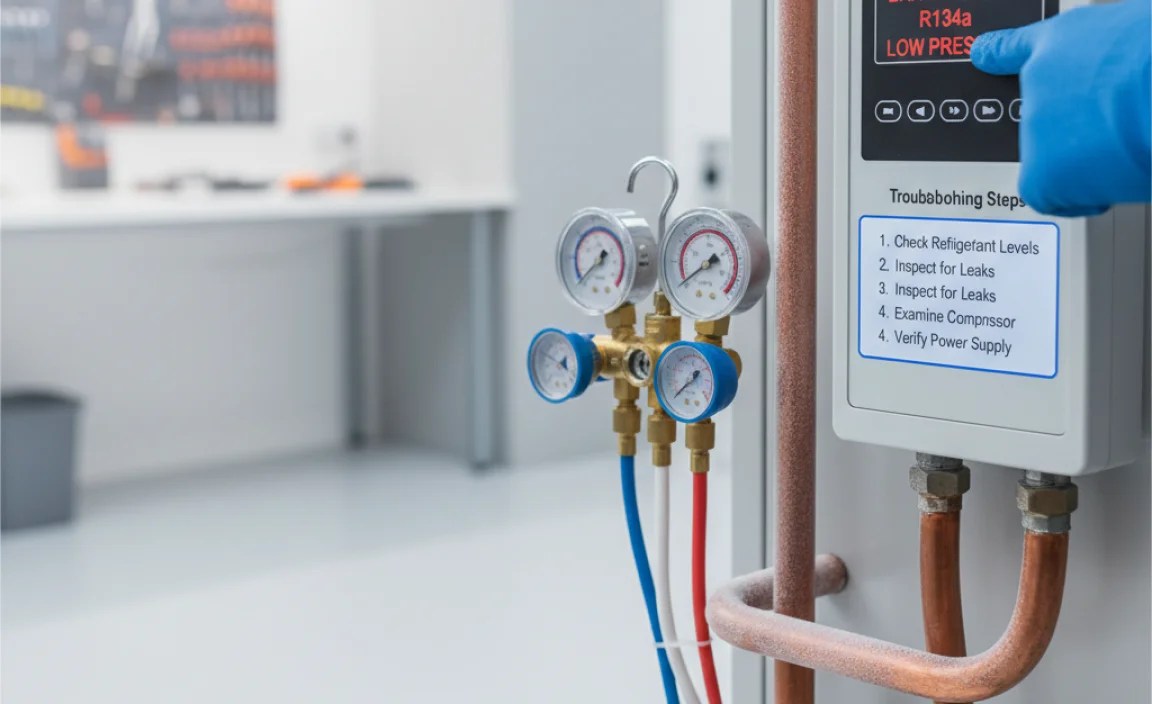
Before calling a professional, here are some troubleshooting steps you can take to identify and possibly fix the cycling issue.
1. Check the Air Filter
Step 1: Locate the air filter (usually in the indoor unit or return air vent).
Step 2: Remove the filter and inspect it for dirt and debris.
Step 3: If the filter is dirty, replace it with a new one. Aim to change your filter every 1-3 months, depending on usage and air quality.
Step 4: After replacing the filter, monitor the heat pump to see if the cycling issue improves.
2. Inspect the Outdoor Unit
Step 1: Check the outdoor unit for any obstructions, such as leaves, snow, or debris.
Step 2: Clear away any obstructions to ensure proper airflow around the unit.
Step 3: Look for ice buildup on the refrigerant lines. If you see ice, this could indicate a refrigerant leak or airflow issue.
Step 4: Ensure the fan is running smoothly and is free from obstructions.
3. Check the Thermostat
Step 1: Ensure the thermostat is set to the correct mode (heat or cool) and temperature.
Step 2: Check the thermostat batteries and replace them if necessary.
Step 3: Make sure the thermostat is level and properly mounted on the wall.
Step 4: If you suspect the thermostat is faulty, consider replacing it with a new one.
4. Reset the Heat Pump
Step 1: Turn off the heat pump at the breaker.
Step 2: Wait for about 30 minutes.
Step 3: Turn the breaker back on.
Step 4: Monitor the heat pump to see if the cycling issue has been resolved.
When to Call a Professional

If you’ve tried the troubleshooting steps above and the heat pump is still cycling, it’s time to call a professional HVAC technician. Here are some situations where professional help is necessary:
- Refrigerant leaks: Handling R134a requires specialized equipment and training.
- Compressor issues: Diagnosing and repairing compressor problems can be complex.
- Electrical problems: Electrical work should always be done by a qualified technician.
- Frozen evaporator coil: If the coil continues to freeze after troubleshooting, professional help is needed.
Preventative Maintenance Tips
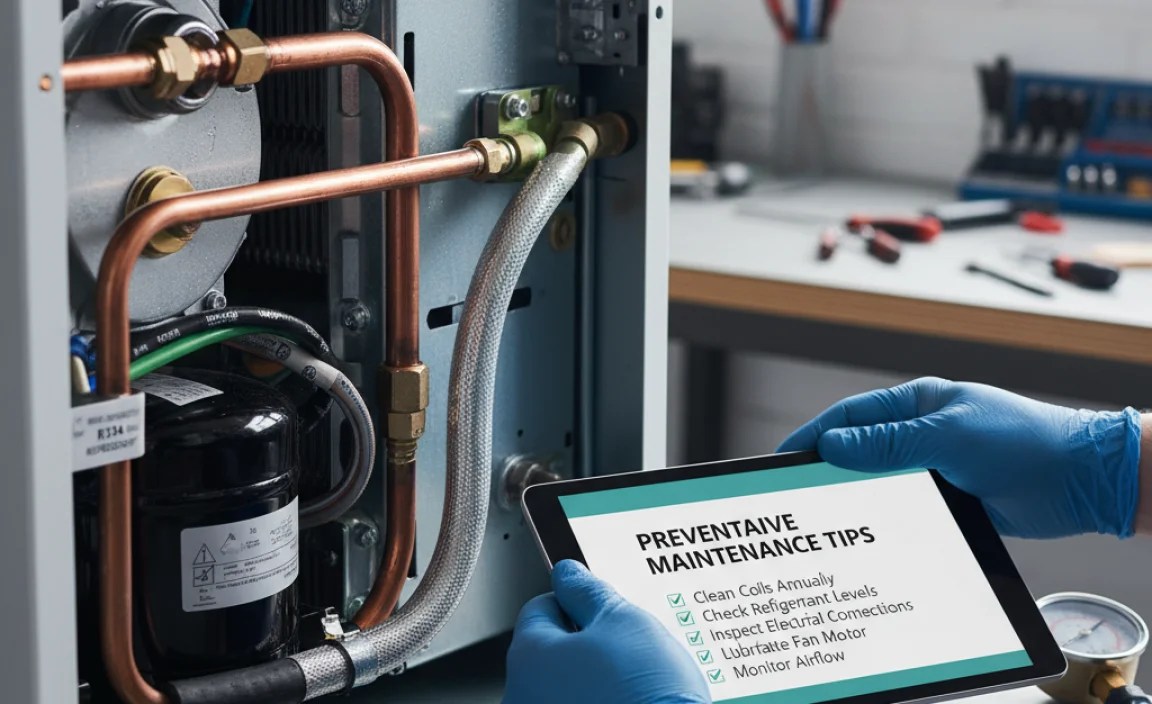
Regular maintenance can help prevent heat pump cycling and extend the life of your system. Here are some tips:
- Change air filters regularly: Aim for every 1-3 months.
- Schedule annual maintenance: Have a professional inspect and tune up your heat pump each year.
- Keep the outdoor unit clean: Remove debris and ensure proper airflow.
- Monitor for unusual noises or performance issues: Address problems promptly before they escalate.
Cost Considerations
Understanding the potential costs associated with fixing heat pump cycling issues can help you budget and make informed decisions.
Air Filter Replacement
The cost of replacing an air filter is relatively low, typically ranging from $5 to $20, depending on the type and quality of the filter.
Professional Inspection and Tune-Up
A professional heat pump inspection and tune-up can cost between $100 and $300. This usually includes checking refrigerant levels, cleaning coils, and inspecting electrical components.
Refrigerant Recharge
If your heat pump needs a refrigerant recharge, the cost can range from $200 to $800, depending on the amount of R134a needed and the extent of any leaks.
Compressor Repair or Replacement
Compressor Repairs can range from $500 to $1,500, while a full compressor replacement can cost between $1,500 and $4,000, depending on the model and labor costs.
Thermostat Replacement
Replacing a thermostat can cost between $100 and $500, depending on the type of thermostat (basic, programmable, or smart) and installation fees.
Here is a sample table showing the cost considerations:
| Issue | Estimated Cost | Description |
|---|---|---|
| Air Filter Replacement | $5 – $20 | Replacing a dirty air filter to improve airflow. |
| Inspection and Tune-Up | $100 – $300 | Professional check-up, including cleaning and inspection. |
| Refrigerant Recharge | $200 – $800 | Adding refrigerant to address leaks. |
| Compressor Repair | $500 – $1,500 | Fixing issues with the heat pump compressor. |
| Compressor Replacement | $1,500 – $4,000 | Replacing the entire compressor unit. |
| Thermostat Replacement | $100 – $500 | Installing a new thermostat. |
Future of Refrigerants
The HVAC industry is continually evolving, with a focus on more environmentally friendly refrigerants. Regulations are changing to phase out high-GWP (Global Warming Potential) refrigerants like R134a in favor of alternatives with lower environmental impact. This transition aims to reduce greenhouse gas emissions and promote sustainable practices.
Alternative Refrigerants
Several alternative refrigerants are emerging as replacements for R134a, including:
- R-454B: A lower-GWP refrigerant with similar performance characteristics to R-410A.
- R-32: Known for its energy efficiency and lower environmental impact compared to R-410A and R-134a.
- R-290 (Propane): A natural refrigerant with excellent thermodynamic properties and minimal environmental impact.
- CO2 (R-744): A natural refrigerant with zero ozone depletion potential and very low global warming potential.
Impact on Heat Pump Systems
As the industry shifts toward these new refrigerants, it will impact the design, manufacturing, and servicing of heat pump systems. New systems are being developed to optimize performance with these alternatives. Homeowners may eventually need to upgrade their systems to comply with new regulations and take advantage of the benefits offered by these refrigerants.
FAQ: Heat Pump Cycling and R134a
Here are some frequently asked questions to help you better understand heat pump cycling and R134a.
Q1: What does it mean when my heat pump is cycling?
A: Cycling means your heat pump is turning on and off too frequently. It should run for a reasonable period to efficiently heat or cool your home.
Q2: Why is R134a important in heat pump cycling?
A: R134a is a common refrigerant. Low levels or overcharging can cause the heat pump to cycle improperly.
Q3: How often should I change my air filter?
A: Aim to change your air filter every 1-3 months, depending on usage and air quality.
Q4: Can I add R134a to my heat pump myself?
A: No, handling refrigerants requires specialized equipment and training. It’s best to call a professional.
Q5: What are the signs of a failing compressor?
A: Unusual noises, difficulty starting, and overheating are signs of a failing compressor.
Q6: How can I prevent heat pump cycling?
A: Regular maintenance, changing air filters, and keeping the outdoor unit clean can help prevent cycling.
Q7: What if my heat pump is still cycling after changing the filter?
A: If the problem persists, it’s best to call a professional HVAC technician for further diagnosis and repair.
Conclusion
Heat pump cycling, especially in systems using R134a, can be a frustrating issue. However, understanding the common causes, such as low refrigerant levels, dirty filters, and malfunctioning components, can help you take the right steps to resolve the problem. By following the troubleshooting tips provided and knowing when to call a professional, you can ensure your heat pump operates efficiently and reliably. Regular maintenance is key to preventing these issues and extending the life of your system. Keep your system in top shape, and enjoy consistent comfort in your home!
“`


