
How to Clean Silca Pump Hose: Easy Cleaning Tips

Cleaning your Silca pump hose keeps it working like new. Dirt and grime can clog the valve and reduce its pumping power. You can easily clean it with some household items and a few simple steps. This will keep your tires inflated and your rides smooth!
Is your Silca pump not working as well as it used to? A dirty hose is often the culprit. Over time, dirt, dust, and sealant can build up inside the hose, making it harder to inflate your tires. This is a common problem for cyclists who use their pumps regularly. Don’t worry, though! Cleaning your Silca pump hose is easy and can be done in just a few minutes. This guide will walk you through each step, so you can get back to riding with confidence. Let’s get started!
Why Clean Your Silca Pump Hose?

Keeping your Silca pump hose clean is important for a few key reasons:
- Better Performance: A clean hose allows air to flow freely, making it easier to inflate your tires to the correct pressure.
- Longer Lifespan: Removing dirt and debris prevents wear and tear, extending the life of your pump and hose.
- Accurate Readings: A clogged hose can affect the accuracy of your pump’s gauge, leading to over- or under-inflated tires.
- Prevents Damage: Buildup can damage the check valve and other components over time.
Tools and Materials You’ll Need

Before you start, gather these simple tools and materials:
- Warm water
- Mild soap (like dish soap)
- A small container or bowl
- A pipe cleaner or small brush
- A clean cloth or paper towels
- Optional: Silicone lubricant
Step-by-Step Guide: Cleaning Your Silca Pump Hose

Follow these steps to clean your Silca pump hose:
Step 1: Disconnect the Hose
First, disconnect the hose from both the pump and the valve head. This will make it easier to work with and prevent any damage to the pump.
Step 2: Prepare the Cleaning Solution
In a small container, mix warm water with a few drops of mild soap. Stir gently to create a soapy solution. Avoid using harsh chemicals or solvents, as these can damage the hose.
Step 3: Flush the Hose
Submerge the hose in the soapy water. Draw the soapy water into the hose using a syringe or by creating suction with your mouth (be careful not to swallow any!). Then, flush the water through the hose to dislodge any loose debris. Repeat this process several times.
Step 4: Scrub the Interior
Use a pipe cleaner or small brush to scrub the inside of the hose. Insert the brush into one end of the hose and gently push it through to the other end. Rotate the brush to loosen any stubborn dirt or grime. Repeat this process several times to ensure the entire interior is clean.
Step 5: Rinse Thoroughly
Rinse the hose thoroughly with clean, warm water to remove all traces of soap. Continue rinsing until the water runs clear.
Step 6: Dry the Hose
Shake out any excess water from the hose. Then, use a clean cloth or paper towels to dry the outside of the hose. To dry the inside, you can hang the hose vertically and let it air dry completely. This may take several hours, so be patient.
Step 7: Lubricate (Optional)
Once the hose is completely dry, you can apply a small amount of silicone lubricant to the inside. This will help keep the hose flexible and prevent it from drying out. Apply a tiny amount to a pipe cleaner and run it through the hose.
Step 8: Reconnect the Hose
Finally, reconnect the hose to both the pump and the valve head. Make sure the connections are secure and tight. Test the pump to ensure it is working properly.
Tips for Maintaining Your Silca Pump Hose
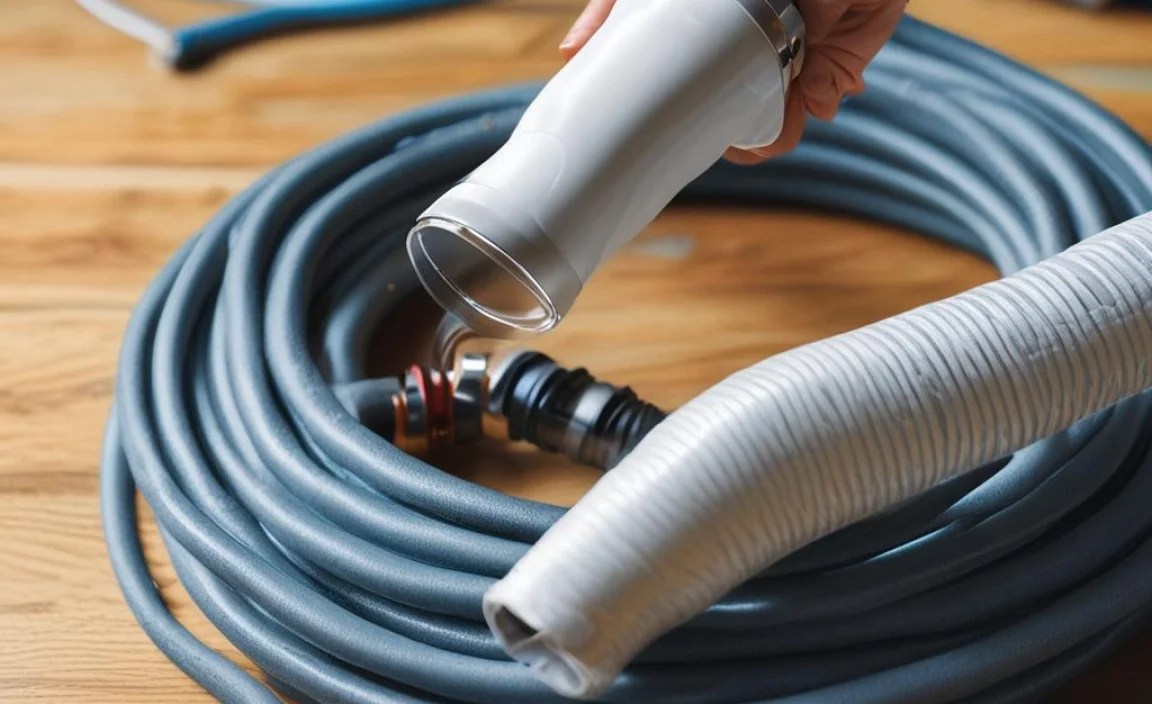
Here are some tips to keep your Silca pump hose in top condition:
- Regular Cleaning: Clean your pump hose every few months, or more often if you use it frequently.
- Proper Storage: Store your pump in a clean, dry place to prevent dirt and dust from accumulating in the hose.
- Avoid Harsh Chemicals: Never use harsh chemicals or solvents to clean your pump hose, as these can damage the material.
- Check for Wear and Tear: Regularly inspect your pump hose for any signs of wear and tear, such as cracks or leaks. Replace the hose if necessary.
Troubleshooting Common Issues
Here are some common issues you might encounter and how to solve them:
| Issue | Possible Cause | Solution |
|---|---|---|
| Pump is hard to use | Clogged hose | Clean the hose following the steps above. |
| Air leaking from hose | Cracked or damaged hose | Replace the hose. |
| Gauge not reading correctly | Clogged hose affecting pressure | Clean the hose to ensure proper air flow. |
Choosing the Right Cleaning Tools
Selecting the right tools can make cleaning your Silca pump hose easier and more effective. Here’s a comparison of common options:
| Tool | Pros | Cons | Best Use |
|---|---|---|---|
| Pipe Cleaners | Inexpensive, flexible, readily available | May not be long enough for some hoses, can shed fibers | General cleaning and scrubbing |
| Small Brushes | Durable, effective scrubbing, reusable | Can be too stiff for delicate hoses, may scratch | Removing stubborn buildup |
| Syringes | Easy to flush liquids, precise control | Requires a separate cleaning tool, can be messy | Flushing soapy water and rinsing |
Alternatives to Soap and Water
While soap and water are generally effective, here are some alternative cleaning solutions you can consider:
- Isopropyl Alcohol: A good solvent for dissolving grease and grime, but use sparingly and avoid prolonged exposure to rubber parts.
- White Vinegar: A natural cleaner that can help dissolve mineral deposits, but be sure to rinse thoroughly to remove the vinegar smell.
- Bike-Specific Cleaners: Some bike shops sell cleaners specifically designed for bike components, which can be a good option for more thorough cleaning.
When to Replace Your Silca Pump Hose
Even with regular cleaning, your Silca pump hose may eventually need to be replaced. Here are some signs that it’s time for a new hose:
- Cracks or Leaks: If you notice any cracks or leaks in the hose, it’s time to replace it.
- Loss of Flexibility: If the hose becomes stiff or brittle, it may be time to replace it.
- Difficulty Inflating Tires: If you’re having trouble inflating your tires, even after cleaning the hose, it may be time to replace it.
You can purchase replacement Silca pump hoses from most bike shops or online retailers. Be sure to choose a hose that is compatible with your pump model.
Advanced Cleaning Techniques
For those who want to take their cleaning to the next level, here are some advanced techniques:
- Ultrasonic Cleaning: An ultrasonic cleaner uses sound waves to create tiny bubbles that dislodge dirt and grime. This can be a very effective way to clean your pump hose, but it requires a special machine.
- Disassembly and Cleaning: If you’re comfortable disassembling your pump, you can take apart the valve head and other components for a more thorough cleaning. Be sure to take photos or make notes so you can reassemble everything correctly.
External Resources for Pump Maintenance
For more information on bike pump maintenance, check out these resources:
- Park Tool Repair Help – A comprehensive guide to bike maintenance and repair.
- BikeRadar: How to service a bicycle pump – Tips on pump servicing.
<Frequently Asked Questions
1. How often should I clean my Silca pump hose?
You should clean your Silca pump hose every few months, or more often if you use it frequently. Regular cleaning prevents buildup and ensures optimal performance.
2. Can I use any type of soap to clean my pump hose?
No, you should only use mild soap, like dish soap. Harsh chemicals or solvents can damage the hose material. Gentle soap is effective and safe.
3. What’s the best way to dry the inside of the pump hose?
The best way to dry the inside of the hose is to hang it vertically and let it air dry completely. This may take several hours, so be patient. You can also use compressed air to speed up the process.
4. How do I know if my pump hose needs to be replaced?
If you notice any cracks, leaks, or loss of flexibility in the hose, it’s time to replace it. Difficulty inflating tires, even after cleaning, is another sign.
5. Can I use a metal brush to clean the inside of the hose?
No, you should not use a metal brush. Metal brushes can be too abrasive and can damage the hose. Use a pipe cleaner or small nylon brush instead.
6. Is it necessary to lubricate the hose after cleaning?
Lubricating the hose after cleaning is optional, but it can help keep the hose flexible and prevent it from drying out. Use a small amount of silicone lubricant.
7. What do I do if water gets into the pump cylinder while cleaning the hose?
If water gets into the pump cylinder, disassemble the pump and dry the cylinder thoroughly before reassembling. This prevents rust and maintains pump performance.
Conclusion
Cleaning your Silca pump hose is a simple but important part of bike maintenance. By following these steps, you can keep your pump working like new and ensure your tires are always properly inflated. Regular cleaning not only improves performance but also extends the life of your pump. So, grab your tools, get to work, and enjoy the benefits of a well-maintained bike pump!


