
How to Pack Hose for Touring: Smart & Easy!

Quick Summary
Packing a hose for touring? Coil it neatly to prevent kinks. Use Velcro straps or zip ties to secure the coil. Place the coiled hose in a durable bag or container to protect it from damage and keep it separate from other gear. Proper packing ensures your hose is ready when you need it!
Ever been on a bike tour and struggled with a tangled, damaged hose? It’s a common frustration! A properly packed hose is essential for convenience and to prevent damage during your trip. This guide will walk you through a simple, step-by-step method to pack your hose efficiently. This way, you will be ready for anything on your next adventure.
We’ll cover everything from coiling techniques to storage solutions, so you can say goodbye to tangled messes and hello to hassle-free hydration or maintenance. Let’s get started!
What You’ll Need

Before you start, gather these essential items:
- Hose: Your standard garden or utility hose.
- Velcro Straps or Zip Ties: To secure the coiled hose.
- Durable Bag or Container: To protect the hose during transport.
- Gloves (Optional): To keep your hands clean.
Step-by-Step Guide to Packing a Hose for Touring

Follow these steps to ensure your hose is packed correctly for your next bike tour.
Step 1: Preparing the Hose
Before packing, make sure your hose is clean and dry. This prevents mold and mildew growth during storage. Here’s how:
- Disconnect the Hose: Detach the hose from any water source or attachments.
- Drain the Water: Lay the hose flat and allow all water to drain out. Lift different sections to ensure no water is trapped inside.
- Clean the Hose: Wipe down the hose with a damp cloth to remove any dirt or debris. For stubborn stains, use a mild soap solution.
- Dry the Hose: Allow the hose to air dry completely before proceeding to the next step.
Step 2: Coiling the Hose
Coiling the hose correctly prevents kinks and makes it easier to manage. Follow these steps:
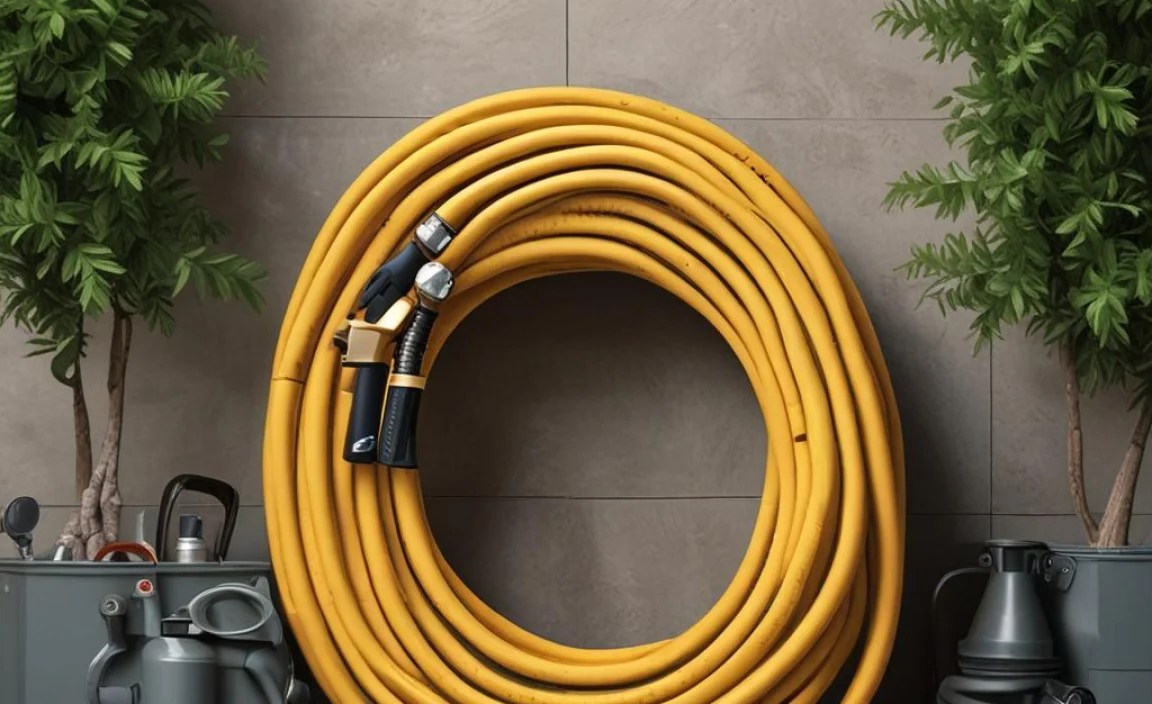
- Start Coiling: Begin coiling the hose from one end, making loops of a consistent size. Aim for loops that are about 12-18 inches in diameter.
- Maintain Consistent Loops: Keep the loops uniform as you coil to prevent uneven pressure points that can lead to kinks.
- Avoid Twisting: Ensure the hose lies flat as you coil it. Twisting can cause the hose to weaken and crack over time.
- Coil Completely: Continue coiling until you reach the other end of the hose.
Step 3: Securing the Coil
Once the hose is coiled, secure it to maintain its shape and prevent it from unraveling.
- Use Velcro Straps or Zip Ties: Wrap Velcro straps or zip ties around the coiled hose at multiple points. Use at least three straps for a standard-length hose.
- Tighten Securely: Tighten the straps or zip ties enough to hold the coil together, but not so tight that they damage the hose.
- Check for Stability: Ensure the coil is stable and doesn’t easily come apart when handled.
Step 4: Choosing the Right Storage Bag or Container
Selecting the appropriate storage bag or container is crucial for protecting the hose during transport.
- Durable Material: Choose a bag or container made from durable, water-resistant material to protect the hose from the elements.
- Proper Size: Ensure the bag or container is large enough to accommodate the coiled hose without squeezing it too tightly.
- Ventilation: If using a container, make sure it has adequate ventilation to prevent moisture buildup.
Step 5: Packing the Hose
Now it’s time to pack the hose into the chosen storage solution.
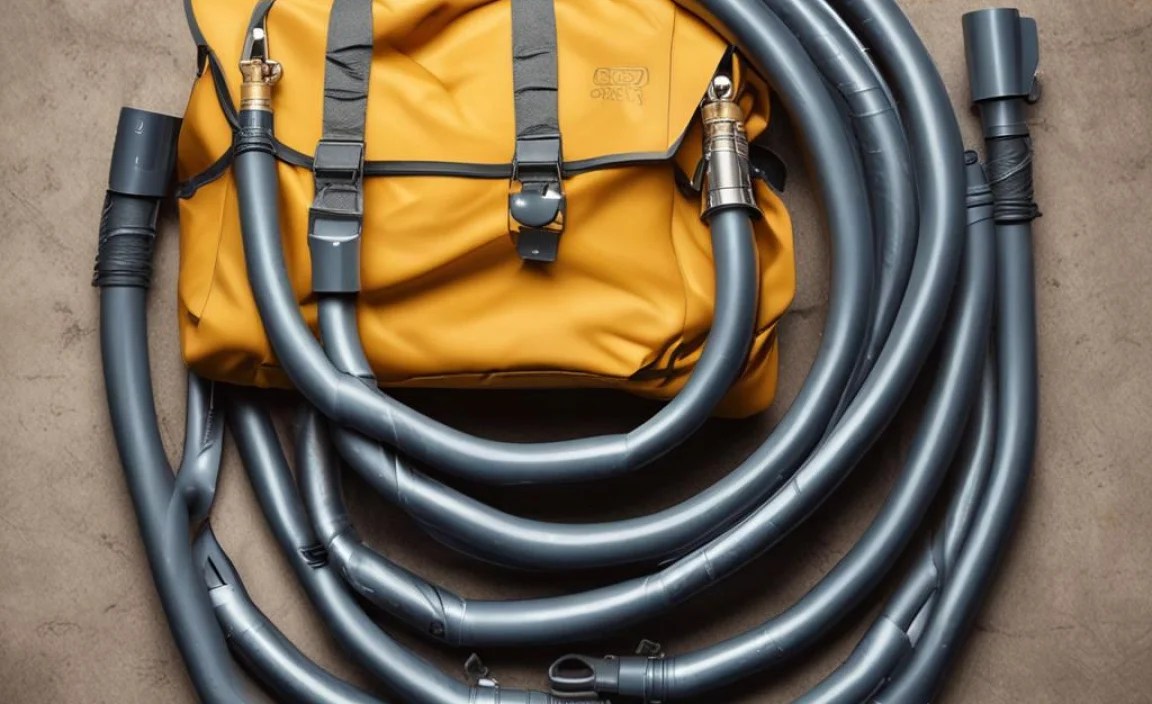
- Place the Coiled Hose: Carefully place the coiled and secured hose into the bag or container.
- Add Padding (Optional): If desired, add padding around the hose to provide extra protection. Use materials like bubble wrap or old towels.
- Seal the Bag or Container: Close the bag or container securely to keep out dirt and moisture.
Alternative Packing Methods
While the coiling method is standard, here are a few alternative approaches to consider.
Using a Hose Reel
A compact hose reel can be a great option for keeping your hose organized and protected. Look for models designed for portability.
- Pros: Easy to reel and unreel, protects against kinks, keeps the hose tidy.
- Cons: Can be bulky, requires additional equipment.
Folding the Hose
Folding the hose in a figure-eight pattern is another way to pack it. This method can be more compact than coiling.
- Lay the Hose Flat: Start by laying the hose flat on the ground.
- Fold in Half: Fold the hose in half, bringing one end to the other.
- Continue Folding: Continue folding the hose in a figure-eight pattern until you reach the ends.
- Secure with Straps: Use Velcro straps or zip ties to secure the folded hose.
- Pros: Compact, easy to store.
- Cons: Can create sharp bends that may damage the hose over time.
Tips for Maintaining Your Hose on Tour

Proper maintenance ensures your hose lasts longer and performs reliably.
- Avoid Sharp Bends: Prevent sharp bends and kinks by storing the hose properly and handling it with care.
- Protect from Sunlight: Store the hose in a shaded area to prevent UV damage, which can cause the material to degrade over time.
- Regularly Inspect: Check the hose regularly for signs of wear and tear, such as cracks, leaks, or weak spots.
- Proper Storage: When not in use, store the hose in a cool, dry place to prevent damage from extreme temperatures and moisture.
Troubleshooting Common Issues
Here are some common problems you might encounter and how to address them.
Kinks in the Hose
Kinks can restrict water flow and damage the hose. To remove kinks:
- Straighten the Hose: Lay the hose flat on the ground and try to straighten out the kink by hand.
- Use Warm Water: If the kink is stubborn, pour warm water over the affected area to make the hose more pliable.
- Apply Gentle Pressure: Gently massage the kink until it disappears. Avoid using excessive force, which can damage the hose.
Leaks in the Hose
Leaks can waste water and reduce water pressure. To repair leaks:
- Identify the Leak: Locate the source of the leak.
- Clean the Area: Clean the area around the leak with a dry cloth.
- Use Repair Tape: Wrap the leak with waterproof repair tape, overlapping the edges for a secure seal.
- Apply a Hose Clamp: For larger leaks, use a hose clamp to secure the repair tape in place.
Frozen Hose
If the hose freezes, it can crack and become unusable. To thaw a frozen hose:
- Move to a Warm Area: Bring the hose indoors or to a warmer location.
- Use Warm Water: Pour warm (not hot) water over the hose to gradually thaw the ice.
- Flex the Hose: Gently flex the hose to help break up the ice inside.
- Drain the Water: Once thawed, drain all the water from the hose to prevent it from refreezing.
Recommended Products
Here are some products that can help you pack and maintain your hose for touring.
| Product | Description | Where to Buy |
|---|---|---|
| Velcro Straps | Reusable straps for securing coiled hoses. | Amazon, local hardware stores |
| Waterproof Repair Tape | Durable tape for repairing leaks in hoses. | Home Depot, Lowe’s |
| Portable Hose Reel | Compact reel for easy hose storage and transport. | Walmart, online retailers |
| Water-Resistant Storage Bag | Durable bag for protecting hoses from the elements. | REI, sporting goods stores |
Advanced Packing Techniques
For those looking to optimize their packing even further, here are some advanced techniques.
Vacuum Sealing
Vacuum sealing can reduce the volume of the packed hose, making it easier to fit into tight spaces.
- Place Hose in Bag: Put the coiled and secured hose into a vacuum-sealable bag.
- Seal the Bag: Use a vacuum sealer to remove the air from the bag.
- Store: Store the vacuum-sealed hose in your touring gear.
- Pros: Reduces volume, protects against moisture.
- Cons: Requires a vacuum sealer, may not be necessary for all tours.
Using Bungee Cords
Bungee cords can be used to secure the hose to the outside of your pack, freeing up space inside.
- Coil and Secure the Hose: Coil the hose and secure it with Velcro straps or zip ties.
- Attach Bungee Cords: Use bungee cords to attach the coiled hose to the outside of your backpack or bike rack.
- Ensure Stability: Make sure the hose is securely attached and won’t come loose during the tour.
- Pros: Frees up space inside your pack, easy access.
- Cons: Exposes the hose to the elements, may not be suitable for all types of tours.
FAQ
What is the best way to clean a hose before packing it?
Disconnect the hose, drain all the water, wipe it down with a damp cloth (use mild soap for stubborn stains), and let it air dry completely.
How tight should I secure the Velcro straps around the coiled hose?
Tighten them enough to hold the coil together, but not so tight that they damage the hose. The coil should be stable without being overly constricted.
What type of bag or container is best for storing a hose during a tour?
Choose a durable, water-resistant bag or container that is large enough to accommodate the coiled hose without squeezing it. Ensure it has adequate ventilation to prevent moisture buildup.
Can I use a regular garden hose for touring, or do I need a special type?
A regular garden hose is generally fine, but consider a lightweight or flexible hose for easier packing and handling. Ensure it’s durable enough to withstand the conditions of your tour.
What should I do if I find a leak in my hose while on tour?
Clean the area around the leak, wrap it with waterproof repair tape, and use a hose clamp for a secure seal. Regularly inspect the hose to catch issues early.
How can I prevent my hose from freezing during cold weather tours?
Drain all the water from the hose before storing it. If freezing is a concern, store it in a warmer location or insulate it with padding. Thaw it gradually with warm water if it does freeze.
Is it better to coil or fold a hose for packing?
Coiling is generally better to prevent kinks, but folding in a figure-eight pattern can be more compact. If folding, be careful not to create sharp bends that could damage the hose.
Conclusion
Packing a hose for touring doesn’t have to be a hassle. By following these simple steps, you can ensure your hose is clean, protected, and ready for use on your next adventure. Remember to coil it properly, secure it with straps, and store it in a durable bag or container. With a little preparation and the right techniques, you’ll be well-equipped to handle any hydration or maintenance needs on the road. Happy touring!


