
What is the Waste Cycle on a Pool Pump? A Simple Guide

Quick Summary: The waste cycle on a pool pump, also known as the “backwash” cycle, reverses the water flow to clean your filter. It flushes out trapped dirt and debris, sending it out the waste port. This keeps your pool water clean and your filter working efficiently. Regular backwashing, typically every 1-4 weeks, prevents filter clogging and extends its lifespan.
Keeping your pool sparkling clean can sometimes feel like a never-ending battle. You test the water, add chemicals, and skim the surface, but what about that pool pump? Understanding the waste cycle on your pool pump is key to maintaining a healthy and inviting pool. Many pool owners find the different settings confusing, especially when it comes to backwashing. Don’t worry, it’s simpler than you think! This guide will walk you through everything you need to know about the waste cycle, step by step. We’ll cover what it is, why it’s important, and how to use it properly. Get ready to take control of your pool maintenance!
Why is the Waste Cycle Important?

The waste cycle, often called “backwashing,” is a crucial part of pool maintenance. Here’s why it’s so important:
- Removes trapped debris: Your pool filter catches dirt, leaves, and other particles. Over time, this debris builds up and clogs the filter.
- Maintains water quality: A clean filter ensures proper water circulation and filtration, leading to clearer and healthier pool water.
- Extends filter lifespan: Regular backwashing prevents excessive pressure buildup, which can damage your filter.
- Improves pump efficiency: A clogged filter forces your pump to work harder, increasing energy consumption and potentially shortening its lifespan.
Understanding the Multiport Valve
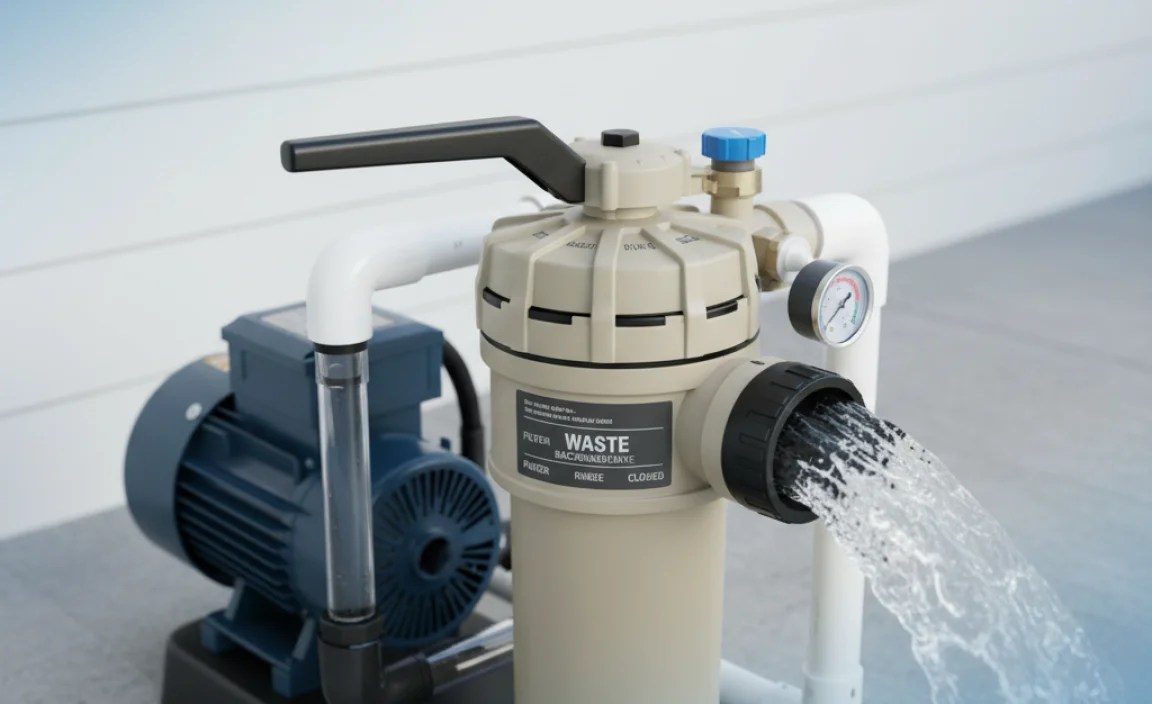
The key to the waste cycle is the multiport valve, usually located on the side of your filter. This valve has several settings, each with a specific function. Here’s a breakdown of the most common settings:
- Filter: This is the normal setting for everyday filtration. Water flows through the filter, removing dirt and debris before returning to the pool.
- Backwash: This setting reverses the water flow, flushing out the filter and sending the waste water out the waste port.
- Rinse: After backwashing, this setting helps to resettle the filter media and prevent any remaining debris from returning to the pool.
- Waste: This setting bypasses the filter entirely, allowing you to drain water from the pool without running it through the filter.
- Recirculate: This setting circulates the water without filtering it. It’s useful for distributing chemicals quickly.
- Closed: This setting shuts off all water flow. Use it when performing maintenance on the pump or filter.
Step-by-Step Guide to Using the Waste Cycle (Backwashing)

Here’s how to properly use the waste cycle to backwash your pool filter:
- Turn off the pump: Always turn off the pump before changing the multiport valve setting. This prevents damage to the pump and valve.
- Connect the backwash hose: Attach the backwash hose to the waste port on the multiport valve. Make sure the other end of the hose is positioned to drain the water away from your pool and property. Avoid draining into sensitive areas like gardens or storm drains, as the water contains chemicals and debris.
- Set the valve to “Backwash”: Rotate the multiport valve handle to the “Backwash” position. Ensure it clicks securely into place.
- Turn on the pump: Turn the pump back on and let it run for 2-3 minutes, or until the water in the sight glass (if your filter has one) runs clear. The sight glass allows you to visually monitor the water being discharged.
- Turn off the pump again: Turn the pump off before changing the valve setting.
- Set the valve to “Rinse”: Rotate the multiport valve handle to the “Rinse” position.
- Turn on the pump: Turn the pump back on and let it run for 30-60 seconds. This helps to resettle the filter media and flush out any remaining debris.
- Turn off the pump: Turn the pump off before changing the valve setting again.
- Set the valve to “Filter”: Rotate the multiport valve handle back to the “Filter” position.
- Turn on the pump: Turn the pump back on. Your filter is now clean and ready to filter your pool water.
- Check the pool water level: Backwashing removes water from the pool, so you may need to add water to bring it back to the proper level.
How Often Should You Backwash?

The frequency of backwashing depends on several factors, including:
- Pool usage: Heavily used pools require more frequent backwashing.
- Environmental factors: Pools in areas with a lot of trees or dust may need to be backwashed more often.
- Filter type: Different filter types have different backwashing requirements.
As a general guideline, backwash your filter when the pressure gauge reads 8-10 PSI (pounds per square inch) above the normal operating pressure. You can also backwash on a regular schedule, such as every 1-4 weeks. Consult your filter’s manual for specific recommendations.
Troubleshooting Common Issues
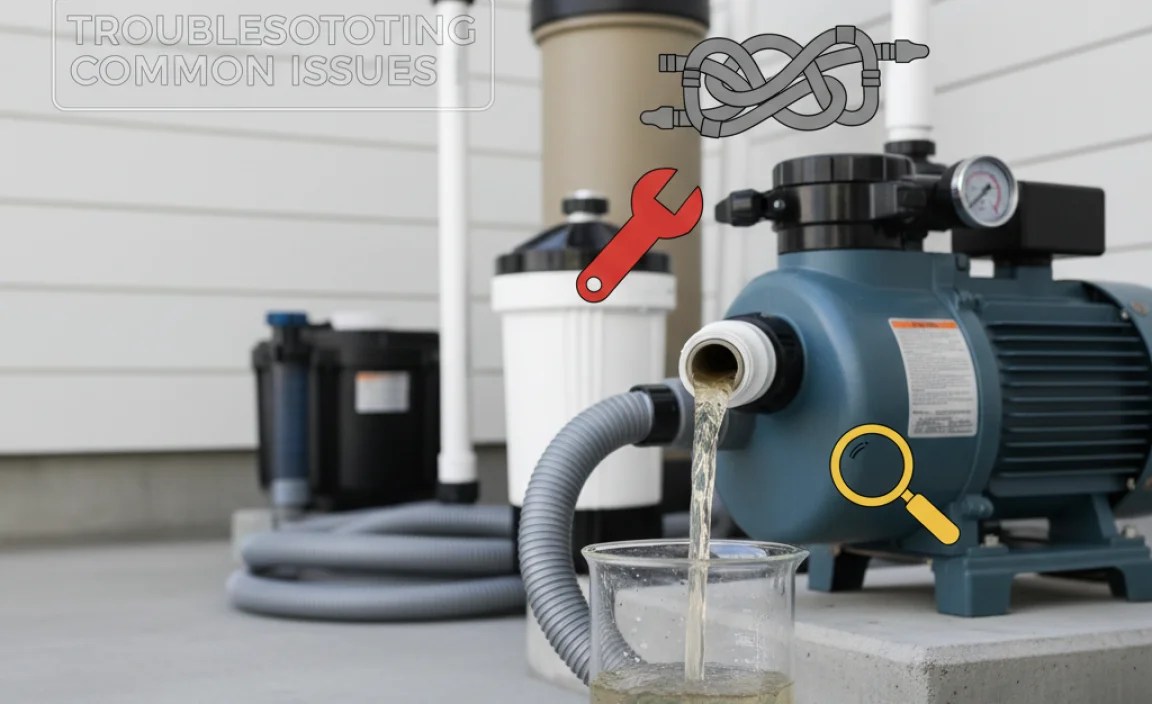
Here are some common problems you might encounter when using the waste cycle and how to solve them:
- Cloudy water after backwashing: This usually means that some debris is still getting through the filter. Make sure you rinse the filter properly after backwashing. You may also need to check the filter media for damage.
- Low pressure after backwashing: This could indicate a problem with the pump or the filter. Check the pump impeller for clogs and make sure the filter is properly assembled.
- Water leaking from the multiport valve: This could be due to a worn-out gasket or a cracked valve. Replace the gasket or the entire valve if necessary.
- No water coming out of the waste port during backwashing: This could be due to a clogged backwash hose or a blockage in the filter. Check the hose for obstructions and clean the filter thoroughly.
Different Types of Pool Filters and Their Backwashing Needs
Pool filters come in three main types: sand, cartridge, and diatomaceous earth (DE). Each type has its own backwashing procedure and frequency.
Sand Filters
Sand filters use a bed of sand to trap dirt and debris. They are relatively easy to maintain and backwash.
- Backwashing Frequency: Typically every 1-4 weeks, or when the pressure gauge reads 8-10 PSI above normal.
- Backwashing Procedure: Follow the general steps outlined above. Backwash until the water in the sight glass runs clear.
Cartridge Filters
Cartridge filters use a pleated fabric cartridge to filter the water. They are very efficient at removing small particles, but they require more frequent cleaning.
- Backwashing Frequency: Cartridge filters don’t technically “backwash.” Instead, you need to remove the cartridge and clean it manually with a garden hose. Clean the cartridge every 2-6 weeks, or when the pressure gauge reads 8-10 PSI above normal.
- Cleaning Procedure: Remove the cartridge from the filter housing. Use a garden hose with a nozzle to spray the cartridge pleats from top to bottom, removing dirt and debris. For stubborn stains, you can soak the cartridge in a filter cleaner solution.
Diatomaceous Earth (DE) Filters
DE filters use a powder made from fossilized algae to coat a grid inside the filter. They provide the best filtration of all three types, but they also require the most maintenance.
- Backwashing Frequency: Typically every 1-3 months, or when the pressure gauge reads 8-10 PSI above normal.
- Backwashing Procedure: Follow the general steps outlined above. After backwashing, you’ll need to add more DE powder to the filter. Refer to your filter’s manual for the correct amount of DE to add.
Here’s a table summarizing the key differences in backwashing/cleaning for each filter type:
| Filter Type | Backwashing/Cleaning Frequency | Procedure |
|---|---|---|
| Sand Filter | 1-4 weeks or 8-10 PSI above normal | Backwash using multiport valve until water runs clear. |
| Cartridge Filter | 2-6 weeks or 8-10 PSI above normal | Remove cartridge and clean with a garden hose. |
| DE Filter | 1-3 months or 8-10 PSI above normal | Backwash using multiport valve, then add more DE powder. |
Tips for Efficient Backwashing
Here are some tips to help you backwash your pool filter more efficiently:
- Use a backwash hose with a clear end: This will allow you to easily see when the water is running clear.
- Backwash in the morning: This will give your pool water plenty of time to circulate and clear up before you want to use it.
- Keep a log of your backwashing schedule: This will help you to stay on track and prevent your filter from getting too clogged.
- Consider a robotic pool cleaner: A robotic cleaner can help to reduce the amount of debris that gets into your filter, reducing the need for frequent backwashing.
- Maintain proper water chemistry: Balanced water chemistry helps to prevent algae growth and other problems that can clog your filter. Use a reliable pool testing kit and adjust chemicals as needed, following the guidelines from reputable sources like the Centers for Disease Control and Prevention (CDC).
Alternatives to Backwashing
While backwashing is the standard method for cleaning sand and DE filters, there are a few alternatives you might consider:
- Filter Cleaners: You can use chemical filter cleaners to help remove stubborn dirt and debris from your filter. These cleaners are available in liquid or powder form and can be added directly to the filter or used in a soaking solution.
- Filter Media Replacement: Over time, the filter media in your sand or DE filter will become less effective. Consider replacing the sand or DE powder every few years to maintain optimal filtration.
- Professional Pool Service: If you’re not comfortable backwashing your filter yourself, you can hire a professional pool service to do it for you. They can also perform other maintenance tasks, such as cleaning your pool and balancing the water chemistry.
FAQ About the Waste Cycle on Pool Pumps
Here are some frequently asked questions about the waste cycle on pool pumps:
- What does the “waste” setting on my pool pump do?
- The “waste” setting bypasses your pool filter and sends water directly out the waste port. Use it to drain water from your pool without running it through the filter.
How to VACUUM a POOL to WASTE with a Sand Filter

- Can I backwash too much?
- Yes, backwashing too frequently can waste water and chemicals. Only backwash when necessary, typically when the pressure gauge indicates it’s time.
- Why is my pool water cloudy after backwashing?
- This could be due to incomplete rinsing after backwashing, damaged filter media, or a problem with your pool’s water chemistry. Ensure you rinse thoroughly and check the filter for damage.
- Do I need to add water to my pool after backwashing?
- Yes, backwashing removes water from your pool. Add water to bring it back to the normal level.
- What if my multiport valve is leaking?
- A leaking multiport valve usually indicates a worn-out gasket or a crack in the valve. Replace the gasket first, and if the leak persists, replace the entire valve.
- Can I use the waste setting to vacuum my pool?
- Yes, you can use the waste setting to vacuum your pool if you have a lot of heavy debris. This prevents the debris from clogging your filter. Just remember to add water to compensate for the water being drained.
- Is backwashing the same as cleaning my pool?
- No, backwashing cleans your filter, not the pool itself. You still need to regularly skim, vacuum, and brush your pool to keep it clean.
Conclusion
Understanding and using the waste cycle on your pool pump is essential for maintaining a clean and healthy pool. By following the steps outlined in this guide, you can effectively backwash your filter, extend its lifespan, and ensure optimal water quality. Remember to backwash regularly, troubleshoot common issues, and adapt your backwashing schedule to your specific pool and filter type. With a little practice, you’ll become a pro at keeping your pool sparkling clean all season long!
“`


