
Understanding the Wilden Pump Duty Cycle: A Beginner’s Guide

Quick Summary: The Wilden pump duty cycle refers to how often and for how long a Wilden air-operated double-diaphragm (AODD) pump can operate safely. It’s expressed as a percentage of on-time versus total time. Understanding this cycle is crucial for preventing pump damage, ensuring efficient operation, and maximizing the lifespan of your Wilden pump. Factors like pump size, material, and application impact the ideal duty cycle.
Ever wondered how long your Wilden pump can run without causing problems? Many folks get confused about the “duty cycle” and how it affects their pump’s performance and lifespan. It’s a common concern, and pushing your pump too hard can lead to costly repairs and downtime. But don’t worry! This guide will break down the Wilden pump duty cycle in simple terms. We’ll cover what it means, why it matters, and how to make sure your pump operates within safe limits. Get ready to keep your pump running smoothly for years to come!
What Exactly is the Duty Cycle of a Wilden Pump?

The duty cycle, in the context of a Wilden air-operated double-diaphragm (AODD) pump, indicates the proportion of time the pump is actively pumping fluid compared to the total time. It is usually expressed as a percentage. For example, a duty cycle of 60% means the pump is running for 60% of the time and idle for the remaining 40% within a specific period. This is a critical factor in determining the pump’s longevity and reliability.
Think of it like this: If your pump runs for 6 minutes out of every 10 minutes, that’s a 60% duty cycle. The remaining 4 minutes are a resting period. Duty cycle is crucial because it directly affects the pump’s wear and tear, heat buildup, and overall lifespan. A higher duty cycle means more continuous operation, which can lead to increased stress on the pump’s components.
Why Does the Duty Cycle Matter for Wilden Pumps?

Understanding and adhering to the recommended duty cycle for your Wilden pump is essential for several reasons:
- Preventing Overheating: Continuous operation can generate heat, especially in AODD pumps. Excessive heat can damage the diaphragms, seals, and other critical components, leading to premature failure.
- Extending Pump Lifespan: By operating within the recommended duty cycle, you reduce the stress on the pump’s internal parts, significantly extending its operational life.
- Maintaining Performance: Overworking a pump can lead to decreased performance, including reduced flow rate and pressure. Staying within the duty cycle ensures consistent and reliable performance.
- Reducing Maintenance Costs: Properly managing the duty cycle minimizes wear and tear, resulting in fewer repairs and lower maintenance costs over the pump’s lifetime.
Factors Influencing the Ideal Duty Cycle

Several factors determine the appropriate duty cycle for your Wilden pump. It’s not a one-size-fits-all situation. Here’s a breakdown of the key considerations:
- Pump Size and Model: Larger pumps generally have more robust components and can handle higher duty cycles compared to smaller models. Always refer to the manufacturer’s specifications for your specific pump model.
- Material of Construction: The materials used in the pump’s construction, such as the diaphragm material (e.g., PTFE, Neoprene, Buna-N), affect its heat resistance and wear characteristics. Certain materials are better suited for continuous operation than others.
- Type of Fluid Being Pumped: The viscosity and temperature of the fluid can significantly impact the pump’s duty cycle. Highly viscous or abrasive fluids create more friction and heat, requiring a lower duty cycle. For more information on fluid dynamics, check out resources like this article from the American Physical Society: https://www.aps.org/publications/apsnews/201101/physicshistory.cfm
- Ambient Temperature: The surrounding temperature affects the pump’s ability to dissipate heat. In hotter environments, the duty cycle should be reduced to prevent overheating.
- Air Supply Pressure: Higher air pressure leads to faster pump cycling and increased heat generation, potentially reducing the allowable duty cycle.
Understanding Wilden Pump Model Numbers and Specifications
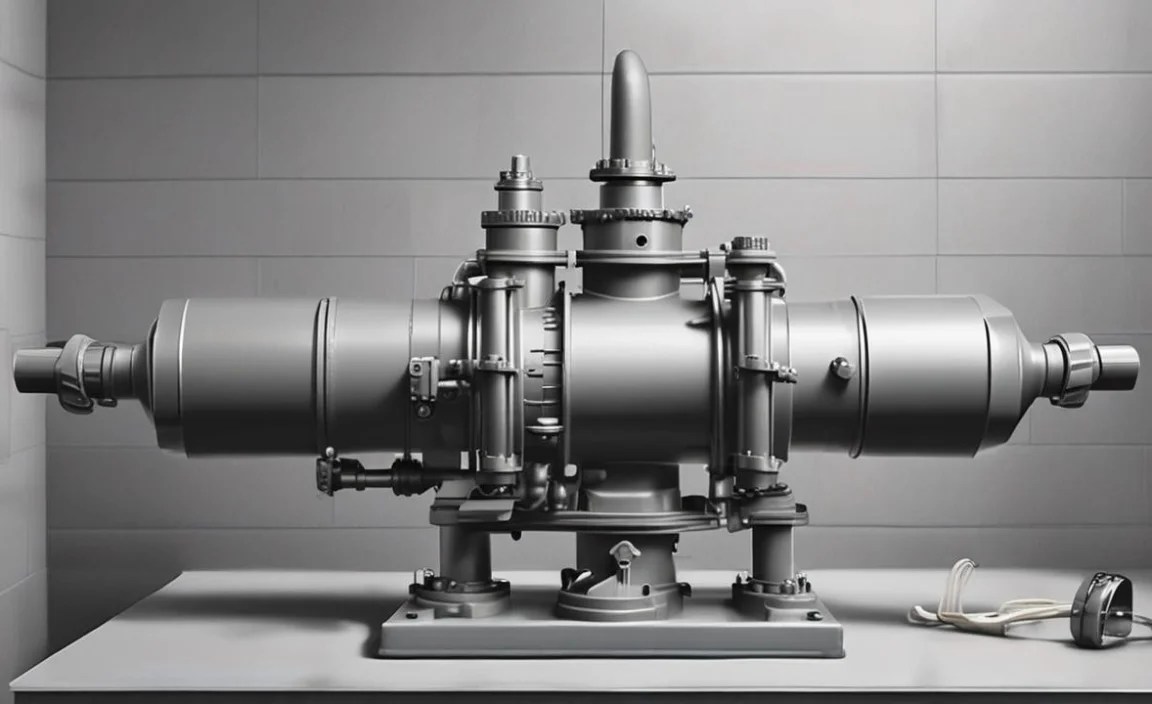
To determine the appropriate duty cycle, you’ll need to understand your specific Wilden pump model. Wilden pump model numbers contain key information about the pump’s size, materials, and configuration. Here’s a general breakdown of how to interpret a Wilden model number (note that the exact format may vary slightly depending on the specific pump series):
- Size: Often indicated by a number, such as 1/2″, 1″, 1 1/2″, 2″, etc. This refers to the pump’s inlet/outlet port size.
- Material: Typically represented by letters, such as:
- AL = Aluminum
- SS = Stainless Steel
- PP = Polypropylene
- PE = Polyethylene
- DI = Ductile Iron
- Diaphragm Material: Also represented by letters, indicating the diaphragm material:
- TFE = Teflon® (PTFE)
- Buna-N = Nitrile Rubber
- EPDM = Ethylene Propylene Diene Monomer Rubber
- Neoprene
- Viton®
- Other Features: Additional letters or numbers might indicate special features like clamped construction, explosion-proof certification, or specific valve types.
For example, a model number like “P1/PPG/TFE/TF/K8” might break down as follows:
- P1 = 1″ Pump
- PPG = Polypropylene, Groundable
- TFE = Teflon® (PTFE) Diaphragm
- TF = Teflon® (PTFE) Balls
- K8 = Modified K8 Check Valve
Once you identify your pump model, consult the Wilden performance curves and technical documentation for detailed specifications, including recommended duty cycles and flow rates. These resources are usually available on the manufacturer’s website or through authorized distributors.
How to Determine the Recommended Duty Cycle for Your Pump

Figuring out the right duty cycle for your Wilden pump involves a few steps. Here’s a guide to help you through the process:
- Consult the Manufacturer’s Documentation: This is the most important step. Wilden provides detailed specifications and performance curves for each pump model. Look for the recommended duty cycle or continuous run time in the technical data sheet or operating manual. You can typically find this information on the Wilden website or by contacting their customer support.
- Consider the Fluid Properties:
- Viscosity: High-viscosity fluids increase the load on the pump, leading to higher heat generation. Reduce the duty cycle accordingly.
- Temperature: High fluid temperatures can also contribute to overheating. Lower the duty cycle to compensate.
- Abrasiveness: Abrasive fluids cause more wear on the pump’s internal components. Reducing the duty cycle can help extend the pump’s life.
- Evaluate the Application Requirements: Determine whether the pump needs to run continuously or intermittently. For intermittent applications, you can likely operate at a higher duty cycle compared to continuous operations. Consider the required flow rate and pressure. If the pump is operating near its maximum capacity, it will generate more heat and require a lower duty cycle.
- Monitor Pump Temperature: Use a non-contact infrared thermometer to monitor the pump’s temperature during operation. If the pump body or air motor becomes excessively hot, reduce the duty cycle or improve ventilation.
- Implement a Cooling System (If Necessary): In some cases, you may need to implement a cooling system to keep the pump within its operating temperature range. This could involve using a fan to circulate air around the pump or installing a liquid cooling system.
Practical Examples of Duty Cycle Management
Let’s look at a couple of practical examples to illustrate how to manage the duty cycle in different scenarios:
Example 1: Pumping Abrasive Slurry
Imagine you’re using a Wilden AODD pump to transfer an abrasive slurry in a mining operation. The slurry contains solid particles that can cause significant wear on the pump’s diaphragms and check valves. In this case, you would want to implement a conservative duty cycle to prolong the pump’s lifespan.
Here’s how you might approach it:
- Consult the Pump Specifications: Check the Wilden documentation for your specific pump model. Let’s say it recommends a maximum duty cycle of 70% for general applications.
- Reduce the Duty Cycle: Given the abrasive nature of the slurry, reduce the duty cycle to 50% or even 40%. This means the pump should run for a maximum of 5 minutes out of every 10 minutes or 4 minutes out of every 10 minutes, respectively.
- Implement a Rest Period: After each pumping cycle, allow the pump to cool down for the remaining time. This will help dissipate heat and reduce wear on the internal components.
- Regular Inspections: Regularly inspect the pump’s diaphragms and check valves for signs of wear. Replace them as needed to prevent catastrophic failures.
Example 2: Continuous Chemical Dosing
Now, let’s consider a scenario where you’re using a Wilden pump for continuous chemical dosing in a water treatment plant. The pump needs to operate consistently to maintain the desired chemical concentration. In this case, you need to carefully select a pump and materials that can handle continuous operation.
Here’s how you might approach it:
- Select a Suitable Pump: Choose a Wilden pump model specifically designed for continuous duty applications. These pumps typically have more robust components and better heat dissipation capabilities.
- Use Compatible Materials: Ensure that all pump components, including the diaphragms, seals, and wetted parts, are compatible with the chemical being dosed. Select materials that offer excellent chemical resistance and can withstand continuous exposure. For more information on chemical compatibility, you can refer to reputable resources like Cole-Parmer’s chemical compatibility database: https://www.coleparmer.com/chemical-resistance
- Monitor Pump Temperature: Continuously monitor the pump’s temperature to ensure it stays within the recommended operating range. Install a cooling system if necessary.
- Preventative Maintenance: Implement a rigorous preventative maintenance program to regularly inspect and replace worn components. This will help prevent unexpected downtime and ensure continuous operation.
Troubleshooting Duty Cycle Issues
If you’re experiencing issues related to the duty cycle of your Wilden pump, here are some troubleshooting steps you can take:
| Problem | Possible Causes | Solutions |
|---|---|---|
| Pump Overheating | Excessive duty cycle, high fluid viscosity, high ambient temperature, insufficient ventilation | Reduce duty cycle, use a pump with a higher flow rate, improve ventilation, implement a cooling system |
| Premature Diaphragm Failure | Excessive duty cycle, incompatible fluid, abrasive fluid, worn components | Reduce duty cycle, use a diaphragm material that is compatible with the fluid, install a filter to remove abrasive particles, replace worn components |
| Reduced Flow Rate | Excessive duty cycle, worn components, clogged pump, insufficient air supply | Reduce duty cycle, replace worn components, clean the pump, increase air supply pressure |
| Pump Stalling | Excessive duty cycle, high fluid viscosity, insufficient air supply, worn air valve | Reduce duty cycle, use a pump with a higher flow rate, increase air supply pressure, replace worn air valve |
Tips for Optimizing Pump Performance and Lifespan
Here are some extra tips to help you get the most out of your Wilden pump and extend its lifespan:
- Proper Installation: Install the pump according to the manufacturer’s instructions. Ensure that the pump is properly aligned and supported to prevent stress on the pump body and connections.
- Correct Air Supply: Use a clean, dry air supply at the recommended pressure. Install an air filter and regulator to maintain consistent air pressure and prevent contaminants from entering the pump.
- Regular Maintenance: Implement a regular maintenance schedule to inspect and replace worn components, such as diaphragms, check valves, and seals. Keep the pump clean and free of debris.
- Avoid Dry Running: Never run the pump dry for extended periods, as this can damage the diaphragms and other internal components. If the pump is likely to run dry, install a level sensor or flow switch to shut it down automatically.
- Use Appropriate Piping: Use piping that is the correct size and material for the fluid being pumped. Avoid sharp bends and restrictions in the piping, as these can increase pressure drop and reduce pump performance.
FAQ: Wilden Pump Duty Cycles
1. What happens if I exceed the recommended duty cycle?
Exceeding the recommended duty cycle can lead to overheating, premature wear of components, reduced pump performance, and ultimately, pump failure.
2. How can I tell if my pump is overheating?
You can use a non-contact infrared thermometer to measure the temperature of the pump body or air motor. If the temperature exceeds the manufacturer’s recommended operating range, the pump is likely overheating.
3. Can I use a variable frequency drive (VFD) to control the duty cycle of an AODD pump?
No, AODD pumps are air-operated and do not use electric motors. VFDs are used to control the speed of electric motors, so they are not applicable to AODD pumps. To control the flow rate of an AODD pump, you can adjust the air supply pressure or use a flow control valve.
4. What are some common diaphragm materials used in Wilden pumps, and what are their typical duty cycle considerations?
Common diaphragm materials include PTFE (Teflon), Neoprene, Buna-N, EPDM, and Viton. PTFE offers excellent chemical resistance and can handle higher temperatures, but it may not be as flexible as other materials. Neoprene and Buna-N are more flexible but have limited chemical resistance. EPDM is suitable for water-based fluids, while Viton offers good resistance to oils and solvents. The choice of diaphragm material will affect the pump’s duty cycle, as some materials are more prone to wear and tear than others.
5. Where can I find the technical documentation for my Wilden pump model?
You can find the technical documentation for your Wilden pump model on the Wilden website or by contacting their customer support. You can also obtain the documentation from authorized Wilden distributors.
6. Is it possible to increase the duty cycle of my Wilden pump?
You might be able to slightly increase the duty cycle by improving ventilation, using a cooling system, or switching to a pump model designed for continuous duty. However, always consult the manufacturer’s specifications and avoid exceeding the recommended limits.
7. What role does air pressure play in the duty cycle of a Wilden pump?
Air pressure directly impacts the pump’s cycling speed and heat generation. Higher air pressure increases the pump’s output but also leads to faster cycling and more heat. Therefore, maintaining the correct air pressure, as specified in the pump’s documentation, is crucial for efficient operation and adherence to the recommended duty cycle.
Conclusion
Understanding and managing the duty cycle of your Wilden pump is crucial for ensuring its longevity, reliability, and optimal performance. By considering factors such as pump size, material of construction, fluid properties, and ambient temperature, you can determine the appropriate duty cycle for your specific application. Remember to consult the manufacturer’s documentation, monitor pump temperature, and implement a regular maintenance program to keep your pump running smoothly for years to come. With the right knowledge and proactive measures, you can maximize the return on your investment and avoid costly downtime!


