
How to Upgrade Bike Pump with Pressure Gauge? Easy Guide

Do you love riding your bike? Have you ever struggled to get the tires just right? It can be tricky to know exactly how much air is inside. That’s why many people want to know {how to upgrade bike pump with pressure gauge}.
A pressure gauge helps you see the PSI (pounds per square inch). This tells you how firm your tires are. Upgrading your pump can make a big difference. It can make your rides safer and more fun! Let’s learn how.
Key Takeaways
- A pressure gauge on your bike pump helps you inflate tires accurately every time.
- Knowing the right tire pressure improves your bike’s performance and handling.
- You can often upgrade your existing bike pump instead of buying a new one.
- Check your bike and pump’s compatibility before you try to upgrade it.
- With the right tools, {how to upgrade bike pump with pressure gauge} is simple.
Why Upgrade Bike Pump with Pressure Gauge?

Do you ever guess how much air to put in your tires? It’s like adding milk to cereal without measuring. You might get it right, but probably not. A bike pump with a pressure gauge takes away the guesswork. It shows you exactly how much air is inside. This is important for a few reasons.
First, the right tire pressure makes your bike easier to ride. Tires that are too soft make it harder to pedal. Tires that are too hard can be bumpy and uncomfortable. A gauge helps you find the sweet spot. Second, correct pressure helps your tires last longer. Overinflated tires can wear out in the middle. Underinflated tires can wear out on the sides. A gauge helps you avoid both. Finally, safety is key. Properly inflated tires grip the road better. This helps you stop and turn safely. It also reduces the risk of a flat tire. Upgrading {how to upgrade bike pump with pressure gauge} gives you control, comfort, and safety.
- It gives you accurate PSI readings.
- It improves your bike’s performance.
- It helps your tires last longer.
- It makes your rides safer.
- It reduces the risk of flat tires.
Imagine you’re racing your friends. Your tires are perfectly inflated because of your gauge. You glide smoothly ahead, leaving them in the dust. They’re struggling with soft tires. You win the race, thanks to your smart upgrade. This shows how a small change can make a big difference. A pressure gauge is not just a tool. It’s your secret weapon for better biking.
Why is Accuracy Important?
Have you ever played a game where you had to guess something? It can be fun, but it’s not very reliable. The same goes for inflating your bike tires without a gauge. You might think they feel right, but they could be way off. Accuracy is important because your tire pressure affects everything. It impacts how well your bike rolls, how comfortable you are, and how safe you are. A good pressure gauge gives you a precise reading. You know exactly how much air is in your tires. This lets you fine-tune your pressure for different conditions. Are you riding on smooth pavement? You might want a higher pressure. Are you riding on bumpy trails? You might want a lower pressure. Accuracy lets you adapt and enjoy your ride to the fullest.
What Types of Gauges are Available?
Did you know there are different kinds of pressure gauges? Some are digital, and some are analog. Digital gauges show the pressure on a screen. They are easy to read and often very accurate. Analog gauges have a needle that points to the pressure. They are simple and don’t need batteries. Some pumps have the gauge built in. Others have a separate gauge that you attach to the valve. The best type depends on what you like. Do you want something easy to read? Go for digital. Do you want something simple and reliable? Go for analog. No matter what you choose, make sure it’s accurate and easy to use.
How Does a Gauge Improve Safety?
Imagine your tires are too soft. They squish and wobble when you turn. This makes it hard to control your bike. Now imagine your tires are too hard. They bounce over every bump. This makes it easy to lose control. The right tire pressure gives you the best grip and stability. This is especially important when it’s wet or slippery. A pressure gauge helps you make sure your tires are just right. You can ride with confidence, knowing you’re in control. It’s like wearing a helmet. It’s a simple thing that can make a big difference in your safety. {How to upgrade bike pump with pressure gauge} is a simple way to make sure you are as safe as possible.
Upgrading your bike pump with a gauge is a smart move. It gives you control, accuracy, and safety. It’s like giving your bike a superpower. You can ride faster, smoother, and with more confidence. So, next time you pump up your tires, remember the importance of a good pressure gauge.
Fun Fact or Stat: Studies show that properly inflated tires can improve your cycling efficiency by up to 10%!
Tools Needed to Upgrade Your Bike Pump

Before you start, gather your tools. Upgrading {how to upgrade bike pump with pressure gauge} doesn’t require many tools. Having the right ones makes the job easier and safer. First, you’ll need a new pressure gauge. Make sure it’s compatible with your pump. Check the size and type of connection. Second, you might need a wrench or pliers. These help you loosen and tighten connections. Third, have some Teflon tape on hand. This seals the threads and prevents leaks. Fourth, grab a screwdriver. You might need it to remove parts of your pump. Finally, wear gloves to protect your hands. With these tools, you’ll be ready to upgrade your pump like a pro.
- A new pressure gauge
- A wrench or pliers
- Teflon tape
- A screwdriver
- Gloves
- Safety Glasses
Think of it like building a Lego set. You need the right pieces and tools to put it together correctly. If you try to force things, you might break something. The same goes for upgrading your bike pump. Taking your time and using the right tools will help you avoid problems. You’ll end up with a pump that works great and lasts a long time. It’s worth the effort to do it right.
How to Choose the Right Gauge?
Choosing the right pressure gauge is like picking the right shoes. You want something that fits well and works for what you need. Look for a gauge that is easy to read. The numbers should be clear and the scale should be easy to understand. Check the PSI range. Make sure it matches the pressure you need for your tires. Consider whether you want a digital or analog gauge. Digital gauges are often more accurate. Analog gauges are simpler and don’t need batteries. Finally, check the connection type. Make sure it fits your pump. With a little research, you can find the perfect gauge for your needs.
Why is Teflon Tape Important?
Have you ever seen a leaky faucet? Water drips out because the connection isn’t sealed. Teflon tape does the same thing. It fills the tiny gaps between the threads of the connections. This creates a tight seal that prevents air from leaking out. Without Teflon tape, your pressure gauge might not give you an accurate reading. Air could be escaping, making the pressure seem lower than it is. Teflon tape is cheap and easy to use. Just wrap it around the threads a few times before you connect the parts. It’s a small step that makes a big difference in the performance of your pump.
What Size Wrench Do I Need?
Imagine trying to turn a bolt with a wrench that’s too big. It slips and doesn’t grip properly. The same thing happens if the wrench is too small. You need the right size wrench to loosen and tighten the connections on your pump. Check the size of the nuts and bolts on your pump. Use a wrench that fits snugly. If you’re not sure what size you need, try an adjustable wrench. This type of wrench can be adjusted to fit different sizes. Using the right size wrench will prevent you from damaging the parts of your pump. It will also make the job easier and safer.
Having the right tools is half the battle. With a new pressure gauge, a wrench, Teflon tape, and a screwdriver, you’re ready to tackle this upgrade. It’s like having a superhero’s toolkit. You’re prepared for anything.
Fun Fact or Stat: Teflon tape was invented in 1938 and is used in everything from plumbing to spacesuits!
Step-by-Step: How to Upgrade Bike Pump?

Now, let’s get to the exciting part: upgrading your bike pump! Follow these steps carefully. First, disconnect your pump from the power source. If it’s a hand pump, just set it down. If it’s an electric pump, unplug it. Second, find the old pressure gauge. It’s usually located near the handle or the hose connection. Third, use a wrench to loosen the connection. Turn it counterclockwise. Be careful not to damage the pump. Fourth, remove the old gauge. Clean the threads with a cloth. Fifth, wrap Teflon tape around the threads of the new gauge. Sixth, attach the new gauge to the pump. Tighten it with a wrench. Turn it clockwise. Don’t overtighten. Finally, test the pump. Inflate a tire and check the pressure reading. If it’s accurate, you’re done! If not, check the connections and try again.
| Step | Action | Tool |
|---|---|---|
| 1 | Disconnect pump | None |
| 2 | Locate old gauge | None |
| 3 | Loosen old gauge | Wrench |
| 4 | Remove old gauge | None |
| 5 | Apply Teflon tape | Teflon tape |
| 6 | Attach new gauge | Wrench |
| 7 | Test the pump | None |
- Disconnect the pump.
- Locate the old gauge.
- Loosen the connection.
- Remove the old gauge.
- Apply Teflon tape.
- Attach the new gauge.
- Test the pump.
Imagine you’re following a recipe to bake a cake. Each step is important. If you skip a step, the cake might not turn out right. The same goes for upgrading your bike pump. Follow each step carefully. Double-check your work. If you do it right, you’ll have a pump that works perfectly. You’ll be able to inflate your tires with confidence. You’ll know exactly how much air is inside. This will make your rides safer and more enjoyable. So, take your time and do it right.
How Tight Should the Connection Be?
Have you ever tightened a screw so much that you stripped the threads? It’s frustrating, and it can damage the parts. The same goes for the connection on your bike pump. You want it to be tight enough to seal properly. But you don’t want to overtighten it. Turn the wrench until you feel resistance. Then give it a little extra turn. The connection should be snug but not strained. If you’re not sure, it’s better to err on the side of being too loose. You can always tighten it a little more later. Overtightening can damage the threads and cause leaks. {How to upgrade bike pump with pressure gauge} depends on making the connection tight without damaging the pump.
How Do I Know if the Gauge is Accurate?
Imagine you’re using a ruler to measure something. If the ruler is bent or broken, your measurement won’t be accurate. The same goes for your pressure gauge. You need to make sure it’s giving you a correct reading. There are a few ways to do this. First, compare it to another gauge. If you have a friend with a bike pump, compare your readings. If they’re the same, your gauge is probably accurate. Second, take it to a bike shop. They can test your gauge with a professional tool. If your gauge is inaccurate, you might need to replace it. It’s important to have an accurate gauge. It helps you keep your tires properly inflated.
What if the Pump Still Leaks Air?
Have you ever tried to blow up a balloon with a hole in it? It’s impossible. The air just leaks out. The same thing happens if your bike pump has a leak. You might pump and pump, but the tire won’t inflate properly. If your pump is leaking air, check the connections. Make sure they’re tight. Check the Teflon tape. Make sure it’s properly sealed. If the leak persists, there might be a problem with the pump itself. The valve might be damaged. The hose might be cracked. In this case, you might need to repair or replace the pump. Don’t give up! A little troubleshooting can often solve the problem.
Upgrading your bike pump is like giving it a new lease on life. You’re improving its performance and making it more useful. With these steps, you’ll be able to do it yourself. You’ll save money and feel proud of your accomplishment.
Fun Fact or Stat: The first bicycle pump was invented in the late 1800s and was much larger and less efficient than modern pumps!
Troubleshooting Common Issues
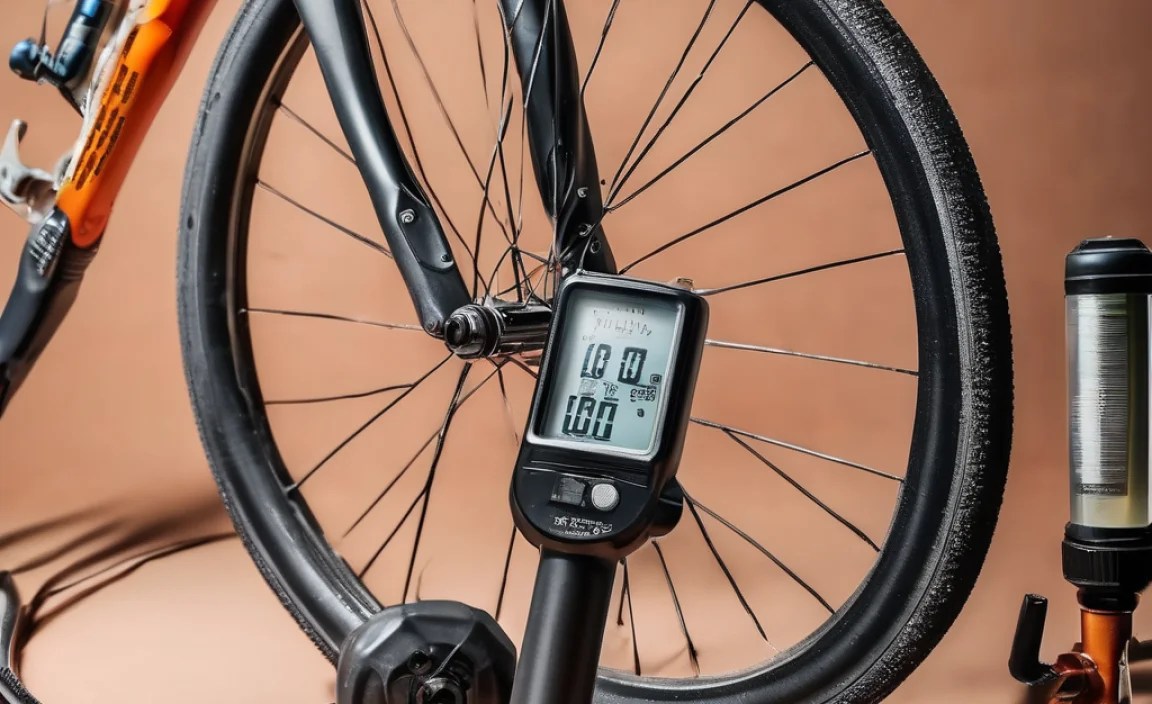
Sometimes, even with the best instructions, things can go wrong. Let’s look at some common issues. One problem is an inaccurate reading. The gauge might show the wrong PSI. This can happen if the gauge is damaged or not properly calibrated. Another problem is air leaks. Air might escape from the connection between the gauge and the pump. This can happen if the connection is loose or the Teflon tape is missing. A third problem is difficulty attaching the gauge. The threads might not match. The connection might be too tight or too loose. Don’t worry! These problems are usually easy to fix. Just take your time and follow the troubleshooting steps.
- Inaccurate reading
- Air leaks
- Difficulty attaching the gauge
- Broken Gauge
- Incorrect Tools
Think of it like solving a puzzle. You might get stuck on a piece, but you don’t give up. You try different things until you find the right solution. The same goes for troubleshooting your bike pump. Don’t get discouraged if you run into a problem. Just take a step back and think about what might be causing it. Check the connections. Check the parts. With a little patience, you’ll be able to fix the issue and get your pump working perfectly.
What if the Gauge Shows Zero?
Imagine you’re trying to weigh yourself on a scale. If the scale always shows zero, you know something is wrong. The same goes for your pressure gauge. If it always shows zero, it’s not working properly. First, make sure the gauge is properly connected. Check the threads and the Teflon tape. Second, try inflating a tire. If the gauge still shows zero, the problem might be with the gauge itself. It might be broken or damaged. In this case, you’ll need to replace the gauge. Don’t try to use a broken gauge. It won’t give you an accurate reading.
How Do I Fix a Leaky Connection?
Have you ever tried to drink from a straw with a hole in it? It’s hard to get any liquid because the air is leaking in. A leaky connection on your bike pump is the same thing. Air is escaping, making it hard to inflate your tires. First, tighten the connection. Use a wrench to turn it clockwise. Second, check the Teflon tape. Make sure it’s properly sealed. If the leak persists, remove the gauge and reapply the Teflon tape. Wrap it around the threads a few times. Make sure it’s snug and secure. This should stop the leak and allow you to inflate your tires properly. Knowing {how to upgrade bike pump with pressure gauge} correctly ensures a secure fit.
Can I Use Any Gauge with Any Pump?
Imagine trying to plug a phone charger into a computer. The plugs are different, so it won’t work. The same goes for pressure gauges and bike pumps. Not all gauges are compatible with all pumps. Check the connection type. Make sure it matches the pump. Check the PSI range. Make sure it’s appropriate for your tires. If you’re not sure, ask a bike shop for help. They can recommend a gauge that is compatible with your pump. Using the wrong gauge can damage the pump or give you an inaccurate reading. It’s important to choose the right gauge for your needs.
Troubleshooting is a skill that comes with practice. The more you work on your bike, the better you’ll become at fixing problems. Don’t be afraid to experiment and learn. You’ll be surprised at what you can accomplish.
Fun Fact or Stat: Some high-end bike pumps have built-in computers that automatically adjust the pressure for different tire types!
Maintaining Your Upgraded Pump
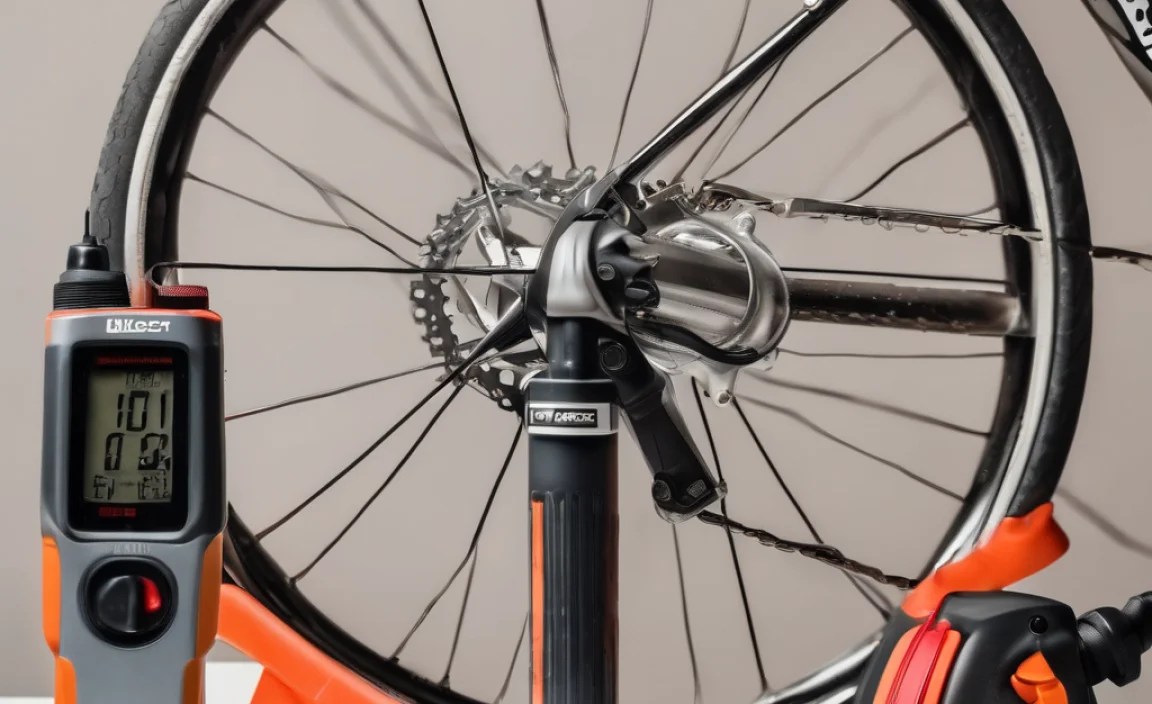
You’ve upgraded your bike pump, great! Now, let’s keep it working well. Regular maintenance is key. First, clean the pump regularly. Wipe it down with a damp cloth. Remove any dirt or grime. Second, check the hose for cracks or leaks. Replace it if necessary. Third, lubricate the moving parts. Use a silicone-based lubricant. This keeps the pump working smoothly. Fourth, store the pump in a dry place. This prevents rust and corrosion. Finally, check the pressure gauge regularly. Make sure it’s accurate. With these simple steps, your upgraded pump will last for years.
- Clean the pump regularly.
- Check the hose for cracks.
- Lubricate the moving parts.
- Store the pump in a dry place.
- Check the gauge regularly.
- Replace worn parts.
Think of your bike pump like a car. You need to change the oil, check the tires, and wash it regularly. If you don’t, it will break down. The same goes for your bike pump. Regular maintenance will keep it working smoothly and prevent problems. It’s worth the effort to take care of your tools. They’ll take care of you.
How Often Should I Clean My Pump?
Imagine you’re cooking in a kitchen. If you don’t clean up the spills and messes, it will become dirty and cluttered. The same goes for your bike pump. Dirt and grime can build up over time, making it harder to use. Clean your pump every few months. Wipe it down with a damp cloth. Remove any dirt or debris. This will keep your pump working smoothly and prevent problems. A clean pump is a happy pump. And a happy pump means happy tires!
What Kind of Lubricant Should I Use?
Have you ever tried to open a squeaky door? It’s annoying and difficult. Lubricant can help. It makes the parts move smoothly. Use a silicone-based lubricant for your bike pump. This type of lubricant is safe for rubber and plastic parts. It won’t damage the pump. Apply a small amount to the moving parts. This will keep the pump working smoothly and prevent wear and tear. Don’t use oil-based lubricants. They can damage the pump.
How Do I Store My Pump Properly?
Imagine you leave your bike outside in the rain. It will rust and corrode. The same goes for your bike pump. Store it in a dry place. This prevents rust and corrosion. Keep it away from direct sunlight. The sun can damage the plastic and rubber parts. Hang it on a hook or store it in a toolbox. This will keep it safe and protected. Proper storage will extend the life of your pump. You’ll be able to use it for years to come. Learning {how to upgrade bike pump with pressure gauge} and maintaining it saves money.
Maintaining your upgraded pump is like taking care of a pet. You need to feed it, groom it, and give it attention. If you do, it will reward you with years of faithful service. Your pump will be ready to inflate your tires whenever you need it.
Fun Fact or Stat: Some bike pumps have a lifetime warranty, showing how confident manufacturers are in their durability!
Benefits of Accurate Tire Pressure
Why is accurate tire pressure so important? It’s like Goldilocks and the Three Bears. You don’t want your tires too hard or too soft. You want them just right. Accurate tire pressure improves your bike’s performance. It makes it easier to pedal and go faster. It improves your comfort. It reduces bumps and vibrations. It improves your safety. It gives you better grip and control. It also helps your tires last longer. It prevents uneven wear and tear. With accurate tire pressure, you’ll enjoy your rides more. You’ll feel more confident and in control.
- Improved performance
- Improved comfort
- Improved safety
- Longer tire life
- Better grip and control
- More enjoyable rides
Think of it like playing a musical instrument. If the strings are too loose, the sound will be flat. If the strings are too tight, the sound will be sharp. You need to tune the strings just right to get the perfect sound. The same goes for your tires. You need to inflate them to the right pressure to get the perfect ride. Accurate tire pressure is the key to unlocking your bike’s full potential.
How Does Tire Pressure Affect Speed?
Have you ever tried to run in sand? It’s much harder than running on pavement. The same goes for riding your bike with soft tires. Soft tires have more rolling resistance. This means they take more energy to move. Properly inflated tires roll more easily. They reduce rolling resistance. This makes it easier to pedal and go faster. If you want to improve your speed, make sure your tires are properly inflated. A pressure gauge can help you fine-tune your pressure for maximum speed. {How to upgrade bike pump with pressure gauge} helps you ride faster.
How Does Tire Pressure Affect Comfort?
Imagine riding over a bumpy road with hard tires. You’ll feel every bump and vibration. It will be uncomfortable and jarring. Softer tires absorb more of the bumps. This makes the ride smoother and more comfortable. However, tires that are too soft can feel squishy and unstable. You need to find the right balance between comfort and performance. A pressure gauge can help you experiment with different pressures. You can find the sweet spot that gives you the most comfortable ride.
How Does Tire Pressure Affect Safety?
Have you ever slipped on ice? It’s scary because you lose control. The same goes for riding your bike with improperly inflated tires. Tires that are too soft can lose grip in turns. Tires that are too hard can bounce over bumps. The right tire pressure gives you the best grip and control. This is especially important in wet or slippery conditions. A pressure gauge helps you make sure your tires are properly inflated for safety. You can ride with confidence, knowing you’re in control.
Accurate tire pressure is not just a detail. It’s a fundamental part of cycling. It affects everything from your speed to your comfort to your safety. Take the time to inflate your tires properly. You’ll be glad you did.
Fun Fact or Stat: Professional cyclists often adjust their tire pressure based on the weather and road conditions before each race!
Choosing a New Bike Pump with Gauge
Sometimes, upgrading your old pump isn’t the best option. Maybe it’s too old or damaged. In that case, consider buying a new pump with a built-in gauge. There are many options available. Look for a pump that is easy to use. The handle should be comfortable to grip. The gauge should be easy to read. The pump should be durable and well-made. Check the PSI range. Make sure it’s appropriate for your tires. Consider whether you want a floor pump or a hand pump. Floor pumps are easier to use for high-pressure tires. Hand pumps are more portable. With a little research, you can find the perfect pump for your needs.
- Easy to use
- Easy-to-read gauge
- Durable construction
- Appropriate PSI range
- Floor pump or hand pump
- Dual head
Think of it like buying a new car. You want something that is reliable, comfortable, and meets your needs. The same goes for a bike pump. Take your time and choose wisely. A good bike pump will last for years and make your rides more enjoyable. It’s an investment in your cycling experience.
What is a Floor Pump?
Have you ever seen someone using a tall bike pump with a footplate? That’s a floor pump. Floor pumps are designed to be used on the ground. You stand on the footplate to stabilize the pump. You use both hands to pump the air. Floor pumps are easier to use for high-pressure tires. They allow you to generate more force with less effort. They also have larger gauges that are easier to read. If you ride frequently or have high-pressure tires, a floor pump is a good investment. Many floor pumps also come with {how to upgrade bike pump with pressure gauge} already installed.
What is a Hand Pump?
Imagine you’re on a bike ride and get a flat tire. You need a pump that is small and portable. That’s where a hand pump comes in. Hand pumps are designed to be carried with you on your rides. They are small and lightweight. You can attach them to your bike frame or carry them in your backpack. Hand pumps require more effort to use than floor pumps. But they are essential for emergency repairs. If you ride long distances or like to be prepared, a hand pump is a must-have.
What PSI Range Do I Need?
Have you ever tried to put too much air in a balloon? It will pop. The same goes for your tires. You need to inflate them to the right PSI. Check the sidewall of your tires. It will tell you the recommended PSI range. Choose a pump with a gauge that matches this range. If you ride different types of bikes, you might need a pump with a wider PSI range. A pump with a gauge that goes up to 160 PSI is a good choice for most cyclists. Knowing this range is key to {how to upgrade bike pump with pressure gauge}.
Choosing a new bike pump is like choosing a new friend. You want someone who is reliable, supportive, and makes your life easier. A good bike pump will be your trusted companion on all your cycling adventures.
Fun Fact or Stat: Some bike pumps have a built-in CO2 inflator for quick tire inflation during races!
Summary
Upgrading your bike pump with a pressure gauge is a great way to improve your cycling experience. A gauge helps you inflate your tires accurately. This improves your bike’s performance, comfort, and safety. You can upgrade your existing pump or buy a new pump with a built-in gauge. Make sure to choose the right gauge for your needs. Follow the steps carefully and troubleshoot any problems. With a little effort, you’ll have a pump that works perfectly. You’ll be able to inflate your tires with confidence. This will make your rides more enjoyable.
Conclusion
Adding a pressure gauge to your bike pump is a simple upgrade. This makes a big difference. Accurate tire pressure improves your ride. It gives you better control and comfort. You can ride faster and safer. Taking the time to learn {how to upgrade bike pump with pressure gauge} is worth it. You will enjoy all your bike rides more.
Frequently Asked Questions
Question No 1: Why do I need a pressure gauge on my bike pump?
Answer: A pressure gauge helps you inflate your tires to the correct PSI. This is important for several reasons. It improves your bike’s performance, making it easier to pedal and go faster. It enhances your comfort, reducing bumps and vibrations. It increases your safety, giving you better grip and control. It also helps your tires last longer by preventing uneven wear and tear. A gauge takes the guesswork out of inflating your tires.
Question No 2: Can I upgrade any bike pump with a pressure gauge?
Answer: Most bike pumps can be upgraded with a pressure gauge. However, it’s important to check the compatibility. Make sure the gauge is the right size and type for your pump. Check the connection type. Make sure it matches the pump. If you’re not sure, ask a bike shop for help. They can recommend a gauge that is compatible with your pump. Some pumps are easier to upgrade than others. {How to upgrade bike pump with pressure gauge} will depend on your pump’s design.
Question No 3: What tools do I need to upgrade my bike pump?
Answer: You’ll need a few basic tools to upgrade your bike pump. First, you’ll need a new pressure gauge. Make sure it’s compatible with your pump. Second, you might need a wrench or pliers to loosen and tighten connections. Third, have some Teflon tape on hand to seal the threads and prevent leaks. Fourth, grab a screwdriver to remove parts of your pump. Finally, wear gloves to protect your hands. With these tools, you’ll be ready to upgrade your pump.
Question No 4: How do I know if my tire pressure is correct?
Answer: Check the sidewall of your tires. It will tell you the recommended PSI range. Use your pressure gauge to inflate your tires to the correct pressure. It’s important to stay within the recommended range. Tires that are too hard or too soft can be dangerous. Experiment with different pressures to find what works best for you. Consider the type of riding you’ll be doing. Smooth pavement might require a higher pressure. Bumpy trails might require a lower pressure.
Question No 5: What if my upgraded bike pump still leaks air?
Answer: If your upgraded bike pump is leaking air, check the connections. Make sure they’re tight. Check the Teflon tape. Make sure it’s properly sealed. Remove the gauge and reapply the Teflon tape if needed. If the leak persists, there might be a problem with the pump itself. The valve might be damaged. The hose might be cracked. In this case, you might need to repair or replace the pump. {How to upgrade bike pump with pressure gauge} is only effective if the pump is in good condition.
Question No 6: Is it better to buy a new pump with a gauge or upgrade my old one?
Answer: It depends on your situation. If your old pump is in good condition and you’re comfortable with basic repairs, upgrading it can be a cost-effective option. However, if your old pump is too old or damaged, it might be better to buy a new pump with a built-in gauge. New pumps often have better features and are more reliable. Consider your budget and your DIY skills when making your decision. If you’re unsure about {how to upgrade bike pump with pressure gauge}, a new pump might be easier.


