
How Does Diaphragm Pump Cycle On & Off? Smart Guide

Quick Summary: A diaphragm pump cycles on and off using compressed air to move two flexible diaphragms. Air shifts between chambers, pushing one diaphragm to pump fluid while the other draws fluid in. When the pump reaches its maximum pressure or the fluid source is depleted, the air supply is cut off, stopping the cycle. This on-off action maintains consistent flow and pressure.
Ever wondered how that handy diaphragm pump keeps chugging along, moving fluids without a hiccup? It might seem like magic, but it’s all down to some clever engineering. Understanding the on-off cycle of a diaphragm pump can help you troubleshoot issues, maintain your equipment, and even choose the right pump for your needs. Diaphragm pumps are commonly used for pumping water, fuel, and other liquids, and understanding how they function can save you time and money. Let’s dive into how these pumps work, step by step. By the end of this guide, you’ll have a clear picture of the mechanics behind their reliable performance.
What is a Diaphragm Pump?

Before we get into the nitty-gritty of the on-off cycle, let’s clarify what a diaphragm pump actually is. A diaphragm pump, also known as a membrane pump, is a positive displacement pump that uses a flexible diaphragm to move fluids. Unlike centrifugal pumps that rely on impellers, diaphragm pumps use reciprocating motion to create pressure and suction. This makes them ideal for handling a wide range of fluids, including those with high viscosity or solid content.
Diaphragm pumps are commonly used in various industries, including chemical processing, wastewater treatment, and food and beverage production. Their ability to handle abrasive and corrosive materials without damage is a major advantage. They are also self-priming, meaning they can start pumping fluid even when the pump chamber is not initially filled. This feature is particularly useful in applications where the fluid source may be intermittent.
Key Components of a Diaphragm Pump
To understand the cycle, it’s helpful to know the main parts:
- Diaphragms: Flexible membranes that move back and forth to create pumping action.
- Pump Chambers: Enclosed spaces where fluid is drawn in and pushed out.
- Check Valves: Valves that allow fluid to flow in only one direction, ensuring proper flow.
- Air Valve: Controls the flow of compressed air into the pump, driving the diaphragms.
- Air Supply: Provides the compressed air needed to power the pump.
The Diaphragm Pump Cycle: A Step-by-Step Guide

Now, let’s break down the cycle into simple, manageable steps. Understanding each phase will make troubleshooting much easier.
Step 1: Compressed Air Entry
The cycle starts with compressed air entering the pump. This air is directed by the air valve into one of the pump chambers behind a diaphragm. The air valve is crucial as it alternates the air supply between the two diaphragms, creating the reciprocating motion.
Think of the air valve as a traffic controller, directing the flow of air to the correct chamber at the right time. Without a properly functioning air valve, the pump cannot cycle correctly. The air pressure needs to be consistent and within the pump’s specified range to ensure optimal performance. Too little pressure and the pump won’t cycle efficiently; too much pressure and you risk damaging the diaphragms.
Step 2: Pushing Phase (Discharge Stroke)
As compressed air fills the chamber, it pushes the diaphragm forward. This movement reduces the volume in the pump chamber, forcing the fluid inside out through the discharge check valve. The discharge check valve opens to allow the fluid to exit, while the inlet check valve closes to prevent backflow.
The effectiveness of this phase depends on the integrity of the diaphragm. Over time, diaphragms can wear out or become damaged, reducing their ability to create a tight seal. Regular inspection and replacement of diaphragms are essential for maintaining pump efficiency. Also, make sure the discharge line is clear and free of obstructions, as backpressure can impede the pump’s performance.
Step 3: Suction Phase (Intake Stroke)
Once the diaphragm has completed its forward stroke, the air valve redirects the compressed air to the opposite chamber. As air enters the second chamber, it pulls the first diaphragm back. This creates a vacuum in the first chamber, drawing fluid in through the inlet check valve. The discharge check valve closes to prevent fluid from being sucked back in.
The suction phase is critical for the pump’s ability to self-prime. The vacuum created must be strong enough to overcome the static head of the fluid source. Any leaks in the inlet piping or pump housing can compromise the vacuum, making it difficult for the pump to draw fluid. Ensure all connections are tight and properly sealed to maintain optimal suction.
Step 4: Alternating Action
The magic of a diaphragm pump lies in its alternating action. As one diaphragm pushes fluid out, the other simultaneously draws fluid in. This creates a continuous flow, ensuring a consistent output. The air valve is the key component that orchestrates this alternating action, switching the air supply between the two chambers in a synchronized manner.
The timing and efficiency of the air valve are crucial for maintaining a smooth and consistent flow rate. A malfunctioning air valve can cause the pump to stall, pulsate, or even stop working altogether. Regular maintenance, including cleaning and lubrication of the air valve, can help prevent these issues. Some advanced pumps also feature electronic controls that optimize the air valve’s performance based on specific operating conditions.
Step 5: The “Off” Cycle (Pressure Regulation)
Now, what about the “off” part of the cycle? Diaphragm pumps don’t run continuously unless they need to. They often cycle on and off to maintain a desired pressure or flow rate. Here’s how it works:
- Pressure Sensor: A sensor monitors the output pressure of the pump. When the pressure reaches a set point, the sensor sends a signal to the control system.
- Control System: The control system, typically a PLC (Programmable Logic Controller) or a similar device, receives the signal from the pressure sensor. It then instructs the air valve to stop the flow of compressed air to the pump.
- Air Valve Shutdown: The air valve closes, cutting off the compressed air supply to the diaphragms. Without air pressure, the diaphragms stop reciprocating, and the pump enters the “off” cycle.
- Pressure Drop: As fluid is drawn from the discharge line, the pressure gradually decreases. When the pressure drops below a certain threshold, the pressure sensor signals the control system again.
- Restart: The control system reopens the air valve, allowing compressed air to flow to the diaphragms. The pump restarts its pumping cycle, maintaining the desired pressure range.
This on-off cycling ensures that the pump operates only when needed, conserving energy and extending the lifespan of the components. The frequency of the cycling depends on the application’s demands and the control system’s settings. In some cases, the pump may cycle on and off frequently to maintain a very precise pressure, while in other cases, it may run for longer periods with less frequent cycling.
Factors Affecting the On-Off Cycle
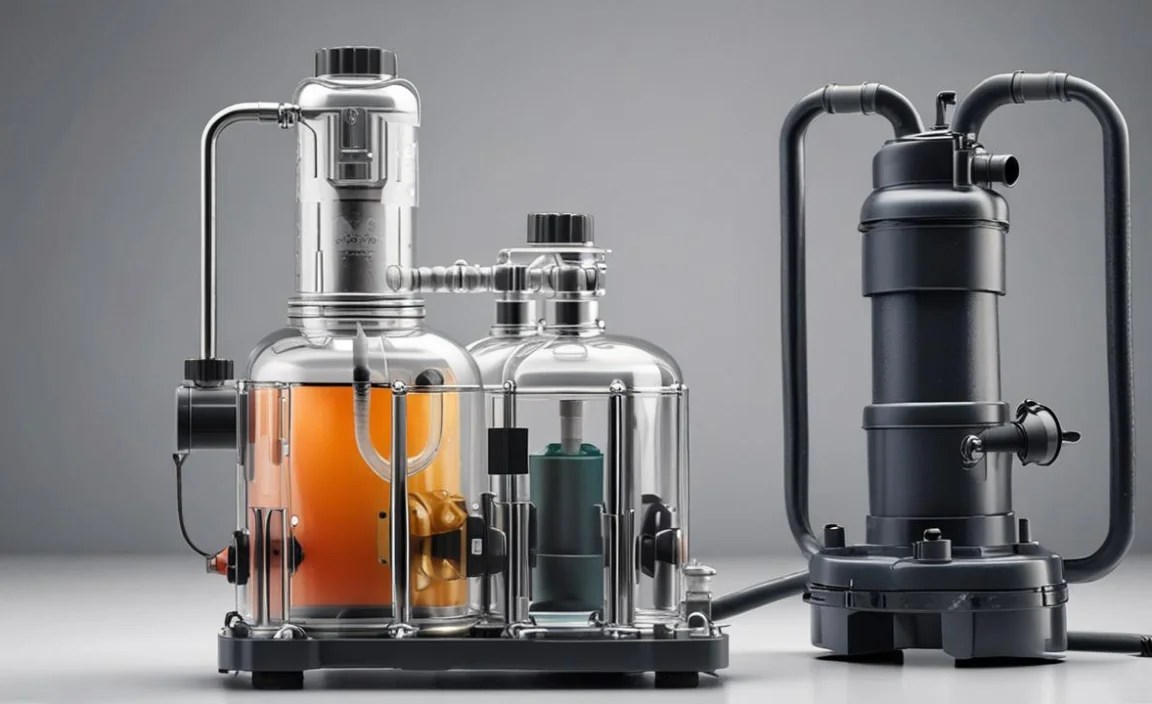
Several factors can influence how frequently and efficiently a diaphragm pump cycles on and off. Understanding these factors can help you optimize the pump’s performance and troubleshoot any issues that may arise.
- Fluid Viscosity: Higher viscosity fluids require more energy to pump, which can affect the cycle time. Pumps may cycle more frequently or run longer to maintain the desired flow rate.
- Air Pressure: Inconsistent or inadequate air pressure can cause the pump to cycle erratically or stall. Ensure the air supply is stable and within the pump’s specified range.
- Check Valve Condition: Worn or damaged check valves can leak, causing backflow and reducing the pump’s efficiency. This can lead to more frequent cycling as the pump struggles to maintain pressure.
- Diaphragm Condition: As mentioned earlier, damaged diaphragms can compromise the pump’s ability to create pressure and suction. Regular inspection and replacement are essential for optimal cycling.
- Control System Settings: The settings of the control system, such as the pressure set points and hysteresis, can significantly affect the cycling behavior. Adjusting these settings can help optimize the pump’s performance for specific applications.
- System Demand: The rate at which fluid is drawn from the discharge line directly affects the pump’s cycling. Higher demand will result in more frequent cycling, while lower demand will lead to less frequent cycling.
Troubleshooting Common Cycling Issues

Sometimes, your diaphragm pump might not cycle as expected. Here are some common issues and how to tackle them:
| Issue | Possible Cause | Solution |
|---|---|---|
| Pump cycles too frequently | Leaking check valves, low air pressure, high system demand | Inspect and replace check valves, increase air pressure, reduce system demand if possible |
| Pump doesn’t cycle at all | Air valve malfunction, diaphragm damage, blocked air supply | Repair or replace air valve, inspect and replace diaphragms, clear air supply line |
| Pump cycles erratically | Inconsistent air pressure, worn diaphragms, control system issues | Stabilize air pressure, replace diaphragms, check control system settings |
| Pump stalls during cycle | Insufficient air pressure, high fluid viscosity, blocked discharge line | Increase air pressure, dilute fluid if possible, clear discharge line |
Tips for Maintaining Optimal Pump Cycling
To keep your diaphragm pump running smoothly and efficiently, follow these maintenance tips:
- Regular Inspections: Inspect diaphragms, check valves, and air valve for wear or damage on a regular basis.
- Proper Lubrication: Lubricate the air valve and other moving parts as recommended by the manufacturer.
- Air Supply Maintenance: Ensure the air supply is clean, dry, and at the correct pressure. Use air filters and regulators as needed.
- Cleanliness: Keep the pump and surrounding area clean to prevent debris from entering the system.
- Timely Repairs: Address any issues promptly to prevent them from escalating into more serious problems.
- Follow Manufacturer’s Guidelines: Adhere to the manufacturer’s recommendations for maintenance, repair, and operation.
Advantages of Diaphragm Pumps
Diaphragm pumps are popular for several reasons. Here are some key advantages:
- Self-Priming: Can start pumping without being pre-filled with fluid.
- Handles Viscous Fluids: Effective with thick or sticky liquids.
- Handles Abrasive Materials: Can pump fluids with solid particles without damage.
- Leak-Free Design: Sealed construction prevents leaks and contamination.
- Variable Flow Rate: Flow rate can be easily adjusted by changing air pressure or stroke length.
- Dry Running Capability: Can run without fluid without causing damage.
Disadvantages of Diaphragm Pumps
While diaphragm pumps offer many benefits, they also have some limitations:
- Pulsating Flow: Output flow is not continuous but rather pulsating, which may not be suitable for all applications. Though Pulsation dampeners can be used to minimize pulsations.
- Lower Efficiency: Generally less energy-efficient compared to centrifugal pumps.
- Maintenance Requirements: Diaphragms and check valves require periodic replacement.
- Noise Level: Can be noisy during operation, especially at higher speeds.
- Pressure Limitations: Typically operate at lower pressures compared to other types of pumps.
Diaphragm Pump Applications
Diaphragm pumps are versatile and used across many industries. Here are some common applications:
- Chemical Processing: Pumping corrosive and hazardous chemicals.
- Wastewater Treatment: Transferring sludge and wastewater.
- Food and Beverage: Handling sauces, syrups, and other viscous food products.
- Pharmaceuticals: Dispensing and transferring sensitive pharmaceutical ingredients.
- Mining: Pumping abrasive slurries and dewatering mines.
- Oil and Gas: Transferring fuels, lubricants, and other oil-based products.
- Paint and Coatings: Dispensing and mixing paints, coatings, and adhesives.
Diaphragm Pump Selection Guide
Choosing the right diaphragm pump is crucial for optimal performance. Consider these factors when selecting a pump:
- Fluid Type: Identify the type of fluid you’ll be pumping, including its viscosity, chemical compatibility, and abrasive properties.
- Flow Rate: Determine the required flow rate for your application. Choose a pump that can deliver the desired flow rate at the operating pressure.
- Pressure Requirements: Determine the required discharge pressure for your application. Select a pump that can generate the necessary pressure.
- Materials of Construction: Choose materials that are compatible with the fluid being pumped. Common materials include polypropylene, stainless steel, and PTFE (Teflon).
- Operating Conditions: Consider the operating temperature, humidity, and other environmental factors. Choose a pump that is suitable for the intended operating conditions.
- Power Source: Determine the available power source (compressed air, electricity, etc.). Select a pump that can be powered by the available source.
- Maintenance Requirements: Consider the maintenance requirements of the pump. Choose a pump that is easy to maintain and has readily available spare parts.
FAQ: Understanding Diaphragm Pump Cycling
Q1: What does it mean when a diaphragm pump “cycles on and off?”
A: It means the pump starts and stops automatically to maintain a set pressure or flow. It’s like a thermostat for your home, but for fluids.
Q2: Why does my diaphragm pump keep cycling on and off too frequently?
A: This could be due to a leak in the system, worn check valves, or low air pressure. Check these components to troubleshoot the issue.
Q3: Can I adjust the on-off cycle frequency of my diaphragm pump?
A: Yes, usually through a control system or pressure switch. Refer to your pump’s manual for specific adjustment instructions.
Q4: What happens if my diaphragm pump runs dry?
A: One of the benefits of a diaphragm pump is that they can run dry for a short period without damage. However, prolonged dry running can cause wear and tear, so it’s best to avoid it.
Q5: How often should I replace the diaphragms in my pump?
A: It depends on the application and fluid type. Inspect them regularly and replace them when you notice signs of wear, such as cracks or reduced performance. Refer to the manufacturer’s recommendations for specific replacement intervals.
Q6: Can a diaphragm pump be used for pumping drinking water?
A: Yes, but make sure the pump is made of materials that are safe for potable water, such as stainless steel or food-grade plastics. Check for certifications like NSF/ANSI 61 to ensure compliance.
Q7: What is the best way to prevent my diaphragm pump from freezing in cold weather?
A: Drain the pump and lines completely when not in use, or use a heat tracing system to keep the pump warm. Insulating the pump can also help prevent freezing.
Conclusion
Understanding how a diaphragm pump cycles on and off can seem complex at first, but breaking it down into simple steps makes it much easier to grasp. From the entry of compressed air to the alternating action of the diaphragms and the role of the control system, each phase plays a crucial role in the pump’s operation. By knowing the factors that affect the cycling and how to troubleshoot common issues, you can keep your diaphragm pump running smoothly and efficiently. Remember to perform regular maintenance, choose the right pump for your application, and follow the manufacturer’s guidelines for optimal performance. With this knowledge, you’re well-equipped to handle any diaphragm pump challenges that come your way!


