
How to Select Gauge with Backlight Display: Smart Guide

Have you ever wondered how pilots see the controls at night? Or how divers check their air deep in the ocean? They use gauges with backlight displays! Gauges help us measure things. Backlights make them easy to read in the dark. Learning how to select gauge with backlight display can be fun and useful. Let’s find out more!
Imagine you are in a car at night. The dashboard lights up. You can see how fast you are going. You can also see how much gas you have. These are gauges with backlights. They help drivers stay safe. They also help them know what is happening with their car. Isn’t that neat?
Gauges are not just for cars. They are used in many places. Airplanes use them to show altitude. Scuba divers use them to check air tanks. Even your oven has a gauge for temperature! Knowing how to select gauge with backlight display is important. It helps you choose the right tool for the job.
Think about a superhero with night vision. They can see in the dark! A gauge with a backlight is like that. It helps you see information clearly, even when it is dark. Choosing the right one can make a big difference. Ready to learn how to pick the best one? Let’s get started!
Key Takeaways
- Choose a gauge with adjustable brightness for comfortable viewing in any light.
- Look for gauges with clear, easy-to-read numbers and symbols.
- Consider the size of the gauge to ensure it fits your needs and space.
- When thinking about how to select gauge with backlight display, check power source.
- Make sure the gauge is durable and can withstand the environment where it will be used.
Understanding Why Backlight Matters
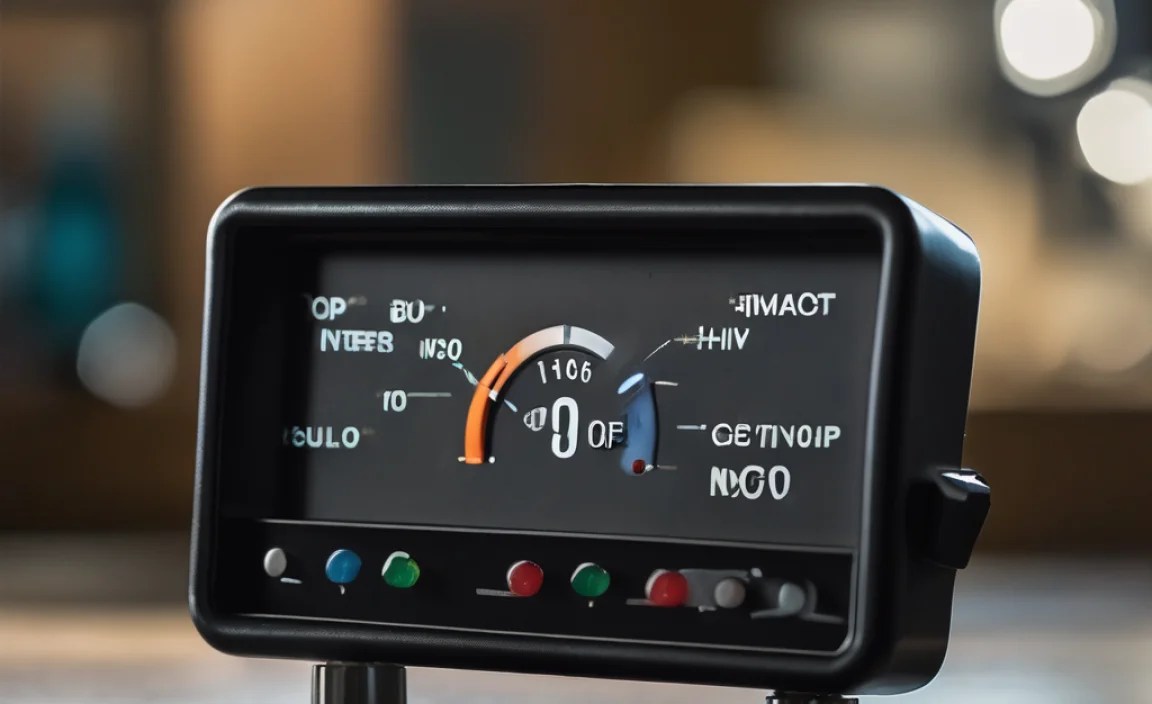
Backlights are super important for gauges. They let you see the numbers and needles in the dark. Without a backlight, you would need a flashlight. That would be hard to do while driving or diving! Backlights make gauges safer and easier to use. They come in different colors and brightness. Some backlights can even change colors! This can help you see important warnings. For example, a red backlight might mean there is a problem. A green backlight might mean everything is okay. Learning about backlights helps you understand how to select gauge with backlight display. You want a backlight that is bright enough but not too bright. Too much light can hurt your eyes. Just the right amount of light makes the gauge easy to read. It also helps you stay safe. So, pay attention to the backlight when choosing a gauge.
- Backlights make gauges easy to read in the dark.
- Different colors can show different warnings.
- Brightness should be adjustable for comfort.
- LED backlights are energy-efficient and long-lasting.
- Consider the color of the backlight for visibility.
Choosing the right backlight is like picking the perfect lightbulb for your room. You don’t want it too dim, or you can’t see. You don’t want it too bright, or it hurts your eyes. A good backlight is just right. It makes the gauge clear and easy to read. It also doesn’t distract you. Think about the places you will use the gauge. Will it be in bright sunlight? Will it be in total darkness? Choose a backlight that works well in those conditions. This will help you stay safe and get the most out of your gauge. When you know how to select gauge with backlight display, you make informed decisions.
Why is Brightness Important?
Have you ever tried to read a book in the dark? It’s almost impossible! The same is true for gauges without backlights. Brightness is key because it allows you to see the gauge clearly. Imagine you are a pilot flying at night. You need to see the altitude and speed. A dim backlight could make it hard to read. This could be dangerous! A bright, adjustable backlight ensures you can see the information you need. It also prevents eye strain. Some gauges have automatic brightness settings. They adjust to the surrounding light. This is helpful if you move between bright and dark areas. Think about your own eyes. Do they get tired easily? If so, choose a gauge with adjustable brightness. This will help you stay comfortable and safe.
What About Backlight Color?
Have you ever noticed that emergency lights are often red? That’s because red is easy to see and doesn’t hurt your eyes as much in the dark. Backlight color matters for gauges too! Green and blue are common colors. They are easy to read and don’t cause much eye strain. Red is often used for warnings. It can quickly grab your attention if something is wrong. Some gauges let you change the backlight color. This can be helpful if you use the gauge in different situations. Think about what colors are easiest for you to see. Also, think about what colors might be useful for warnings. The backlight color plays a big part in how to select gauge with backlight display.
How Does Power Affect Backlights?
Imagine your phone battery is low. The screen gets dimmer to save power. The same can happen with gauges! The power source affects how bright the backlight can be. Some gauges use batteries. Others plug into a power outlet. Battery-powered gauges need efficient backlights. LED backlights are a good choice. They use less power and last longer. Gauges that plug into a power outlet can have brighter backlights. But they need a reliable power source. Think about where you will use the gauge. Will you have access to a power outlet? If not, choose a gauge with a long-lasting battery and an efficient backlight. The more you know about power, the better you will understand how to select gauge with backlight display.
Fun Fact or Stat: Did you know that LED backlights can last up to 50,000 hours? That’s like leaving a light on for over five years!
Considering Gauge Size and Readability
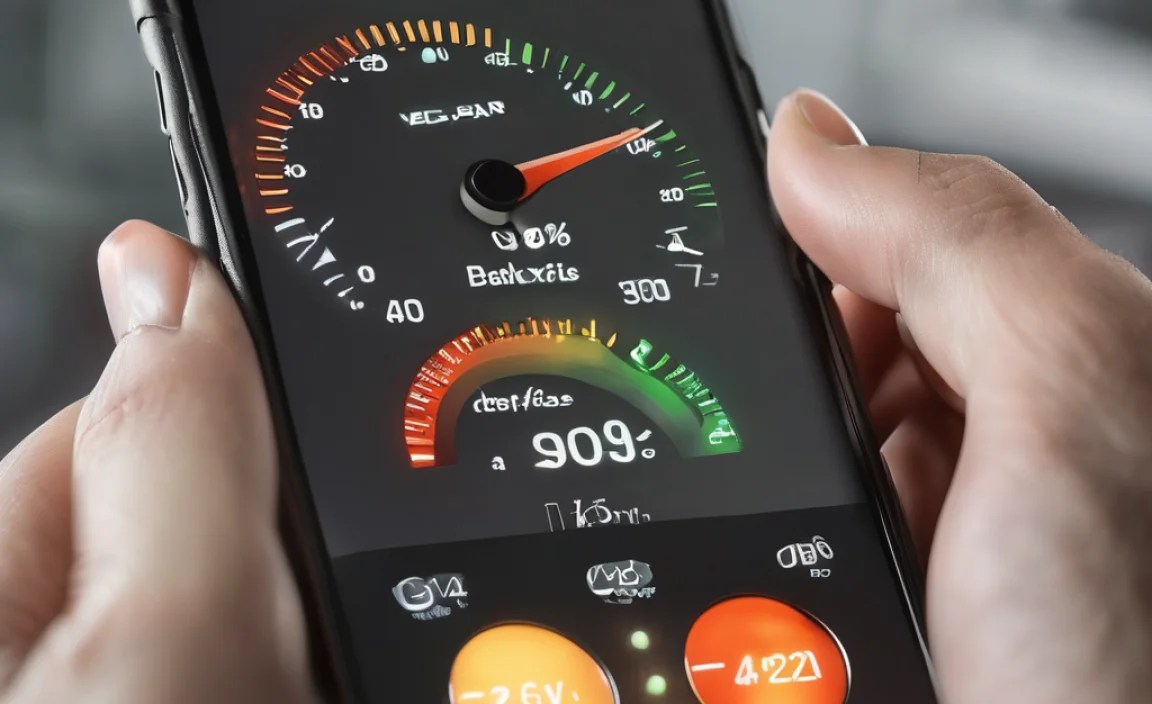
The size of a gauge matters a lot. A small gauge might be hard to read. A large gauge might take up too much space. You need to find the right balance. Readability is also super important. The numbers and symbols should be clear. They should be easy to understand at a glance. Think about where you will use the gauge. If it’s far away, you need a larger gauge. If it’s in a small space, you need a smaller gauge. Consider your eyesight too. If you have trouble seeing, choose a gauge with large, clear numbers. Some gauges have adjustable brightness. This can also help with readability. Learning how to select gauge with backlight display means thinking about size and readability. The best gauge is one that you can easily see and understand.
- Choose a size that fits your space and needs.
- Look for clear numbers and symbols.
- Consider adjustable brightness for better readability.
- Test the gauge at different distances.
- Think about your eyesight when choosing a size.
Imagine you are trying to read a tiny book. It would be hard, right? The same is true for gauges. If the numbers are too small, you can’t read them. If the gauge is too far away, you can’t see it. That’s why size and readability are so important. Think about the people who will use the gauge. Will they have good eyesight? Will they be able to get close to the gauge? Choose a gauge that works for them. Also, think about the environment. Will it be bright or dark? Will it be dusty or wet? Choose a gauge that can withstand those conditions. The right size and readability make a big difference. They help you get accurate information quickly and easily. When you master how to select gauge with backlight display, you’ll thank yourself later.
How Does Size Affect Readability?
Have you ever seen a giant billboard? It’s easy to read from far away because it’s so big! Size affects readability in gauges the same way. A larger gauge usually has larger numbers and symbols. This makes it easier to read from a distance. But a larger gauge might not fit in a small space. A smaller gauge can fit anywhere. But the numbers might be too small to read easily. You need to find the sweet spot. Think about how far away you will be from the gauge. Choose a size that allows you to read it comfortably. Consider the space where the gauge will be used. Make sure it fits without being too crowded. Size and readability go hand in hand. It’s a key part of how to select gauge with backlight display.
What Makes Numbers Easy to Read?
Think about your favorite font on the computer. Some fonts are easier to read than others. The same is true for the numbers on a gauge! Clear, simple fonts are the best. Avoid fancy fonts that are hard to understand. The color of the numbers also matters. Dark numbers on a light background are usually easiest to read. The spacing between the numbers is important too. If the numbers are too close together, they can be confusing. Look for gauges with well-designed numbers. They should be clear, simple, and easy to read at a glance. Easy-to-read numbers make the gauge more useful. It also reduces the chance of mistakes. Choosing legible numbers is key to how to select gauge with backlight display.
Why is Viewing Angle Important?
Imagine you are looking at a TV screen from the side. The picture might look distorted. Viewing angle is important for gauges too! Some gauges are designed to be viewed straight on. Others can be viewed from different angles. Think about where the gauge will be located. Will you be looking at it straight on? Or will you be looking at it from the side? Choose a gauge with a good viewing angle for your situation. This will ensure you can always see the information clearly. A good viewing angle makes the gauge more versatile. It also reduces the chance of errors. Don’t forget to consider viewing angle when learning how to select gauge with backlight display.
Fun Fact or Stat: The human eye can distinguish about 10 million different colors, but only a few colors are ideal for gauge displays!
Evaluating Gauge Durability and Material
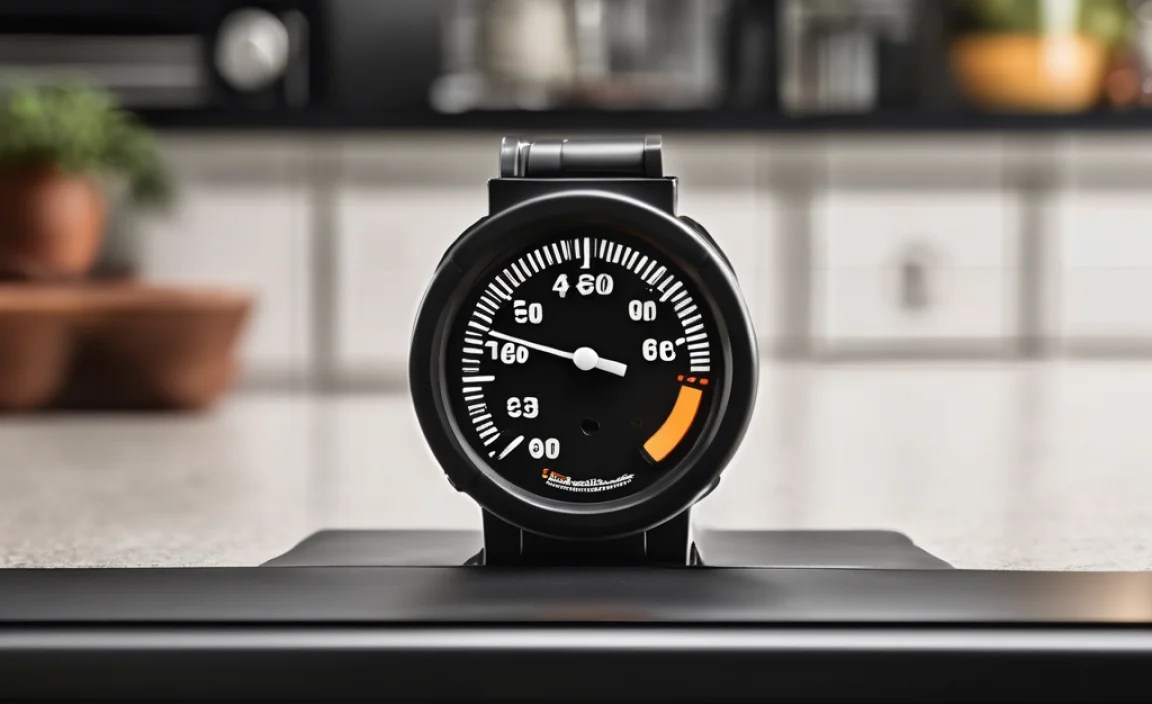
Gauges can be used in many different places. Some are inside, in a safe and clean environment. Others are outside, exposed to the weather. Some are even underwater! Durability is super important. You want a gauge that can withstand the conditions where it will be used. The material of the gauge also matters. Some materials are stronger than others. Some are resistant to water and chemicals. Think about where you will use the gauge. If it’s outside, choose a gauge made of weather-resistant material. If it’s near chemicals, choose a gauge that is chemical-resistant. Learning how to select gauge with backlight display also means considering durability and material. The best gauge is one that lasts a long time and stays accurate.
- Choose durable materials for harsh environments.
- Consider water resistance for outdoor use.
- Check for chemical resistance if needed.
- Look for gauges with protective coatings.
- Think about the gauge’s lifespan.
Imagine you have a toy that breaks easily. You would be sad, right? The same is true for gauges. If a gauge breaks easily, it’s not very useful. That’s why durability is so important. Think about the kinds of things the gauge might face. Will it be dropped? Will it be exposed to extreme temperatures? Will it be splashed with water? Choose a gauge that can handle those things. The material of the gauge plays a big role in its durability. Some common materials include plastic, metal, and glass. Each material has its own strengths and weaknesses. Do some research to find the best material for your needs. Understanding how to select gauge with backlight display includes knowing which materials last.
What Materials are Most Durable?
Have you ever seen a superhero with super-strong armor? The armor protects them from harm. Durable materials protect gauges from harm too! Stainless steel is a very strong and durable material. It’s resistant to rust and corrosion. It’s a good choice for gauges that will be used in wet environments. Plastic is another common material. It’s lightweight and affordable. But it’s not as strong as stainless steel. Glass is often used for the gauge face. It’s clear and easy to see through. But it can break if it’s dropped. Think about the pros and cons of each material. Choose the one that best fits your needs. Material choice is part of how to select gauge with backlight display.
How Does Water Resistance Work?
Imagine you are wearing a raincoat. It keeps you dry in the rain. Water resistance works the same way for gauges! Water-resistant gauges have special seals and coatings. These prevent water from getting inside and damaging the gauge. Some gauges are only water-resistant. This means they can handle a little bit of water. Others are waterproof. This means they can be submerged in water without being damaged. Think about how the gauge will be used. If it will be exposed to rain or splashes, choose a water-resistant gauge. If it will be submerged in water, choose a waterproof gauge. Water resistance is crucial for how to select gauge with backlight display in wet areas.
Why is Chemical Resistance Important?
Have you ever seen a scientist wearing gloves? The gloves protect their hands from chemicals. Chemical resistance protects gauges from chemicals too! Some chemicals can damage or corrode gauges. This can make them inaccurate or even break them. Chemical-resistant gauges are made of special materials. These materials can withstand exposure to chemicals. Think about the types of chemicals the gauge might encounter. Choose a gauge that is resistant to those chemicals. Chemical resistance is essential in how to select gauge with backlight display around harsh substances.
Fun Fact or Stat: Some gauges are even used in space! They need to be made of special materials that can withstand extreme temperatures and radiation.
Analyzing Power Source and Battery Life

Gauges need power to work. Some gauges use batteries. Others plug into a power outlet. The power source affects how long the gauge will last. It also affects how bright the backlight can be. Battery life is super important for gauges that use batteries. You don’t want the battery to die in the middle of an important task. Think about how often you will use the gauge. If you use it a lot, choose a gauge with a long battery life. If you only use it occasionally, a shorter battery life might be okay. When exploring how to select gauge with backlight display, consider power source. The best gauge is one that has a reliable power source and lasts a long time.
- Consider battery life for portable gauges.
- Check the power requirements of the gauge.
- Think about the availability of power outlets.
- Look for gauges with energy-efficient backlights.
- Consider gauges with rechargeable batteries.
Imagine you are on a long road trip. Your phone battery is low. You need to find a place to charge it. Gauges with batteries are similar. You need to make sure they have enough power. The type of battery also matters. Some batteries last longer than others. Some batteries are rechargeable. Rechargeable batteries can save you money in the long run. But they need to be charged regularly. Think about your own needs. Do you want the convenience of batteries? Or do you prefer the reliability of a power outlet? Choose a gauge that matches your lifestyle. The power source is a key factor in how to select gauge with backlight display. It’s important to make the right choice.
What are the Different Battery Types?
Have you ever wondered what’s inside a battery? There are different types of batteries, each with its own strengths and weaknesses. Alkaline batteries are common and affordable. They are good for general use. Lithium batteries last longer and have a higher energy density. They are a good choice for gauges that need a lot of power. Rechargeable batteries can be either Nickel-Metal Hydride (NiMH) or Lithium-Ion (Li-ion). Li-ion batteries are lighter and have a longer lifespan. Think about the pros and cons of each battery type. Choose the one that best fits your needs. Knowing battery types is key to how to select gauge with backlight display.
How Can I Extend Battery Life?
Imagine you are trying to make a tank of gas last longer. You would drive slower and avoid unnecessary trips. You can extend battery life in gauges too! Turn off the backlight when you don’t need it. This can save a lot of power. Use energy-efficient settings if available. Some gauges have a sleep mode that turns off the backlight after a period of inactivity. Store the gauge in a cool, dry place. Extreme temperatures can shorten battery life. Follow these tips to get the most out of your batteries. Extending battery life is important in how to select gauge with backlight display, especially for portable devices.
Is a Power Outlet Always Better?
Have you ever been in a power outage? It’s not fun! Power outlets are reliable. But they are not always available. Battery-powered gauges are more portable. You can use them anywhere, even if there is no power outlet. Gauges that plug into a power outlet can have brighter backlights. But they need a stable power source. Think about where you will use the gauge. If you need portability, choose a battery-powered gauge. If you need a super-bright backlight, choose a gauge that plugs into a power outlet. Each option has its own advantages. Weighing the pros and cons is a key step in how to select gauge with backlight display.
Fun Fact or Stat: Some gauges can even be powered by solar energy! They use sunlight to charge their batteries.
Examining Gauge Accuracy and Calibration

Accuracy is super important for gauges. You want to make sure the gauge is giving you the correct information. Calibration is the process of making sure the gauge is accurate. Gauges can lose accuracy over time. This can be caused by wear and tear or changes in temperature. Some gauges need to be calibrated regularly. This ensures they stay accurate. Think about how important accuracy is for your needs. If you need precise measurements, choose a gauge that is easy to calibrate. If you don’t need super-precise measurements, a less accurate gauge might be okay. Evaluating how to select gauge with backlight display includes accuracy. The best gauge is one that gives you reliable information.
- Check the gauge’s accuracy specifications.
- Consider the calibration requirements.
- Look for gauges with automatic calibration features.
- Think about the gauge’s stability over time.
- Choose a gauge that meets your accuracy needs.
Imagine you are using a ruler to measure something. If the ruler is not accurate, your measurement will be wrong. The same is true for gauges. If a gauge is not accurate, the information it gives you will be wrong. This can be dangerous in some situations. Think about the consequences of an inaccurate measurement. If the consequences are serious, choose a gauge with high accuracy. Calibration is like tuning a musical instrument. It makes sure the gauge is playing the right note. Some gauges have built-in calibration features. These make it easy to keep the gauge accurate. Understanding how to select gauge with backlight display involves accuracy and calibration.
How is Accuracy Measured?
Have you ever seen a target at an archery range? The closer you get to the center, the more accurate you are! Accuracy is measured in gauges by comparing the gauge’s reading to a known standard. The difference between the two is the error. Gauges with smaller errors are more accurate. Accuracy is often expressed as a percentage. For example, a gauge with an accuracy of ±1% is very accurate. Think about the level of accuracy you need. Choose a gauge that meets those requirements. Learning about accuracy is vital in how to select gauge with backlight display.
What is Calibration and Why Does it Matter?
Imagine you are adjusting the volume on a radio. You are calibrating it to the right level. Calibration is the process of adjusting a gauge to make it accurate. Gauges can drift out of calibration over time. This means their readings become less accurate. Calibration corrects this drift. It ensures the gauge is giving you the correct information. Calibration is like giving the gauge a tune-up. It keeps it running smoothly. Think about how often you will need to calibrate the gauge. Some gauges need to be calibrated frequently. Others only need to be calibrated occasionally. Calibration is a key part of how to select gauge with backlight display.
How Can I Check Gauge Accuracy?
Have you ever compared two clocks to see if they are showing the same time? You can check gauge accuracy in a similar way! Compare the gauge’s reading to a known standard. This could be another gauge that you know is accurate. Or it could be a physical standard, like a weight or a length. If the gauge’s reading is different from the standard, it needs to be calibrated. Checking gauge accuracy is like giving it a quick checkup. It helps you catch problems early. Regular checks are an important part of how to select gauge with backlight display.
Fun Fact or Stat: The most accurate gauges can measure things to within a millionth of an inch!
Considering Additional Features and Cost
Some gauges have extra features. These can make them more useful or convenient. Some gauges have alarms that sound when a certain level is reached. Others have data logging capabilities. This allows you to record measurements over time. Some gauges have wireless connectivity. This allows you to transmit data to a computer or phone. Cost is also a factor to consider. More expensive gauges often have more features and higher accuracy. But they might not be necessary for your needs. Think about what features are important to you. Balance the features with the cost. The best approach to how to select gauge with backlight display takes budget into consideration. The right gauge is one that meets your needs without breaking the bank.
- Consider extra features like alarms or data logging.
- Think about the overall cost of the gauge.
- Look for gauges that offer good value for money.
- Consider the long-term cost of ownership.
- Balance features with your budget.
Imagine you are buying a car. You could get a basic model with just the essentials. Or you could get a fancy model with all the bells and whistles. The same is true for gauges. Some gauges have extra features that you might find useful. But these features often come at a higher cost. Think about how you will use the gauge. Will you need the extra features? Or will the basic features be enough? Also, think about the long-term cost of ownership. Will you need to replace the batteries frequently? Will you need to pay for regular calibration? Factor these costs into your decision. A smart approach to how to select gauge with backlight display involves balancing features with cost.
What are Some Useful Additional Features?
Have you ever wished your gauge could do more? Some gauges have extra features that can make your life easier. Alarms can alert you when a certain level is reached. This can be useful for monitoring critical parameters. Data logging allows you to record measurements over time. This can be useful for tracking trends. Wireless connectivity allows you to transmit data to a computer or phone. This can be useful for remote monitoring. Think about what features would be most helpful for your needs. Consider additional features when learning how to select gauge with backlight display.
How Does Cost Affect Quality?
Imagine you are buying a pair of shoes. A cheap pair might fall apart quickly. An expensive pair might last for years. Cost often reflects quality. More expensive gauges are often made with better materials. They may also have higher accuracy and more features. But a higher price doesn’t always guarantee better quality. Do your research and read reviews. Compare different gauges to find the best value for your money. Balancing cost and quality is crucial when thinking about how to select gauge with backlight display.
Is Brand Name Important?
Have you ever bought something because it was from a trusted brand? Brand name can be a sign of quality and reliability. Well-known brands often have a reputation to uphold. They are more likely to produce high-quality products. But brand name is not the only factor to consider. Do your research and read reviews. Compare different gauges from different brands. Choose a gauge that meets your needs, regardless of the brand. Brand name is just one piece of the puzzle in how to select gauge with backlight display.
| Feature | Low-Cost Gauge | High-Cost Gauge |
|---|---|---|
| Accuracy | ±5% | ±1% |
| Durability | Plastic | Stainless Steel |
| Battery Life | 100 hours | 500 hours |
| Additional Features | None | Data Logging, Alarms |
Fun Fact or Stat: The most expensive gauges can cost thousands of dollars! They are used in specialized applications like aerospace and scientific research.
Summary
Choosing the right gauge with a backlight display involves thinking about several things. You need to consider the backlight itself. How bright does it need to be? What color should it be? You also need to think about the size and readability of the gauge. Can you easily see the numbers and symbols? Durability and material are also important. Will the gauge be used in a harsh environment? Power source and battery life are other factors to consider. How long does the battery need to last? Finally, you need to think about accuracy and calibration. How accurate does the gauge need to be? Learning how to select gauge with backlight display ensures you get the right tool.
By considering all these factors, you can choose a gauge that meets your needs. Remember to balance features with cost. The best gauge is one that gives you accurate information, is easy to read, and lasts a long time. It should also fit your budget. When you follow these guidelines, you will pick the perfect gauge for the job. You’ll be prepared for any situation, whether it’s diving deep in the ocean or flying high in the sky. Choosing the correct gauge depends on how to select gauge with backlight display properly.
Conclusion
Learning how to select gauge with backlight display can seem tricky. However, by thinking about backlights, size, durability, power, and accuracy, you can make a smart choice. Remember to consider where you will use the gauge. Think about your budget too. The right gauge will make your tasks easier and safer. With a little research, you will find the perfect gauge for your needs. Now, you can confidently choose the best gauge with a backlight display.
Frequently Asked Questions
Question No 1: What is a gauge with a backlight display?
Answer: A gauge with a backlight display is a tool that measures something, like pressure or temperature. It has a light behind the numbers and needle. This light makes it easy to read the gauge in the dark or in low-light conditions. Backlights come in different colors and brightness levels. They help people see the information they need quickly and easily. This is especially important in situations where accuracy and speed are critical. Knowing how to select gauge with backlight display ensures you choose the right tool for the job. These gauges are used in cars, airplanes, and many other places.
Question No 2: Why is a backlight important for a gauge?
Answer: A backlight is important because it makes the gauge readable in dark or dimly lit environments. Without a backlight, you would need an external light source, like a flashlight, to see the gauge. This can be inconvenient and even dangerous in some situations. For example, a pilot needs to be able to see the gauges in the cockpit at night. A diver needs to be able to see their air pressure gauge underwater. A good backlight makes the gauge clear and easy to read. It also reduces eye strain. That’s why backlights are so important. The type of backlight you select has an impact on how to select gauge with backlight display.
Question No 3: What are the different types of backlights?
Answer: There are several different types of backlights used in gauges. LED backlights are the most common. They are energy-efficient and long-lasting. They also come in a variety of colors. Incandescent backlights are older and less efficient. They produce a warm, yellow light. Electroluminescent (EL) backlights are thin and flexible. They produce a soft, even light. The best type of backlight depends on the application and your personal preferences. LED backlights are generally the best choice for most gauges. When thinking about how to select gauge with backlight display, consider LED options.
Question No 4: How do I choose the right size gauge?
Answer: The size of the gauge depends on how far away you will be from it. If you will be close to the gauge, a smaller size might be okay. If you will be far away, you need a larger size. Also, consider the space where the gauge will be located. Make sure the gauge fits without being too crowded. A larger gauge is usually easier to read. But it might not be practical in a small space. Choose a size that allows you to read the gauge comfortably without taking up too much space. Selecting the appropriate size gauge is part of how to select gauge with backlight display.
Question No 5: What should I look for in a durable gauge?
Answer: A durable gauge should be made of strong materials that can withstand the environment where it will be used. Stainless steel is a good choice for wet environments. Plastic is a good choice for general use. Look for gauges with protective coatings to prevent scratches and corrosion. Also, consider the gauge’s resistance to water and chemicals. Choose a gauge that can handle the conditions it will face. Durability is key to ensuring the gauge lasts a long time and stays accurate. This factor is key in how to select gauge with backlight display.
Question No 6: How important is accuracy?
Answer: Accuracy is very important for gauges. You want to make sure the gauge is giving you the correct information. The level of accuracy you need depends on the application. If you need precise measurements, choose a gauge with high accuracy. If you don’t need super-precise measurements, a less accurate gauge might be okay. Calibration is also important. Make sure the gauge is calibrated regularly to maintain its accuracy. Inaccurate readings can lead to problems or even dangerous situations. So, always choose a gauge with the appropriate level of accuracy for your needs. Understanding accuracy is critical in how to select gauge with backlight display.


