
How to Use a Repco Cycling Pump: A Beginner’s Guide

Quick Summary: Using a Repco cycling pump is easy! First, make sure the pump head matches your valve type (Presta or Schrader). Attach the pump head firmly to the valve, then lock it in place. Start pumping using smooth, full strokes until you reach your desired tire pressure. Check the pressure with the built-in gauge, and you’re ready to ride!
Flat tires are every cyclist’s worst nightmare. But don’t worry! Knowing how to use a Repco cycling pump can get you back on the road quickly and easily. Many cyclists find tire inflation confusing, but it doesn’t have to be. This guide will walk you through each step, so you can confidently inflate your tires and enjoy your ride.
We’ll cover everything from identifying your valve type to achieving the perfect tire pressure. Let’s get started and learn how to use your Repco cycling pump like a pro!
Understanding Your Repco Cycling Pump

Before you start pumping, it’s important to know the different parts of your Repco cycling pump and how they work together. Here’s a breakdown:
- Pump Head: This is the part that attaches to your tire’s valve. Most Repco pumps have a dual head, compatible with both Presta and Schrader valves.
- Handle: The handle is what you grip to pump air. Make sure it’s comfortable and provides good leverage.
- Barrel: The barrel is the main body of the pump, where air is compressed.
- Base: The base provides stability while you pump. It should be wide and sturdy.
- Pressure Gauge: This displays the current tire pressure in PSI (pounds per square inch) or BAR (a metric unit of pressure).
- Hose: Connects the pump to the tire valve.
- Locking Lever: Secures the pump head to the valve for an airtight seal.
Identifying Your Tire Valve Type

There are two main types of tire valves: Presta and Schrader. Knowing which one you have is crucial for using your Repco cycling pump correctly.
- Presta Valve: These are typically found on road bikes and high-performance bicycles. They are narrow and have a small locking nut at the tip.
- Schrader Valve: These are similar to the valves on car tires. They are wider and more robust than Presta valves. You’ll usually find them on mountain bikes, hybrid bikes, and some commuter bikes.
Here’s a quick comparison table:
| Feature | Presta Valve | Schrader Valve |
|---|---|---|
| Appearance | Narrow with a locking nut | Wider, like a car tire valve |
| Commonly Found On | Road bikes, high-performance bikes | Mountain bikes, hybrid bikes, commuter bikes |
| Pressure Retention | Generally better at retaining high pressure | Slightly less efficient at high pressure |
| Ease of Use | Requires unlocking before inflation | More straightforward to inflate |
Step-by-Step Guide: Using Your Repco Cycling Pump
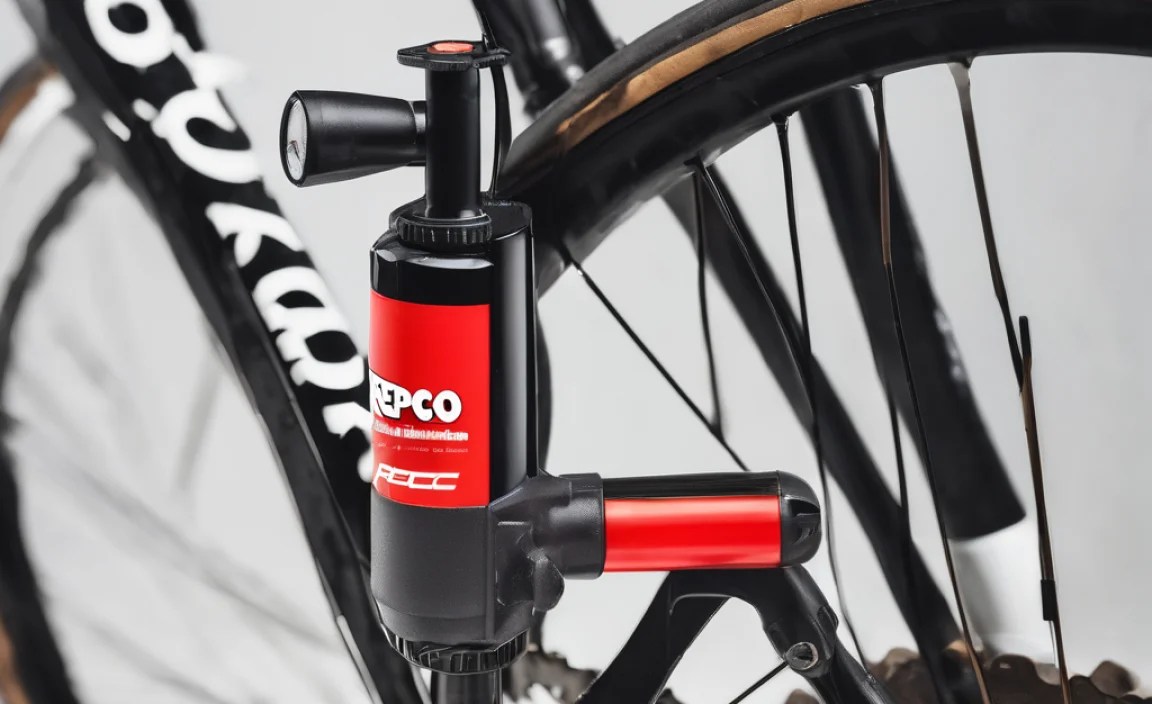
Now that you know the basics, let’s get to the step-by-step process of using your Repco cycling pump:
Step 1: Prepare the Valve
For Presta valves:
- Remove the valve cap.
- Unscrew the small locking nut at the tip of the valve.
- Tap the valve tip to release a small amount of air. This ensures the valve isn’t stuck.
For Schrader valves:
- Remove the valve cap.
Step 2: Attach the Pump Head
Most Repco pumps have a dual pump head that can be configured for both Presta and Schrader valves. Choose the correct opening:
- For Presta valves: Use the smaller opening.
- For Schrader valves: Use the larger opening.
Now, attach the pump head to the valve:
- Push the pump head straight onto the valve. Make sure it’s firmly seated.
- Engage the locking lever on the pump head. This creates an airtight seal. The lever should be parallel to the hose when locked.
Step 3: Start Pumping
- Place the pump on a stable surface.
- Position your feet on the base for stability.
- Grip the handle firmly.
- Begin pumping using smooth, full strokes. Push down on the handle, compressing the air into the tire.
- Watch the pressure gauge as you pump.
Step 4: Monitor the Pressure
Keep an eye on the pressure gauge as you pump. Refer to the recommended tire pressure printed on the sidewall of your tire. This is usually indicated in PSI (pounds per square inch). Don’t exceed the maximum recommended pressure.
Here’s a general guideline for tire pressure based on bike type:
| Bike Type | Typical Tire Pressure (PSI) |
|---|---|
| Road Bike | 80-130 PSI |
| Mountain Bike | 25-40 PSI |
| Hybrid Bike | 50-70 PSI |
| Gravel Bike | 30-60 PSI |
Note: These are just general guidelines. Always check the recommended pressure on your tire sidewall.
Step 5: Detach the Pump Head
- Disengage the locking lever on the pump head.
- Pull the pump head straight off the valve.
A small amount of air may escape when you detach the pump head. This is normal.
Step 6: Secure the Valve
For Presta valves:
- Screw the locking nut back down on the valve tip.
- Replace the valve cap.
For Schrader valves:
- Replace the valve cap.
Troubleshooting Common Issues
Sometimes, you might encounter problems while using your Repco cycling pump. Here are some common issues and how to fix them:
- Pump Not Sealing: Make sure the pump head is properly attached to the valve and the locking lever is engaged. Check that the pump head is correctly configured for your valve type.
- Air Leaking: Ensure the pump head is securely attached. Examine the hose for any cracks or leaks. If the hose is damaged, you may need to replace it.
- Difficulty Pumping: Check for any obstructions in the pump. Make sure the pump is properly lubricated. A drop of oil can help the piston move smoothly.
- Incorrect Pressure Reading: Verify that the pressure gauge is functioning correctly. Compare the reading with another gauge if possible. If the gauge is inaccurate, you may need to replace the pump.
Maintaining Your Repco Cycling Pump

Regular maintenance will keep your Repco cycling pump in good working condition and prolong its lifespan. Here are some tips:
- Clean the Pump: Wipe down the pump with a clean cloth after each use. This removes dirt and grime.
- Lubricate the Piston: Periodically lubricate the piston with a drop of light oil. This ensures smooth pumping action.
- Check the Hose: Inspect the hose for cracks or wear. Replace the hose if it’s damaged.
- Store Properly: Store the pump in a dry place, away from direct sunlight.
Choosing the Right Repco Cycling Pump
Repco offers a variety of cycling pumps to suit different needs and budgets. Here are some factors to consider when choosing a pump:
- Pump Type:
- Floor Pump: These are the most common type of pump, ideal for home use. They provide good leverage and are easy to use.
- Hand Pump: These are portable and lightweight, perfect for carrying on rides. They require more effort to use than floor pumps.
- CO2 Inflator: These use CO2 cartridges to quickly inflate tires. They are great for emergencies but require purchasing cartridges.
- Valve Compatibility: Ensure the pump is compatible with both Presta and Schrader valves.
- Pressure Gauge: A clear and accurate pressure gauge is essential for achieving the correct tire pressure.
- Build Quality: Look for a pump made from durable materials, such as steel or aluminum.
- Price: Repco offers pumps at various price points. Choose one that fits your budget and needs.
Here’s a comparison of different Repco pump types:
| Pump Type | Pros | Cons | Best For |
|---|---|---|---|
| Floor Pump | Easy to use, accurate pressure gauge, efficient | Not portable | Home use, frequent tire inflation |
| Hand Pump | Portable, lightweight | Requires more effort, less accurate gauge | On-the-go repairs, emergency inflation |
| CO2 Inflator | Fast inflation, compact | Requires cartridges, can be wasteful | Emergency repairs, racing |
Alternative Bike Pump Brands
While Repco offers quality cycling pumps, exploring other reputable brands can provide additional options. Here are a few alternatives to consider:
- Lezyne: Known for high-quality, durable pumps with precise pressure gauges. Lezyne’s official website provides detailed product specs.
- Topeak: Offers a wide range of pumps, from portable mini-pumps to robust floor pumps. See their range at Topeak’s website.
- Park Tool: Renowned for professional-grade bike tools, including reliable and accurate pumps. Park Tool’s official site showcases their offerings.
- Serfas: Provides affordable and functional pumps suitable for everyday cyclists. Check out the selection on Serfas’ website.
FAQ: Using a Repco Cycling Pump
Here are some frequently asked questions about using a Repco cycling pump:
Q: How do I know what tire pressure to use?
A: Look for the recommended tire pressure printed on the sidewall of your tire. It’s usually indicated in PSI (pounds per square inch).
Q: Can I use a Repco pump for both Presta and Schrader valves?
A: Yes, most Repco pumps have a dual pump head that can be configured for both valve types. Make sure you use the correct opening for your valve.
Q: What do I do if the pump won’t seal on the valve?
A: Ensure the pump head is properly attached and the locking lever is engaged. Check that the pump head is configured for the correct valve type.
Q: How often should I inflate my tires?
A: Check your tire pressure before each ride. Tires lose pressure over time, so it’s important to keep them properly inflated.
Q: What’s the difference between PSI and BAR?
A: PSI (pounds per square inch) and BAR are both units of pressure. 1 BAR is equal to approximately 14.5 PSI. Your Repco pump’s gauge may display both units.
Q: My pump is making a strange noise. What should I do?
A: Check for any obstructions in the pump. Lubricate the piston with a drop of light oil. If the noise persists, the pump may need to be repaired or replaced.
Q: Can I over-inflate my tires with a Repco pump?
A: Yes, it’s possible to over-inflate your tires. Always monitor the pressure gauge and don’t exceed the maximum recommended pressure printed on the tire sidewall. Over-inflating can lead to tire blowouts.
Conclusion
Using a Repco cycling pump is a straightforward process that every cyclist should master. By following these steps, you can keep your tires properly inflated and enjoy a safe and comfortable ride. Remember to identify your valve type, attach the pump head securely, and monitor the pressure gauge. With a little practice, you’ll be inflating your tires like a pro in no time!
Regular maintenance of your pump will ensure it lasts for years to come. And if you ever encounter any issues, refer back to the troubleshooting tips in this guide. Happy cycling!


