
Cycle Spare Parts List: Find Yours Easily!

Quick Summary
Need a cycle spare parts list? Every cyclist should keep essential spare parts on hand. This list includes inner tubes, tire levers, a multi-tool, chain lube, spare chain links, brake pads, and cables. Regular checks and replacements keep your bike running smoothly and prevent unexpected breakdowns. Carry these parts for quick fixes on the road or trail, ensuring a safer and more enjoyable ride.
Cycling is a fantastic way to stay active and explore the outdoors. But like any machine, your bike needs regular maintenance and occasional repairs. Nothing’s worse than being miles from home with a flat tire or a broken chain! Keeping a stash of essential spare parts ensures you’re ready for almost anything the road throws at you.
In this guide, I’ll walk you through a comprehensive cycle spare parts list. We’ll cover the must-have items for every cyclist, from basic repair tools to crucial replacement components. With these parts on hand, you’ll be able to handle common issues and keep your bike in top condition. Let’s get started and keep you rolling!
Essential Cycle Spare Parts List
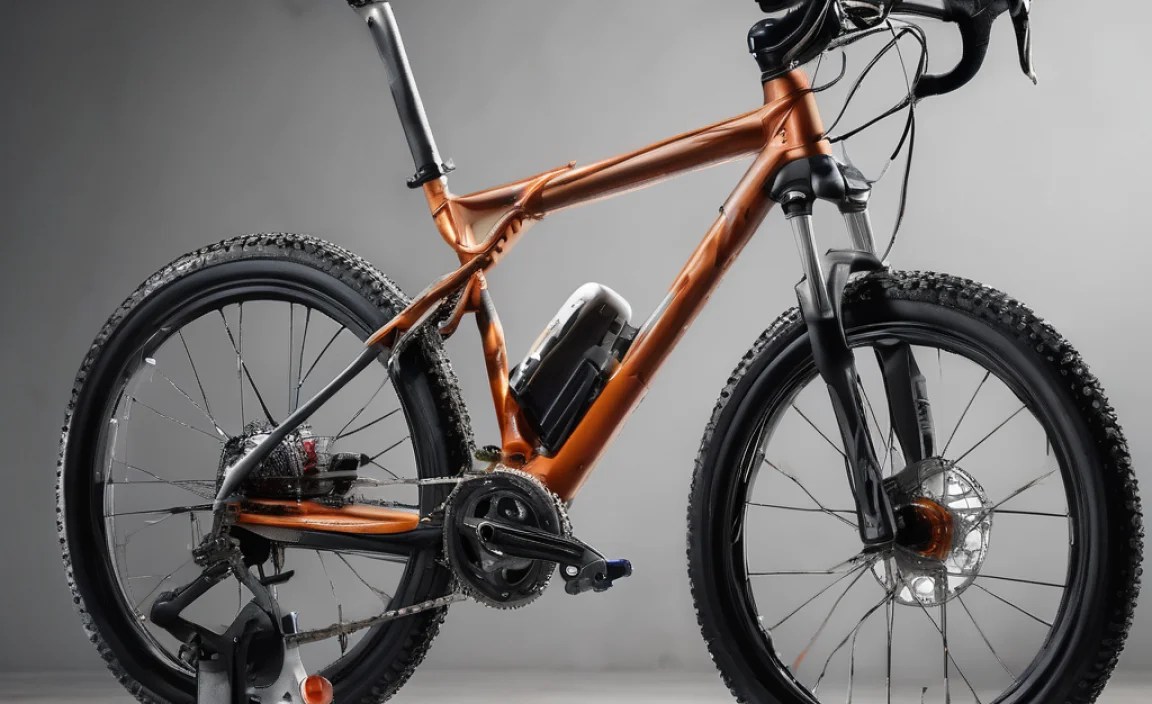
Having the right spare parts can save you from being stranded. Here’s a breakdown of the essential items every cyclist should have.
Tires and Tubes
Flat tires are one of the most common cycling problems. Being prepared can get you back on the road quickly.
- Inner Tubes: Carry at least two spare inner tubes that match your tire size.
- Patch Kit: A patch kit is a lightweight option for fixing small punctures.
- Tire Levers: These tools help you remove the tire from the rim without damaging it.
- Spare Tire: For longer rides, consider carrying a folding spare tire.
Tools
A good set of tools is essential for making roadside repairs and adjustments.
- Multi-Tool: A multi-tool with various Allen keys, screwdrivers, and a chain tool is a must-have.
- Mini Pump or CO2 Inflator: Use a mini pump to inflate your tires after a repair. CO2 inflators are faster but require cartridges.
- Adjustable Wrench: A small adjustable wrench can be useful for tightening bolts.
- Pliers or Cable Cutters: These are handy for dealing with cables and other small parts.
Chain and Drivetrain
Your chain and drivetrain components are crucial for smooth riding. Keep these spares ready.
- Spare Chain Links: Quick links make chain repairs easy.
- Chain Lube: Lubricating your chain keeps it running smoothly and prevents wear.
- Spare Chain: For longer tours, bring a full spare chain.
- Derailleur Hanger: A bent derailleur hanger can ruin a ride. Carry a spare, especially on mountain bikes.
Brakes
Brakes are critical for safety. Make sure you have the necessary spares to keep them functioning properly.
- Brake Pads: Carry spare brake pads that match your brake type (disc or rim).
- Brake Cables: If you have cable-actuated brakes, bring spare cables.
- Brake Caliper Bolts: These can sometimes loosen or break, so having spares is wise.
Cables and Housing
Cables and housing ensure smooth shifting and braking. Keep these in mind.
- Shift Cables: Carry spare shift cables for both front and rear derailleurs.
- Brake Cables: As mentioned above, spare brake cables are essential.
- Cable Housing: Sections of cable housing can be useful for repairs.
- Cable End Caps: These prevent fraying and keep your cables looking tidy.
Fasteners and Small Parts
Small parts can make a big difference. Having these on hand can save the day.
- Assorted Bolts and Nuts: A selection of common bolt and nut sizes can be useful.
- Zip Ties: Zip ties are incredibly versatile for temporary fixes.
- Electrical Tape: Electrical tape can be used for various repairs, from securing cables to patching tears.
- Valve Cores: These can sometimes leak or become damaged.
Detailed Look at Essential Spare Parts

Let’s dive deeper into each category to understand why these spare parts are crucial and how to use them.
Tires and Tubes in Detail
Flat tires are inevitable, but being prepared minimizes downtime.
- Inner Tubes: Ensure your spare tubes match your tire size and valve type (Presta or Schrader).
- Patch Kit: Learn how to use a patch kit effectively. Clean the tube, apply glue, and use a patch.
- Tire Levers: Use tire levers carefully to avoid pinching the tube.
- Spare Tire: A folding tire is a great option for long rides where multiple flats are possible.
Tools in Detail
Having the right tools makes repairs easier and more efficient.
- Multi-Tool: Choose a multi-tool with the most common Allen key sizes (2.5mm, 3mm, 4mm, 5mm, 6mm) and a chain tool.
- Mini Pump or CO2 Inflator: Practice using your pump or CO2 inflator at home before you need it on the road.
- Adjustable Wrench: A small adjustable wrench can tighten loose bolts on components like brakes or derailleurs.
- Pliers or Cable Cutters: These are essential for cutting and adjusting cables.
Chain and Drivetrain in Detail
Maintaining your chain and drivetrain is crucial for smooth and efficient riding.
- Spare Chain Links: Quick links make it easy to repair a broken chain without tools.
- Chain Lube: Apply chain lube regularly to reduce friction and wear.
- Spare Chain: A spare chain ensures you can replace a worn or damaged chain on a longer tour.
- Derailleur Hanger: Carry a spare derailleur hanger, especially if you ride off-road.
Brakes in Detail
Properly functioning brakes are essential for your safety.
- Brake Pads: Know what type of brake pads your bike uses (organic, metallic, or ceramic) and carry spares accordingly.
- Brake Cables: Replace frayed or damaged brake cables immediately.
- Brake Caliper Bolts: Check these bolts regularly to ensure they are tight.
Cables and Housing in Detail
Cables and housing ensure smooth shifting and braking performance.
- Shift Cables: Carry spare shift cables and know how to replace them.
- Brake Cables: As mentioned, always have spare brake cables on hand.
- Cable Housing: Sections of cable housing can be useful for repairs or replacements.
- Cable End Caps: Use cable end caps to prevent fraying and maintain cable integrity.
Fasteners and Small Parts in Detail
Small parts can often make a big difference in getting you back on the road.
- Assorted Bolts and Nuts: A selection of common bolt and nut sizes can be useful for various repairs.
- Zip Ties: Zip ties are incredibly versatile for temporary fixes, such as securing cables or repairing broken components.
- Electrical Tape: Electrical tape can be used for various repairs, from securing cables to patching tears in your saddle.
- Valve Cores: These can sometimes leak or become damaged, so having spares is wise.
Creating Your Personalized Cycle Spare Parts List

While the list above is comprehensive, you might need to tailor it to your specific needs. Here’s how.
Consider Your Bike Type
Different bikes have different needs. A mountain bike will require different spares than a road bike.
- Road Bikes: Focus on lightweight spares and tools.
- Mountain Bikes: Prioritize durable components and tools for rough terrain.
- Gravel Bikes: A mix of road and mountain bike spares is ideal.
- E-Bikes: Consider the extra weight and stress on components and carry heavier-duty spares.
Think About Your Ride Length and Location
Longer rides and remote locations require more comprehensive spare parts.
- Short Rides: Basic spares like a tube, multi-tool, and pump are sufficient.
- Long Rides: Carry a more comprehensive kit with extra tubes, a spare tire, chain tools, and more.
- Remote Locations: Be prepared for self-sufficiency with a full range of spares and tools.
Evaluate Your Mechanical Skills
Your ability to perform repairs will influence the spare parts you need.
- Beginner: Focus on basic repairs like changing a tube and lubricating the chain.
- Intermediate: Learn more complex repairs like adjusting derailleurs and replacing cables.
- Advanced: Be prepared to handle most mechanical issues with a comprehensive set of tools and spares.
Organizing and Carrying Your Spare Parts

Having spare parts is only useful if you can easily access them. Here’s how to organize and carry your spares.
Saddle Bag
A saddle bag is a convenient way to carry essential spares.
- Pros: Compact, lightweight, and easily accessible.
- Cons: Limited space.
- What to carry: Tube, tire levers, multi-tool, CO2 inflator.
Frame Bag
A frame bag offers more storage space and can carry larger items.
- Pros: More storage than a saddle bag, keeps weight centered.
- Cons: Can interfere with water bottle cages.
- What to carry: Spare tube, patch kit, mini pump, chain tool, spare chain links.
Backpack
A backpack is a good option for longer rides where you need to carry more gear.
- Pros: Large storage capacity, can carry water and other essentials.
- Cons: Can be heavy and uncomfortable on long rides.
- What to carry: All essential spares, plus extra clothing, food, and water.
Tool Bottle
A tool bottle fits in your bottle cage and can hold tools and spares.
- Pros: Keeps tools organized and protected from the elements.
- Cons: Takes up a bottle cage.
- What to carry: Multi-tool, tire levers, patch kit, small pump.
Maintenance Tips to Reduce the Need for Spares
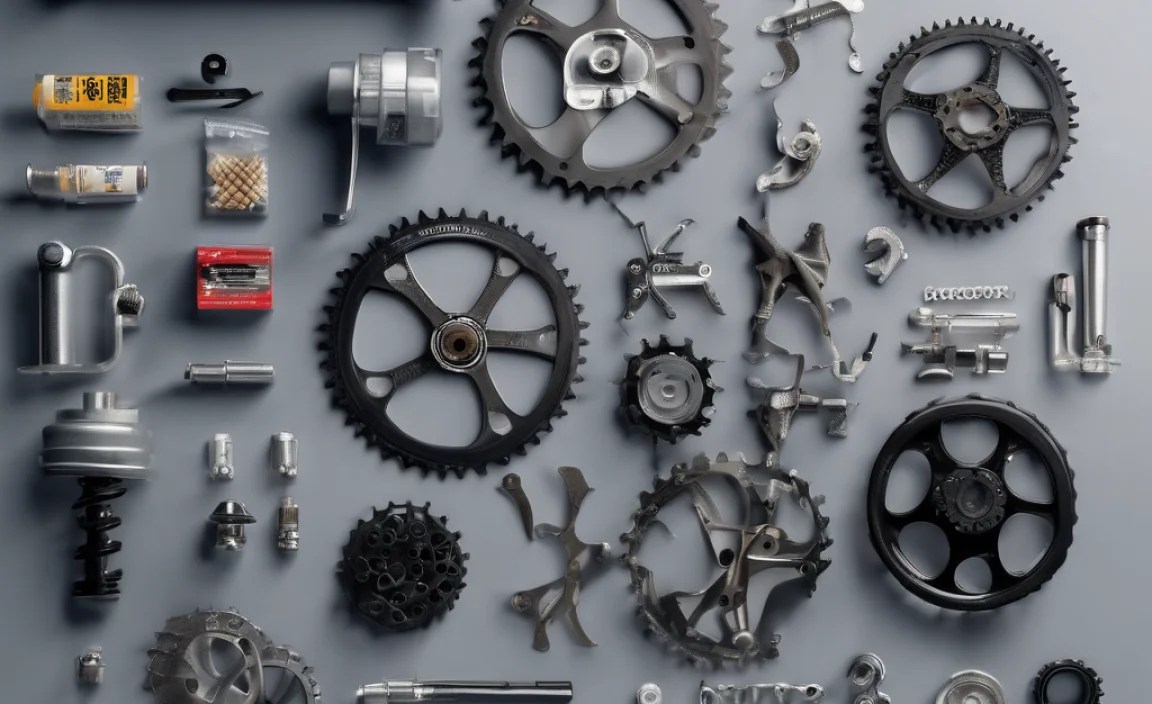
Preventive maintenance can significantly reduce the likelihood of needing spare parts on the road.
Regular Cleaning and Lubrication
Keep your bike clean and well-lubricated to prevent wear and tear.
- Chain: Clean and lubricate your chain regularly, especially after riding in wet or dirty conditions.
- Cables: Lubricate your cables to ensure smooth shifting and braking.
- Brakes: Clean your brake pads and rotors to maintain optimal braking performance.
Tire Pressure
Maintain proper tire pressure to prevent flats and improve rolling resistance. Check your tire pressure before each ride.
Brake and Shifting Adjustments
Regularly check and adjust your brakes and shifters to ensure they are working properly. This will prevent premature wear and improve performance.
Inspect Your Bike Regularly
Before each ride, take a few minutes to inspect your bike for any signs of wear or damage. Check your tires, brakes, chain, and cables.
Cycle Spare Parts List: Table Format
This table summarizes the essential cycle spare parts for quick reference.
| Part | Quantity | Description | Purpose |
|---|---|---|---|
| Inner Tubes | 2 | Match tire size and valve type | Replace flat tires |
| Patch Kit | 1 | Self-adhesive patches | Fix small punctures |
| Tire Levers | 2-3 | Plastic or metal levers | Remove tires from rims |
| Multi-Tool | 1 | Allen keys, screwdrivers, chain tool | Various repairs and adjustments |
| Mini Pump or CO2 Inflator | 1 | Portable pump or CO2 cartridges | Inflate tires after repair |
| Spare Chain Links | 2-4 | Quick links | Repair broken chain |
| Chain Lube | 1 | Small bottle | Lubricate chain |
| Brake Pads | 1 set | Match brake type | Replace worn brake pads |
| Shift Cables | 2 | Front and rear | Replace broken shift cables |
| Brake Cables | 2 | Front and rear | Replace broken brake cables |
| Assorted Bolts and Nuts | Various | Common sizes | Replace lost or broken fasteners |
| Zip Ties | 5-10 | Various sizes | Temporary fixes |
| Electrical Tape | 1 roll | Insulating tape | Various repairs |
Example Packing List for a Long Ride
This table provides an example packing list for a long cycling ride, including essential spare parts and tools.
| Item | Quantity | Notes |
|---|---|---|
| Inner Tubes | 3 | Presta or Schrader valve type |
| Tire Levers | 3 | Durable plastic or metal |
| Multi-Tool | 1 | With chain tool and spoke wrench |
| Mini Pump | 1 | High-pressure pump |
| CO2 Inflator | 1 | With 2 cartridges |
| Chain Quick Links | 4 | Compatible with your chain |
| Spare Chain | 1 | Pre-lubricated |
| Brake Pads | 1 set | Match your brake system |
| Shift Cables | 2 | Front and rear |
| Brake Cables | 2 | Front and rear |
| Derailleur Hanger | 1 | Specific to your bike model |
| Patch Kit | 1 | Self-adhesive patches |
| Zip Ties | 10 | Various sizes |
| Electrical Tape | 1 roll | Small roll |
| Chain Lube | 1 small bottle | Dry or wet lube, depending on conditions |
| Adjustable Wrench | 1 | Small, lightweight |
| Pliers/Cable Cutters | 1 | Small, lightweight |
| Spare Tire | 1 | Folding tire, matches your tire size |
Where to Buy Cycle Spare Parts
You can purchase cycle spare parts from various sources, both online and in-person.
- Local Bike Shops: Local bike shops offer expert advice and a wide selection of parts.
- Online Retailers: Online retailers like Amazon, REI, and specialized cycling stores offer convenience and competitive prices.
- Cycling Events and Flea Markets: You can often find good deals on spare parts at cycling events and flea markets.
FAQ: Cycle Spare Parts
What is the most important spare part to carry?
The most important spare part is an inner tube that matches your tire size. Flat tires are common, and a spare tube will get you back on the road quickly.
How often should I replace my brake pads?
Brake pads should be replaced when they are worn down to 1-2mm of thickness or when you notice a decrease in braking performance. Check them regularly.
What is a multi-tool, and why do I need one?
A multi-tool is a compact tool that includes various Allen keys, screwdrivers, and other useful tools. It’s essential for making roadside repairs and adjustments.
How do I choose the right size inner tube?
Check the sidewall of your tire for the size (e.g., 700x25c). The inner tube should match this size. Also, ensure the valve type (Presta or Schrader) matches your rim.
Why is chain lube important?
Chain lube reduces friction, prevents wear, and ensures smooth shifting. Apply it regularly, especially after riding in wet or dirty conditions. Read more about chain maintenance here.
What is a derailleur hanger, and why do I need a spare?
A derailleur hanger is a small piece of metal that connects your rear derailleur to the frame. It’s designed to bend or break in a crash, protecting your frame. Carrying a spare can save your ride.
How do I know when to replace my chain?
Use a chain checker tool to measure chain stretch. If the chain is stretched beyond 0.5%, it’s time to replace it to prevent wear on your cassette and chainrings.
Conclusion
Being prepared with a well-stocked cycle spare parts list ensures you can handle common mechanical issues and keep your bike running smoothly. Tailor your list to your specific needs, considering your bike type, ride length, and mechanical skills. Regular maintenance and inspections will further reduce the likelihood of needing spares on the road. With the right spares and tools, you can enjoy your rides with confidence, knowing you’re ready for almost anything the road throws your way. Happy cycling!


