
How to Fix a Short Cycling Heat Pump: A Beginner’s Guide

Quick Summary: A short cycling heat pump turns on and off too frequently, wasting energy and potentially damaging the system. Fixing it involves checking and cleaning air filters, ensuring proper airflow by clearing vents and registers, verifying thermostat settings, inspecting refrigerant levels (requires a professional), and examining the blower motor and ductwork for issues. Regular maintenance is key to preventing future short cycling.
Is your heat pump turning on and off more often than it should? This is called short cycling, and it’s a common problem that can make your home uncomfortable and drive up your energy bills. It also puts extra wear and tear on your heat pump, potentially shortening its lifespan. Don’t worry, though! Many causes of short cycling are easy to fix yourself. This guide will walk you through the steps to diagnose and resolve the issue, saving you money and keeping your home comfortable.
Understanding Short Cycling in Heat Pumps

Before we dive into fixing the problem, let’s understand what short cycling actually means. A heat pump is designed to run in cycles, maintaining a consistent temperature. Short cycling happens when the heat pump turns on, runs for a very short time (often just a few minutes), and then shuts off, only to turn back on again shortly after. This frequent starting and stopping prevents the system from reaching its optimal efficiency and can lead to uneven heating or cooling.
Why is Short Cycling Bad?
Here’s why you should address short cycling as soon as you notice it:
- Reduced Efficiency: The heat pump uses the most energy when it starts up. Short cycles mean more frequent starts, wasting energy.
- Increased Wear and Tear: Frequent starts and stops put extra stress on the components, potentially leading to premature failure.
- Uneven heating/Cooling: The short run times don’t allow the system to properly heat or cool your home, resulting in temperature fluctuations.
- Higher Energy Bills: All that wasted energy translates directly into higher monthly costs.
Troubleshooting Steps: How to Fix a Short Cycling Heat Pump

Now, let’s get to the troubleshooting! Follow these steps to identify and fix the cause of your heat pump’s short cycling.
Step 1: Check and Clean the Air Filter
A dirty air filter is one of the most common causes of short cycling. A clogged filter restricts airflow, causing the heat pump to overheat and shut down prematurely.
- Locate the Air Filter: The air filter is usually located in the indoor unit of your heat pump, often in a wall or ceiling vent.
- Inspect the Filter: Remove the filter and hold it up to the light. If you can’t see light through it, it’s time to clean or replace it.
- Clean or Replace:
- Cleanable Filters: Wash the filter with mild soap and water. Let it dry completely before reinstalling.
- Disposable Filters: Replace the filter with a new one of the same size and type.
- Reinstall the Filter: Make sure the filter is properly seated in the filter holder.
It’s generally recommended to change your air filter every 1-3 months, depending on usage and air quality.
Step 2: Ensure Proper Airflow
Even with a clean air filter, restricted airflow can still cause short cycling. Check your vents and registers to ensure they are open and unobstructed.
- Check Vents and Registers: Make sure all vents and registers are fully open and not blocked by furniture, rugs, or curtains.
- Clean Vents and Registers: Remove any dust or debris that may be blocking airflow. You can use a vacuum cleaner with a hose attachment to clean them.
- Inspect Ductwork (If Accessible): If you can access your ductwork, look for any obvious blockages or damage. Seal any leaks you find with duct tape (though professional sealing is recommended for long-term fixes).
Step 3: Verify Thermostat Settings
Incorrect thermostat settings can also lead to short cycling. Make sure your thermostat is set correctly and is not causing the heat pump to turn on and off unnecessarily.
- Check Temperature Settings: Ensure the thermostat is set to a reasonable temperature and that there are no extreme temperature swings programmed.
- Verify Thermostat Mode: Make sure the thermostat is in the correct mode (heat or cool) for the current season.
- Inspect Thermostat Location: Ensure the thermostat is not located in a drafty area or near a heat source, which could cause inaccurate readings and lead to short cycling.
- Consider Thermostat Type: Older thermostats may be less accurate. Consider upgrading to a smart thermostat for more precise temperature control and energy savings.
Step 4: Inspect Refrigerant Levels (Professional Required)
Low refrigerant levels can cause the heat pump to short cycle. Unfortunately, checking and adding refrigerant requires specialized equipment and knowledge, so this step must be performed by a qualified HVAC technician.
- Signs of Low Refrigerant: Look for signs of low refrigerant, such as ice buildup on the refrigerant lines or a hissing sound coming from the unit.
- Contact a Professional: If you suspect low refrigerant, contact a licensed HVAC technician to inspect the system and add refrigerant if necessary.
- Refrigerant Leak Detection: A technician can also check for refrigerant leaks and repair them to prevent future problems.
Refrigerant is harmful and should only be handled by certified professionals. Contacting a professional is essential for safety and environmental responsibility.
Step 5: Examine the Blower Motor
The blower motor circulates air through the heat pump system. If the blower motor is malfunctioning, it can cause the heat pump to overheat and short cycle.
- Listen for Unusual Noises: Listen for any unusual noises coming from the blower motor, such as squealing, grinding, or rattling.
- Check the Blower Motor Capacitor: A faulty capacitor can prevent the blower motor from starting or running properly. This usually requires a multimeter to test. A bulging or leaking capacitor is a sure sign of failure.
- Inspect the Blower Wheel: Check the blower wheel for any debris or obstructions. Clean the wheel if necessary.
- Contact a Professional: If you suspect a problem with the blower motor, contact a qualified HVAC technician to diagnose and repair the issue.
Step 6: Check for Other Issues
If none of the above steps resolve the short cycling issue, there may be other underlying problems.
- Oversized Heat Pump: A heat pump that is too large for your home can cool or heat the space too quickly and then shut off, leading to short cycling. A professional can assess if your unit is properly sized.
- Electrical Problems: Issues with the electrical wiring or components can cause the heat pump to malfunction and short cycle.
- Compressor Issues: The compressor is the heart of the heat pump. If it’s failing, it can cause short cycling.
For these more complex issues, it’s best to consult with a qualified HVAC technician.
Preventing Short Cycling: Regular Maintenance Tips
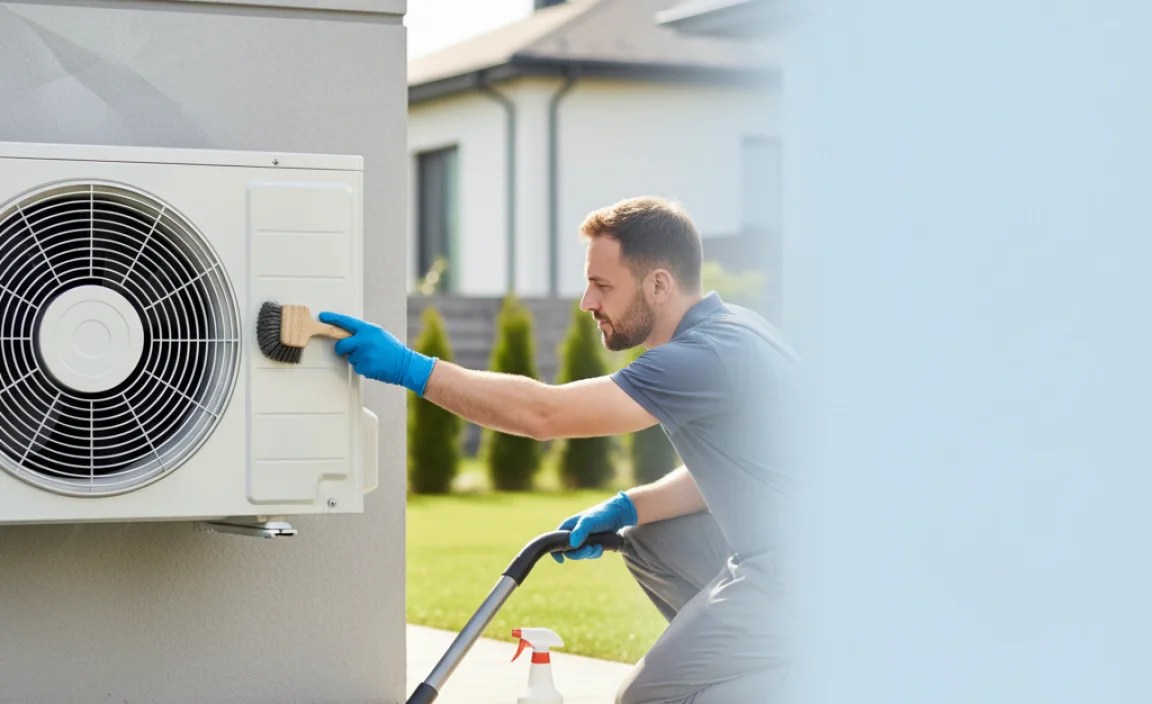
Preventing short cycling is always better than having to fix it. Regular maintenance can help keep your heat pump running efficiently and prevent many of the common causes of short cycling.
- Regularly Change Air Filters: As mentioned earlier, clean or replace your air filter every 1-3 months.
- Schedule Professional Maintenance: Have your heat pump inspected and serviced by a qualified HVAC technician at least once a year.
- Keep Outdoor Unit Clear: Keep the outdoor unit free of debris, such as leaves, snow, and ice.
- Monitor Performance: Pay attention to how your heat pump is running. If you notice any unusual noises or performance issues, address them promptly.
Tools You Might Need
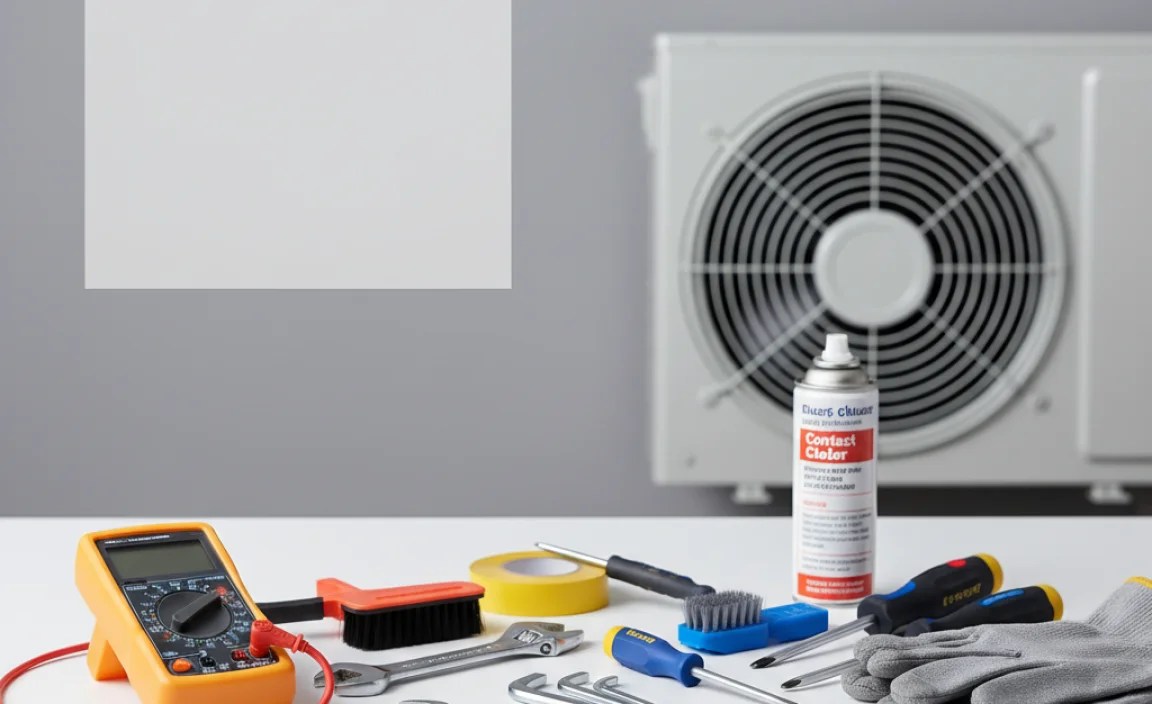
While some of these fixes require a professional, here’s a list of tools you might need for the DIY aspects:
- Screwdrivers (Phillips head and flat head)
- Vacuum cleaner with hose attachment
- Mild soap and water
- New air filter (if replacing)
- Duct tape (for temporary ductwork repairs)
- Multimeter (for testing capacitor – advanced users only)
When to Call a Professional
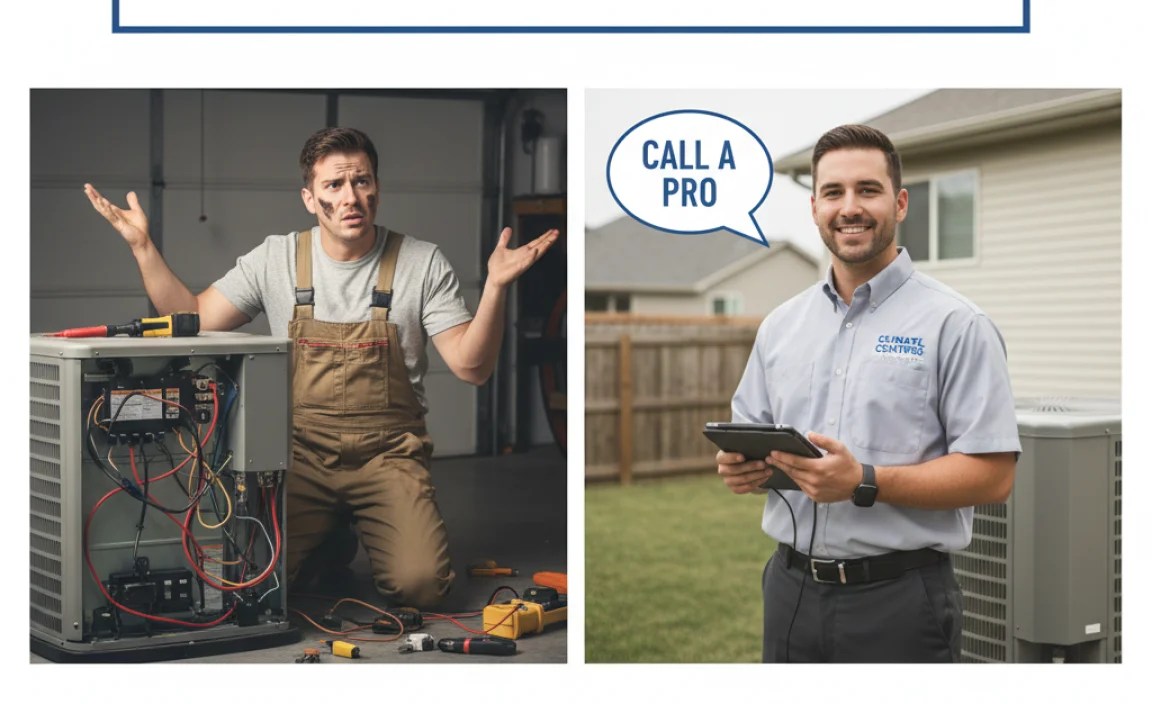
While many short cycling issues can be resolved with simple troubleshooting steps, there are times when it’s best to call a professional HVAC technician.
- Low Refrigerant: Refrigerant issues require specialized equipment and knowledge.
- Blower Motor Problems: Diagnosing and repairing blower motor issues can be complex.
- Electrical Problems: Electrical work can be dangerous and should be performed by a qualified electrician.
- Compressor Issues: Compressor problems often require major repairs or replacement.
- Uncertainty: If you’re not comfortable troubleshooting the issue yourself or if you’ve tried the above steps and the problem persists, it’s best to call a professional.
Cost Considerations
The cost to fix a short cycling heat pump can vary depending on the cause of the problem and the extent of the repairs needed.
Here’s a breakdown of potential costs:
| Repair | Estimated Cost | Notes |
|---|---|---|
| Air Filter Replacement | $10 – $30 | DIY; cost of the filter |
| Refrigerant Recharge | $150 – $500 | Professional service; depends on the amount of refrigerant needed and leak repair (if applicable) |
| Blower Motor Repair/Replacement | $300 – $800 | Professional service; depends on the motor type and labor costs |
| Capacitor Replacement | $100 – $300 | Professional service; includes diagnosis and labor |
| Ductwork Repair | $200 – $1000+ | Professional service; depends on the extent of the damage and accessibility |
| Compressor Repair/Replacement | $1000 – $3000+ | Professional service; major repair that may be more cost-effective to replace the entire unit |
| Diagnostic Fee | $75 – $200 | Professional service; cost to have a technician diagnose the problem |
FAQ: Fixing a Short Cycling Heat Pump
Here are some frequently asked questions about short cycling heat pumps:
- What is considered short cycling for a heat pump?
- A heat pump is short cycling if it turns on and off every few minutes (e.g., less than 10-15 minutes) instead of running for longer cycles.
- Can a dirty air filter cause short cycling?
- Yes, a dirty air filter restricts airflow, causing the heat pump to overheat and shut down prematurely.
- Is it okay to run a heat pump all the time?
- Yes, it’s generally more efficient to let a heat pump run continuously at a consistent temperature rather than turning it on and off frequently.
- How often should I have my heat pump serviced?
- It’s recommended to have your heat pump inspected and serviced by a qualified HVAC technician at least once a year.
- What are the signs of low refrigerant in a heat pump?
- Signs of low refrigerant include ice buildup on the refrigerant lines, a hissing sound coming from the unit, and reduced heating or cooling performance.
- Can a faulty thermostat cause short cycling?
- Yes, an incorrectly set or malfunctioning thermostat can cause the heat pump to turn on and off unnecessarily.
- Is it safe to add refrigerant to my heat pump myself?
- No, adding refrigerant requires specialized equipment and knowledge and should only be performed by a qualified HVAC technician.
Conclusion
Short cycling can be a frustrating problem, but with a little troubleshooting, you can often identify and fix the cause yourself. Remember to start with the simple solutions, like checking the air filter and thermostat settings, and work your way up to more complex issues. Regular maintenance is key to preventing short cycling and keeping your heat pump running efficiently for years to come. If you’re not comfortable performing any of these steps yourself, or if the problem persists, don’t hesitate to call a qualified HVAC technician for assistance. Addressing short cycling promptly will save you money on energy bills, extend the life of your heat pump, and keep your home comfortable year-round.
“`


