
What Causes a Heat Pump to Short Cycle? A Simple Guide

Quick Summary: A heat pump short cycles when it turns on and off too frequently. Common causes include dirty filters restricting airflow, frozen coils preventing heat exchange, refrigerant leaks reducing efficiency, oversized units overpowering the space, electrical issues causing premature shutdowns, and thermostat problems misreading temperatures. Regular maintenance and professional checks can help prevent short cycling and extend your heat pump’s lifespan.
Is your heat pump turning on and off more often than it should? This is called “short cycling,” and it’s a common problem that can make your home uncomfortable and drive up your energy bills. It might sound complicated, but understanding why it happens and how to fix it is easier than you think. We’ll walk you through the most common causes of short cycling and give you simple steps to troubleshoot the issue. By the end of this guide, you’ll know how to keep your heat pump running smoothly and efficiently. Ready to get started?
Common Causes of Heat Pump Short Cycling

Several issues can cause your heat pump to short cycle. Let’s break down each one:
1. Dirty Air Filters
Dirty air filters are one of the most common culprits behind short cycling. When filters are clogged with dust and debris, they restrict airflow to the heat pump. This restriction causes the unit to overheat quickly, triggering it to shut down prematurely.
How to Identify: Check your air filters monthly. If they look dirty, replace them immediately. A clean filter should allow light to pass through easily.
Solution: Replace your air filters every 1-3 months, depending on usage and air quality. Use high-quality filters to improve efficiency and air quality. You can find quality filters at most hardware stores or online retailers such as Amazon.
2. Frozen Evaporator Coils
The evaporator coils absorb heat from the air. When these coils freeze, the heat pump can’t transfer heat properly, leading to short cycling.
How to Identify: Look for ice buildup on the coils. This is often visible on the outdoor unit during the winter months.
Solutions:
- Check Airflow: Ensure that the air filters are clean and vents are not blocked.
- Defrost Mode: Most heat pumps have a defrost mode. Make sure it’s functioning correctly.
- Refrigerant Levels: Low refrigerant can cause coils to freeze. Call a professional to check and recharge the refrigerant.
3. Refrigerant Leaks
Refrigerant is essential for the heat pump to transfer heat. If there’s a leak, the system won’t have enough refrigerant, causing it to work harder and overheat quickly.
How to Identify: Look for signs of leaks, such as ice buildup on refrigerant lines, hissing sounds, or a noticeable drop in heating or cooling performance.
Solution: Refrigerant leaks require professional attention. Contact a certified HVAC technician to locate and repair the leak, then recharge the system.
4. Oversized Heat Pump
An oversized heat pump can cool or heat a room too quickly, satisfying the thermostat before it has a chance to run a full cycle. This can lead to short cycling and uneven temperatures.
How to Identify: If your heat pump quickly cools or heats the space and then shuts off frequently, it might be oversized. Also, check the unit’s BTU (British Thermal Units) rating against the square footage of your home.
Solution:
- Professional Assessment: Have an HVAC professional assess your home’s heating and cooling needs.
- Replace the Unit: If the unit is indeed oversized, consider replacing it with a properly sized model.
5. Electrical Issues
Electrical problems, such as faulty wiring, a failing capacitor, or a malfunctioning control board, can cause the heat pump to shut down prematurely.
How to Identify: Look for flickering lights, unusual noises, or a burning smell near the unit. These can be signs of electrical issues.
Solutions:
- Check Wiring: Inspect the wiring for any loose connections or damage.
- Capacitor Test: A failing capacitor can prevent the unit from running correctly. Have a technician test and replace it if necessary.
- Control Board: If the control board is malfunctioning, it may need to be replaced.
6. Thermostat Problems
A faulty or poorly placed thermostat can cause short cycling. If the thermostat isn’t reading the temperature accurately, it might turn the heat pump on and off at the wrong times.
How to Identify: If the thermostat displays inaccurate temperatures or the heat pump cycles erratically, there might be an issue. You can also test the thermostat with a separate thermometer to see if the readings match.
Solutions:
- Check Placement: Ensure the thermostat is located away from direct sunlight, drafts, and heat sources.
- Replace Batteries: If it’s a battery-powered thermostat, replace the batteries.
- Calibration: Some thermostats can be calibrated. Check the manual for instructions.
- Replace Thermostat: If the thermostat is old or malfunctioning, consider replacing it with a new one.
7. Ductwork Issues
Problems with your ductwork, such as leaks or blockages, can also lead to short cycling. Leaky ducts can cause the heat pump to work harder to maintain the desired temperature, while blockages can restrict airflow.
How to Identify: Check for drafts near ductwork, unusual noises when the heat pump is running, or visible damage to the ducts.
Solutions:
- Seal Leaks: Seal any visible leaks in the ductwork with duct tape or mastic sealant.
- Insulate Ducts: Insulate ducts in unconditioned spaces, such as attics and crawl spaces, to improve efficiency.
- Professional Inspection: Have a professional inspect the ductwork for hidden leaks or blockages.
Step-by-Step Troubleshooting Guide
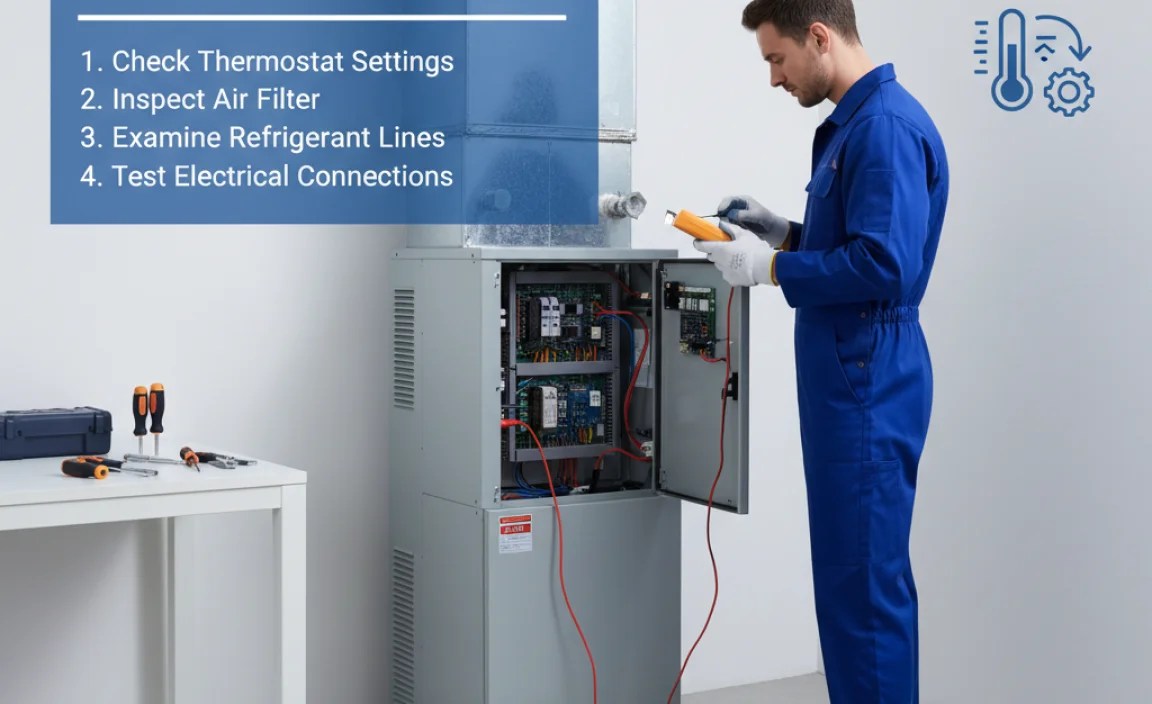
Here’s a step-by-step guide to help you troubleshoot short cycling issues:
Step 1: Check the Air Filter
Action: Remove the air filter and inspect it. If it’s dirty, replace it with a new one. Make sure to use the correct size and type of filter for your unit.
Why: A clean air filter ensures proper airflow, preventing the heat pump from overheating.
Step 2: Inspect the Outdoor Unit
Action: Check the outdoor unit for any visible ice buildup on the coils. Clear away any debris, such as leaves or snow, that might be blocking airflow.
Why: Blocked airflow or frozen coils can cause the heat pump to work harder and short cycle.
Step 3: Examine the Thermostat
Action: Ensure the thermostat is set to the correct temperature and is in the proper mode (heat or cool). Check the thermostat’s location to make sure it’s not near any heat sources or drafts.
Why: A malfunctioning or poorly placed thermostat can cause inaccurate readings and erratic cycling.
Step 4: Listen for Unusual Noises
Action: Turn on the heat pump and listen for any unusual noises, such as hissing, grinding, or clicking. Note the location and timing of the noises.
Why: Unusual noises can indicate mechanical or electrical issues that need professional attention.
Step 5: Check the Circuit Breaker
Action: Locate the circuit breaker for the heat pump and make sure it hasn’t tripped. If it has, reset it. If it trips again immediately, there may be an electrical problem.
Why: A tripped circuit breaker can cut power to the heat pump, causing it to shut down.
Step 6: Monitor the Heat Pump’s Performance
Action: Observe how long the heat pump runs before shutting off. Note any patterns or changes in its performance.
Why: Monitoring the heat pump’s performance can help you identify the underlying issue and determine if professional help is needed.
When to Call a Professional

While some issues can be resolved with simple DIY fixes, others require professional expertise. Here’s when you should call an HVAC technician:
- Refrigerant Leaks: Handling refrigerant requires specialized equipment and training.
- Electrical Problems: Electrical repairs can be dangerous and should be performed by a qualified electrician or HVAC technician.
- Compressor Issues: The compressor is the heart of the heat pump. If it’s failing, it’s best to have it checked by a professional.
- Complex Repairs: If you’ve tried the basic troubleshooting steps and the heat pump is still short cycling, it’s time to call a professional.
Preventative Maintenance Tips
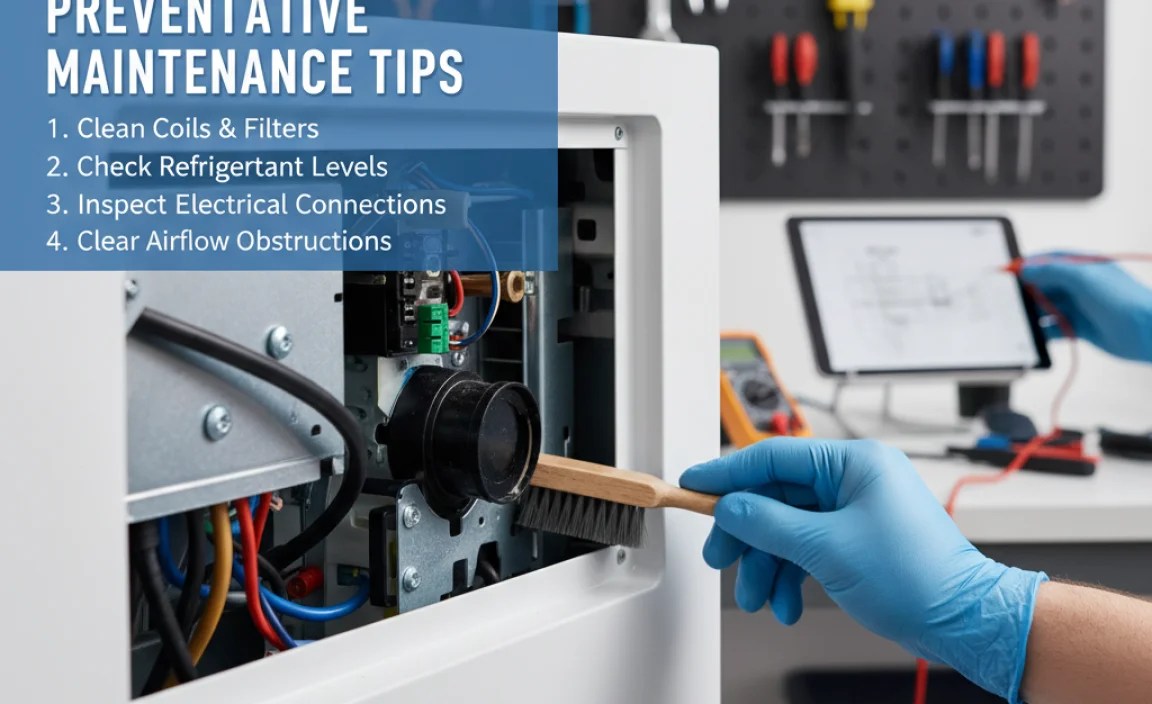
Regular maintenance can help prevent short cycling and extend the life of your heat pump. Here are some tips:
- Change Air Filters Regularly: Replace air filters every 1-3 months.
- Clean Outdoor Unit: Remove debris from around the outdoor unit.
- Inspect Ductwork: Check for leaks and seal them promptly.
- Schedule Professional Tune-Ups: Have a professional inspect and tune up your heat pump annually.
Cost of Fixing Short Cycling

The cost of fixing short cycling can vary depending on the cause. Here’s a general idea of what you can expect to pay:
| Issue | Estimated Cost |
|---|---|
| Replacing Air Filter | $5 – $20 |
| Refrigerant Recharge | $200 – $400 |
| Thermostat Replacement | $75 – $300 |
| Capacitor Replacement | $100 – $300 |
| Ductwork Repair | $200 – $1000+ |
| Professional Tune-Up | $100 – $200 |
These are just estimates. The actual cost may vary depending on your location and the specific issue.
Benefits of Fixing Short Cycling
Addressing short cycling offers several benefits:
- Improved Comfort: Consistent temperatures throughout your home.
- Lower Energy Bills: More efficient operation reduces energy consumption.
- Extended Heat Pump Life: Reduced stress on the unit prolongs its lifespan.
- Reduced Repair Costs: Prevents more significant issues from developing.
FAQ About Heat Pump Short Cycling
1. What exactly does “short cycling” mean?
Short cycling is when your heat pump turns on and off too frequently, without completing a full heating or cooling cycle. It’s like a car starting and stopping every few seconds – it’s inefficient and hard on the system.
2. How can a dirty air filter cause short cycling?
A dirty air filter restricts airflow, causing the heat pump to overheat. When it overheats, a safety switch turns it off to prevent damage. Once it cools down, it turns back on, repeating the cycle.
3. Is short cycling bad for my heat pump?
Yes, short cycling can damage your heat pump. The frequent starting and stopping puts extra wear and tear on the components, which can shorten its lifespan and lead to costly repairs.
4. Can I fix short cycling myself, or do I need a professional?
Some causes of short cycling, like dirty air filters or thermostat issues, can be fixed yourself. However, more complex problems, such as refrigerant leaks or electrical issues, require a professional HVAC technician.
5. How often should I have my heat pump professionally serviced?
It’s recommended to have your heat pump professionally serviced at least once a year. A technician can inspect and clean the unit, check refrigerant levels, and identify any potential issues before they become major problems.
6. Will fixing short cycling save me money?
Yes, fixing short cycling can save you money on your energy bills. When your heat pump runs efficiently, it uses less energy to heat or cool your home. It also prevents costly repairs down the road by reducing wear and tear on the unit.
7. What are the signs of a refrigerant leak in my heat pump?
Signs of a refrigerant leak include ice buildup on refrigerant lines, hissing sounds coming from the unit, a noticeable drop in heating or cooling performance, and higher energy bills.
Conclusion
Dealing with a heat pump that’s short cycling can be frustrating, but understanding the common causes and knowing how to troubleshoot them can save you time and money. From simple fixes like replacing air filters to more complex issues like refrigerant leaks, this guide has provided you with the knowledge to identify and address the problem. Remember, regular maintenance and timely professional help are key to keeping your heat pump running efficiently and extending its lifespan. By taking these steps, you can ensure a comfortable home environment and lower energy bills for years to come.
“`


