
Will Fuel Pump Cycle With a Tripped Inertia Switch? Find Out!

Quick Summary: No, a fuel pump will not cycle normally if the inertia switch is tripped. The inertia switch is designed to cut power to the fuel pump in the event of a collision, preventing fuel from being pumped to the engine. When tripped, it will prevent the fuel pump from cycling, thus stopping the engine. Resetting the switch restores power, allowing the fuel pump to function again.
Ever wondered why your car won’t start after a minor fender-bender, even if the engine seems fine? It might be the inertia switch doing its job. This safety device is designed to prevent fuel from pumping in case of an accident, but it can be a bit of a mystery when it trips unexpectedly. Understanding how it works and what to do about it can save you time and frustration. This guide will walk you through the ins and outs of the inertia switch, helping you diagnose and fix the problem with confidence. Let’s get started and get your fuel pump working again!
Understanding the Inertia Switch
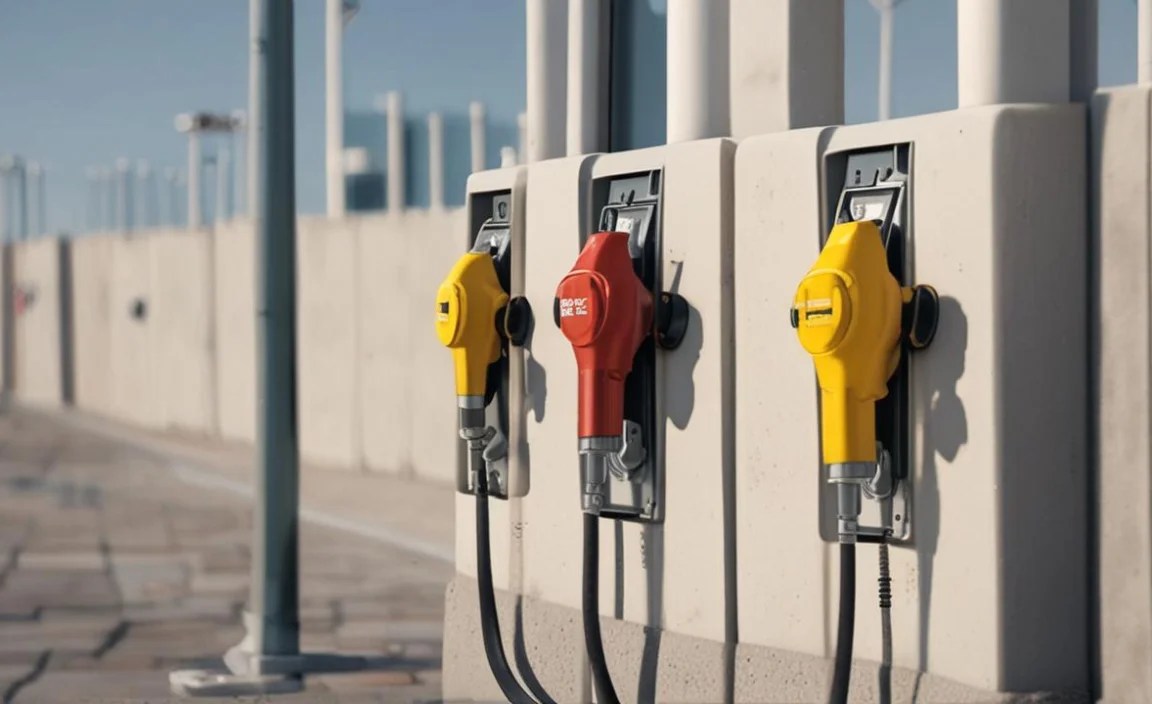
The inertia switch, also known as the fuel cut-off switch, is a crucial safety component in most modern vehicles. Its primary function is to stop the fuel pump from operating in the event of a collision or sudden impact. This prevents fuel from being pumped to the engine when it might be unsafe, reducing the risk of fire.
How the Inertia Switch Works
The inertia switch is designed to detect sudden deceleration, such as what occurs during a car crash. Inside the switch, there is usually a ball or pendulum held in place by a spring or magnet. When a significant impact occurs, the inertia causes the ball or pendulum to move, breaking the electrical connection to the fuel pump. This immediately cuts off power to the fuel pump, stopping it from sending fuel to the engine.
Why It’s Important
The inertia switch is a critical safety feature for several reasons:
- Fire Prevention: By cutting off the fuel supply, it reduces the risk of a post-collision fire.
- Passenger Safety: It helps protect vehicle occupants by minimizing the potential for fuel-related hazards.
- Regulatory Compliance: Many safety regulations require vehicles to have a system in place to prevent fuel leakage after a crash.
Symptoms of a Tripped Inertia Switch

Recognizing the symptoms of a tripped inertia switch is the first step in diagnosing the problem. Here are some common signs to look out for:
- Engine Cranks But Doesn’t Start: The engine turns over, but there is no ignition because the fuel pump isn’t supplying fuel.
- No Fuel Pump Noise: When you turn the ignition key to the “on” position, you typically hear a brief whirring sound as the fuel pump primes. If the inertia switch is tripped, you won’t hear this sound.
- Recent Collision or Impact: If the vehicle was recently involved in a collision, even a minor one, the inertia switch may have been triggered.
- Rough Terrain or Hard Stop: Sometimes, driving over very rough terrain or experiencing a sudden, hard stop can trip the switch.
Will the Fuel Pump Cycle With a Tripped Inertia Switch?

No, the fuel pump will not cycle normally if the inertia switch is tripped. The purpose of the inertia switch is to cut off power to the fuel pump in the event of a collision or sudden impact. When the switch is tripped, it breaks the electrical circuit, preventing the fuel pump from operating.
Why the Fuel Pump Won’t Cycle
Here’s a more detailed explanation of why the fuel pump won’t cycle when the inertia switch is tripped:
- Electrical Interruption: The inertia switch acts as a circuit breaker. When tripped, it physically disconnects the power supply to the fuel pump.
- No Power to the Pump: Without electrical power, the fuel pump cannot activate. This means it cannot prime when the ignition is turned on, nor can it continuously supply fuel while the engine is running.
- Safety Mechanism: This is a designed safety feature to prevent fuel from being pumped in a potentially hazardous situation, such as a car crash where fuel lines could be damaged.
To better illustrate the impact of a tripped inertia switch on the fuel pump’s operation, consider the following table:
| Scenario | Inertia Switch Status | Fuel Pump Operation |
|---|---|---|
| Normal Operation | Not Tripped | Fuel pump cycles normally, priming when the ignition is turned on and continuously supplying fuel while the engine is running. |
| Collision or Impact | Tripped | Fuel pump does not cycle. No priming occurs when the ignition is turned on, and no fuel is supplied to the engine. |
How to Reset an Inertia Switch

If you suspect that your inertia switch has been tripped, resetting it is a straightforward process. Here’s a step-by-step guide:
Step 1: Locate the Inertia Switch
The location of the inertia switch varies depending on the vehicle make and model. Common locations include:
- In the Trunk: Often found on a side panel or near the spare tire.
- Under the Dashboard: Sometimes located near the kick panel on the driver’s or passenger’s side.
- In the Engine Compartment: Though less common, it can be found on the firewall or near the fuel lines.
Consult your vehicle’s owner’s manual for the exact location of the inertia switch.
Step 2: Identify the Reset Button
The inertia switch typically has a reset button on top. This button may be a different color (often red or black) and may be covered by a rubber cap. In some models, it might be a small lever or switch.
Step 3: Reset the Switch
To reset the switch, simply press the reset button firmly. You should hear or feel a click, indicating that the switch has been reset. If it’s a lever, move it to the “on” or “reset” position.
Step 4: Test the Fuel Pump
After resetting the switch, try starting the engine. Listen for the fuel pump priming noise when you turn the ignition key to the “on” position. If the engine starts, the inertia switch was the problem. If the engine still doesn’t start, there may be another issue.
Troubleshooting Tips
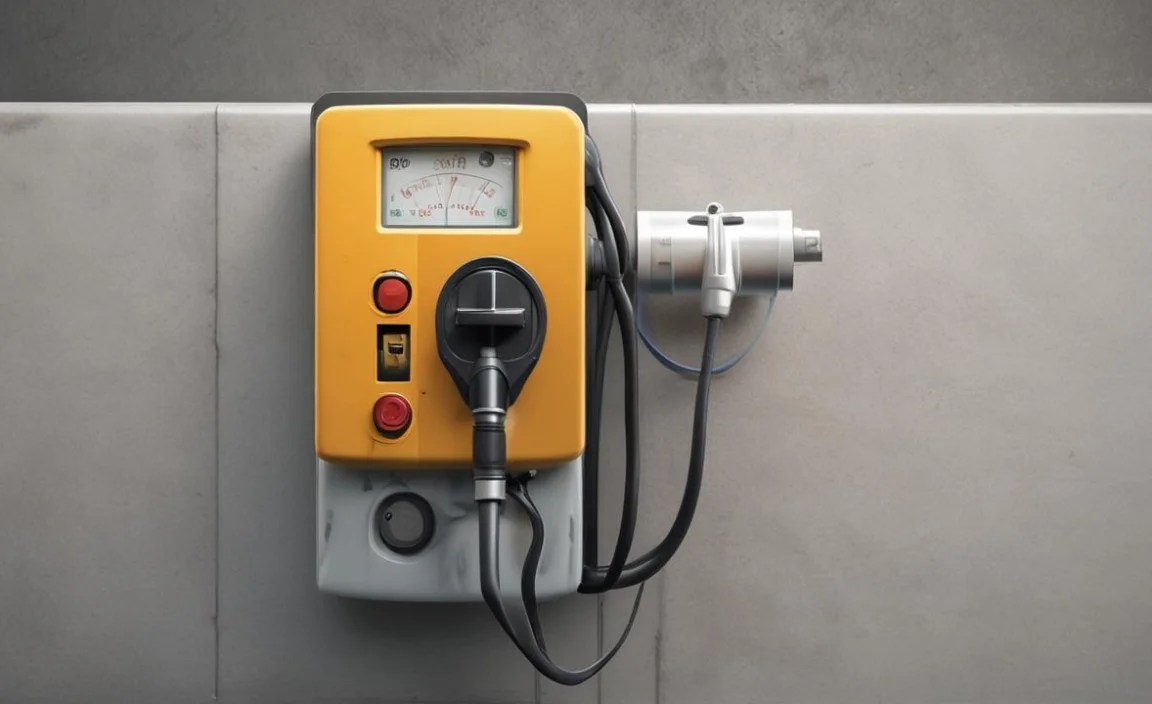
If resetting the inertia switch doesn’t solve the problem, here are some troubleshooting tips to help you diagnose and fix the issue:
Check the Fuel Pump Fuse
A blown fuse can prevent the fuel pump from operating, even if the inertia switch is reset. Locate the fuel pump fuse in the fuse box (refer to your owner’s manual for the location) and check if it’s blown. Replace it with a new fuse of the same amperage if necessary.
Inspect the Fuel Pump Relay
The fuel pump relay controls the power supply to the fuel pump. If the relay is faulty, it can prevent the fuel pump from working. You can test the relay by swapping it with another relay in the fuse box (one that controls a non-essential system, like the horn) and see if the problem is resolved. If the horn stops working and the fuel pump now works, the relay is the issue.
Examine the Fuel Filter
A clogged fuel filter can restrict fuel flow to the engine, causing starting problems. If the fuel filter is dirty or clogged, replace it with a new one. Refer to your vehicle’s service manual for instructions on how to replace the fuel filter.
Check the Fuel Pump Wiring
Damaged or corroded wiring can prevent the fuel pump from receiving power. Inspect the wiring harness and connectors leading to the fuel pump for any signs of damage or corrosion. Clean or repair any damaged wiring as needed.
Test the Fuel Pump Directly
If you’ve checked the fuse, relay, and wiring, and the fuel pump still doesn’t work, the fuel pump itself may be faulty. You can test the fuel pump directly by applying power to it using a 12V power source. If the fuel pump doesn’t run, it needs to be replaced.
Tools You Might Need
To reset the inertia switch and troubleshoot fuel pump issues, you may need the following tools:
- Owner’s Manual: To locate the inertia switch, fuel pump fuse, and fuel pump relay.
- Screwdrivers: To remove panels or access the inertia switch.
- Pliers: To remove fuses and relays.
- Multimeter: To test fuses, relays, and wiring.
- Fuse Puller: To safely remove fuses from the fuse box.
- Wiring Tester: To check for continuity in the wiring.
- Socket Set: To remove and replace the fuel pump (if necessary).
Safety Precautions
When working with fuel and electrical systems, it’s essential to take safety precautions to prevent injury or damage to your vehicle. Here are some safety tips to keep in mind:
- Disconnect the Battery: Before working on the electrical system, disconnect the negative battery cable to prevent short circuits.
- Work in a Well-Ventilated Area: Fuel vapors are flammable and can be harmful to breathe. Work in a well-ventilated area to avoid inhaling fumes.
- Avoid Open Flames: Keep open flames and sources of ignition away from fuel and fuel vapors.
- Wear Safety Glasses: Protect your eyes from fuel splashes and debris.
- Use the Right Tools: Use the correct tools for the job to avoid damaging components or causing injury.
- Follow Instructions: Refer to your vehicle’s service manual for specific instructions and safety precautions.
Common Mistakes to Avoid
When dealing with a tripped inertia switch or fuel pump issues, it’s easy to make mistakes that can complicate the problem. Here are some common mistakes to avoid:
- Forgetting to Check the Basics: Before assuming the inertia switch is the problem, check the fuel level in the tank. A simple lack of fuel can cause the same symptoms.
- Ignoring the Owner’s Manual: The owner’s manual contains valuable information about the location of the inertia switch, fuses, and relays. Always consult the manual before starting any work.
- Using the Wrong Fuse: Replacing a blown fuse with one of the wrong amperage can damage the electrical system. Always use a fuse of the same amperage as the original.
- Overlooking Wiring Issues: Damaged or corroded wiring can cause a variety of problems. Don’t overlook the wiring when troubleshooting fuel pump issues.
- Skipping Safety Precautions: Always disconnect the battery and work in a well-ventilated area when working with fuel and electrical systems.
Advanced Troubleshooting
If you’ve tried the basic troubleshooting steps and the fuel pump still isn’t working, you may need to perform some advanced troubleshooting. This may involve using a scan tool to check for diagnostic trouble codes (DTCs) or testing the fuel pump circuit with a multimeter.
Using a Scan Tool
A scan tool can read diagnostic trouble codes (DTCs) stored in the vehicle’s computer. These codes can provide valuable information about the cause of the problem. Connect the scan tool to the diagnostic port (usually located under the dashboard) and follow the instructions to read the DTCs. Research the codes to determine the likely cause of the problem.
Testing the Fuel Pump Circuit
You can use a multimeter to test the fuel pump circuit for voltage and continuity. This can help you identify problems such as open circuits, short circuits, or high resistance. Refer to your vehicle’s service manual for the wiring diagram and testing procedures.
Here’s a table summarizing the advanced troubleshooting steps:
| Troubleshooting Step | Description | Tools Required |
|---|---|---|
| Scan for DTCs | Connect a scan tool to the diagnostic port and read any stored diagnostic trouble codes. | Scan tool |
| Test Fuel Pump Voltage | Use a multimeter to check for proper voltage at the fuel pump connector. | Multimeter, wiring diagram |
| Check Circuit Continuity | Use a multimeter to check for continuity in the fuel pump circuit. | Multimeter, wiring diagram |
When to Consult a Professional
While many fuel pump and inertia switch issues can be resolved with basic troubleshooting, there are times when it’s best to consult a professional mechanic. Consider seeking professional help if:
- You’re Not Comfortable Working on Fuel Systems: Fuel systems can be dangerous if not handled properly. If you’re not comfortable working with fuel, it’s best to leave the job to a professional.
- You’ve Tried Everything and the Problem Persists: If you’ve tried all the troubleshooting steps and the fuel pump still isn’t working, there may be a more complex issue that requires professional diagnosis and repair.
- You Suspect a Major Electrical Problem: If you suspect a major electrical problem, such as a short circuit or damaged wiring harness, it’s best to consult a professional electrician.
Conclusion
Understanding the role of the inertia switch and how it affects the fuel pump is crucial for maintaining your vehicle’s safety and reliability. While a tripped inertia switch can be a frustrating issue, it’s often a simple fix that you can handle yourself. By following the steps outlined in this guide, you can diagnose and reset the switch, ensuring that your fuel pump operates correctly. Remember to prioritize safety when working with fuel and electrical systems, and don’t hesitate to consult a professional if you encounter difficulties. With a little knowledge and the right tools, you can keep your vehicle running smoothly and safely for years to come.
FAQ Section
1. What is an inertia switch?
An inertia switch, or fuel cut-off switch, is a safety device that stops the fuel pump in a collision to prevent fuel leakage and fire.
2. Where is the inertia switch located in my car?
The location varies, but common spots include the trunk, under the dashboard, or in the engine compartment. Check your owner’s manual for the exact location.
3. How do I know if my inertia switch is tripped?
Symptoms include the engine cranking but not starting, no fuel pump noise when turning the key, or after a recent collision.
4. Can I bypass the inertia switch?
While possible, bypassing the inertia switch is not recommended as it removes a critical safety feature.
5. What tools do I need to reset an inertia switch?
Typically, you only need your hands to press the reset button. However, a screwdriver might be needed to remove a panel to access the switch.
6. What should I do if resetting the inertia switch doesn’t work?
Check the fuel pump fuse, fuel pump relay, fuel filter, and fuel pump wiring. If problems persist, consult a professional.
7. Is it safe to drive with a tripped inertia switch?
No, a tripped inertia switch prevents the fuel pump from working, so the car will not start or run.


