
Pump Aesthetic Types: Find YOUR Perfect Look!

**Quick Summary:** Bike pumps come in various styles, each designed for specific needs. Common types include floor pumps for home use, frame-mounted pumps for on-the-go inflation, mini pumps for portability, CO2 inflators for quick fixes, and electric pumps for convenience. Understanding these different pump aesthetic types helps you choose the best one for your cycling needs, ensuring you’re always prepared for a flat tire or pressure adjustment.
Choosing the right bike pump can feel overwhelming. With so many different types and styles available, how do you know which one is best for you? Whether you’re a seasoned cyclist or just starting out, having the right pump can make all the difference in keeping your tires properly inflated and your rides smooth.
This guide will walk you through the most common types of bike pumps, explaining their unique features and benefits. By the end, you’ll know exactly which pump aesthetic type is perfect for your needs, so you can ride with confidence. Let’s dive in!
Understanding Bike Pump Aesthetic Types

Bike pumps aren’t just about function; they also come in various styles to suit different preferences and needs. Here’s a breakdown of the main aesthetic types:
- Floor Pumps: Designed for home use, offering stability and high-volume inflation.
- Frame-Mounted Pumps: Compact and attach directly to your bike for on-the-go convenience.
- Mini Pumps: Highly portable, fitting easily into a backpack or pocket.
- CO2 Inflators: Use compressed CO2 for rapid tire inflation during emergencies.
- Electric Pumps: Battery-powered for effortless inflation, ideal for those who prefer convenience.
Floor Pumps: The Home Mechanic’s Essential

Floor pumps, also known as track pumps, are a staple for any cyclist who maintains their bike at home. Their design focuses on stability and efficiency, allowing you to inflate tires quickly and accurately.
Key Features of Floor Pumps
- Stability: Wide base for steady operation.
- High Volume: Inflates tires quickly with each stroke.
- Gauge Accuracy: Built-in pressure gauge for precise inflation.
- Ergonomic Handle: Comfortable grip for extended use.
Benefits of Using a Floor Pump
- Efficiency: Inflates tires faster than other pump types.
- Accuracy: Ensures correct tire pressure for optimal performance.
- Durability: Built to last, providing years of reliable service.
- Versatility: Suitable for various bike types and tire sizes.
When to Choose a Floor Pump
Floor pumps are ideal for:
- Home maintenance and pre-ride checks.
- Cyclists who value accuracy and efficiency.
- Families with multiple bikes and tire types.
Top Floor Pump Recommendations
Here are a few highly-rated floor pumps to consider:
- Lezyne Classic Floor Drive: Known for its durability and accuracy.
- Topeak JoeBlow Sport III: A reliable and affordable option.
- Park Tool PFP-8: A shop-quality pump for home use.
Frame-Mounted Pumps: Convenience on the Go

Frame-mounted pumps are designed to be carried on your bike, providing a convenient solution for fixing flats while you’re out riding. They attach directly to your bike frame, so you always have them when you need them.
Key Features of Frame-Mounted Pumps
- Compact Design: Lightweight and unobtrusive.
- Easy Mounting: Attaches securely to the bike frame.
- Portability: Always available when you need it.
- Dual Function: Some models work as both a hand pump and CO2 inflator.
Benefits of Using a Frame-Mounted Pump
- Convenience: No need to carry a separate pump in your bag.
- Accessibility: Always within reach for quick repairs.
- Lightweight: Doesn’t add significant weight to your bike.
- Peace of Mind: Ensures you’re prepared for unexpected flats.
When to Choose a Frame-Mounted Pump
Frame-mounted pumps are ideal for:
- Cyclists who want a lightweight, convenient solution.
- Long rides where flats are more likely to occur.
- Riders who prefer not to carry a backpack or saddlebag.
Top Frame-Mounted Pump Recommendations
Here are some popular frame-mounted pumps:
- Lezyne Road Caddy Pump: Combines a pump with a storage bag.
- Topeak RaceRocket HP: High-pressure pump for road bikes.
- Blackburn Mammoth 2FL: High-volume pump for mountain bikes.
Mini Pumps: The Ultimate in Portability

Mini pumps are the smallest and most portable type of bike pump, designed to be carried in a jersey pocket, backpack, or saddlebag. They’re perfect for cyclists who prioritize lightweight gear and minimal bulk.
Key Features of Mini Pumps
- Ultra-Compact: Fits easily into small spaces.
- Lightweight: Adds minimal weight to your gear.
- Versatile: Suitable for various bike types.
- Durable: Constructed from high-quality materials.
Benefits of Using a Mini Pump
- Portability: Easy to carry on any ride.
- Convenience: Always available for quick repairs.
- Minimalist Design: Appeals to cyclists who prefer lightweight gear.
- Affordability: Generally less expensive than other pump types.
When to Choose a Mini Pump
Mini pumps are ideal for:
- Cyclists who prioritize lightweight gear.
- Short to medium-length rides.
- Riders who want a backup pump in addition to CO2 inflators.
Top Mini Pump Recommendations
Here are a few top-rated mini pumps:
- Crankbrothers Sterling LG: High-volume pump for quick inflation.
- Lezyne Micro Floor Drive HP: Combines mini pump portability with floor pump efficiency.
- PRO Performance Mini Pump: Compact and reliable.
CO2 Inflators: Speed and Efficiency
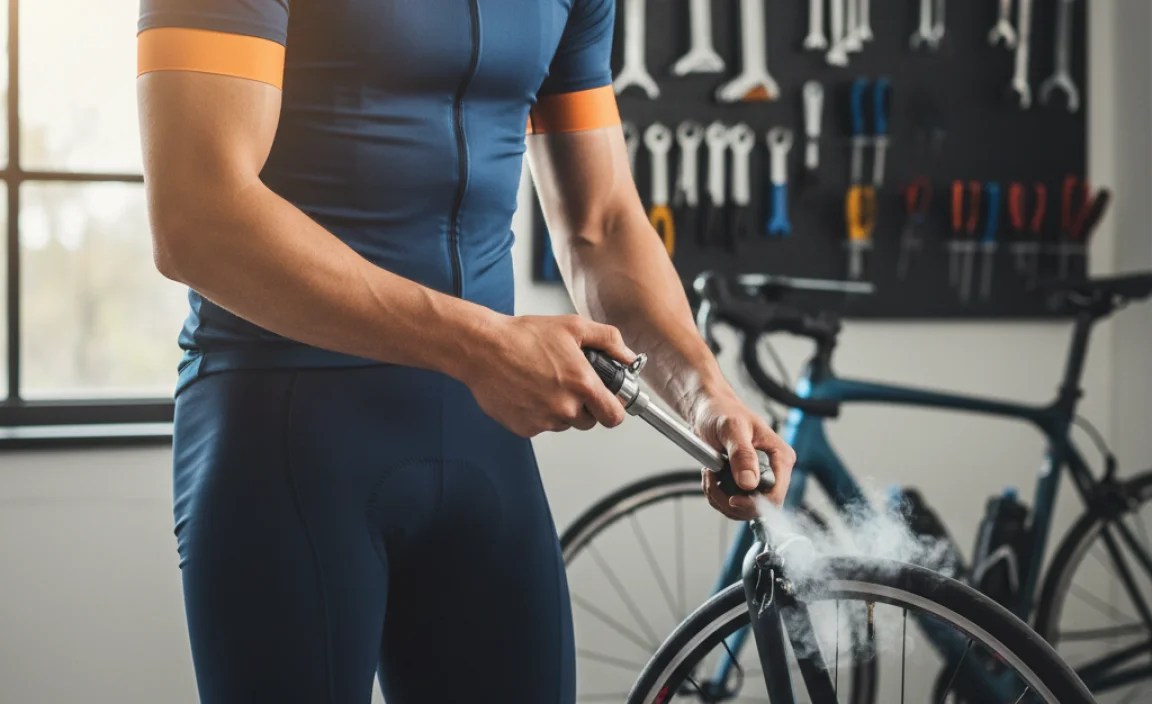
CO2 inflators use compressed carbon dioxide to quickly inflate tires, making them a favorite among racers and cyclists who need to get back on the road as soon as possible. They’re lightweight and easy to use, but require CO2 cartridges.
Key Features of CO2 Inflators
- Rapid Inflation: Inflates tires in seconds.
- Lightweight: Easy to carry in a pocket or saddlebag.
- Compact Design: Minimal bulk for portability.
- Easy to Use: Simple operation for quick repairs.
Benefits of Using a CO2 Inflator
- Speed: Inflates tires much faster than hand pumps.
- Convenience: Ideal for emergencies and races.
- Portability: Easy to carry on any ride.
- Efficiency: Requires minimal effort to inflate tires.
When to Choose a CO2 Inflator
CO2 inflators are ideal for:
- Racers and competitive cyclists.
- Cyclists who need to fix flats quickly.
- Riders who prioritize speed and efficiency.
Top CO2 Inflator Recommendations
Here are some popular CO2 inflators:
- Genuine Innovations Ultraflate: Simple and reliable.
- Lezyne Control Drive CO2: Precise inflation control.
- Topeak Airbooster: Compact and easy to use.
CO2 Inflator Safety Tips
- Wear Gloves: CO2 cartridges can get very cold during use.
- Control the Flow: Use short bursts to avoid over-inflation.
- Dispose of Cartridges Properly: Recycle empty cartridges whenever possible.
Electric Pumps: Effortless Inflation
Electric pumps are battery-powered devices that inflate tires with the push of a button. They’re perfect for cyclists who want a convenient and effortless way to maintain their tire pressure.
Key Features of Electric Pumps
- Automatic Inflation: Inflates tires with minimal effort.
- Digital Display: Shows current and target pressure.
- Portable: Compact and easy to carry.
- Versatile: Suitable for various bike types and tire sizes.
Benefits of Using an Electric Pump
- Convenience: Inflates tires quickly and easily.
- Accuracy: Ensures precise tire pressure.
- Ease of Use: Simple operation for all cyclists.
- Versatility: Can also be used for other inflatables.
When to Choose an Electric Pump
Electric pumps are ideal for:
- Cyclists who want a convenient inflation solution.
- Riders with limited hand strength or mobility.
- Families with multiple bikes and inflation needs.
Top Electric Pump Recommendations
Here are a few highly-rated electric pumps:
- Xiaomi Mijia Portable Electric Air Compressor: Compact and versatile.
- INFANS Electric Air Pump: Powerful and easy to use.
- Ryobi ONE+ 18V Cordless High Pressure Inflator: Perfect for home and on-the-go use.
Comparing Different Pump Types
To help you make the best choice, here’s a comparison table highlighting the key differences between each pump type:
| Pump Type | Pros | Cons | Best For |
|---|---|---|---|
| Floor Pump | Efficient, accurate, durable | Not portable | Home use, pre-ride checks |
| Frame-Mounted Pump | Convenient, lightweight | Less efficient than floor pumps | On-the-go repairs, long rides |
| Mini Pump | Portable, affordable | Requires more effort, less accurate | Lightweight gear, backup pump |
| CO2 Inflator | Fast, lightweight | Requires cartridges, less control | Races, quick repairs |
| Electric Pump | Effortless, accurate | Requires battery, can be bulky | Convenience, multiple bikes |
Additional Considerations
Beyond the basic types, here are a few other factors to consider when choosing a bike pump:
- Valve Compatibility: Ensure the pump works with both Presta and Schrader valves.
- Pressure Gauge: Look for a clear, accurate gauge to avoid over- or under-inflation.
- Build Quality: Choose a pump made from durable materials for long-lasting performance.
- User Reviews: Read reviews from other cyclists to get real-world feedback.
Maintaining Your Bike Pump
Proper maintenance can extend the life of your bike pump and ensure it performs optimally. Here are some tips:
- Clean Regularly: Wipe down the pump after each use to remove dirt and debris.
- Lubricate Moving Parts: Use a silicone-based lubricant to keep the pump operating smoothly.
- Check for Leaks: Inspect the hose and connections for any signs of leaks.
- Store Properly: Store the pump in a dry, protected area to prevent damage.
FAQ: Choosing the Right Bike Pump
Here are some frequently asked questions to help you choose the best bike pump for your needs:
What type of pump is best for road bikes?
For road bikes, a high-pressure floor pump is ideal for home use, while a frame-mounted or mini pump is great for on-the-go repairs. CO2 inflators are also popular among road cyclists for their speed and convenience.
Can I use a floor pump for mountain bikes?
Yes, floor pumps are suitable for mountain bikes. Look for a model with a high-volume output to inflate larger tires quickly.
Are CO2 inflators reusable?
No, CO2 cartridges are single-use only. Once a cartridge is empty, it needs to be replaced.
How accurate are electric bike pumps?
Electric bike pumps with digital displays are generally very accurate. They allow you to set the desired pressure and will automatically stop inflating when that pressure is reached.
What should I look for in a mini pump?
When choosing a mini pump, prioritize lightweight design, durability, and ease of use. Look for models with a built-in pressure gauge for more accurate inflation.
How do I know if my pump is compatible with my bike’s valves?
Most pumps are designed to work with both Presta and Schrader valves. Check the pump head to see if it has dual compatibility or if it requires an adapter.
How often should I check my tire pressure?
Ideally, you should check your tire pressure before every ride. Proper inflation ensures optimal performance, comfort, and safety.
Conclusion
Choosing the right bike pump doesn’t have to be a chore. By understanding the different types of pumps available – floor pumps, frame-mounted pumps, mini pumps, CO2 inflators, and electric pumps – you can select the one that best fits your cycling style and needs. Whether you prioritize speed, portability, or convenience, there’s a pump out there that’s perfect for you. Keep your tires properly inflated, and enjoy the ride!


