
How to Choose the Right Mini Bike Pump: Easy Guide

Choosing the right mini pump for your bike means finding one that’s easy to carry, inflates your tires to the correct pressure without too much effort, and fits your valve type (Presta or Schrader). Consider size, pressure capacity (PSI), pump type (hand or CO2), and valve compatibility. A good mini pump will be reliable and get you back on the road quickly!
Getting a flat tire is a cyclist’s worst nightmare, especially when you’re miles from home. A reliable mini pump can be your best friend in these situations. But with so many options available, how do you choose the right one? Don’t worry; it’s simpler than you think!
This guide will break down everything you need to know about mini pumps, from understanding different types to picking the perfect one for your bike. We’ll walk through essential features, compatibility, and even give you some top recommendations. By the end, you’ll be ready to confidently choose a mini pump and keep your tires properly inflated on every ride.
Why a Good Mini Pump Matters

A mini pump isn’t just a convenient accessory; it’s a crucial piece of safety equipment. Here’s why:
- Safety: Riding with properly inflated tires improves handling and reduces the risk of accidents.
- Performance: Correct tire pressure optimizes speed and efficiency.
- Convenience: A mini pump allows you to fix flats quickly and get back on your way without waiting for assistance.
Understanding the Basics of Mini Pumps

Before diving into specific models, let’s cover some essential features and terminology.
Types of Mini Pumps
There are two main types of mini pumps:
- Hand Pumps: These are powered by your arm strength. They’re reliable, reusable, and don’t require cartridges.
- CO2 Inflators: These use compressed carbon dioxide cartridges to quickly inflate tires. They’re fast but require purchasing replacement cartridges.
Key Features to Consider
When evaluating mini pumps, keep these features in mind:
- Pressure (PSI): Indicates the maximum pressure the pump can deliver. Road bikes typically need higher PSI than mountain bikes.
- Volume per Stroke: Measures how much air the pump delivers with each push. Higher volume means faster inflation.
- Valve Compatibility: Some pumps work with both Presta and Schrader valves, while others are specific to one type.
- Size and Weight: Consider how easily the pump can be carried in your bag or mounted on your bike frame.
- Material and Durability: Look for pumps made from sturdy materials like aluminum alloy for longevity.
Step-by-Step Guide: How to Choose the Right Mini Pump

Follow these steps to find the perfect mini pump for your cycling needs.
Step 1: Identify Your Bike Type and Tire Pressure Needs
Different bikes require different tire pressures. Here’s a general guideline:
- Road Bikes: Typically need 80-130 PSI for optimal performance.
- Mountain Bikes: Usually require 25-40 PSI for better grip and comfort on trails.
- Gravel Bikes: Often use 30-60 PSI, balancing speed and comfort on mixed terrains.
- E-Bikes: Depending on the tire type, e-bikes can range from 40-65 PSI. Check your tire sidewall for recommended pressure.
Knowing your required PSI range will help you narrow down your pump choices.
Step 2: Determine Your Valve Type: Presta or Schrader
Bike tubes use two main types of valves:
- Presta: Common on road bikes and higher-end bicycles. They are narrower and have a valve core that needs to be opened before inflation.
- Schrader: Similar to car tire valves, these are wider and more common on mountain bikes, hybrid bikes, and older models.
Make sure the mini pump you choose is compatible with your valve type. Some pumps come with adapters to fit both.
Step 3: Choose Between Hand Pump and CO2 Inflator
Consider the pros and cons of each type:
Hand Pumps
Pros:
- Reusable and reliable
- No need to buy cartridges
- Environmentally friendly
Cons:
- Require more physical effort
- Can take longer to inflate a tire
CO2 Inflators
Pros:
- Extremely fast inflation
- Compact and lightweight
Cons:
- Require purchasing cartridges
- Can be wasteful if cartridges are not recycled
- Can be expensive in the long run
Step 4: Evaluate Pressure Capacity (PSI) and Volume per Stroke
For road bikes, choose a pump with a PSI rating of at least 120. For mountain bikes, 60 PSI should be sufficient. Volume per stroke affects how quickly you can inflate your tire. Look for a pump that balances size and efficiency.
Consider these examples:
- High-Pressure Pumps: Ideal for road bikes, these pumps prioritize reaching high PSI levels quickly.
- High-Volume Pumps: Better suited for mountain bikes, delivering more air per stroke to inflate larger tires faster.
Step 5: Assess Size, Weight, and Mounting Options
A mini pump should be easy to carry. Look for compact and lightweight models that can fit in your cycling bag or mount securely on your bike frame. A good mounting bracket will keep the pump stable during rides.
Step 6: Check Material and Durability
Opt for pumps made from durable materials like aluminum alloy. These pumps are more resistant to wear and tear and will last longer. Check customer reviews for feedback on the pump’s reliability.
Step 7: Read Reviews and Get Recommendations
Before making a final decision, read reviews from other cyclists. See what they say about the pump’s performance, durability, and ease of use. Ask for recommendations from friends or local bike shop staff.
Top Mini Pump Recommendations
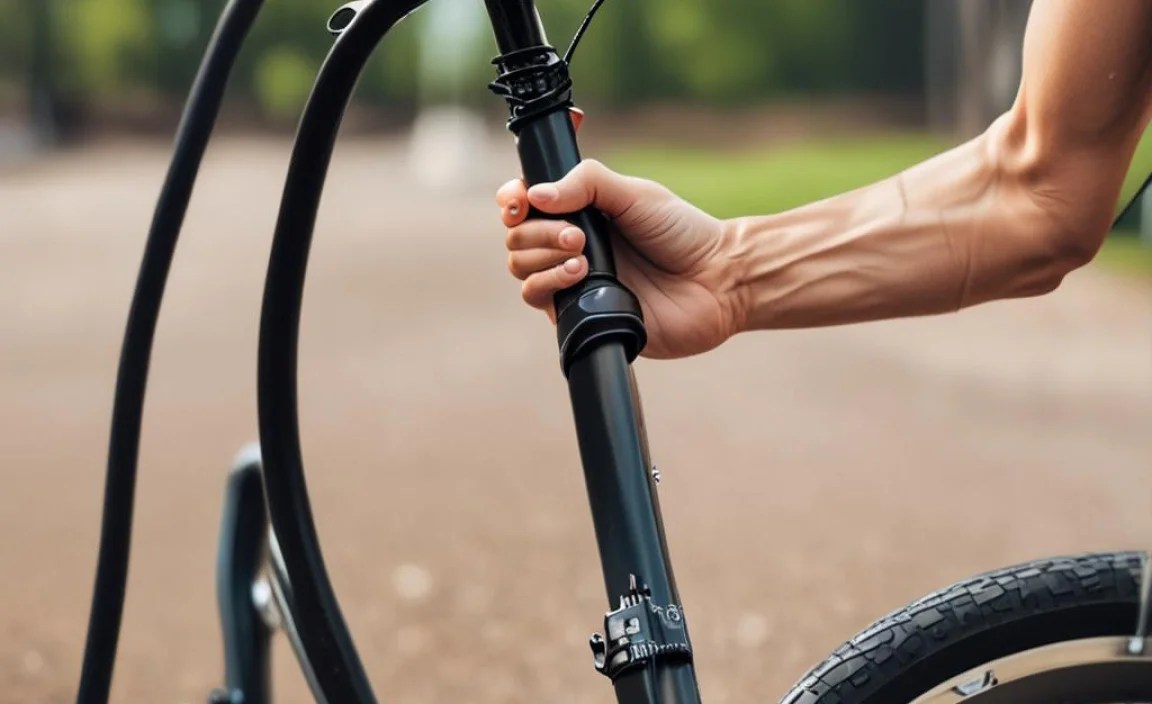
Here are a few highly-rated mini pumps to consider:
| Pump Model | Type | PSI | Valve Compatibility | Key Features |
|---|---|---|---|---|
| Lezyne Micro Floor Drive HP | Hand Pump | 160 | Presta/Schrader | Foot peg for easy inflation |
| Topeak RaceRocket HP | Hand Pump | 160 | Presta/Schrader | Lightweight and efficient |
| Genuine Innovations Ultraflate CO2 Inflator | CO2 Inflator | N/A | Presta/Schrader | Fast and compact |
| Park Tool PMP-4 | Hand Pump | 100 | Presta/Schrader | Durable and reliable |
| Blackburn Core Mini-Pump | Hand Pump | 100 | Presta/Schrader | Affordable and easy to use |
Tips for Using Your Mini Pump Effectively
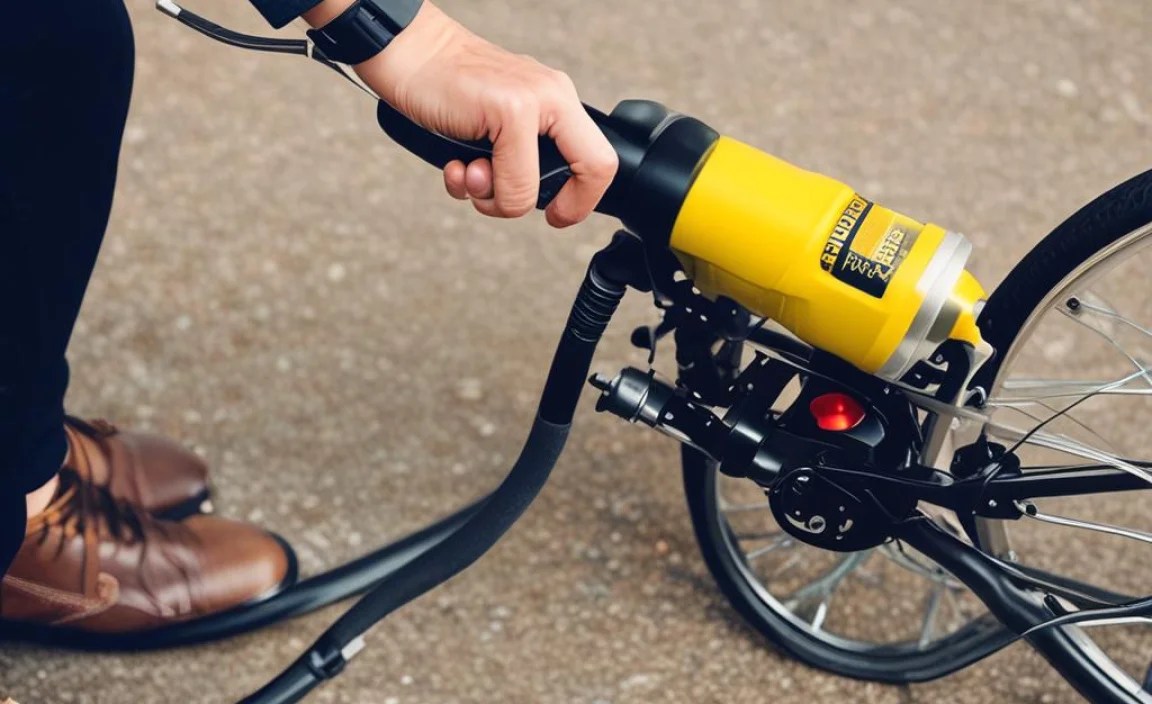
Knowing how to use your mini pump correctly will save you time and effort on the road.
Attaching the Pump to the Valve
- Make sure the pump head is securely attached to the valve. For Presta valves, unscrew the valve core before attaching the pump.
- Use a firm, steady motion to avoid damaging the valve.
- If the pump has a locking lever, engage it to create a tight seal.
Pumping Techniques
- Use your body weight to stabilize the pump.
- Pump in smooth, full strokes to maximize air delivery.
- Check the tire pressure periodically to avoid over-inflation.
Troubleshooting Common Issues
- Pump Not Inflating: Check the valve connection and make sure the valve core is open (for Presta valves).
- Air Leaking: Ensure the pump head is securely attached and the locking lever is engaged.
- Pump Difficult to Push: This could indicate a clogged pump or a damaged valve. Clean the pump or replace the valve if necessary.
Maintaining Your Mini Pump for Longevity
Proper maintenance will keep your mini pump in good working condition for years.
Cleaning and Lubrication
- Clean the pump regularly with a damp cloth to remove dirt and debris.
- Lubricate the moving parts with a silicone-based lubricant to ensure smooth operation.
Storing Your Pump Properly
Store your pump in a dry place to prevent rust and corrosion. If you’re not using it for an extended period, remove the battery (if applicable) to prevent leakage.
Mini Pump vs. Frame Pump vs. Floor Pump
Let’s compare mini pumps to other types of bike pumps:
| Pump Type | Pros | Cons | Best For |
|---|---|---|---|
| Mini Pump | Compact, lightweight, portable | Requires more effort, slower inflation | Emergency repairs on the road |
| Frame Pump | Larger than mini pumps, more efficient | Less portable, can be bulky | Touring and longer rides |
| Floor Pump | Fast and easy inflation, accurate pressure gauge | Not portable, requires storage space | Home use and pre-ride maintenance |
Each type of pump has its strengths and weaknesses. Choose the one that best fits your riding style and needs.
FAQ: Choosing the Right Mini Pump for Your Bike
What PSI should my mini pump have for a road bike?
For road bikes, aim for a mini pump with a PSI rating of at least 120. This ensures you can reach the high tire pressures needed for optimal performance on the road.
Can I use a mini pump for both Presta and Schrader valves?
Yes, many mini pumps come with adapters or dual-head designs that are compatible with both Presta and Schrader valves. Check the pump’s specifications to ensure it fits your needs.
How do I mount a mini pump on my bike frame?
Most mini pumps come with a mounting bracket that attaches to your bike frame using the water bottle cage bolts. Simply align the bracket with the bolts and tighten them securely.
Are CO2 inflators better than hand pumps?
CO2 inflators offer rapid inflation and are very compact, but they require purchasing replacement cartridges. Hand pumps are reusable and don’t need cartridges, but they take more effort and time to inflate a tire.
How often should I maintain my mini pump?
Clean your mini pump regularly with a damp cloth and lubricate the moving parts every few months. This will keep it in good working condition and extend its lifespan.
What should I do if my mini pump isn’t inflating my tire?
First, check the valve connection and make sure it’s secure. For Presta valves, ensure the valve core is open. If the pump still isn’t inflating, inspect the pump for any clogs or damage.
Is a more expensive mini pump always better?
Not necessarily. While higher-priced pumps often have better build quality and features, a mid-range pump from a reputable brand can provide excellent performance and durability without breaking the bank. Read reviews and compare features to find the best value.
Conclusion
Choosing the right mini pump is essential for every cyclist. By understanding your bike type, tire pressure needs, and the different types of pumps available, you can confidently select a pump that will keep you rolling smoothly. Remember to consider pressure capacity, valve compatibility, size, weight, and durability. With the right mini pump in your cycling kit, you’ll be prepared for any flat tire emergency and enjoy a safer, more efficient ride. Happy cycling!


