Why Is My Shallow Well Pump Short Cycling? A Simple Guide

Quick Summary: A shallow well pump short cycles when it turns on and off too frequently. This usually happens due to a loss of pressure, often caused by a faulty pressure tank, leaks in the system, a clogged jet, or a well that’s running dry. Diagnosing the cause early prevents pump damage and ensures a steady water supply.
Is your shallow well pump driving you crazy by turning on and off every few seconds? You’re not alone! This problem, called short cycling, is super common and can be a real headache. Not only is it annoying, but it can also wear out your pump much faster, leading to costly repairs.
But don’t worry! Figuring out why your pump is short cycling is often straightforward. This guide will walk you through the most common causes and how to fix them. We’ll cover everything from checking your pressure tank to spotting sneaky leaks. Let’s get your water system back on track!
Understanding Shallow Well Pumps
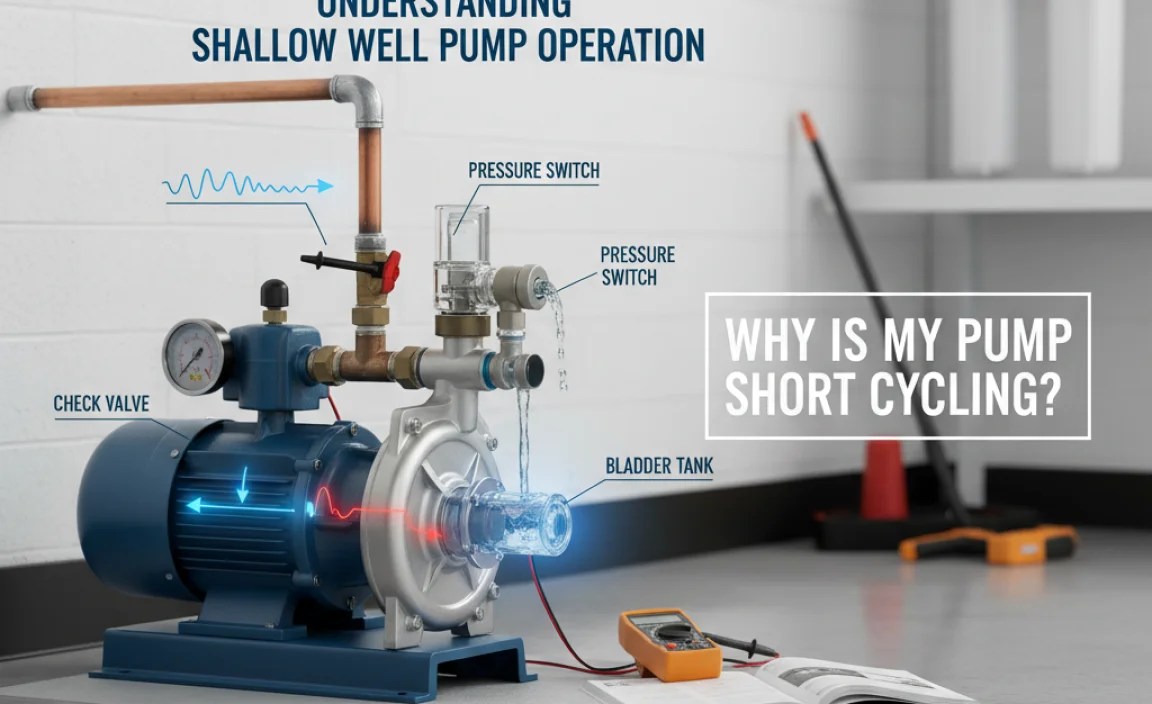
Before diving into the troubleshooting, it’s helpful to understand how your shallow well pump works. These pumps are designed to draw water from wells that are typically 25 feet deep or less. They use suction to pull water up and into your home’s plumbing system.
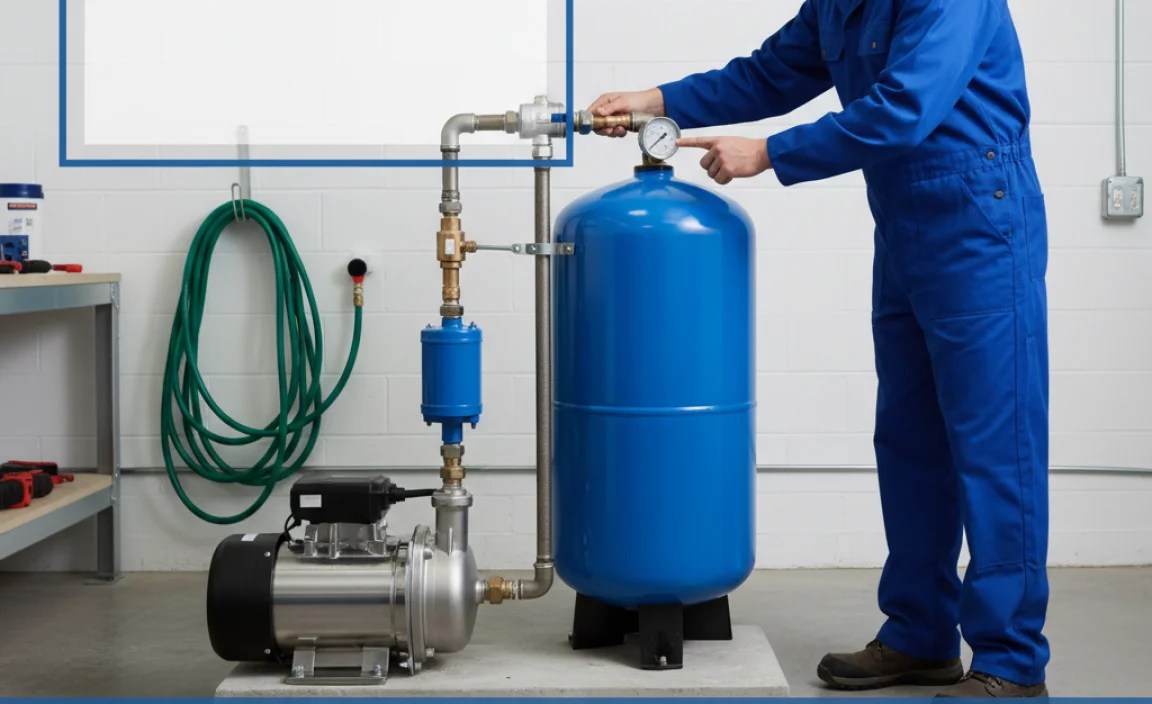
Here’s a quick overview of the key components:
- Pump: The heart of the system, responsible for drawing water from the well.
- Pressure Tank: Stores water under pressure, allowing the pump to run less frequently.
- Pressure Switch: Monitors the water pressure and turns the pump on or off as needed.
- Jet (for jet pumps): Helps create the suction needed to draw water from the well.
- Pipes and Fittings: Connect all the components and carry water throughout the system.
When you open a faucet, water flows from the pressure tank. As the pressure drops, the pressure switch activates the pump to refill the tank. Once the tank is full and the pressure reaches a set level, the switch turns the pump off. This cycle repeats as you use water.
Common Causes of Short Cycling

Short cycling happens when the pump turns on and off too rapidly. This indicates a problem with the system’s ability to maintain pressure. Here are the most common culprits:
1. Faulty Pressure Tank
The pressure tank is designed to store water under pressure, providing a buffer between the pump and your household water usage. A bladder inside the tank separates the water from the air. If this bladder fails or the air charge is incorrect, the tank can become waterlogged, leading to short cycling.
How to Check:
- Turn off the pump: Locate the circuit breaker for your well pump and switch it off.
- Drain the tank: Open a faucet somewhere in your house and let the water run until it stops completely. This relieves the pressure in the tank.
- Check the air pressure: Locate the Schrader valve (like the one on your car tire) on the top of the tank. Use a tire pressure gauge to check the air pressure. It should be 2 PSI below the pump’s cut-in pressure (usually around 28 PSI if the cut-in pressure is 30 PSI).
- Listen for water: While checking the air pressure, press the valve stem briefly. If water comes out, the bladder is likely ruptured and the tank needs to be replaced.
Solution: If the air pressure is low, use an air compressor to add air to the tank. If the bladder is ruptured, you’ll need to replace the entire pressure tank. You can find replacement tanks at most hardware stores or online retailers like Home Depot.
2. Leaks in the System
Even small leaks can cause a significant drop in pressure, triggering the pump to cycle on and off frequently. Leaks can occur in various places, including:
- Pipes: Check for cracks, holes, or loose connections.
- Fittings: Inspect all joints and connections for signs of leaks.
- Well casing: Examine the area around the well casing for water seepage.
- Foot valve: This valve at the bottom of the well prevents water from flowing back into the well. If it’s faulty, water can leak back, causing pressure loss.
How to Check:
- Visually inspect: Carefully examine all pipes, fittings, and the well casing for any signs of water leaks. Look for drips, wet spots, or mineral buildup.
- Pressure test: Turn off all faucets and water-using appliances. Watch the pressure gauge on the pump. If the pressure drops rapidly, it indicates a leak.
Solution: Repair any leaks you find. This may involve tightening fittings, replacing sections of pipe, or repairing the well casing. If the foot valve is leaking, you’ll need to pull the well and replace the valve. Consider hiring a professional well service for this task.
3. Clogged Jet (for Jet Pumps)
Jet pumps use a jet nozzle to create suction. If this jet becomes clogged with sediment or debris, it can reduce the pump’s efficiency and cause it to short cycle.
How to Check:
- Turn off the pump: Disconnect the power to the pump.
- Locate the jet: The jet is usually located in the pump housing. Consult your pump’s manual for its exact location.
- Remove and inspect: Carefully remove the jet and inspect it for any clogs or obstructions.
Solution: Clean the jet thoroughly with a small brush or wire. You can also soak it in vinegar to dissolve mineral deposits. Reinstall the jet and test the pump.
4. Low Well Water Level
If your well’s water level is dropping due to drought or increased water usage, the pump may struggle to draw enough water, causing it to cycle on and off rapidly.
How to Check:
- Check well records: Review your well’s construction records to determine its depth and static water level.
- Monitor water usage: Be mindful of your water consumption, especially during dry periods.
- Listen to the pump: If the pump is making unusual noises or struggling to prime, it could indicate a low water level.
Solution: If the water level is consistently low, you may need to deepen your well or consider alternative water sources. Conserving water can also help prevent this issue. You can find water conservation tips on the EPA’s WaterSense website.
5. Incorrect Pressure Switch Settings
The pressure switch controls the pump’s on and off cycles based on the water pressure. If the switch is set incorrectly, it can cause the pump to short cycle.
How to Check:
- Locate the pressure switch: This is usually a small, square device mounted on the pump or nearby piping.
- Check the settings: The switch has two settings: cut-in pressure (the pressure at which the pump turns on) and cut-out pressure (the pressure at which the pump turns off). These settings are typically adjustable.
- Consult the manual: Refer to your pump’s manual for the recommended pressure switch settings.
Solution: Adjust the pressure switch settings according to the manufacturer’s recommendations. Be careful not to set the cut-out pressure too high, as this can damage the pump or plumbing.
6. Clogged or Corroded Pipes
Over time, pipes can become clogged with sediment or corroded, restricting water flow and causing pressure fluctuations. This is more common in older homes with galvanized steel pipes.
How to Check:
- Check water pressure: Low water pressure throughout your home can indicate clogged or corroded pipes.
- Inspect pipes: Look for signs of corrosion, such as rust or discoloration.
- Check for sediment: Remove aerators from faucets and check for sediment buildup.
Solution: Flush the pipes to remove sediment. If the pipes are severely corroded, you may need to replace them. Consider replacing galvanized steel pipes with copper or PEX piping.
7. Defective Pressure Switch
Sometimes, the pressure switch itself can be faulty. If the switch is not functioning properly, it may send incorrect signals to the pump, causing it to short cycle.
How to Check:
- Observe the pump: If the pump is cycling on and off erratically, even when there is no water demand, the pressure switch may be defective.
- Test the switch: Use a multimeter to test the continuity of the switch. If the switch is not functioning according to its specifications, it needs to be replaced.
Solution: Replace the pressure switch with a new one. Be sure to choose a switch that is compatible with your pump and pressure tank.
Troubleshooting Table
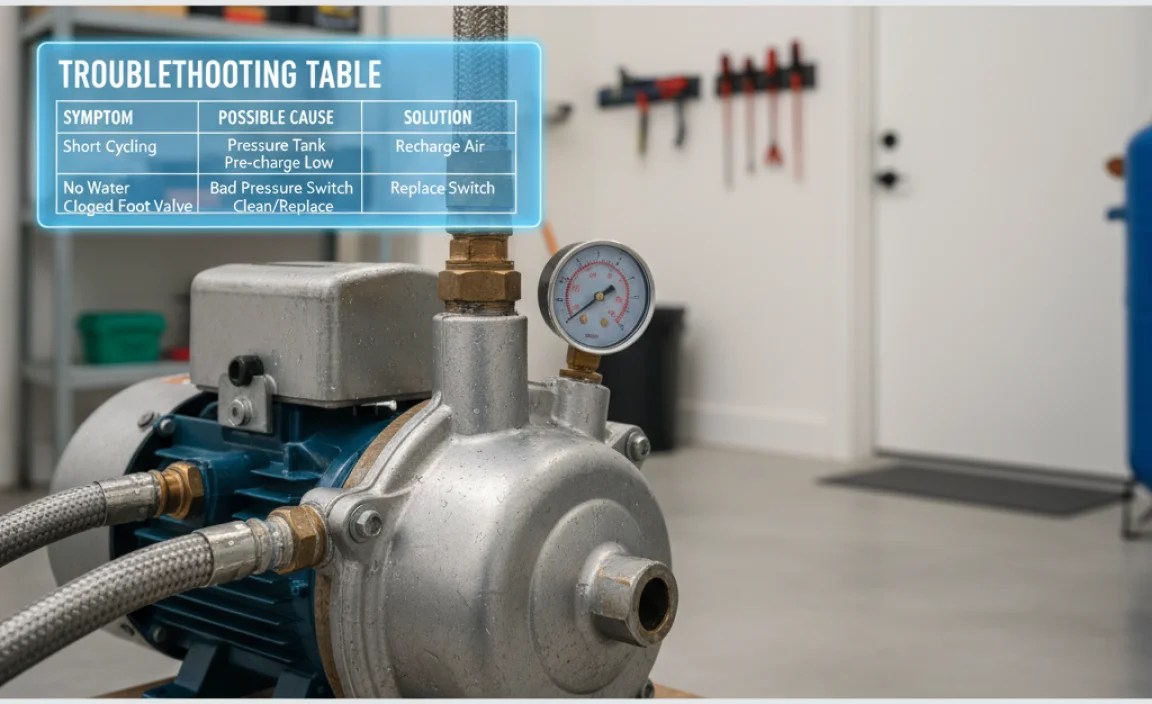
Here’s a quick reference table to help you diagnose the cause of short cycling:
| Problem | Possible Cause | Solution |
|---|---|---|
| Pump cycles on and off rapidly | Faulty pressure tank | Check air pressure, replace tank if needed |
| Pressure drops quickly | Leaks in the system | Inspect and repair leaks |
| Pump runs but water flow is weak | Clogged jet (jet pumps) | Clean the jet |
| Pump struggles to prime | Low well water level | Conserve water, deepen well if necessary |
| Pressure switch settings incorrect | Incorrect pressure switch settings | Adjust settings according to manual |
| Low water pressure | Clogged or corroded pipes | Flush pipes, replace if necessary |
| Erratic pump cycling | Defective pressure switch | Replace the pressure switch |
Step-by-Step Troubleshooting Guide
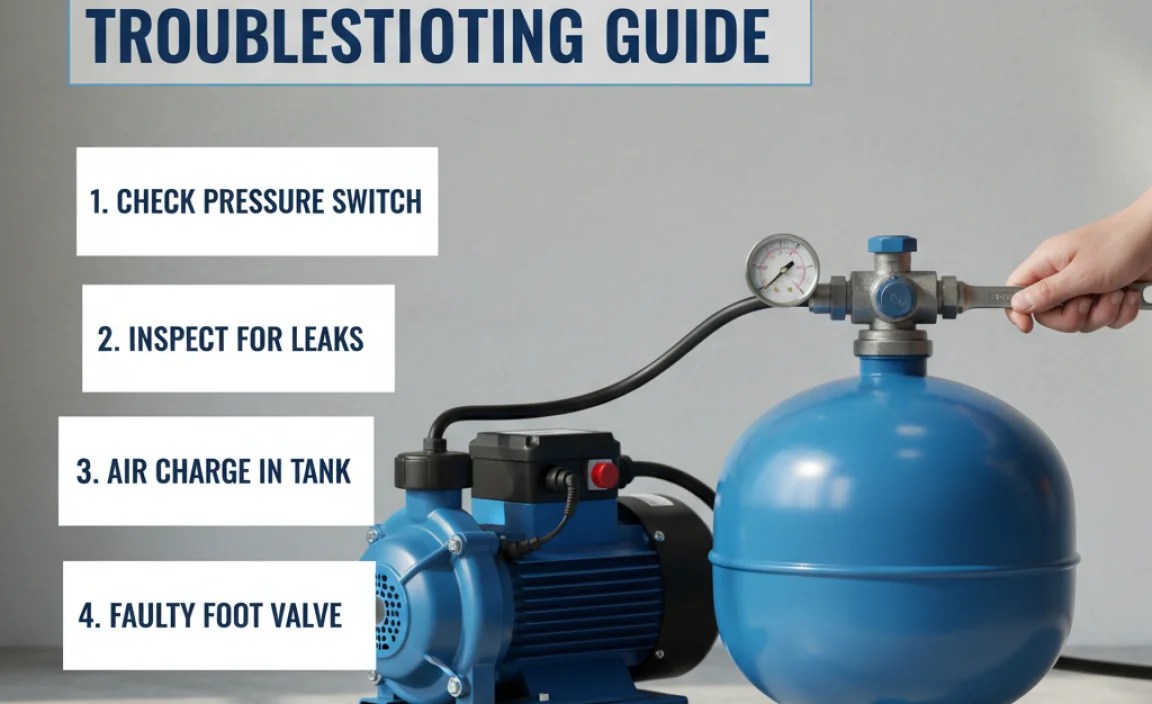
Follow these steps to systematically troubleshoot your short cycling pump:
- Check the pressure tank: This is the most common cause of short cycling, so start here.
- Inspect for leaks: Carefully examine all pipes, fittings, and the well casing for leaks.
- Clean the jet (if applicable): If you have a jet pump, clean the jet nozzle.
- Monitor water usage: Be aware of your water consumption and consider conserving water.
- Check pressure switch settings: Ensure the pressure switch is set correctly.
- Inspect pipes: Look for signs of corrosion or sediment buildup.
- Test the pressure switch: If all else fails, test the pressure switch with a multimeter.
Preventing Short Cycling
Here are some tips to prevent short cycling and keep your well pump running smoothly:
- Regular maintenance: Schedule regular inspections and maintenance of your well pump system.
- Monitor water pressure: Keep an eye on your water pressure and address any fluctuations promptly.
- Conserve water: Use water wisely to reduce the strain on your well and pump.
- Protect from freezing: Insulate pipes and the pump house to prevent freezing during cold weather.
- Install a well screen: Use a well screen to prevent sediment from entering the pump and pipes.
FAQ: Shallow Well Pump Short Cycling
Here are some frequently asked questions about shallow well pump short cycling:
Why is my well pump turning on and off so frequently?
Your well pump is likely short cycling due to a loss of pressure in the system. This can be caused by a faulty pressure tank, leaks in the pipes, a clogged jet, or a low water level in the well.
How do I know if my pressure tank is bad?
Turn off the pump, drain the tank, and check the air pressure using a tire pressure gauge. If water comes out of the air valve, the bladder inside the tank is likely ruptured, and the tank needs to be replaced.
Can a leak cause short cycling?
Yes, even small leaks in the pipes or fittings can cause a significant drop in pressure, triggering the pump to turn on and off frequently.
What is a jet in a well pump?
A jet is a nozzle in a jet pump that helps create suction to draw water from the well. If the jet becomes clogged, it can reduce the pump’s efficiency and cause it to short cycle.
How do I fix a clogged jet in my well pump?
Turn off the pump, locate the jet, and carefully remove it. Clean the jet thoroughly with a small brush or wire to remove any clogs or obstructions. You can also soak it in vinegar to dissolve mineral deposits.
What should the pressure be in my well pressure tank?
The air pressure in your pressure tank should be set 2 PSI below the pump’s cut-in pressure. For example, if the pump’s cut-in pressure is 30 PSI, the air pressure in the tank should be 28 PSI.
Is short cycling bad for my well pump?
Yes, short cycling can put excessive wear and tear on your well pump, shortening its lifespan and potentially leading to costly repairs. It’s important to address the underlying cause of short cycling as soon as possible.
Conclusion
Dealing with a short cycling well pump can be frustrating, but by understanding the common causes and following these troubleshooting steps, you can often diagnose and fix the problem yourself. Remember to start with the most likely culprits, such as the pressure tank and leaks, and work your way through the list. Regular maintenance and water conservation can also help prevent short cycling and keep your well pump running smoothly for years to come. Don’t hesitate to call a professional if you’re uncomfortable with any of these steps or if the problem persists.
“`