
What is Cycle in a Breast Pump? A Simple Guide

Quick Summary: The “cycle” in a breast pump refers to the number of times the pump pulls and releases suction per minute. A faster cycle doesn’t always mean more milk; finding the right balance between cycle and suction is key for comfortable and efficient pumping. Different pumps offer varying cycle speeds to match individual needs and milk flow.
Ever wondered what all those settings on your breast pump actually *mean*? You’re not alone! Many new parents find themselves a bit confused by terms like “cycle” and “suction.” But don’t worry, it’s easier to understand than you might think.
Think of your breast pump as mimicking a baby’s natural nursing pattern. Understanding what “cycle” refers to will help you fine-tune your pump settings for the most comfortable and effective milk expression. This guide will break down what cycle means, why it matters, and how to find the best settings for *you*. Let’s dive in and unlock the secrets to successful pumping!
Understanding Breast Pump Cycles

The cycle of a breast pump refers to the number of times the pump completes a suction and release action in one minute. Each cycle involves two phases:
- Suction Phase: The pump creates a vacuum to draw out milk from your breast.
- Release Phase: The vacuum is released, allowing for a brief pause before the next suction.
The number of these suction and release actions that occur each minute is the pump’s cycle speed, usually measured in cycles per minute (CPM). Different pumps offer varying cycle speeds to accommodate individual needs and pumping styles.
Why is Cycle Speed Important?
Cycle speed plays a vital role in mimicking a baby’s natural sucking pattern. Babies don’t continuously suck; they use a pattern of sucking, pausing, and swallowing. A breast pump with adjustable cycle speeds allows you to replicate this pattern more closely, potentially leading to:
- Improved Milk Flow: Finding the right cycle speed can stimulate your milk ejection reflex (let-down), leading to better milk flow.
- Increased Comfort: A cycle speed that mimics your baby’s natural rhythm can reduce discomfort during pumping.
- Efficient Pumping: When the cycle speed is optimized for your body, you may be able to express more milk in less time.
How Cycle Speed Affects Milk Expression
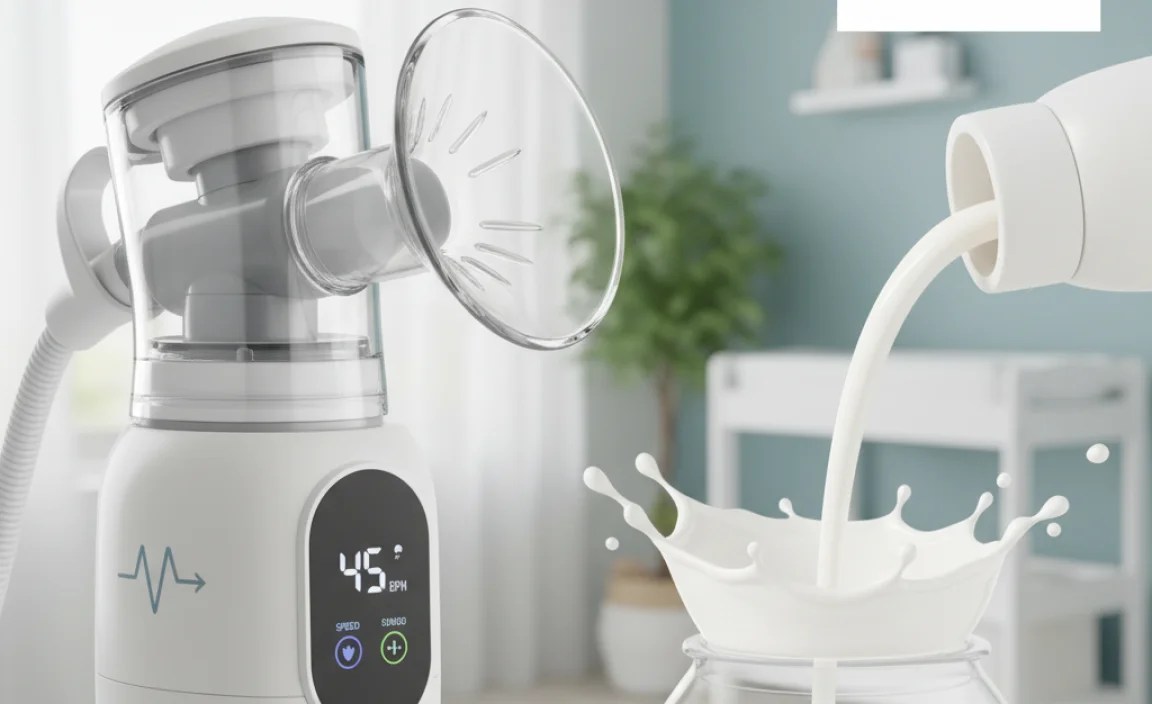
The relationship between cycle speed and milk expression isn’t always straightforward. It’s not simply a case of “faster is better.” The ideal cycle speed depends on several factors, including your body’s response to pumping and your individual milk flow.
Faster Cycle Speeds
Faster cycle speeds (more CPM) can be beneficial for some women, especially at the beginning of a pumping session. The rapid suction and release may help stimulate let-down and initiate milk flow. However, using a high cycle speed for too long can lead to discomfort or even nipple damage.
Slower Cycle Speeds
Slower cycle speeds (fewer CPM) may be more comfortable and effective once your milk has started flowing. A slower, gentler cycle can help maintain a steady flow of milk without causing excessive stimulation or discomfort. Some women find that a slower cycle allows them to empty their breasts more completely.
Ultimately, it’s about finding *your* sweet spot. Experiment with different cycle speeds to see what feels most comfortable and yields the best results.
Finding the Right Cycle Speed for You

Every woman’s body responds differently to breast pumping. What works for one person may not work for another. Here’s a step-by-step guide to finding the right cycle speed for you:
- Start with Stimulation Mode: Many pumps have a “stimulation” or “massage” mode with a faster cycle speed. Use this mode for the first few minutes to encourage let-down.
- Adjust Suction Strength: Gradually increase the suction strength until you feel a comfortable pull. It should *not* be painful.
- Observe Your Milk Flow: Pay attention to when your milk starts flowing. If it’s slow to start, try increasing the cycle speed slightly.
- Transition to Expression Mode: Once your milk is flowing well, switch to “expression” mode, which typically has adjustable cycle and suction settings.
- Experiment with Cycle Speed: Adjust the cycle speed up or down to see what feels most comfortable and efficient.
- Monitor Your Comfort: Pay close attention to how your nipples feel. If you experience any pain or discomfort, reduce the suction strength or cycle speed.
- Track Your Results: Keep a record of the cycle speeds and suction levels you use, along with the amount of milk you pump. This will help you identify your optimal settings over time.
Cycle Speed vs. Suction Strength
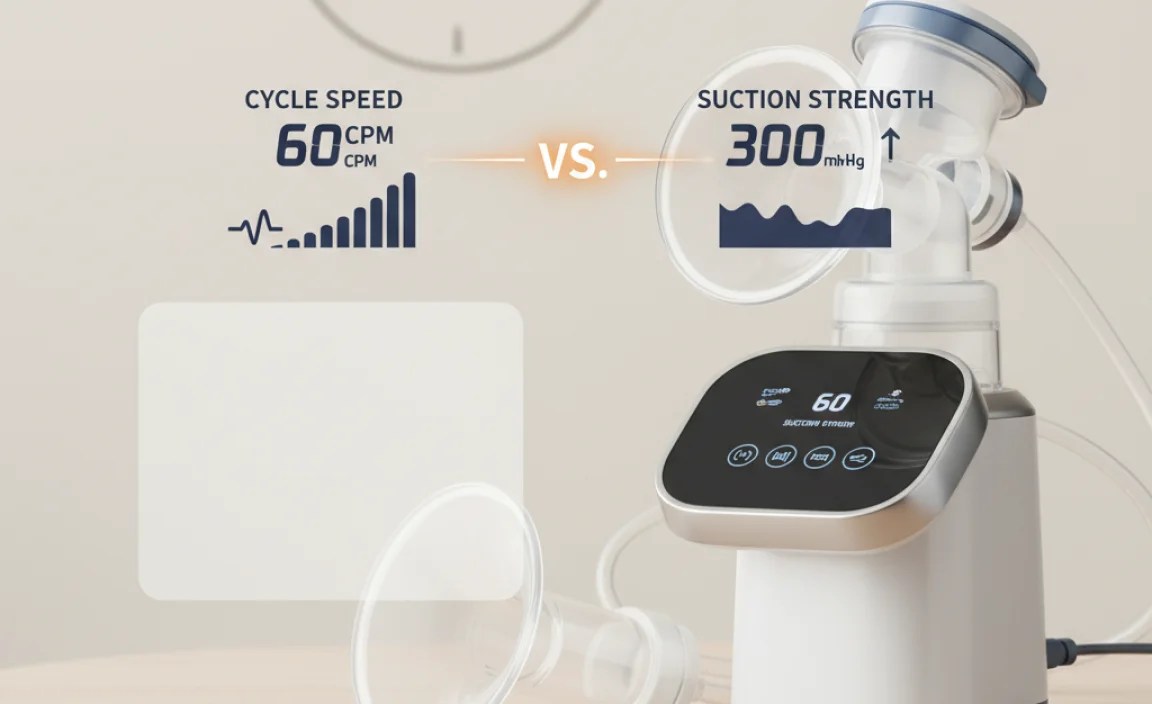
It’s important to understand the difference between cycle speed and suction strength, as they both affect milk expression. These two settings work together, and finding the right combination is crucial for comfortable and efficient pumping.
Suction Strength
Suction strength refers to the amount of vacuum the pump creates to draw out milk. It’s usually measured in millimeters of mercury (mmHg). Higher suction strength doesn’t necessarily mean more milk. In fact, using too high a suction can cause pain, nipple damage, and even reduce milk flow.
The Relationship
Cycle speed and suction strength should be adjusted in tandem. Here’s a general guideline:
- High Cycle Speed, Lower Suction: This combination can be effective for stimulating let-down and initiating milk flow.
- Lower Cycle Speed, Higher Suction: This combination may be more comfortable and efficient for maintaining milk flow once let-down has occurred.
Think of it like this: the cycle speed gets the milk flowing, and the suction strength helps to draw it out. Finding the right balance between the two is key.
Types of Breast Pumps and Cycle Settings

Different types of breast pumps offer varying levels of control over cycle settings. Here’s a brief overview:
- Manual Breast Pumps: These pumps rely on hand operation and typically don’t have adjustable cycle settings. The cycle is determined by the user’s pumping rhythm.
- Electric Breast Pumps: Electric pumps offer more control over cycle and suction settings. Many have pre-programmed modes and allow for customized settings.
- Hospital-Grade Breast Pumps: These pumps are designed for frequent use and often have a wider range of cycle and suction settings than personal-use pumps.
When choosing a breast pump, consider your individual needs and preferences. If you value precise control over cycle settings, an electric or hospital-grade pump may be the best choice.
Troubleshooting Cycle Speed Issues
Sometimes, you may encounter issues related to cycle speed while pumping. Here are some common problems and potential solutions:
- Pain or Discomfort: If you experience pain or discomfort, reduce the suction strength and/or cycle speed. Ensure your breast shield is the correct size.
- Slow Milk Flow: If your milk flow is slow, try increasing the cycle speed slightly. Make sure you’re well-hydrated and relaxed.
- Pump Not Cycling Properly: If the pump seems to be stuck on one setting or not cycling at all, check the tubing for kinks or blockages. Refer to your pump’s instruction manual for troubleshooting tips or contact the manufacturer for support.
Remember, pumping should not be painful. If you’re struggling to find comfortable and effective settings, consider consulting with a lactation consultant. They can provide personalized guidance and help you troubleshoot any issues.
Breast Pump Cycle Settings: A Quick Guide
Navigating cycle and suction settings can feel overwhelming, but remember, it’s all about finding what works best for *you*. Here’s a table summarizing common settings and their uses:
| Setting | Description | When to Use |
|---|---|---|
| Stimulation Mode | Fast cycle, lower suction | To initiate let-down and stimulate milk flow at the beginning of a pumping session. |
| Expression Mode | Adjustable cycle and suction | Once milk is flowing well, to maintain a steady flow and empty the breasts. |
| High Cycle Speed | More cycles per minute | To encourage let-down or when milk flow is slow. |
| Low Cycle Speed | Fewer cycles per minute | To maintain milk flow comfortably and efficiently once let-down has occurred. |
| High Suction Strength | Stronger vacuum | Use cautiously and only if comfortable, to draw out milk effectively. |
| Low Suction Strength | Gentler vacuum | For sensitive nipples or when experiencing discomfort. |
Tips for Comfortable and Efficient Pumping
Beyond understanding cycle speed, here are some additional tips for a more positive pumping experience:
- Choose the Right Flange Size: The breast shield (flange) should fit your nipple properly. If it’s too small or too large, it can cause discomfort and reduce milk flow.
- Relax and Reduce Stress: Stress can inhibit let-down. Try to relax before and during pumping. Listen to calming music, look at pictures of your baby, or practice deep breathing exercises.
- Massage Your Breasts: Gently massage your breasts before and during pumping to help stimulate milk flow.
- Stay Hydrated: Drink plenty of water throughout the day to support milk production.
- Pump Regularly: Consistent pumping helps maintain your milk supply.
- Consider Hands-On Pumping: Combining hand expression with pumping can help empty your breasts more completely. Stanford Medicine has more information about maximizing milk production.
Frequently Asked Questions (FAQs)
Here are some frequently asked questions about breast pump cycles:
- What does CPM mean on a breast pump?
- CPM stands for cycles per minute. It refers to the number of times the breast pump completes a suction and release action in one minute.
- Is a higher cycle speed always better?
- No, a higher cycle speed isn’t always better. The ideal cycle speed depends on your individual needs and milk flow. Experiment to find what works best for you.
- How do I know if my cycle speed is too high?
- If you experience pain, discomfort, or nipple damage, your cycle speed may be too high. Reduce the cycle speed and/or suction strength.
- What should I do if my milk flow is slow?
- If your milk flow is slow, try increasing the cycle speed slightly. Also, ensure you’re well-hydrated and relaxed.
- Can I change the cycle speed during a pumping session?
- Yes, you can and should adjust the cycle speed as needed during a pumping session to find the most comfortable and effective settings.
- What’s the difference between stimulation and expression mode?
- Stimulation mode typically has a faster cycle speed to encourage let-down, while expression mode has adjustable cycle and suction settings for maintaining milk flow.
- Should I consult a lactation consultant about cycle settings?
- If you’re struggling to find comfortable and effective settings, or if you have any concerns about your milk supply, consulting with a lactation consultant can be very helpful.
Conclusion
Understanding the “cycle” in a breast pump is a key step towards a more comfortable and successful pumping journey. By learning how cycle speed affects milk expression and experimenting with different settings, you can find what works best for your body and your baby. Remember, every woman is different, so don’t be afraid to adjust the settings and seek support when needed. Happy pumping!
“`


