
Why Is My Well Pump Short Cycling? A Simple Guide

Quick Summary: Short cycling means your well pump is turning on and off too often, which can damage the pump and cause water pressure problems. The most common causes are a faulty pressure tank, a leak in the system, or a clogged well screen. Diagnosing and fixing these issues promptly will extend the life of your pump and ensure consistent water supply.
Is your well pump acting up, turning on and off more frequently than it should? This is called short cycling, and it’s a common problem for homeowners with well water systems. It’s frustrating because it can lead to inconsistent water pressure and, more seriously, it can damage your well pump over time. But don’t worry! Identifying and fixing the cause of short cycling is often straightforward. This guide will walk you through the common reasons behind short cycling and provide simple steps to diagnose and resolve the issue. Let’s get started and get your water system back on track!
Understanding Well Pump Short Cycling

Short cycling refers to a well pump turning on and off too rapidly. A healthy well pump should run for a reasonable amount of time to fill the pressure tank and then shut off until the water pressure drops to a certain level. With short cycling, the pump might only run for a few seconds or minutes before shutting down and then quickly starting again.
Why Short Cycling is a Problem
Short cycling puts unnecessary stress on your well pump’s motor and components. Each start-up causes a surge of electricity and mechanical wear, which can significantly shorten the lifespan of the pump. It can also lead to:
- Inconsistent Water Pressure: Fluctuations in pressure can make showering or running appliances frustrating.
- Increased Energy Bills: Frequent starts consume more electricity than a steady run cycle.
- Pump Failure: Over time, the excessive wear and tear can cause the pump to fail completely, leading to costly repairs or replacement.
Common Causes of Well Pump Short Cycling

Several factors can cause a well pump to short cycle. Here’s a breakdown of the most common culprits:
1. Faulty Pressure Tank
The pressure tank is a crucial component of your well system. It stores water under pressure, allowing the pump to run less frequently. A bladder inside the tank separates the water from compressed air. If the bladder is damaged or the air pressure is incorrect, the tank can become waterlogged, leading to short cycling.
How to Check:
- Locate the pressure tank: It’s usually a blue or gray tank near the well pump.
- Tap on the tank: If it sounds full of water from top to bottom, the bladder might be damaged.
- Check the air pressure: Use a tire pressure gauge on the Schrader valve (like the one on your car tires), usually located at the top of the tank, often under a cap. The pressure should be 2 PSI below the pump’s cut-in pressure (the pressure at which the pump turns on). For example, if your pump turns on at 40 PSI, the tank’s air pressure should be 38 PSI.
Solution:
- If the bladder is damaged, the tank needs to be replaced.
- If the air pressure is low, you can try adding air with an air compressor. However, if the tank loses pressure quickly, it indicates a leak and the tank should be replaced.
2. Leaks in the System
Leaks in the well system, whether in the pipes, fittings, or even the well casing, can cause a loss of pressure, triggering the pump to cycle on and off frequently.
How to Check:
- Inspect visible pipes: Look for any signs of leaks, such as drips, wet spots, or corrosion.
- Check faucets and toilets: Ensure there are no running toilets or dripping faucets. Even a small, constant leak can affect the system pressure.
- Listen for hissing sounds: A hissing sound can indicate a leak in a pipe or fitting.
Solution:
- Repair any leaks you find by tightening fittings, replacing damaged pipes, or fixing leaky fixtures.
3. Clogged Well Screen or Sediment
The well screen filters out sediment and debris from entering the pump. Over time, it can become clogged, restricting water flow and causing the pump to work harder and cycle more frequently.
How to Check:
- Monitor water quality: If you notice sediment or cloudiness in your water, it could indicate a clogged well screen.
- Check pump performance: If the pump is running longer than usual to deliver the same amount of water, the screen might be partially blocked.
Solution:
- Well Screen Cleaning: You might need to hire a professional well service to clean or replace the well screen. This usually involves pulling the pump out of the well.
- Install a Whole-House Filter: A whole-house filter can help prevent sediment from reaching the well screen in the future.
4. Incorrect Pump Setting or Placement
If the pump is set too deep or too high in the well, it may struggle to draw water efficiently, leading to short cycling. Similarly, incorrect pressure switch settings can cause the pump to cycle improperly.
How to Check:
- Check the pump depth: Ensure the pump is submerged adequately but not too close to the bottom of the well, where it could suck up sediment.
- Verify pressure switch settings: The pressure switch controls the on/off cycle of the pump. The cut-in and cut-out pressures should be set correctly (e.g., 40/60 PSI).
Solution:
- Adjust the pump depth if necessary, following the well and pump manufacturer’s recommendations.
- Adjust the pressure switch settings. Refer to your pressure switch’s manual for instructions on how to adjust the cut-in and cut-out pressures.
5. Worn or Damaged Check Valve
The check valve prevents water from flowing back into the well when the pump shuts off. If it’s damaged or worn, water can drain back, causing the pump to cycle on quickly to repressurize the system.
How to Check:
- Listen for a “thumping” sound: This can occur when the pump shuts off and water flows back down the well pipe.
- Observe the pressure gauge: If the pressure drops rapidly after the pump shuts off, it could indicate a faulty check valve.
Solution:
- Replace the check valve. This usually involves disconnecting the pump and installing a new valve.
6. Low Well Water Level
In periods of drought or high water usage, the water level in the well can drop. If the pump is drawing air along with water, it can cause short cycling.
How to Check:
- Monitor well water level: If you suspect a low water level, you can hire a well service to measure the static water level in the well.
- Listen for air sputtering: If you hear air sputtering from your faucets, it could indicate the pump is drawing air.
Solution:
- Conserve water: Reduce water usage to allow the well to recover.
- Deepen the well or lower the pump: In severe cases, you might need to deepen the well or lower the pump to ensure it’s submerged adequately. This is a job for a professional.
Step-by-Step Troubleshooting Guide
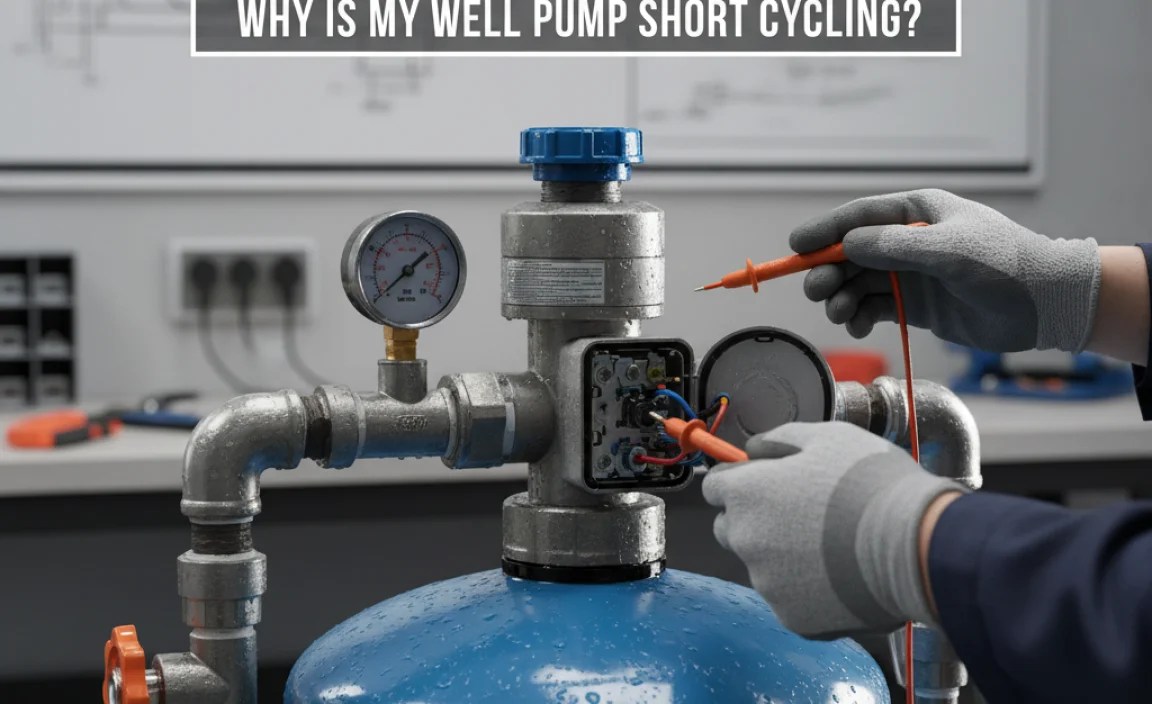
Here’s a step-by-step guide to help you diagnose and fix short cycling:
- Check for Leaks: Start by inspecting all visible pipes and fittings for leaks. Repair any leaks you find.
- Inspect the Pressure Tank: Tap on the tank to check for waterlogging. Use a tire pressure gauge to check the air pressure. Adjust or replace the tank as needed.
- Check the Well Screen: Monitor your water quality for sediment. If necessary, have the well screen cleaned or install a whole-house filter.
- Verify Pump Settings: Ensure the pump is set at the correct depth and that the pressure switch settings are correct.
- Test the Check Valve: Listen for backflow and observe the pressure gauge. Replace the check valve if necessary.
- Monitor Well Water Level: If you suspect a low water level, conserve water and consider having the well depth checked by a professional.
Tools You Might Need
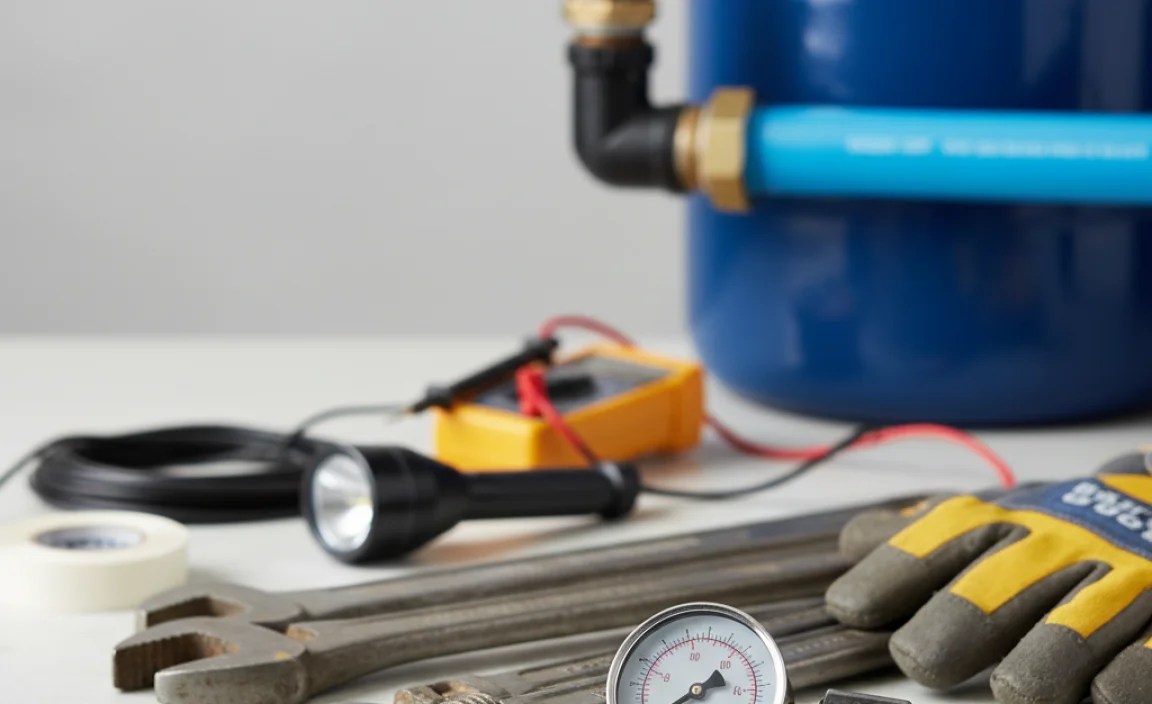
Here’s a list of tools that might come in handy when troubleshooting and fixing short cycling:
- Wrenches: For tightening and loosening pipe fittings.
- Screwdrivers: For adjusting pressure switch settings.
- Tire Pressure Gauge: For checking the air pressure in the pressure tank.
- Air Compressor: For adding air to the pressure tank.
- Pipe Cutter: For cutting pipes when making repairs.
- Plumber’s Tape: For sealing pipe threads.
- Multimeter: For checking electrical connections (if you’re comfortable working with electricity).
When to Call a Professional
While many causes of short cycling can be addressed with DIY solutions, some situations require a professional well service. Call a professional if:
- You are uncomfortable working with plumbing or electrical systems.
- You suspect a problem with the well itself, such as a collapsed casing or low water level.
- You cannot identify the cause of the short cycling after performing the troubleshooting steps.
- You need to pull the pump out of the well for repairs or replacement.
Preventive Measures to Avoid Short Cycling
Taking proactive steps can help prevent short cycling and extend the life of your well pump:
- Regularly inspect your well system: Check for leaks, monitor water quality, and inspect the pressure tank periodically.
- Maintain proper air pressure in the pressure tank: Check and adjust the air pressure at least once a year.
- Install a whole-house filter: This can help prevent sediment from clogging the well screen.
- Conserve water: Avoid excessive water usage, especially during dry periods.
- Schedule regular well maintenance: Have your well professionally inspected and serviced every few years.
Cost Considerations
The cost of fixing short cycling can vary depending on the cause and the extent of the repairs. Here’s a general idea of what you might expect to pay:
DIY Repairs:
- Replacing a pressure switch: $20 – $50
- Replacing a check valve: $15 – $40
- Repairing a minor leak: $5 – $20 (for materials like pipe fittings and plumber’s tape)
Professional Repairs:
- Replacing a pressure tank: $300 – $800 (including labor)
- Cleaning or replacing a well screen: $500 – $1500 (requires specialized equipment and expertise)
- Deepening a well: $5000 – $15000 (a major undertaking)
- Well inspection: $150 – $300
Well Pump Short Cycling: Troubleshooting Table
Here is a table summarizing the common causes and how to fix them:
| Cause | Symptoms | Solution |
|---|---|---|
| Faulty Pressure Tank | Waterlogged tank, rapid cycling | Replace tank or adjust air pressure |
| Leaks in System | Dripping, hissing sounds, pressure loss | Repair leaks in pipes/faucets |
| Clogged Well Screen | Sediment in water, reduced flow | Clean or replace well screen |
| Incorrect Pump Settings | Improper cycling, pump depth issue | Adjust pump depth or pressure switch |
| Worn Check Valve | Backflow, pressure drops quickly | Replace check valve |
| Low Well Water Level | Air sputtering, pump drawing air | Conserve water, deepen well |
Pressure Tank Sizes
Here is a table summarizing the tank size to use based on your household size:
| Household Size | Recommended Tank Size (Gallons) |
|---|---|
| 1-2 People | 20-40 |
| 3-4 People | 40-60 |
| 5-6 People | 60-80 |
| 7+ People | 80+ |
FAQ About Well Pump Short Cycling
Here are some frequently asked questions about well pump short cycling:
What does short cycling mean for a well pump?
Short cycling is when your well pump turns on and off too frequently. This rapid cycling puts extra strain on the pump, reducing its lifespan and potentially causing inconsistent water pressure.
How do I know if my well pump is short cycling?
You’ll notice your pump turning on and off more often than usual, sometimes only for a few seconds or minutes at a time. You might also experience fluctuating water pressure.
Can a leaky toilet cause short cycling?
Yes, even a small, continuous leak from a toilet can cause a drop in water pressure, triggering the pump to cycle on and off more frequently.
How do I check the air pressure in my pressure tank?
Use a tire pressure gauge on the Schrader valve (like the one on your car tires) located on the pressure tank. The pressure should be about 2 PSI below the pump’s cut-in pressure.
Is it safe to drink water if my well pump is short cycling?
Short cycling itself doesn’t directly contaminate your water, but it can indicate underlying issues like a clogged well screen or low water level, which could affect water quality. It’s always a good idea to test your water regularly, especially if you notice changes in taste, odor, or appearance.
How long should a well pump run before shutting off?
A well pump should typically run for at least one to two minutes to fill the pressure tank. If it’s running for only a few seconds, that’s a sign of short cycling.
Can a bad pressure switch cause short cycling?
Yes, a faulty pressure switch can cause the pump to turn on and off at incorrect pressure levels, leading to short cycling. If the switch isn’t sensing the correct pressure, it may trigger the pump unnecessarily.
Conclusion
Dealing with a short cycling well pump can be a headache, but understanding the common causes and how to troubleshoot them can save you time and money. By following the steps outlined in this guide, you can diagnose the problem and often fix it yourself. Remember to prioritize safety and call a professional when needed. Regular maintenance and proactive measures will help prevent short cycling and ensure a reliable water supply for your home. Now you have the knowledge to tackle this issue head-on and keep your well system running smoothly!
“`


