
How Does the Defrost Cycle Work on a Heat Pump? A Simple Guide

Quick Summary: The defrost cycle on a heat pump melts ice buildup on the outdoor coil. When sensors detect ice, the heat pump temporarily reverses its operation, drawing heat from inside your home to warm the outdoor coil. This melts the ice quickly. The system then switches back to normal heating mode, ensuring efficient heating even in cold weather.
Is your heat pump struggling in freezing weather? One common issue is ice buildup on the outdoor unit. Don’t worry – that’s where the defrost cycle comes in! Understanding how it works will not only ease your mind but also help you troubleshoot potential problems. It’s a normal part of heat pump operation, but knowing the ins and outs ensures your system runs efficiently all winter long. Let’s dive into how this process works.
Why Heat Pumps Need Defrosting

Heat pumps work by transferring heat. In winter, they pull heat from the outside air and pump it inside your home. The outdoor coil gets cold as it extracts heat, and when the temperature drops below freezing (32°F or 0°C), moisture in the air can freeze on the coil. This ice buildup acts as insulation, reducing the heat pump’s ability to extract heat from the air. The defrost cycle is crucial to remove this ice and maintain efficiency.
The Key Components of the Defrost Cycle

Several components work together to make the defrost cycle happen:
- Defrost Timer or Control Board: This is the brain of the operation, initiating the defrost cycle based on time or sensor input.
- Temperature Sensors: These sensors monitor the temperature of the outdoor coil. When the temperature drops to a certain level (usually around freezing), they signal the control board.
- Reversing Valve: This valve reverses the flow of refrigerant, changing the heat pump from heating to cooling mode (temporarily).
- Electric Resistance Heaters (Auxiliary Heat): These heaters provide supplemental heat inside your home while the defrost cycle is running, so you don’t feel a cold blast of air.
Step-by-Step: How the Defrost Cycle Works

Here’s a breakdown of the defrost cycle process:
- Ice Detection: Temperature sensors detect that the outdoor coil is cold enough for ice to form. Some systems also use a pressure differential sensor to detect ice build-up.
- Defrost Initiation: The control board activates the defrost cycle, either based on a timer or sensor input.
- Reversing Valve Activation: The reversing valve switches the flow of refrigerant. Instead of extracting heat from outside, the heat pump starts acting like an air conditioner in cooling mode.
- Hot Gas Circulation: Hot refrigerant gas is redirected to the outdoor coil. This warms the coil and melts the ice.
- Auxiliary Heat Activation: To prevent your home from getting cold, the auxiliary electric resistance heaters turn on.
- Ice Melt: The heat melts the ice, which drips away from the unit. You might see steam rising from the outdoor unit during this process.
- Defrost Termination: Once the sensors detect that the coil is warm enough (ice is melted), the defrost cycle ends. Alternatively, some units have a maximum defrost time if the sensors fail.
- Return to Normal Operation: The reversing valve switches back, and the heat pump resumes normal heating operation. The auxiliary heat turns off.
Understanding Defrost Cycle Timing
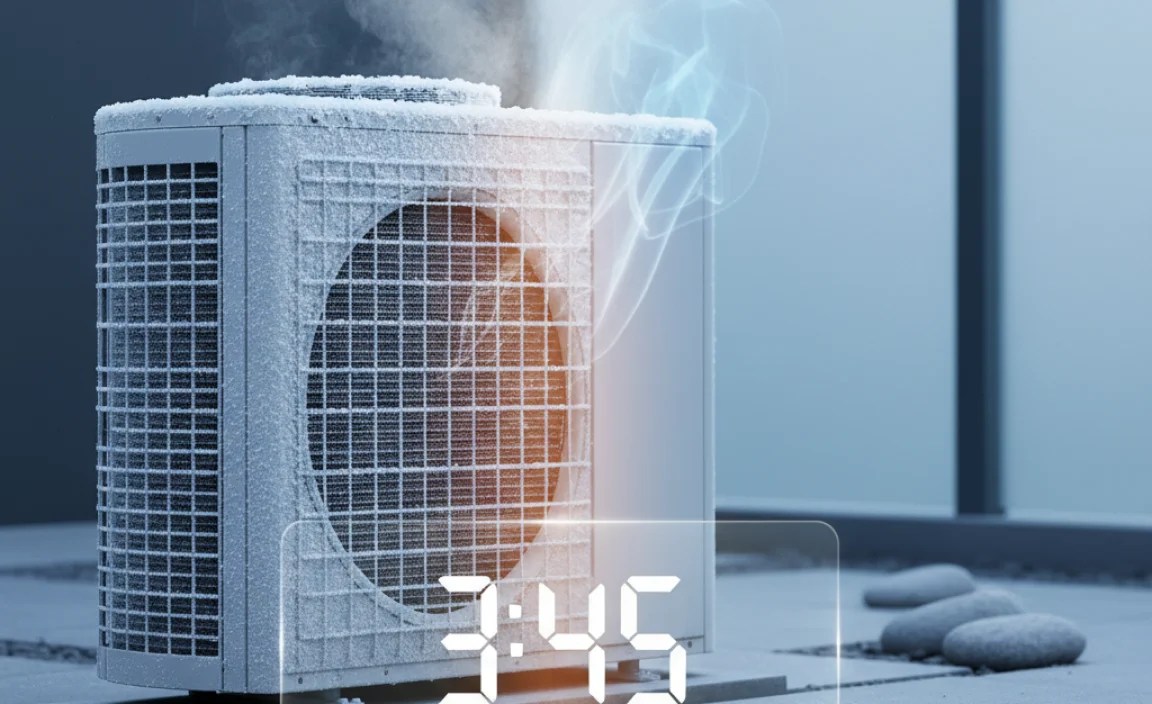
The duration and frequency of defrost cycles depend on several factors:
- Outdoor Temperature: Colder temperatures mean more frequent defrost cycles.
- Humidity: High humidity increases ice buildup.
- Heat Pump Model: Different models have different defrost settings and sensor sensitivities.
Typically, a defrost cycle lasts between 5 and 15 minutes. It might occur every 30 to 90 minutes in very cold, humid conditions. It’s essential to know that these are typical times, and your specific unit can vary.
Signs Your Defrost Cycle Isn’t Working

If the defrost cycle isn’t functioning correctly, you might notice the following:
- Excessive Ice Buildup: A thick layer of ice on the outdoor coil that doesn’t melt.
- Reduced Heating Efficiency: Your home isn’t as warm as it should be.
- Longer Run Times: The heat pump runs constantly without adequately heating your home.
- Unusual Noises: Loud humming or buzzing sounds from the outdoor unit.
Troubleshooting Defrost Cycle Problems
Here are some troubleshooting steps you can take:
- Check for Obstructions: Make sure the outdoor unit isn’t blocked by snow, ice, or debris.
- Inspect the Coil: Look for any visible damage to the coil fins. Bent fins can restrict airflow and worsen ice buildup. You can gently straighten them with a fin comb tool, available at most hardware stores or online at retailers like Amazon.com.
- Clean the Area: Clear any leaves or debris around the unit to improve airflow.
- Check the Air Filter: A dirty air filter can reduce airflow and affect the heat pump’s performance. Replace it regularly.
- Listen for the Reversing Valve: During the defrost cycle, you should hear a distinct “whoosh” sound as the reversing valve switches. If you don’t hear this, the valve might be faulty.
Warning: If you suspect a more serious problem, such as a faulty sensor, reversing valve, or control board, it’s best to call a qualified HVAC technician. Working with refrigerant and electrical components can be dangerous.
How to Improve Heat Pump Efficiency in Winter
Here are some tips to maximize your heat pump’s efficiency during the winter months:
- Keep the Outdoor Unit Clear: Regularly remove snow and ice from around the unit.
- Maintain Proper Airflow: Trim bushes and plants around the unit to ensure good airflow.
- Seal Air Leaks: Seal any drafts around windows and doors to prevent heat loss.
- Use a Programmable Thermostat: Set back the temperature when you’re away or asleep to save energy.
- Regular Maintenance: Schedule annual maintenance with an HVAC technician to ensure your heat pump is running efficiently.
Defrost Cycle vs. Emergency Heat
It’s important to differentiate between the defrost cycle and emergency heat. The defrost cycle is a normal operation that melts ice on the outdoor coil. Emergency heat, on the other hand, is a backup heating system (usually electric resistance heat) that kicks in when the heat pump can’t provide enough heat on its own. Emergency heat is much less efficient than the heat pump, so you should only use it when necessary. Refer to your heat pump manual for specific instructions on engaging and disengaging emergency heat.
Common Myths About Heat Pump Defrost Cycles
Let’s debunk some common misconceptions:
- Myth: The defrost cycle means my heat pump is broken. Reality: It’s a normal and necessary part of operation.
- Myth: The cold air blowing during the defrost cycle means something is wrong. Reality: This is normal as the system temporarily switches to cooling mode to heat the outdoor coil. The auxiliary heat should mitigate this.
- Myth: Heat pumps don’t work well in cold climates. Reality: Modern heat pumps are designed to operate efficiently in cold weather, especially with proper defrost cycles.
Choosing the Right Heat Pump for Your Climate
When selecting a heat pump, consider these factors:
- Climate: Choose a model designed for your region’s climate. Look for models with a high Heating Seasonal Performance Factor (HSPF).
- Size: Ensure the heat pump is properly sized for your home’s square footage and insulation levels.
- Features: Consider features like variable-speed compressors and advanced defrost controls for improved efficiency.
Cost Considerations
Here’s a breakdown of potential costs related to heat pump defrost cycles:
| Item | Description | Estimated Cost |
|---|---|---|
| Fin Comb | Tool for straightening bent coil fins. | $10 – $20 |
| Air Filter | Replacement air filter for indoor unit. | $5 – $20 (depending on type) |
| HVAC Technician Visit | Professional inspection and repair of defrost cycle issues. | $75 – $200+ (depending on location and issue) |
| Reversing Valve Replacement | Cost to replace a faulty reversing valve. | $200 – $600+ (including labor) |
| Control Board Replacement | Cost to replace a faulty control board. | $300 – $800+ (including labor) |
Advanced Defrost Technologies
Newer heat pump models often incorporate advanced defrost technologies to improve efficiency and reduce energy consumption. These can include:
- Demand Defrost: This system uses sensors to detect ice buildup and only initiates the defrost cycle when necessary, rather than on a timed schedule.
- Intelligent Defrost: This system learns your usage patterns and adjusts the defrost cycle accordingly, optimizing performance.
- Multi-Stage Defrost: This system uses multiple stages of defrosting to minimize the impact on indoor temperature.
Heat Pump Maintenance Checklist
Regular maintenance can prevent defrost cycle problems and extend the life of your heat pump. Here’s a checklist:
- Monthly: Check and replace the air filter if needed.
- Seasonally: Inspect the outdoor unit for debris and obstructions.
- Annually: Schedule a professional inspection and tune-up.
DIY vs. Professional Repairs
Here’s a table outlining when to DIY and when to call a pro:
| Task | DIY | Professional |
|---|---|---|
| Clearing Debris | Yes | No |
| Straightening Coil Fins | Yes (with proper tool) | Yes |
| Replacing Air Filter | Yes | No |
| Reversing Valve Repair | No | Yes |
| Control Board Replacement | No | Yes |
| Refrigerant Leaks | No | Yes |
How Weather Impacts Defrost Cycles
The weather plays a crucial role in determining how often your heat pump defrosts. Here’s how different conditions affect the process:
- Freezing Rain: Freezing rain can quickly coat the outdoor coil with a thick layer of ice, triggering frequent and longer defrost cycles.
- Snow: Heavy snowfall can accumulate around the unit, blocking airflow and contributing to ice buildup.
- High Humidity: High humidity increases the amount of moisture in the air, leading to more ice formation on the coil.
- Temperature Fluctuations: Rapid temperature changes around freezing can cause alternating cycles of freezing and thawing, increasing the likelihood of ice buildup.
Energy Efficiency and the Defrost Cycle
The defrost cycle does use energy, but it’s essential for maintaining overall efficiency. Here’s how to think about it:
- Short-Term Energy Use: The defrost cycle requires energy to reverse the refrigerant flow and activate auxiliary heat.
- Long-Term Efficiency: By removing ice buildup, the defrost cycle ensures the heat pump can continue to extract heat efficiently from the outside air, saving energy in the long run.
- Optimizing Defrost Settings: Some heat pumps allow you to adjust the defrost settings to optimize performance for your specific climate. Consult your owner’s manual for more information.
Extending the Life of Your Heat Pump
Proper care and maintenance are key to extending the lifespan of your heat pump. Here are some additional tips:
- Protect from the Elements: Consider installing a cover or shield to protect the outdoor unit from harsh weather conditions.
- Monitor Performance: Pay attention to any changes in your heat pump’s performance, such as reduced heating capacity or unusual noises.
- Address Issues Promptly: Don’t ignore potential problems. Addressing issues early can prevent more serious and costly repairs down the road.
FAQ: Understanding Heat Pump Defrost Cycles
Here are some frequently asked questions about heat pump defrost cycles:
- Why does my heat pump make a hissing sound during the defrost cycle?
- The hissing sound is likely the reversing valve switching the flow of refrigerant. It’s a normal part of the defrost cycle.
- Is it normal for steam to come from my heat pump during the defrost cycle?
- Yes, the steam is simply water vapor from the melting ice. It’s a sign that the defrost cycle is working.
- Should I turn off my heat pump when it’s defrosting?
- No, never turn off your heat pump during the defrost cycle. It’s designed to run automatically.
- How do I know if my heat pump is defrosting too often?
- If your heat pump is defrosting more than once an hour, especially in mild weather, there might be an issue. Contact an HVAC technician.
- Can I manually defrost my heat pump with a hose?
- No, do not use a hose to manually defrost your heat pump. This can damage the unit. Let the automatic defrost cycle do its job.
- Will a dirty air filter affect the defrost cycle?
- Yes, a dirty air filter restricts airflow, making the heat pump work harder and potentially causing more ice buildup. Replace your air filter regularly.
- What temperature should I set my thermostat to for optimal heat pump performance?
- Generally, setting your thermostat to a consistent temperature (e.g., 68-72°F) is more efficient than constantly adjusting it. Avoid large temperature setbacks, as this can force the heat pump to rely on less efficient auxiliary heat.
Conclusion
Understanding how the defrost cycle works on your heat pump can help you keep your system running efficiently and avoid unnecessary repairs. By knowing the signs of a malfunctioning defrost cycle, taking preventative measures, and performing basic maintenance, you can ensure your heat pump keeps your home warm and comfortable all winter long. Remember, when in doubt, always consult with a qualified HVAC technician. With the right knowledge and care, your heat pump will provide reliable and efficient heating for years to come.
“`


