
How to Repair a China Cycle Pump: A Beginner’s Guide

Quick Summary: Repairing a China cycle pump usually involves replacing worn-out parts like the rubber piston cup, valve, or hose. First, disassemble the pump. Then, identify the damaged component. Purchase a compatible replacement. Finally, reassemble the pump, making sure everything is tight and properly aligned. With a few simple steps, you can get your pump working like new again!
Is your trusty bike pump giving you trouble? Don’t toss it just yet! Many common problems with China cycle pumps are easy to fix with a few simple tools and replacement parts. It can be frustrating when your pump stops working, especially right before a ride. But with a little know-how, you can save money and keep your pump in top shape.
In this guide, I’ll walk you through the steps to diagnose and repair your China cycle pump. We’ll cover everything from identifying the problem to finding the right replacement parts and putting it all back together. Let’s get started!
Understanding the Anatomy of Your China Cycle Pump
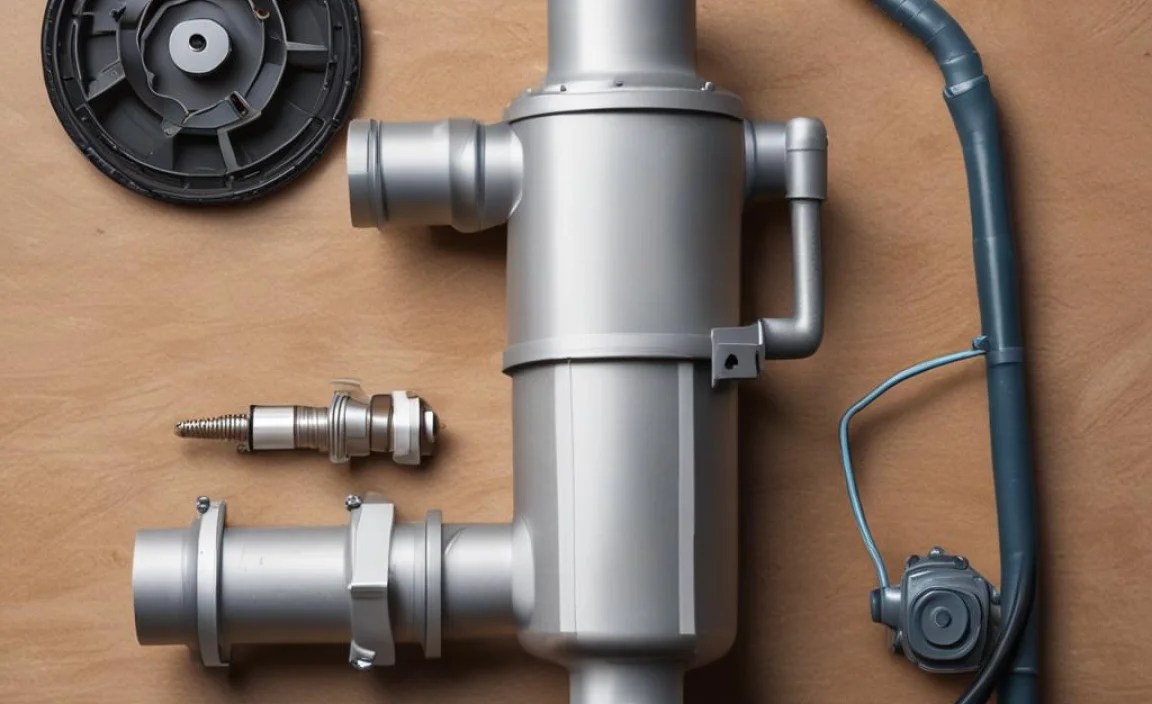
Before you start taking things apart, it’s helpful to understand the basic parts of your pump. This will make it easier to identify the problem and find the right solution.
- Handle: The part you grip to operate the pump.
- Piston Rod: Connects the handle to the piston.
- Piston Cup (or O-ring): Creates a seal inside the pump cylinder to push air.
- Cylinder: The main body of the pump where the piston moves.
- Base: Provides stability for the pump.
- Hose: Connects the pump to the tire valve.
- Valve Head (Chuck): Attaches to the tire valve (Presta or Schrader).
- Valves (Check Valves): Control the direction of airflow.
Tools and Materials You’ll Need
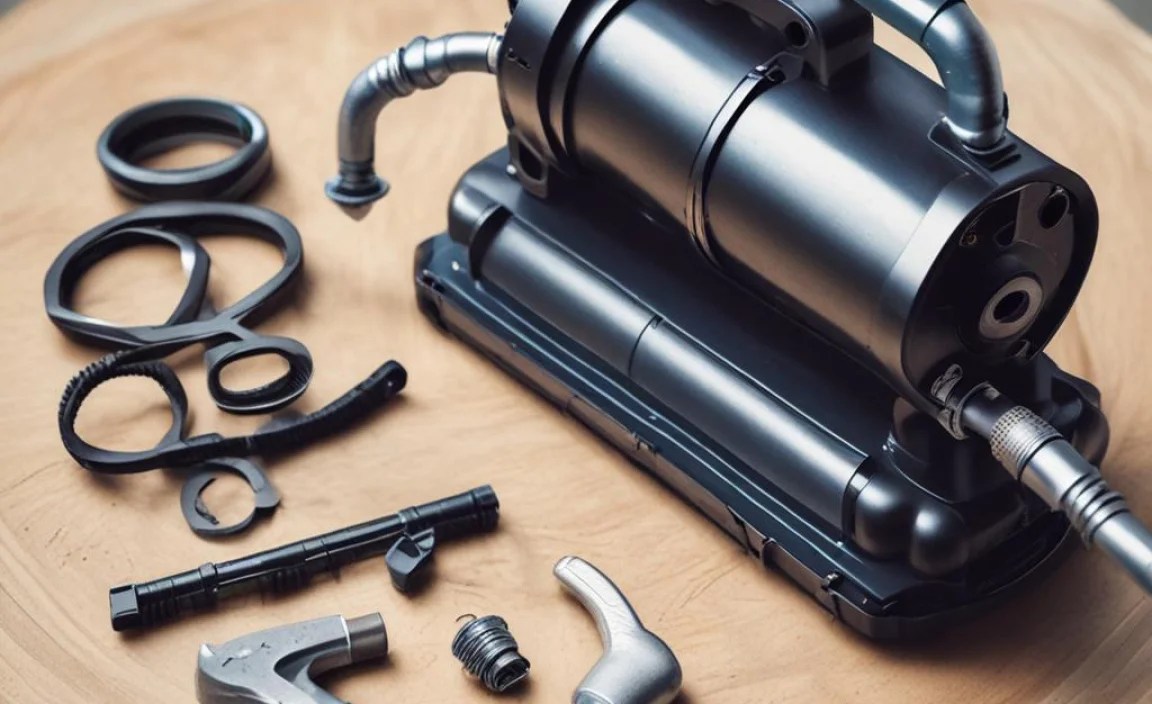
Having the right tools on hand will make the repair process much smoother. Here’s a list of what you’ll likely need:
- Screwdrivers (Phillips and flathead)
- Pliers
- Adjustable wrench
- Hex key (Allen wrench) set
- Rubber gloves (to keep your hands clean)
- Silicone grease or lubricant
- Replacement parts (piston cup, hose, valve head, etc.)
- Clean rags or paper towels
- Small container for parts
Troubleshooting Common Problems
Before you start taking the pump apart, let’s identify the problem. Here are some common issues and how to diagnose them:
- Pump Not Building Pressure: This is often due to a worn-out piston cup or a leak in the hose or valve head. Check the piston cup for cracks or wear. Inspect the hose and valve head for damage.
- Air Leaking from Hose or Valve Head: This usually means the hose is cracked or the valve head isn’t sealing properly. Examine the hose for cracks and tighten the valve head connection. If the valve head has a rubber seal, check for wear or damage.
- Stiff or Difficult Pumping Action: This could be due to a dry piston or a blockage in the pump cylinder. Lubricate the piston with silicone grease. Disassemble the pump and clean the cylinder.
- Pump Won’t Attach to Tire Valve: The valve head may be damaged or incompatible with your tire valve. Check the valve head for damage. Make sure the valve head is compatible with your tire valve type (Presta or Schrader).
Step-by-Step Repair Guide
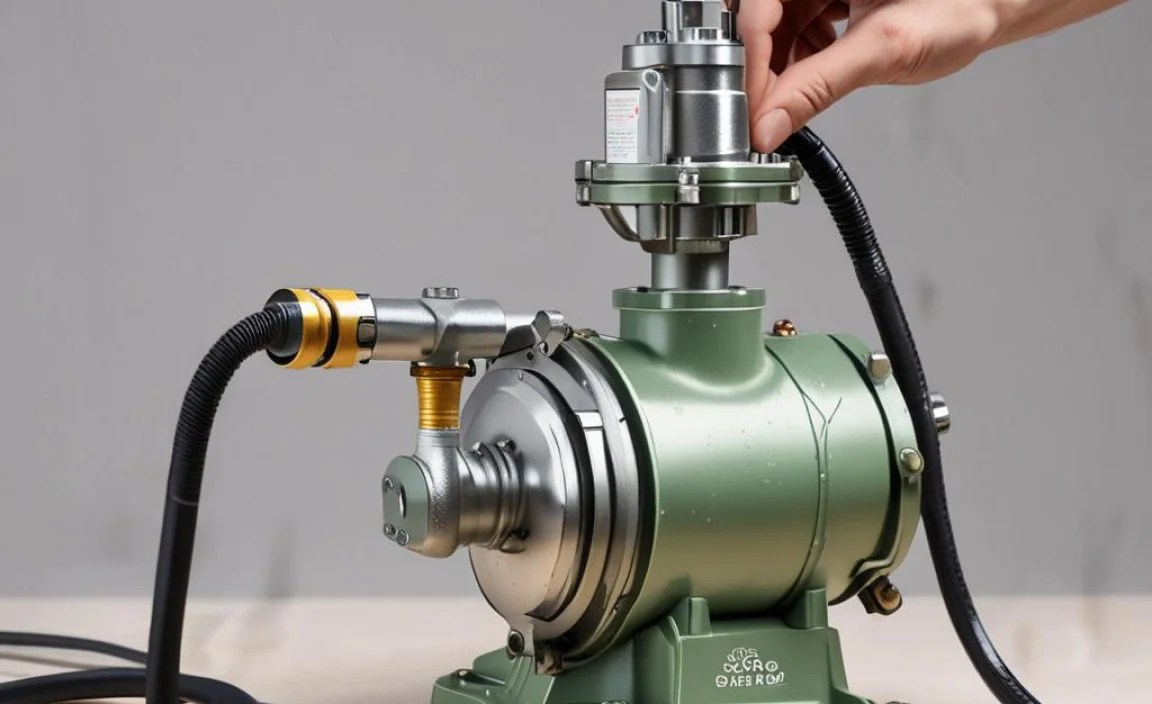
Now that you’ve identified the problem, let’s get to the repair. Follow these steps to fix your China cycle pump:
Step 1: Disassemble the Pump
- Start by removing the base of the pump. This is usually held in place by screws or bolts. Use the appropriate screwdriver or wrench to remove them.
- Next, detach the hose from the pump cylinder. Some hoses are threaded and can be unscrewed. Others may be held in place by a clamp. Loosen the clamp and pull the hose off.
- Remove the handle by unscrewing it from the piston rod. Some handles may be held in place by a set screw. Loosen the set screw with a hex key before unscrewing the handle.
- Pull the piston rod and piston out of the cylinder. Be careful not to damage the cylinder walls.
- Disassemble the valve head to inspect its components. This may involve unscrewing or prying apart the valve head housing.
Step 2: Inspect and Clean the Parts
- Examine the piston cup for wear, cracks, or damage. If it’s worn out, it needs to be replaced.
- Check the hose for cracks or leaks. If the hose is damaged, it needs to be replaced.
- Inspect the valve head for damage or wear. Check the rubber seal (if present) for cracks or deterioration.
- Clean the inside of the pump cylinder with a clean rag. Remove any dirt or debris.
- Clean the piston rod and other metal parts with a clean rag. Remove any rust or corrosion.
Step 3: Replace Damaged Parts
- Replace the piston cup if it’s worn out or damaged. Make sure to use a compatible replacement part. You can usually find replacement parts online or at your local bike shop.
- Replace the hose if it’s cracked or leaking. Again, make sure to use a compatible replacement part. Measure the length and diameter of the old hose to ensure the new one fits properly.
- Replace the valve head if it’s damaged or worn out. Consider upgrading to a higher-quality valve head for better performance.
- If your pump has check valves, inspect them for damage or wear. Replace them if necessary. Check valves are small, one-way valves that control the direction of airflow.
Step 4: Lubricate the Piston
- Apply a small amount of silicone grease to the piston cup. This will help it seal properly and move smoothly inside the cylinder.
- Spread the grease evenly over the surface of the piston cup. Avoid using too much grease, as this can attract dirt and debris.
Step 5: Reassemble the Pump
<
- Carefully slide the piston and piston rod back into the cylinder.
- Attach the handle to the piston rod and tighten it securely. Make sure the handle is aligned properly.
- Reattach the hose to the pump cylinder and tighten the clamp (if applicable).
- Reassemble the valve head and attach it to the hose. Make sure all connections are tight.
- Reattach the base of the pump and tighten the screws or bolts.
Step 6: Test the Pump
- Attach the valve head to a tire valve and try pumping up the tire.
- Check for leaks around the hose, valve head, and cylinder.
- If the pump is working properly, you should be able to inflate the tire to the desired pressure.
Choosing the Right Replacement Parts
Finding the right replacement parts is crucial for a successful repair. Here’s what to keep in mind:
- Compatibility: Make sure the replacement parts are compatible with your specific pump model. Check the manufacturer’s website or consult with a bike shop to confirm compatibility.
- Quality: Opt for high-quality replacement parts from reputable brands. While cheaper parts may seem appealing, they may not last as long or perform as well.
- Material: Consider the material of the replacement parts. For example, a rubber piston cup may be more durable than a plastic one. A metal valve head may be more reliable than a plastic one.
- Availability: Check the availability of replacement parts before you start the repair. Some parts may be difficult to find or may require special ordering.
Maintenance Tips to Keep Your Pump in Top Shape
Regular maintenance can help prevent problems and extend the life of your China cycle pump. Here are some tips:
- Lubricate the piston regularly: Apply a small amount of silicone grease to the piston cup every few months to keep it moving smoothly.
- Clean the pump cylinder: Periodically clean the inside of the pump cylinder to remove dirt and debris.
- Inspect the hose and valve head: Check the hose and valve head for cracks or damage. Replace them if necessary.
- Store the pump properly: Store the pump in a cool, dry place to prevent damage from moisture and sunlight.
- Avoid over-pumping: Don’t over-inflate your tires. Over-pumping can put stress on the pump and cause it to fail.
Troubleshooting Table
| Problem | Possible Cause | Solution |
|---|---|---|
| Pump not building pressure | Worn piston cup | Replace piston cup |
| Air leaking from hose | Cracked hose | Replace hose |
| Stiff pumping action | Dry piston | Lubricate piston |
| Pump won’t attach to tire valve | Damaged valve head | Replace valve head |
Alternative Solutions: When to Consider a New Pump
While repairing your China cycle pump is often a cost-effective solution, there are times when it might be better to invest in a new pump. Here are some factors to consider:
- Extent of Damage: If multiple parts are damaged or the cylinder is cracked, the cost of replacement parts may exceed the cost of a new pump.
- Pump Age: If your pump is very old, the plastic components may become brittle and prone to failure. A new pump might offer better reliability and performance.
- Performance: If you’re consistently struggling to inflate your tires to the desired pressure, a new, higher-quality pump could make a big difference. Some modern pumps offer features like digital gauges and ergonomic handles.
- Features: Consider if you need additional features like a built-in pressure gauge, dual-head for Presta and Schrader valves, or a compact design for travel.
If you decide to buy a new pump, consider these popular and reliable options:
- Lezyne Floor Drive Pumps: Known for their durability and accuracy.
- Topeak JoeBlow Series: Offers a wide range of pumps for different needs and budgets.
- Serfas E-LOK Floor Pump: Delivers great performance and value.
FAQ: Repairing China Cycle Pumps
Q: Why isn’t my bike pump building pressure?
A: The most common reason is a worn-out piston cup. Check it for cracks or damage and replace it if needed. Also, check for leaks in the hose or valve head.
Q: How do I know what replacement parts to buy?
A: Check your pump’s model number (if available) and search online for compatible parts. If unsure, take the old part to a bike shop for assistance.
Q: What kind of grease should I use on the piston?
A: Silicone grease is best. It’s non-corrosive and won’t damage rubber or plastic parts. Avoid petroleum-based greases.
Q: How often should I lubricate my bike pump?
A: Every few months, or whenever you notice the pumping action becoming stiff. Regular lubrication keeps the pump working smoothly.
Q: Can I use a car tire inflator on my bike tires?
A: While technically possible with an adapter, it’s not recommended. Car tire inflators deliver air too quickly and can easily over-inflate your bike tires, potentially causing a blowout.
Q: My pump has both Presta and Schrader valve attachments. Which one should I use?
A: Use the attachment that matches your tire’s valve type. Presta valves are narrow with a small locking nut, while Schrader valves are wider, like those on car tires.
Q: Is it worth repairing a cheap bike pump?
A: If the repair is simple and inexpensive (like replacing a piston cup), it’s often worth it. However, if multiple parts are broken or the pump is very old, consider investing in a new, more reliable pump.
Conclusion
Repairing a China cycle pump is a manageable task that can save you money and extend the life of your equipment. By understanding the anatomy of your pump, identifying common problems, and following the step-by-step guide, you can confidently tackle most repairs. Remember to choose the right replacement parts and perform regular maintenance to keep your pump in top shape. However, don’t hesitate to consider a new pump if the damage is extensive or the cost of repair outweighs the benefits. With a little effort, you can keep your tires properly inflated and enjoy smooth, safe rides!


