
Why Is My Heat Pump Short Cycling? A Simple Guide

Quick Summary: A heat pump short cycles when it turns on and off too frequently, failing to complete a normal heating or cooling cycle. Common causes include dirty filters, refrigerant leaks, incorrect thermostat settings, oversized units, or airflow restrictions. Addressing these issues promptly can restore efficiency and prevent costly damage to your heat pump system.
Is your heat pump turning on and off more often than it should? This is called short cycling, and it’s a common issue that can make your home uncomfortable and drive up your energy bills. It can be super frustrating, but don’t worry! We’re here to help you figure out why your heat pump is short cycling and what you can do to fix it.
In this guide, we’ll walk you through the most common causes of short cycling, from simple fixes like changing your air filter to more complex problems like refrigerant leaks. We’ll give you easy-to-follow steps to diagnose the issue and get your heat pump running smoothly again. Let’s get started!
Common Causes of Heat Pump Short Cycling

Heat pump short cycling can stem from various issues, ranging from simple maintenance oversights to more complex mechanical failures. Understanding these causes is the first step in diagnosing and resolving the problem.
1. Dirty Air Filter
A dirty air filter is one of the most common culprits behind short cycling. When the filter is clogged with dust and debris, it restricts airflow to the heat pump. This causes the system to overheat and shut down prematurely.
Solution: Check your air filter monthly and replace it when it appears dirty. A clean filter ensures proper airflow and helps your heat pump run efficiently.
2. Refrigerant Leaks
Refrigerant is essential for the heat pump to transfer heat effectively. If there’s a leak, the system won’t be able to maintain the desired temperature, leading to short cycles.
Solution: Refrigerant leaks require professional attention. Contact a qualified HVAC technician to locate and repair the leak, and then recharge the system with the correct amount of refrigerant.
3. Incorrect Thermostat Settings
Sometimes, the issue isn’t with the heat pump itself but with how the thermostat is set. If the thermostat is set to a temperature that’s too close to the current room temperature, the heat pump may cycle on and off frequently.
Solution: Adjust the thermostat to a temperature that’s a few degrees higher or lower than the current room temperature. Also, make sure the thermostat is in a location where it accurately reads the room temperature, away from direct sunlight or drafts.
4. Oversized Heat Pump
An oversized heat pump can cool or heat a room too quickly, causing it to shut off before completing a full cycle. This rapid cycling can lead to uneven temperatures and increased wear and tear on the system.
Solution: If you suspect your heat pump is oversized, consult with an HVAC professional. They can perform a load calculation to determine the correct size for your home. Replacing an oversized unit is a significant investment, but it can improve comfort and efficiency in the long run.
5. Airflow Restrictions
Besides a dirty filter, other airflow restrictions can cause short cycling. Blocked vents, closed dampers, or ductwork issues can all reduce airflow to the heat pump.
Solution: Check all vents and registers to make sure they are open and free from obstructions. Inspect your ductwork for any visible damage or leaks. Sealing any leaks can improve airflow and efficiency. For more complex ductwork issues, it’s best to consult with a professional.
6. Frozen Evaporator Coil
A frozen evaporator coil can occur when the heat pump struggles to absorb heat from the air. This can be due to low refrigerant, poor airflow, or low outdoor temperatures.
Solution: First, try turning off the heat pump and setting the fan to “on” to allow the coil to thaw. If the coil freezes repeatedly, contact an HVAC technician to diagnose and repair the underlying cause.
7. Electrical Issues
Electrical problems, such as a faulty capacitor or a failing motor, can also cause short cycling. These issues can prevent the heat pump from running properly, leading to frequent on-off cycles.
Solution: Electrical issues should be addressed by a qualified HVAC technician or electrician. They can safely diagnose and repair any electrical components that are causing the problem.
Step-by-Step Guide to Diagnosing Short Cycling

Follow these steps to identify the cause of short cycling in your heat pump:
- Check the Air Filter: Remove the air filter and inspect it for dirt and debris. If it’s dirty, replace it with a new filter.
- Inspect Vents and Registers: Make sure all vents and registers are open and unobstructed. Remove any furniture or objects that may be blocking airflow.
- Examine the Outdoor Unit: Check the outdoor unit for any visible obstructions, such as leaves, snow, or ice. Clear away any debris that may be blocking airflow.
- Listen for Unusual Noises: Pay attention to any unusual noises coming from the heat pump. Grinding, squealing, or hissing sounds can indicate mechanical or electrical problems.
- Monitor Thermostat Settings: Verify that the thermostat is set to the correct temperature and mode. Make sure it’s not set to a temperature that’s too close to the current room temperature.
- Check for Ice Buildup: Look for ice buildup on the evaporator coil or the outdoor unit. If you find ice, try turning off the heat pump and allowing it to thaw.
- Observe the Cycle Length: Time how long the heat pump runs before it shuts off. If it’s consistently running for only a few minutes at a time, it’s likely short cycling.
Troubleshooting Tips
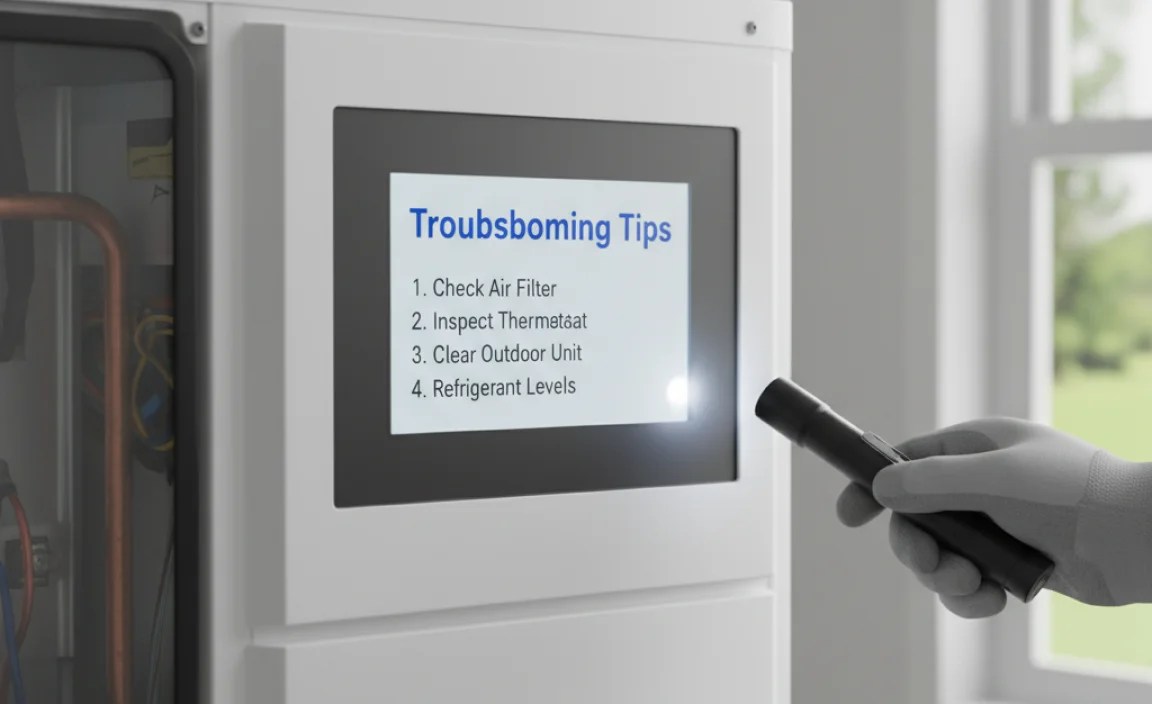
Here are some additional troubleshooting tips to help you resolve short cycling issues:
- Clean the Outdoor Unit: Use a garden hose to gently clean the outdoor unit, removing any dirt, leaves, or debris.
- Seal Ductwork Leaks: Inspect your ductwork for any visible leaks and seal them with duct tape or mastic sealant.
- Adjust Fan Speed: If your thermostat allows, try adjusting the fan speed to improve airflow.
- Check for Proper Insulation: Ensure your home is properly insulated to reduce heat loss or gain, which can cause the heat pump to work harder and short cycle.
- Consider a Smart Thermostat: A smart thermostat can help optimize your heat pump’s performance by learning your heating and cooling patterns and adjusting the temperature accordingly.
When to Call a Professional

While some short cycling issues can be resolved with simple DIY solutions, others require professional attention. Here are some situations when you should call an HVAC technician:
- Refrigerant Leaks: If you suspect a refrigerant leak, it’s essential to have it repaired by a qualified technician.
- Electrical Problems: Electrical issues can be dangerous and should be addressed by a professional.
- Frozen Evaporator Coil: If the evaporator coil freezes repeatedly, it indicates a more serious problem that needs professional diagnosis and repair.
- Oversized Heat Pump: Determining the correct size for your home and replacing an oversized unit requires professional expertise.
- Complex Ductwork Issues: If you suspect problems with your ductwork, such as collapsed or damaged ducts, it’s best to consult with a professional.
Preventative Maintenance
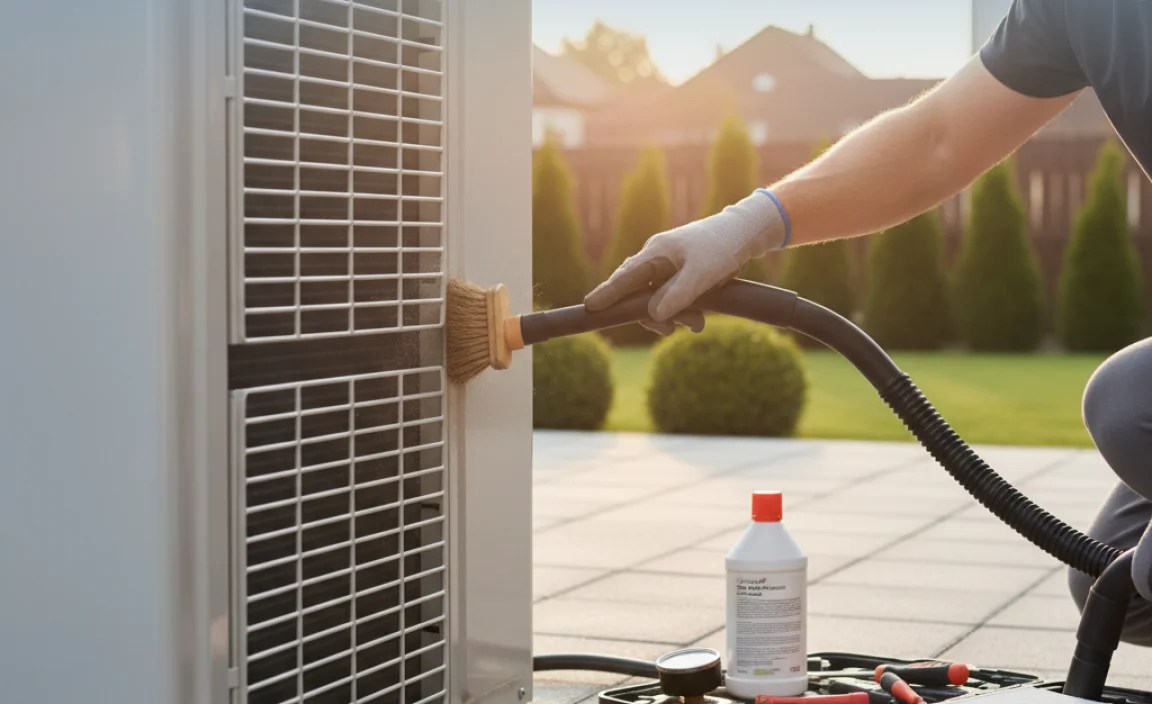
Regular maintenance can help prevent short cycling and keep your heat pump running efficiently. Here are some preventative maintenance tips:
- Change Air Filters Regularly: Check and replace your air filter monthly or as needed.
- Schedule Annual Inspections: Have your heat pump inspected annually by a qualified HVAC technician.
- Clean the Outdoor Unit: Keep the outdoor unit free from debris and obstructions.
- Monitor Performance: Pay attention to any changes in your heat pump’s performance, such as unusual noises or frequent cycling.
Cost Considerations
Addressing short cycling issues can involve various costs, depending on the cause and the necessary repairs. Here’s a breakdown of potential expenses:
| Issue | Estimated Cost |
|---|---|
| Replacing Air Filter | $5 – $20 |
| Refrigerant Leak Repair | $200 – $1,500 |
| Thermostat Replacement | $75 – $300 |
| Ductwork Repair | $200 – $2,000+ |
| Oversized Heat Pump Replacement | $3,000 – $10,000+ |
| Annual Maintenance | $100 – $300 |
Note: These costs are estimates and can vary depending on your location, the complexity of the repair, and the HVAC technician’s rates.
Benefits of Fixing Short Cycling
Addressing short cycling issues can provide several benefits:
- Improved Energy Efficiency: A properly functioning heat pump uses less energy, saving you money on your utility bills.
- Increased Comfort: Eliminating short cycling results in more consistent and comfortable temperatures in your home.
- Extended Equipment Lifespan: Reducing frequent on-off cycles can prolong the lifespan of your heat pump.
- Reduced Repair Costs: Addressing minor issues early can prevent them from escalating into more costly repairs.
Heat Pump Efficiency Tips
Here are some additional tips to maximize your heat pump’s efficiency:
- Use a Programmable Thermostat: Set your thermostat to automatically adjust the temperature when you’re asleep or away from home.
- Seal Windows and Doors: Caulk and weatherstrip around windows and doors to prevent drafts.
- Improve Insulation: Add insulation to your attic, walls, and floors to reduce heat loss or gain.
- Close Curtains and Blinds: During the hottest part of the day, close curtains and blinds to block sunlight and reduce heat gain.
- Use Ceiling Fans: Ceiling fans can help circulate air and make your home feel cooler in the summer and warmer in the winter.
Understanding Heat Pump Technology
A heat pump is a versatile HVAC system that can both heat and cool your home. It works by transferring heat between the inside and outside of your home, depending on the season.
How Heat Pumps Work
In the winter, a heat pump extracts heat from the outside air (even when it’s cold) and transfers it inside your home. In the summer, it reverses the process, removing heat from your home and transferring it outside.
Types of Heat Pumps
There are two main types of heat pumps:
- Air-Source Heat Pumps: These are the most common type of heat pump. They use the outside air as a heat source or sink.
- Geothermal Heat Pumps: These heat pumps use the earth as a heat source or sink. They are more efficient than air-source heat pumps but also more expensive to install.
FAQ: Heat Pump Short Cycling
Here are some frequently asked questions about heat pump short cycling:
- Why is my heat pump turning on and off so frequently?
- Frequent on-off cycling, or short cycling, can be caused by a dirty air filter, refrigerant leaks, incorrect thermostat settings, an oversized unit, or airflow restrictions.
- Can a dirty air filter cause short cycling?
- Yes, a dirty air filter restricts airflow, causing the heat pump to overheat and shut down prematurely.
- How often should I change my air filter?
- Check your air filter monthly and replace it when it appears dirty, typically every 1-3 months.
- Is short cycling bad for my heat pump?
- Yes, short cycling can lead to increased wear and tear on the system, reducing its lifespan and efficiency.
- Can I fix short cycling myself?
- Some causes of short cycling, such as a dirty air filter or incorrect thermostat settings, can be easily fixed yourself. However, more complex issues like refrigerant leaks or electrical problems require professional attention.
Air Conditioner Condenser Short Cycling – 10 Possible Causes
- How much does it cost to fix a refrigerant leak?
- Refrigerant leak repairs can range from $200 to $1,500, depending on the location and severity of the leak.
- What are the benefits of fixing short cycling?
- Fixing short cycling improves energy efficiency, increases comfort, extends the equipment lifespan, and reduces repair costs.
Conclusion
Dealing with a heat pump that’s short cycling can be frustrating, but by understanding the common causes and following the troubleshooting steps outlined in this guide, you can often resolve the issue and restore your system’s efficiency. Remember to start with the simple fixes, like changing your air filter and adjusting your thermostat, and don’t hesitate to call a professional for more complex problems. Regular maintenance and prompt attention to any performance changes will help keep your heat pump running smoothly for years to come, ensuring a comfortable and energy-efficient home.
“`


