
How to Prevent Hose Blowout at High PSI: Smart Tips

Quick Summary: To prevent hose blowout at high PSI, always check your hose’s pressure rating and never exceed it. Use quality hoses and fittings, ensure proper connections, and inspect your setup regularly for wear. Bleed air from the system and consider using a pressure regulator to maintain safe operating levels.
Dealing with a hose blowout at high pressure can be a real headache, not to mention potentially dangerous. Whether you’re inflating bike tires, using pressure washers, or working with industrial equipment, a burst hose can cause damage and injury. The good news is that preventing these blowouts is totally achievable with the right knowledge and a few simple precautions. This guide will walk you through the steps to keep your hoses safe and your pressure under control, so you can avoid those messy and risky situations.
Understanding Hose Blowout at High PSI

Before diving into the solutions, it’s important to understand why hoses blow out at high pressure. Several factors can contribute to this common problem.
- Exceeding Pressure Rating: Every hose has a maximum pressure it can handle safely. Going over this limit is a surefire way to cause a blowout.
- Material Degradation: Over time, hoses can weaken due to exposure to chemicals, UV light, and temperature extremes.
- Improper Connections: Loose or poorly fitted connections can create weak points where the hose is more likely to fail.
- Abrasions and Damage: External damage, like cuts or abrasions, can compromise the hose’s integrity and lead to blowouts.
- Pressure Spikes: Sudden increases in pressure, known as pressure spikes, can overwhelm the hose even if it’s rated for the average pressure.
Step-by-Step Guide to Preventing Hose Blowout

Now, let’s get into the practical steps you can take to prevent hose blowouts at high PSI.
1. Check the Hose’s Pressure Rating
This is the most crucial step. Every hose should have its maximum pressure rating clearly marked on its surface. This rating tells you the highest pressure the hose can safely handle. Never exceed this limit.
How to Check:
- Look for markings printed directly on the hose. It’s usually indicated as “Max PSI” or “Working Pressure.”
- If the markings are faded or missing, consult the manufacturer’s specifications or replace the hose.
Example: If your hose says “Max PSI 300,” don’t use it with a system that exceeds 300 PSI.
2. Use High-Quality Hoses and Fittings
Investing in quality hoses and fittings is a smart move. Cheaper options might save you money upfront, but they are more likely to fail under pressure. High-quality hoses are made from durable materials and are designed to withstand higher pressures and harsher conditions.
What to Look For:
- Material: Look for hoses made from reinforced rubber, PVC, or polyurethane. These materials offer good strength and flexibility.
- Fittings: Use fittings made from brass, stainless steel, or high-strength plastic. Ensure they are compatible with the hose material and pressure rating.
- Brand Reputation: Choose reputable brands known for producing reliable hoses and fittings.
3. Ensure Proper Connections
A secure connection is essential for preventing leaks and blowouts. Make sure all fittings are properly tightened and sealed.
How to Ensure Proper Connections:
- Clean the Threads: Before connecting, clean the threads of both the hose and the fitting to remove any dirt or debris.
- Use Thread Sealant: Apply Teflon tape or a suitable thread sealant to the threads to create a tight seal.
- Tighten Securely: Use a wrench to tighten the fitting securely, but avoid overtightening, which can damage the threads.
- Check for Leaks: After connecting, turn on the pressure and check for any leaks. If you find a leak, tighten the connection further or reapply thread sealant.
4. Inspect Hoses Regularly
Regular inspections can help you catch potential problems before they lead to a blowout. Look for signs of wear, damage, or degradation.
What to Look For During Inspections:
- Cracks and Bulges: Check the hose for any cracks, bulges, or blisters. These are signs that the hose is weakening.
- Abrasions and Cuts: Look for any cuts, abrasions, or wear marks on the hose’s surface.
- Discoloration: Check for any discoloration, which can indicate chemical damage or UV degradation.
- Loose Fittings: Ensure that all fittings are still tight and secure.
Frequency: Inspect hoses before each use and more thoroughly on a monthly basis.
5. Protect Hoses from Environmental Factors
Exposure to harsh environmental conditions can accelerate hose degradation. Protect your hoses from direct sunlight, extreme temperatures, and chemicals.
How to Protect Hoses:
- Store Properly: When not in use, store hoses in a cool, dry place away from direct sunlight and chemicals.
- Avoid Extreme Temperatures: Don’t leave hoses exposed to extreme heat or cold, as this can cause them to become brittle or weak.
- Chemical Resistance: Use hoses that are resistant to the chemicals they will be exposed to. Check the manufacturer’s specifications for chemical compatibility.
6. Bleed Air from the System
Air trapped in the system can cause pressure spikes, which can lead to hose blowouts. Bleeding the air from the system helps maintain a more stable pressure.
How to Bleed Air:
- Locate Bleed Valve: Find the bleed valve or pressure relief valve on your system.
- Release Air: Slowly open the valve to release any trapped air.
- Close Valve: Once all the air is released and only fluid is coming out, close the valve.
7. Use a Pressure Regulator
A pressure regulator can help maintain a consistent pressure in your system, preventing pressure spikes and protecting your hoses. This is especially useful in systems where the pressure fluctuates.
How to Use a Pressure Regulator:
- Install Regulator: Install the pressure regulator between the pressure source and the hose.
- Set Pressure: Set the regulator to the desired pressure, making sure it is below the hose’s maximum pressure rating.
- Monitor Pressure: Monitor the pressure gauge on the regulator to ensure it is maintaining a consistent pressure.
8. Avoid Kinks and Twists
Kinks and twists can create weak points in the hose, making it more likely to fail under pressure. Always handle hoses carefully and avoid bending them sharply.
How to Avoid Kinks and Twists:
- Proper Storage: When storing hoses, coil them loosely and avoid sharp bends.
- Use Swivels: Use swivel fittings to allow the hose to rotate without twisting.
- Careful Handling: When using hoses, avoid pulling or dragging them in a way that could cause kinks or twists.
9. Implement a Regular Replacement Schedule
Even with proper care, hoses will eventually degrade over time. Implementing a regular replacement schedule can help you avoid unexpected blowouts.
How to Implement a Replacement Schedule:
- Check Manufacturer’s Recommendations: Consult the manufacturer’s recommendations for the hose’s lifespan.
- Consider Usage: If the hose is used frequently or in harsh conditions, replace it more often.
- Keep Records: Keep records of when hoses were installed and when they are due for replacement.
General Guideline: Replace hoses every 2-5 years, depending on usage and conditions.
Choosing the Right Hose Material

Selecting the right hose material is crucial for ensuring safety and longevity. Different materials offer varying levels of resistance to pressure, chemicals, and environmental factors. Here’s a breakdown of common hose materials and their ideal applications:
| Material | Pros | Cons | Ideal Applications |
|---|---|---|---|
| Rubber | Excellent flexibility, good abrasion resistance, handles a wide range of temperatures. | Can be heavy, susceptible to oil and some chemicals. | Hydraulic systems, air compressors, water hoses. |
| PVC (Polyvinyl Chloride) | Lightweight, chemical resistant, cost-effective. | Less flexible than rubber, can become brittle in cold temperatures, lower pressure rating. | Water drainage, chemical transfer, low-pressure air lines. |
| Polyurethane | High abrasion resistance, excellent flexibility, resistant to oil and chemicals. | More expensive than PVC, can be susceptible to hydrolysis. | Pneumatic systems, fuel lines, robotic applications. |
| Reinforced Rubber | High pressure rating, durable, good flexibility. | Can be heavy, more expensive than standard rubber. | Hydraulic systems, high-pressure air lines, industrial applications. |
Understanding PSI and Hose Safety Factors

PSI (Pounds per Square Inch) is the unit used to measure pressure. Understanding the PSI rating of your hose and the safety factors involved is crucial for preventing blowouts.
- Working Pressure: The maximum pressure the hose is designed to handle under normal operating conditions.
- Burst Pressure: The pressure at which the hose is expected to fail or burst. This is typically much higher than the working pressure.
- Safety Factor: The ratio between the burst pressure and the working pressure. A higher safety factor indicates a more robust hose.
Example: A hose with a working pressure of 300 PSI and a burst pressure of 900 PSI has a safety factor of 3:1.
Recommendation: Always choose a hose with a safety factor of at least 3:1 for high-pressure applications.
Common Mistakes to Avoid
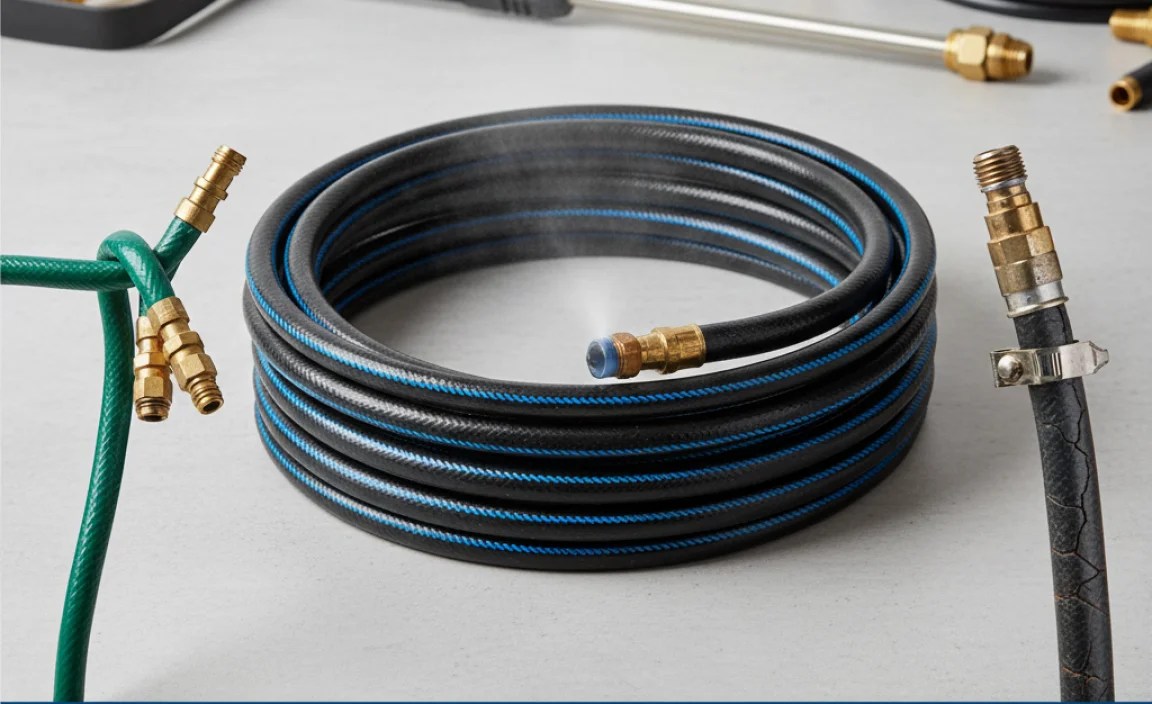
Even with the best intentions, it’s easy to make mistakes that can increase the risk of hose blowouts. Here are some common pitfalls to avoid:
- Ignoring Pressure Ratings: Always adhere to the hose’s maximum pressure rating.
- Using Damaged Hoses: Never use a hose that shows signs of wear, damage, or degradation.
- Improper Storage: Storing hoses improperly can shorten their lifespan and increase the risk of failure.
- Neglecting Maintenance: Regular inspections and maintenance are essential for identifying and addressing potential problems.
- Over-Tightening Fittings: Overtightening fittings can damage the threads and create leaks.
FAQ: Preventing Hose Blowout at High PSI
What does PSI mean for hoses?
PSI stands for Pounds per Square Inch. It’s a measure of pressure, and for hoses, it indicates the maximum pressure the hose can safely handle. Always check the PSI rating to avoid exceeding the hose’s limit.
How often should I inspect my hoses?
Ideally, inspect your hoses before each use for any visible damage like cracks, bulges, or abrasions. A more thorough inspection should be done monthly to check for any signs of wear and tear.
Can temperature affect hose pressure?
Yes, temperature can affect hose pressure. High temperatures can weaken the hose material, reducing its ability to withstand pressure. Cold temperatures can make the hose brittle and more prone to cracking.
What type of hose is best for high-pressure applications?
For high-pressure applications, reinforced rubber or thermoplastic hoses are generally the best choice. These materials offer high strength and durability, ensuring they can handle the pressure without bursting.
Is it okay to use thread sealant on hose fittings?
Yes, using thread sealant like Teflon tape is a good practice. It helps create a tight, leak-proof seal between the hose and the fitting, preventing pressure loss and potential blowouts.
How do I store hoses to prevent damage?
Store hoses in a cool, dry place away from direct sunlight and chemicals. Coil them loosely to avoid kinks and twists, which can weaken the hose over time. Hanging them up can also help maintain their shape.
What is a pressure regulator, and why should I use one?
A pressure regulator is a device that maintains a constant pressure in a system. It prevents pressure spikes, which can exceed the hose’s PSI rating and cause a blowout. Using a pressure regulator can significantly extend the life of your hoses and improve safety.
Conclusion
Preventing hose blowout at high PSI is all about understanding your equipment, following best practices, and staying vigilant. By checking pressure ratings, using quality components, inspecting regularly, and protecting your hoses from environmental factors, you can significantly reduce the risk of blowouts. Remember, safety should always be your top priority when working with high-pressure systems. Take the time to implement these steps, and you’ll be well on your way to a safer and more efficient operation. Ride safe!


