
How Often Should a Well Pump Cycle On and Off? Get it Right!

“`html
How Often Should a Well Pump Cycle On and Off? A Simple Guide
Quick Summary: A typical well pump should cycle on and off between 3 to 8 times per hour when water is being used. Longer run times with fewer cycles can indicate a problem with the pressure tank, while rapid cycling may point to a leak or a failing pump. Monitoring your pump’s behavior is key to maintaining a healthy well system.
Is your well pump acting up? Hearing it switch on and off more than usual can be worrying. A well pump that cycles too often or not enough can signal problems that could lead to costly repairs. Understanding what’s normal and what’s not is the first step in keeping your water system running smoothly. Let’s explore the ins and outs of well pump cycling, so you can spot issues early and keep your water flowing.
Understanding Well Pump Basics
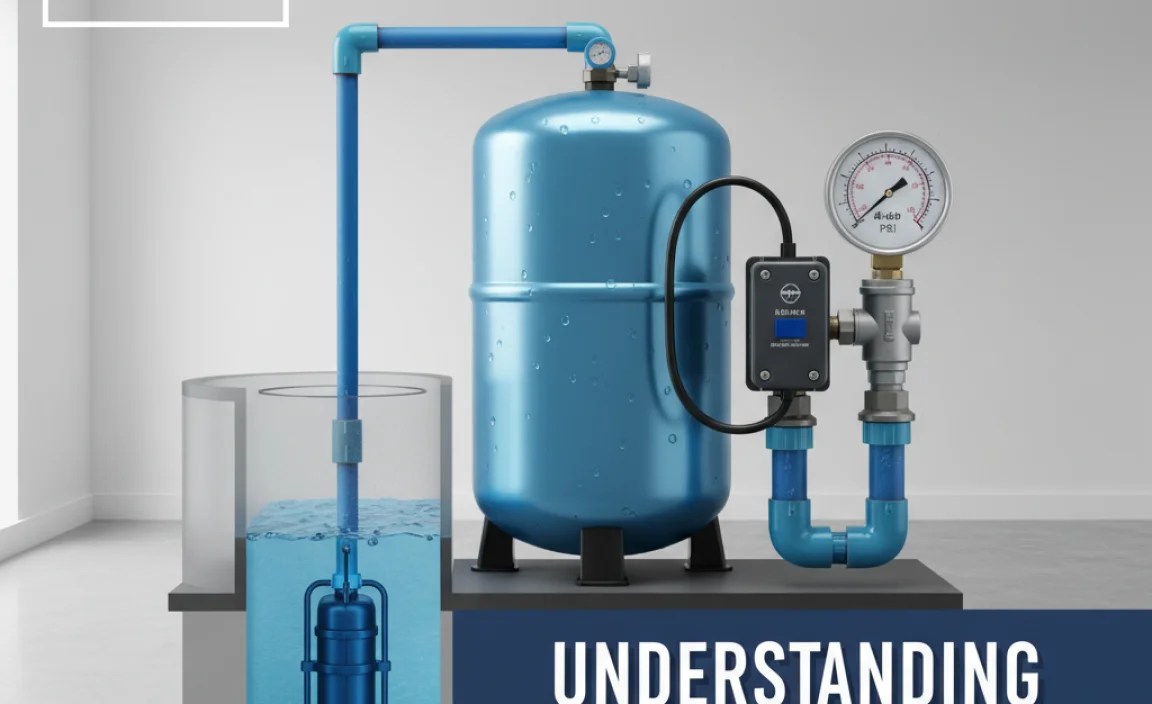
Before diving into cycling frequency, let’s quickly cover the basics of how your well pump system works. The main components are:
- Well Pump: Located either inside the well (submersible) or above ground (jet pump), it pushes water from the well into your home.
- Pressure Tank: A storage tank that holds water under pressure, allowing you to use water without the pump turning on every time.
- Pressure Switch: Monitors the water pressure in the tank and tells the pump when to turn on and off.
When you use water, the pressure in the tank drops. Once it reaches a certain low point (the “cut-in” pressure), the pressure switch activates the pump. The pump refills the tank until it reaches a higher pressure (the “cut-out” pressure), at which point the switch turns the pump off. This on-off process is called a cycle.
What’s Considered Normal Cycling?
So, how often *should* your well pump cycle? The answer depends on a few factors, but here’s a general guideline:
Under Normal Water Usage: 3-8 cycles per hour.
This range means that if you’re running a faucet, taking a shower, or using other appliances that draw water, your pump should kick on and off no more than 8 times in an hour, and ideally, no fewer than 3. This provides enough water to meet the demand without overworking the pump.
No Water Usage: Should not cycle at all (or very, very rarely).
If all your faucets are off, toilets aren’t running, and no appliances are using water, your pump should stay off. If it cycles even occasionally when there’s no demand, that’s a red flag.
Factors Affecting Cycling Frequency
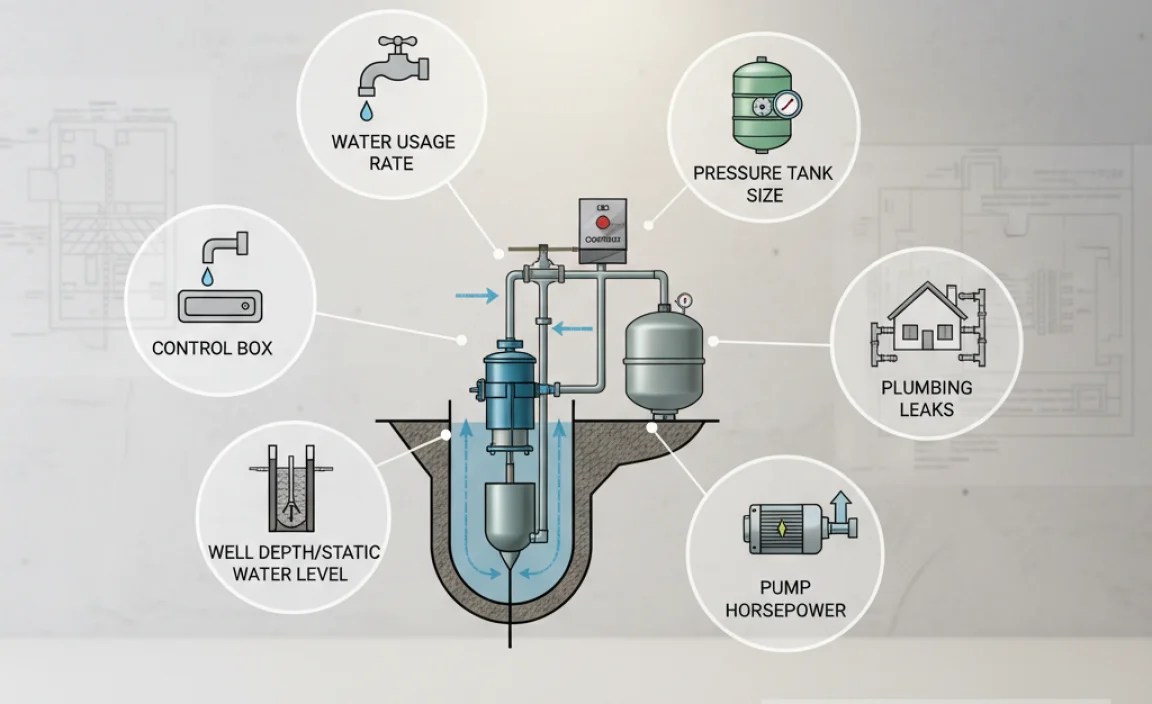
Several things can influence how often your well pump cycles:
- Tank Size: A larger tank means fewer cycles. More stored water means less frequent pump activation.
- Cut-In and Cut-Out Pressure: These settings on the pressure switch determine the pressure range in the tank. A wider range (e.g., 30-50 PSI) results in fewer cycles than a narrow range (e.g., 40-50 PSI).
- Water Usage: Higher water demand leads to more frequent cycles. Watering the lawn, filling a pool, or having multiple people showering simultaneously will all increase pump activity.
- Well Recovery Rate: This is how quickly your well refills with water. A slow recovery rate can cause the pump to cycle more often as it struggles to keep up with demand.
Troubleshooting Abnormal Cycling
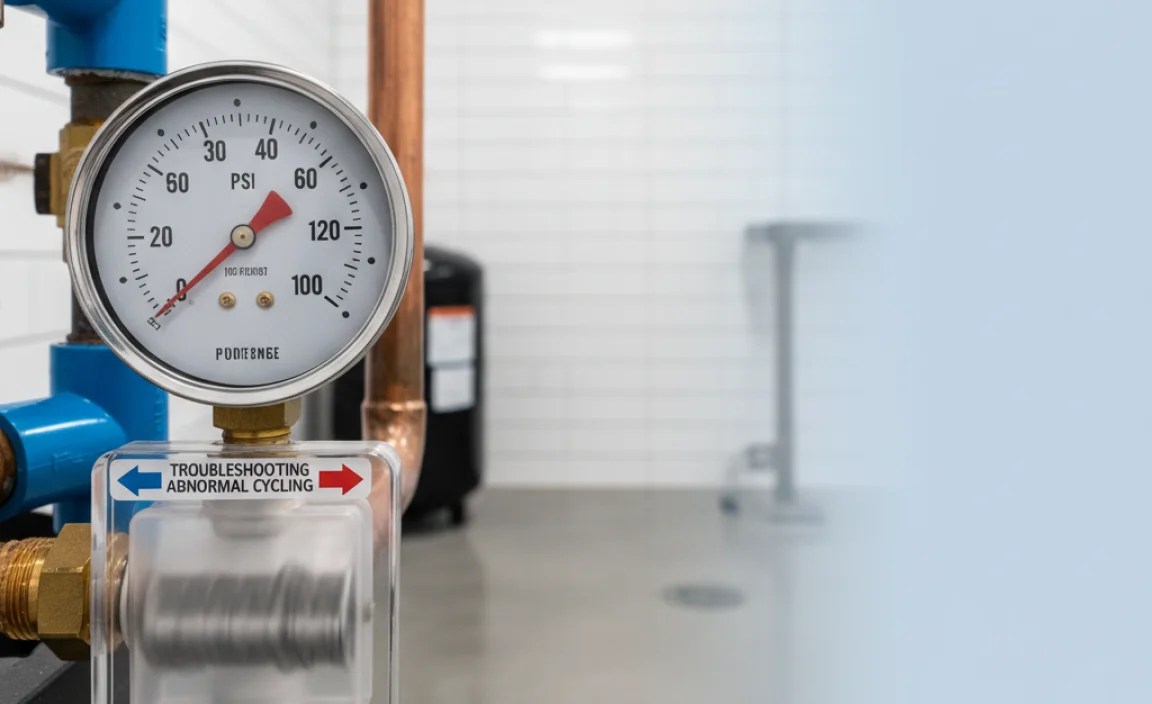
If your well pump is cycling outside the normal range, it’s time to investigate. Here’s a breakdown of common problems and how to address them:
Rapid Cycling (Short Cycling)
This is when the pump turns on and off very quickly, often every few minutes or even seconds. It’s a serious issue that can damage your pump.
Possible Causes:
- Waterlogged Pressure Tank: The most common cause. The air bladder inside the tank has lost its air charge, causing the tank to fill completely with water. This reduces the amount of stored water and forces the pump to cycle more frequently.
- Leak in the System: Even a small leak in a pipe, faucet, or toilet can cause the pressure to drop quickly, triggering the pump.
- Faulty Foot Valve or Check Valve: These valves prevent water from flowing back down the well. If they fail, water drains back, causing the pump to turn on to refill the pipes.
- Submersible Pump Too Close to the Bottom of the Well: Sediment can get sucked into the pump.
Troubleshooting Steps:
- Check the Pressure Tank: Tap on the side of the tank. If it sounds full of water from top to bottom, it’s likely waterlogged. You can also check the air pressure with a tire gauge. It should be a couple of PSI below the cut-in pressure.
- Inspect for Leaks: Check all visible pipes, faucets, and toilets for drips or signs of moisture. Don’t forget to check outside spigots.
- Listen for Running Toilets: A constantly running toilet can be a silent water waster.
- Check the Foot Valve/Check Valve: This requires shutting off the pump and draining the system. If water flows back down the well when the pump is off, the valve is likely faulty. This might be a job for a professional.
Infrequent Cycling (Long Run Times)
This is when the pump runs for extended periods and cycles very infrequently, even when water is being used.
Possible Causes:
- Oversized Pressure Tank: A very large tank can reduce cycling frequency, but this is rarely a problem unless the tank was recently replaced.
- Clogged Well Screen or Sediment Buildup: This restricts water flow into the pump, causing it to run longer to fill the tank.
- Failing Pump: As pumps age, they lose efficiency. A weak pump may struggle to maintain pressure, leading to longer run times.
- High Water Demand: Filling a swimming pool, watering a large garden, or multiple simultaneous uses can strain the system.
Troubleshooting Steps:
- Assess Water Usage: Make sure your water demand isn’t unusually high.
- Check for Clogs: If you suspect a clogged well screen, this is best left to a professional well service company.
- Monitor Pump Performance: Listen for unusual noises or vibrations. Check the water pressure. If the pressure is consistently low, the pump may be failing.
DIY vs. Professional Help
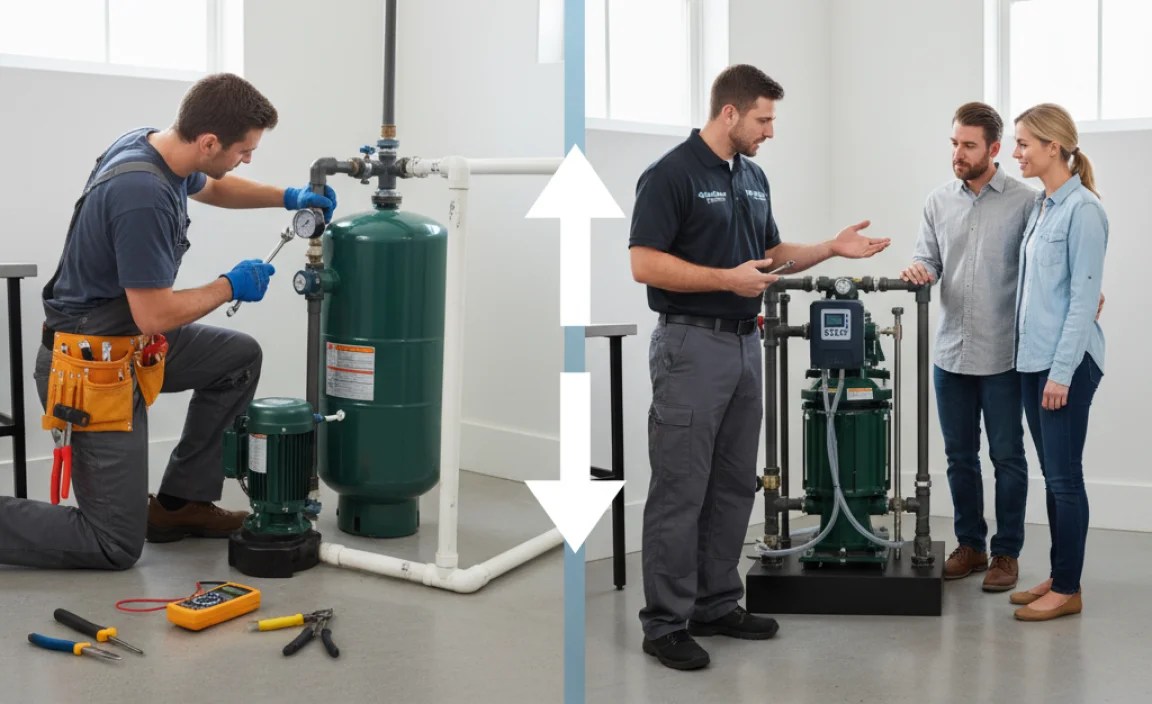
Some well pump issues, like checking for leaks or adjusting the pressure switch, can be tackled by homeowners. However, others require professional expertise.
DIY-Friendly Tasks:
- Checking pressure tank air pressure
- Inspecting for visible leaks
- Replacing a faulty pressure switch (after shutting off power!)
Call a Professional For:
- Replacing a waterlogged pressure tank (especially if it’s large or difficult to access)
- Repairing or replacing a submersible pump
- Diagnosing and repairing well screen clogs
- Any electrical work related to the pump
When in doubt, it’s always best to consult a qualified well technician. Working with water and electricity can be dangerous, and improper repairs can damage your well system.
Preventive Maintenance Tips
Regular maintenance can help prevent well pump problems and extend the life of your system:
- Annual Well Inspection: Have a professional inspect your well, pump, and pressure tank annually.
- Sediment Filter Replacement: If you have a sediment filter, replace it regularly according to the manufacturer’s instructions.
- Monitor Water Quality: Test your water periodically for bacteria, nitrates, and other contaminants.
- Protect the Wellhead: Keep the area around your wellhead clear of debris and vegetation.
Tools You Might Need
Here’s a list of tools you might need when troubleshooting or maintaining your well pump system:
- Tire Pressure Gauge: For checking the air pressure in the pressure tank.
- Wrenches: For tightening or loosening pipe fittings.
- Screwdrivers: For adjusting the pressure switch.
- Multimeter: For testing electrical components (use with caution and only if you’re comfortable with electrical work).
- Flashlight: For inspecting dark areas.
- Plumber’s Tape: For sealing pipe threads.
Understanding Pressure Tank Issues
The pressure tank is a critical component of your well system. A properly functioning pressure tank ensures consistent water pressure and reduces the frequency of pump cycles. Here’s a deeper dive into common pressure tank problems and how to address them.
Symptoms of a Failing Pressure Tank
Recognizing the signs of a failing pressure tank can help you prevent more serious problems:
- Rapid Pump Cycling: As mentioned earlier, this is a primary indicator.
- Fluctuating Water Pressure: Water pressure may surge and drop noticeably.
- Noisy Pump Operation: The pump may make unusual noises due to frequent starts and stops.
- Waterlogged Tank: The tank feels heavy and full of water when tapped.
Checking the Pressure Tank’s Air Charge
A simple test can determine if your pressure tank has lost its air charge:
- Turn off the pump: Locate the breaker for your well pump and switch it off.
- Drain the tank: Open a faucet at the lowest point in your house to drain the tank completely.
- Check the air pressure: Use a tire pressure gauge to check the air pressure at the Schrader valve (usually located on top of the tank, under a cap).
- Compare to cut-in pressure: The air pressure should be 2 PSI below the cut-in pressure of your pump. For example, if your pump’s cut-in pressure is 40 PSI, the air pressure in the tank should be 38 PSI.
- Adjust if needed: If the air pressure is too low, use an air compressor to add air until it reaches the correct pressure. If water comes out of the Schrader valve, the bladder is likely ruptured, and the tank needs to be replaced.
Pressure Tank Size Considerations
Choosing the right size pressure tank is important for optimal performance. Here’s a table to help you determine the appropriate tank size based on your pump’s horsepower and water usage:
| Pump Horsepower (HP) | Typical Tank Size (Gallons) | Household Size (Approximate) |
|---|---|---|
| 0.5 HP | 20-30 | 1-2 people |
| 0.75 HP | 30-40 | 2-4 people |
| 1 HP | 40-60 | 4-6 people |
| 1.5 HP | 60-80 | 6-8 people |
Note: This table is a general guideline. Consult with a well professional for a more precise recommendation based on your specific water usage and well characteristics.
Well Pump Cycling Frequency: A Quick Reference Table
To help you quickly assess your well pump’s cycling behavior, here’s a summary table:
| Scenario | Cycling Frequency | Possible Causes | Troubleshooting Steps |
|---|---|---|---|
| Normal water usage | 3-8 cycles per hour | Normal operation | Monitor and maintain system |
| No water usage | No cycling (or very rare) | Normal operation | Monitor and maintain system |
| Rapid cycling | More than 8 cycles per hour | Waterlogged tank, leak, faulty valve | Check tank pressure, inspect for leaks, check valves |
| Infrequent cycling | Fewer than 3 cycles per hour | Oversized tank, clog, failing pump | Assess water usage, check for clogs, monitor pump performance |
FAQ: Understanding Well Pump Cycling
Here are some frequently asked questions about well pump cycling:
Q: Why is my well pump cycling on and off even when I’m not using any water?
A: This usually indicates a leak in your system or a problem with the pressure tank. Check for leaky faucets, toilets, and pipes. If no leaks are found, the pressure tank may be waterlogged and need to be recharged or replaced.
Q: How do I check the air pressure in my pressure tank?
A: First, turn off the well pump at the breaker. Then, drain the water from the tank by opening a faucet at the lowest point in your house. Use a tire pressure gauge to check the air pressure at the Schrader valve on top of the tank. The pressure should be about 2 PSI below the pump’s cut-in pressure.
Q: What is a “waterlogged” pressure tank?
A: A waterlogged pressure tank is one where the air bladder inside has lost its air charge, causing the tank to fill completely with water. This reduces the amount of stored water and forces the pump to cycle more frequently. It often feels heavy and full when you tap on it.
Q: Can a small leak really cause my well pump to cycle frequently?
A: Yes, even a small, constant leak can cause the pressure in the tank to drop, triggering the pump to turn on frequently. A running toilet is a common culprit, as are dripping faucets or leaky pipes.
Q: How long should a well pump last?
A: With proper maintenance, a well pump can last anywhere from 10 to 15 years, or even longer. However, factors like water quality, usage frequency, and the quality of the pump itself can affect its lifespan.
Q: Is it normal for my well pump to make noise when it turns on?
A: Some noise is normal, especially with older pumps. However, loud or unusual noises, such as grinding, screeching, or banging, can indicate a problem. It’s best to have a professional inspect the pump if you notice unusual noises.
Q: Can I replace a well pump myself?
A: Replacing a well pump can be a complex and potentially dangerous task, especially for submersible pumps that are located deep inside the well. It’s generally best to hire a qualified well technician to handle pump replacements.
Conclusion
Understanding how often your well pump should cycle is crucial for maintaining a healthy and efficient water system. By monitoring your pump’s behavior, troubleshooting potential issues, and performing regular maintenance, you can extend the life of your pump and avoid costly repairs. Remember, when in doubt, don’t hesitate to consult a qualified well technician for expert advice and assistance. Keep your water flowing smoothly!
“`


