
How to Fix Pressure Loss Through Hose: Easy Fix!

Quick Summary: Pressure loss through a hose is often due to leaks at connections, damage to the hose itself, or issues with the valve or pump. To fix it, start by tightening all connections. Inspect the hose for cracks or punctures and replace if needed. Check the valve core and pump head for wear or damage. Regular maintenance and proper storage can prevent future problems.
Losing pressure through your bike pump hose is super frustrating, especially when you’re trying to get your tires just right before a ride. It feels like you’re working harder and getting nowhere. The good news is, most of the time, it’s a simple fix that you can do yourself. You don’t need to be a bike mechanic to solve this problem.
In this guide, I’ll walk you through the most common causes of pressure loss and how to address them, step-by-step. We’ll cover everything from tightening connections to inspecting the hose for damage. By the end, you’ll know exactly what to look for and how to get your pump working like new again. Let’s get started!
Understanding Why You’re Losing Pressure

Before diving into the fixes, it helps to understand why you might be experiencing pressure loss. Here are the most common culprits:
- Loose Connections: The connections between the hose, pump, valve, and tire are the most frequent source of leaks.
- Hose Damage: Cracks, punctures, or general wear and tear on the hose itself can lead to air escaping.
- Valve Issues: Problems with the valve core on your tire or the pump head can cause pressure loss.
- Pump Head Problems: The pump head might not be sealing correctly against the valve.
Tools You’ll Need

Having the right tools on hand will make the job much easier. Here’s a list of what you might need:
- Wrench or Pliers: For tightening connections.
- Screwdrivers: Both flathead and Phillips head might be needed for pump disassembly.
- Spare Hose: In case you need to replace the existing one.
- Valve Core Tool: For tightening or replacing valve cores.
- Soapy Water: To help identify leaks.
- Replacement Valve Cores: If your valve cores are damaged.
- Hose Clamps: To secure the hose to the pump.
Step-by-Step Guide to Fixing Pressure Loss

Now, let’s get into the step-by-step process of diagnosing and fixing the issue.
Step 1: Inspecting the Hose Connections
The first thing to check is all the connections in your system. These are the most common spots for leaks.
- Check the Hose-to-Pump Connection: Make sure the hose is securely attached to the pump. Use a wrench or pliers to tighten the connection, but be careful not to overtighten and strip the threads.
- Examine the Hose-to-Valve Connection: Ensure the pump head is properly seated on the tire valve. If it’s a screw-on type, make sure it’s snug. If it’s a lever-lock type, ensure it’s fully engaged and tight.
- Use Soapy Water: Apply a bit of soapy water to each connection. If you see bubbles forming, that indicates a leak.
Step 2: Examining the Hose for Damage
Next, carefully inspect the hose itself for any signs of damage.
- Visual Inspection: Look for cracks, cuts, or worn spots along the entire length of the hose. Pay close attention to areas near the connections.
- Flex the Hose: Gently bend the hose in different places to see if any cracks open up.
- Listen for Leaks: While flexing the hose, listen for any hissing sounds that might indicate air escaping.
If you find any damage to the hose, it’s best to replace it. A damaged hose will only get worse over time, and it’s not worth the frustration of constant leaks.
Step 3: Checking the Valve Core
The valve core inside your tire valve can also be a source of leaks. This is especially true for Presta valves.
- Remove the Valve Cap: Unscrew the valve cap from the tire valve.
- Tighten the Valve Core: Use a valve core tool to gently tighten the valve core. Be careful not to overtighten, as this can damage the core.
- Test for Leaks: Inflate the tire and apply soapy water to the valve. If you see bubbles, the valve core may be damaged and need replacement.
Replacing a valve core is a simple and inexpensive fix. You can find replacement cores at most bike shops or online.
Step 4: Inspecting the Pump Head
The pump head is the part that attaches to the tire valve, and it can sometimes be the source of pressure loss.
- Check the Seals: Examine the rubber seals inside the pump head for any signs of wear or damage. Replace them if necessary.
- Clean the Head: Dirt and debris can sometimes interfere with the seal. Clean the inside of the pump head with a clean cloth.
- Ensure Proper Engagement: Make sure the pump head is fully engaging with the tire valve. Some pump heads have adjustable mechanisms to ensure a tight fit.
Step 5: Cleaning and Lubricating the Hose
Sometimes, the issue isn’t a leak but friction inside the hose. Cleaning and lubricating it can help.
- Disconnect the Hose: Remove the hose from both the pump and the valve connector.
- Clean the Inside: Use a long, thin brush or pipe cleaner to clean the inside of the hose. You can also flush it with a bit of soapy water, then rinse thoroughly.
- Lubricate: Apply a small amount of silicone lubricant to the inside of the hose. This will help reduce friction and improve airflow.
- Reassemble: Reconnect the hose to the pump and valve connector, ensuring all connections are tight.
Advanced Troubleshooting
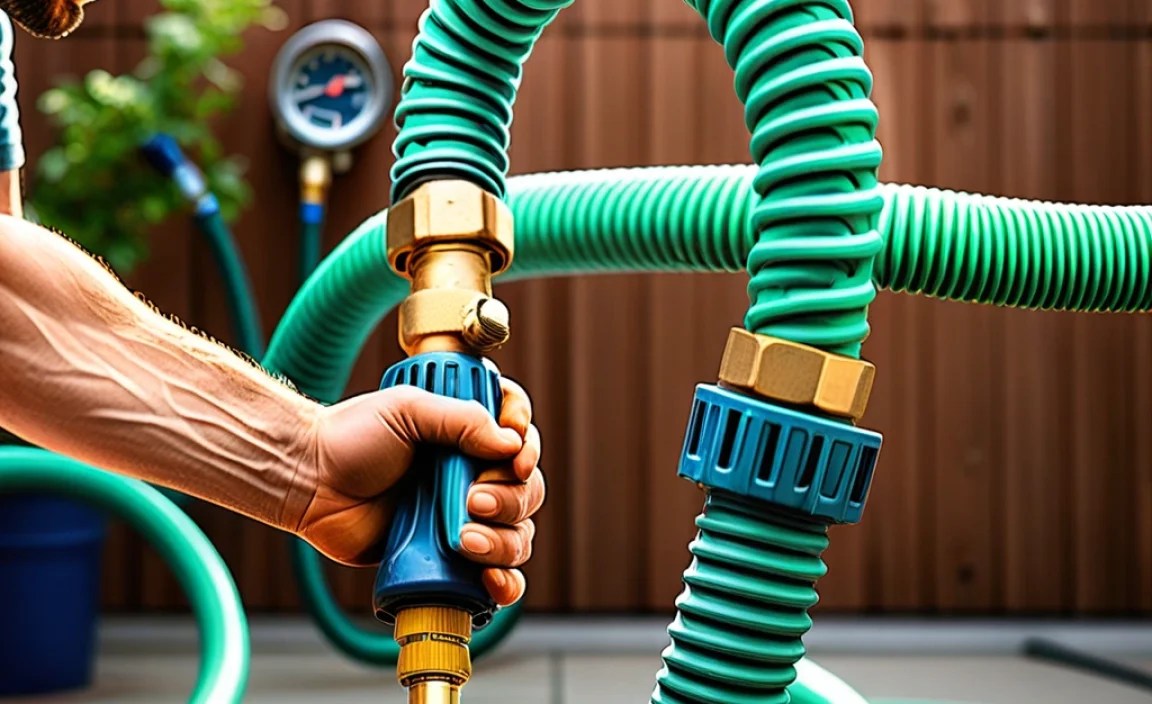
If you’ve gone through all the previous steps and are still experiencing pressure loss, here are a few more advanced things to check.
Internal Pump Issues
Sometimes the problem isn’t the hose itself, but the pump’s internal components. Here’s what to investigate:
- Check the Piston: The piston inside the pump cylinder can wear out over time. If it’s not sealing properly, you’ll lose pressure. Disassemble the pump and inspect the piston for wear. Replace if necessary.
- Inspect the Check Valve: The check valve prevents air from flowing backward. If it’s stuck or damaged, it can cause pressure loss. Clean or replace the check valve as needed.
Using Thread Seal Tape
For stubborn leaks at threaded connections, thread seal tape (also known as Teflon tape) can be a lifesaver. Here’s how to use it:
- Disconnect the Joint: Separate the two parts of the connection.
- Clean the Threads: Make sure the threads are clean and dry.
- Apply the Tape: Wrap the thread seal tape around the male threads in the direction of the thread. Overlap each layer slightly.
- Reassemble: Reconnect the joint and tighten securely.
Preventative Maintenance
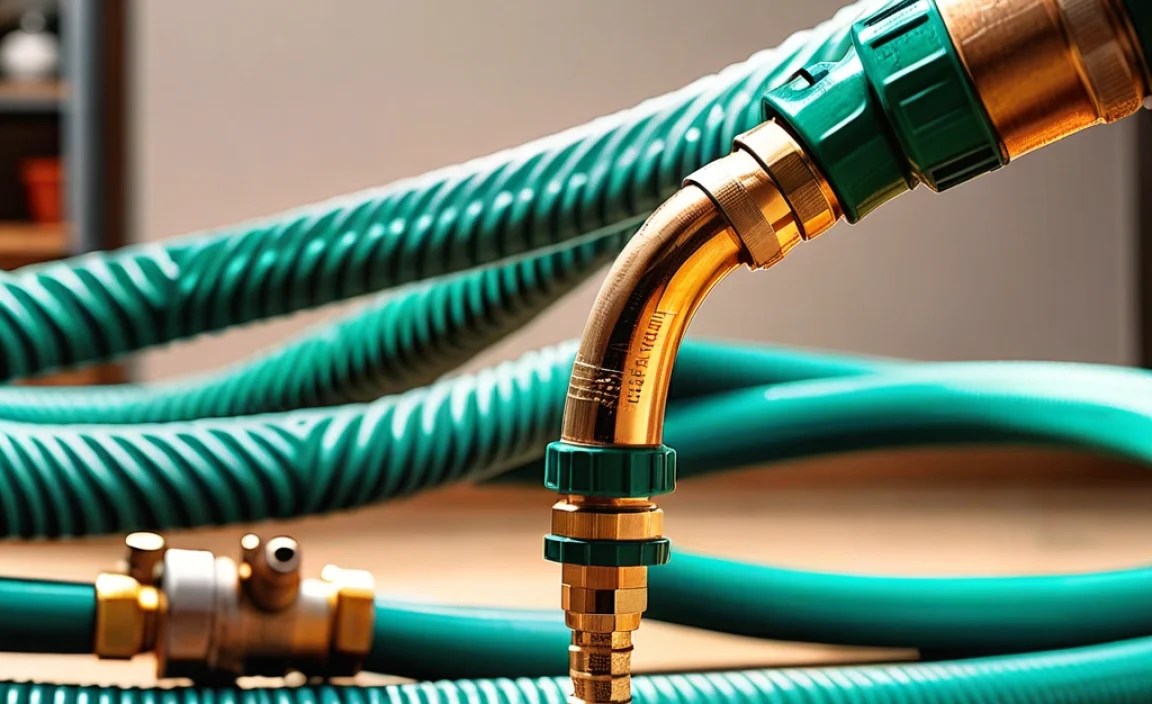
Preventing pressure loss is always better than fixing it. Here are some tips to keep your hose and pump in good condition:
- Regular Inspections: Periodically check the hose and connections for any signs of wear or damage.
- Proper Storage: Store your pump in a clean, dry place. Avoid exposing it to extreme temperatures or direct sunlight.
- Lubrication: Regularly lubricate the moving parts of your pump, including the piston and check valve.
- Use Quality Components: Invest in a high-quality pump and hose. They will last longer and perform better.
Choosing the Right Hose and Connections
When replacing a hose or connections, it’s important to choose the right components. Here’s what to look for:
- Material: Look for hoses made from durable materials like reinforced rubber or nylon.
- Compatibility: Make sure the hose and connections are compatible with your pump and tire valves.
- Reviews: Read reviews from other cyclists to get an idea of the quality and performance of different products.
Troubleshooting Chart
Here’s a quick reference chart to help you diagnose and fix common pressure loss issues:
| Problem | Possible Cause | Solution |
|---|---|---|
| Leak at hose-to-pump connection | Loose connection | Tighten the connection |
| Leak at hose-to-valve connection | Loose connection or worn seal | Tighten the connection or replace the seal |
| Leak in the hose | Cracks, cuts, or wear | Replace the hose |
| Leak at the valve core | Loose or damaged valve core | Tighten or replace the valve core |
| Pump not building pressure | Worn piston or check valve | Replace the piston or check valve |
Understanding Schrader vs. Presta Valves
Knowing the difference between Schrader and Presta valves is essential for proper inflation. Here’s a quick overview:
- Schrader Valves: These are the same type of valves you find on car tires. They are wider and more robust.
- Presta Valves: These are narrower and typically found on higher-end bikes. They require you to unscrew the valve core before inflating.
Make sure your pump head is compatible with the type of valve on your tires. Some pump heads are dual-compatible, while others require an adapter.
The Role of Sealants
If you’re using tubeless tires, sealant can play a role in preventing pressure loss. Here’s how:
- Sealing Small Punctures: Sealant can automatically seal small punctures in the tire, preventing air from escaping.
- Maintaining Pressure: Regularly check and replenish the sealant in your tires to ensure it’s effective.
However, sealant won’t fix problems with your pump hose or connections. It’s just one piece of the puzzle.
When to Call a Professional
While many pressure loss issues can be fixed at home, there are times when it’s best to consult a professional bike mechanic. Consider seeking professional help if:
- You’ve tried all the troubleshooting steps and are still experiencing pressure loss.
- You’re not comfortable disassembling the pump or working with small parts.
- You suspect there may be a more serious issue with your pump or tires.
Common Mistakes to Avoid
Here are some common mistakes to avoid when dealing with pressure loss:
- Overtightening Connections: Overtightening can damage the threads and make the problem worse.
- Using the Wrong Tools: Using the wrong tools can strip screws or damage components.
- Ignoring Small Leaks: Small leaks can quickly turn into big problems. Address them as soon as you notice them.
Pressure Loss Troubleshooting: Real-World Scenarios
Let’s walk through some common scenarios and how to handle them.
Scenario 1: Gravel Ride Interruption
Problem: You’re halfway through a gravel ride and notice your tire is losing pressure rapidly.
Solution:
- Stop and inspect the tire for punctures.
- If you find a small puncture, use a CO2 inflator to quickly re-inflate the tire (carry CO2 cartridges for emergencies).
- If the tire continues to lose pressure, insert a tire plug to seal the puncture more permanently.
- Slowly ride home, keeping an eye on the tire pressure.
Scenario 2: Commuting Flat Tire
Problem: You get a flat tire on your way to work and discover your pump isn’t working correctly.
Solution:
- Carry a spare tube for quick replacement.
- Inspect the tire for the cause of the flat (glass, nail, etc.).
- Replace the tube, ensuring it’s properly seated in the tire.
- Use your pump to inflate the tire, checking for leaks at the valve stem.
- If the pump fails, use a CO2 inflator as a backup.
Scenario 3: Home Maintenance Issues
Problem: You’re preparing for a weekend ride and discover your floor pump isn’t inflating tires efficiently.
Solution:
- Check the pump hose for cracks or leaks.
- Inspect the pump head for wear on the rubber seals.
- Disassemble the pump to check the piston and cylinder for damage.
- Clean and lubricate all moving parts to ensure smooth operation.
Advanced Techniques: Tubeless Setups and Sealants
For tubeless tire setups, sealants are critical for maintaining pressure. Here are some tips for effective sealant use.
- Choose the Right Sealant: Select a sealant compatible with your tires and riding conditions.
- Regular Replenishment: Add fresh sealant every few months to ensure it remains effective.
- Check Sealant Levels: Periodically check the sealant level inside the tire and add more as needed.
- Sealant Injection: Use a sealant injector to add sealant without removing the tire.
FAQ: Fixing Pressure Loss Through Hose
Here are some frequently asked questions about fixing pressure loss through a hose:
- Why is my bike tire losing air even after I pump it up?
- This could be due to a slow leak in the tire, a faulty valve core, or a poor seal between the pump head and the valve. Check each of these areas to identify the source of the leak.
- How often should I replace my bike pump hose?
- It depends on how often you use your pump and the quality of the hose. Inspect it regularly for cracks or wear, and replace it as soon as you notice any damage.
- Can I use any type of hose for my bike pump?
- No, you should use a hose specifically designed for bike pumps. These hoses are made from durable materials and are designed to withstand high pressures.
- What’s the best way to store my bike pump to prevent damage?
- Store your pump in a cool, dry place, away from direct sunlight and extreme temperatures. This will help prevent the hose from drying out and cracking.
- How do I know if my valve core is leaking?
- Apply soapy water to the valve core. If you see bubbles forming, it’s likely leaking and needs to be tightened or replaced.
- Is it normal for a bike tire to lose some pressure over time?
- Yes, it’s normal for tires to lose a bit of pressure over time due to the natural permeability of the rubber. Check and inflate your tires regularly to maintain the correct pressure.
- What is thread seal tape, and how can it help?
- Thread seal tape (Teflon tape) is a thin tape used to create a tighter seal on threaded connections, such as where the hose connects to the pump or valve. It helps prevent air leaks by filling in any gaps in the threads.
Conclusion
Fixing pressure loss through your bike pump hose doesn’t have to be a headache. By following these steps, you can quickly diagnose and resolve most common issues. Remember to regularly inspect your equipment, keep it clean and lubricated, and replace worn parts as needed. With a little bit of maintenance, you can keep your tires properly inflated and enjoy smooth, hassle-free rides.
Now you’re equipped to handle those frustrating leaks and get back to enjoying your time on two wheels. Happy cycling!


