
What’s Causing My New Heat Pump to Short Cycle? A Simple Guide

Quick Summary: A heat pump short cycles when it turns on and off too frequently, failing to complete a normal heating or cooling cycle. Common causes include a dirty air filter restricting airflow, an oversized heat pump for the space, refrigerant leaks, electrical issues, or a faulty thermostat. Addressing these issues promptly prevents damage and ensures efficient operation.
Is your brand-new heat pump acting up, turning on and off way too often? It’s a frustrating problem called “short cycling,” and it means your heat pump isn’t running as it should. This not only makes your home uncomfortable but can also damage your system over time. Don’t worry, though! Figuring out why this is happening and how to fix it is often straightforward. This guide will walk you through the most common reasons for short cycling and provide simple steps to get your heat pump back on track, saving you money and keeping your home comfortable.
Understanding Heat Pump Short Cycling

Short cycling is when your heat pump starts a heating or cooling cycle but shuts down before completing it. Instead of running for a normal period (usually 15-20 minutes), it might only run for a few minutes before turning off and then quickly turning back on again. This constant on-off pattern puts extra strain on the system and prevents it from efficiently heating or cooling your home.
Why is Short Cycling Bad?
Short cycling isn’t just annoying; it can cause real problems:
- Reduced Efficiency: Your heat pump uses the most energy when it starts up. Short cycles mean more start-ups, wasting energy and increasing your utility bills.
- Increased Wear and Tear: Frequent starts and stops put extra stress on the components of your heat pump, leading to premature failure and costly repairs.
- Uneven Heating and Cooling: Short cycles prevent your home from reaching a consistent temperature, resulting in uncomfortable hot or cold spots.
- Higher Repair Costs: Over time, the added stress on your system can lead to major component failures, resulting in expensive repair bills.
Common Causes of Heat Pump Short Cycling

Let’s dive into the most common culprits behind heat pump short cycling. Understanding these causes is the first step to fixing the problem.
1. Dirty Air Filter
A dirty air filter is one of the most frequent causes of short cycling. The filter’s job is to trap dust, pollen, and other particles, preventing them from entering your heat pump. When the filter becomes clogged, it restricts airflow, making it harder for the heat pump to do its job.
How it causes short cycling: Reduced airflow can cause the heat pump to overheat or the pressure to drop too low, triggering a safety switch that shuts down the system. The system then restarts when the temperature or pressure returns to a normal range, leading to a short cycle.
The Fix: Check your air filter monthly and replace it when it’s dirty. A clean filter ensures proper airflow and helps your heat pump run efficiently. Most filters should be replaced every 1-3 months, depending on usage and air quality. Consider upgrading to a higher-quality filter for better filtration and less frequent changes.
Here is a general guideline for filter replacement frequency:
- Fiberglass filters: every month
- Pleated filters: every 3 months
- HEPA filters: every 6-12 months
2. Oversized Heat Pump
Sometimes, the problem isn’t a malfunction but a mismatch between the heat pump’s capacity and the size of your home. An oversized heat pump has more power than needed to heat or cool your space.
How it causes short cycling: An oversized unit quickly reaches the desired temperature and shuts off. Because it cools or heats the space so rapidly, the thermostat soon calls for more heating or cooling, causing the unit to turn back on again, resulting in short cycles.
The Fix: Unfortunately, this is a more complex issue. The best solution is to have a qualified HVAC technician perform a load calculation to determine the correct size heat pump for your home. If the unit is indeed oversized, you might need to replace it with a smaller one. While this is a significant investment, it will improve efficiency and prevent future problems. Consider getting multiple quotes and discussing the long-term benefits with the technician.
3. Refrigerant Leaks
Refrigerant is the lifeblood of your heat pump, responsible for transferring heat in and out of your home. If there’s a leak, the system won’t have enough refrigerant to operate correctly.
How it causes short cycling: Low refrigerant levels can cause the heat pump to work harder, leading to overheating and triggering safety switches. The system will then shut down and restart as the pressure fluctuates, resulting in short cycles.
The Fix: Refrigerant leaks require professional attention. Contact a qualified HVAC technician to locate and repair the leak. They will also need to recharge the system with the correct amount of refrigerant. Attempting to handle refrigerant yourself is dangerous and illegal.
4. Electrical Issues
Electrical problems can also cause a heat pump to short cycle. These issues can range from loose wiring to a failing capacitor.
How it causes short cycling: Electrical problems can interrupt the power supply to the heat pump, causing it to shut down unexpectedly. When the power is restored, the system restarts, leading to short cycles.
The Fix: Electrical issues should always be handled by a qualified electrician or HVAC technician. They can diagnose the problem and make the necessary repairs. Never attempt to repair electrical components yourself unless you have the proper training and experience.
5. Faulty Thermostat
The thermostat is the control center of your heating and cooling system. If it’s not working correctly, it can send incorrect signals to the heat pump, causing it to short cycle.
How it causes short cycling: A faulty thermostat might not accurately read the temperature in your home, causing it to turn the heat pump on and off prematurely. It may also have loose connections or internal damage that disrupts its operation.
The Fix: First, check the thermostat’s batteries and replace them if necessary. If that doesn’t solve the problem, try resetting the thermostat to its factory settings. If the issue persists, you may need to replace the thermostat. Consider upgrading to a smart thermostat, which offers more precise temperature control and energy-saving features. Here’s a table summarizing thermostat types:
| Thermostat Type | Description | Pros | Cons |
|---|---|---|---|
| Manual Thermostat | Simple, non-programmable thermostat with a dial or slider. | Low cost, easy to use. | Not energy-efficient, requires manual adjustments. |
| Programmable Thermostat | Allows you to set different temperatures for different times of the day. | Energy-efficient, saves money on utility bills. | Can be complicated to program. |
| Smart Thermostat | Connects to your home’s Wi-Fi network and can be controlled remotely. | Highly energy-efficient, remote control, learning capabilities. | Higher cost, requires Wi-Fi. |
6. Frozen Evaporator Coil
The evaporator coil is located inside your heat pump and is responsible for absorbing heat from the air. If it becomes frozen, it can cause the system to short cycle.
How it causes short cycling: A frozen evaporator coil restricts airflow and reduces the system’s ability to transfer heat. This can cause the heat pump to overheat and shut down. The system will then restart as the coil thaws, leading to short cycles.
The Fix: A frozen evaporator coil is often caused by a lack of airflow or low refrigerant levels. Check your air filter and replace it if it’s dirty. If the problem persists, contact a qualified HVAC technician to check for refrigerant leaks and other issues.
7. Clogged Condensate Drain
Heat pumps produce condensation, which is drained away through a condensate drain line. If this line becomes clogged, it can cause water to back up and trigger a safety switch, shutting down the system.
How it causes short cycling: A clogged condensate drain can cause the heat pump to shut down due to a safety mechanism that prevents water damage. The system will then restart when the water level drops, leading to short cycles.
The Fix: Locate the condensate drain line and check for any clogs. You can try using a wet/dry vacuum to clear the line. You can also pour a cup of vinegar down the drain line to help dissolve any buildup. Regular maintenance can prevent future clogs.
Troubleshooting Steps
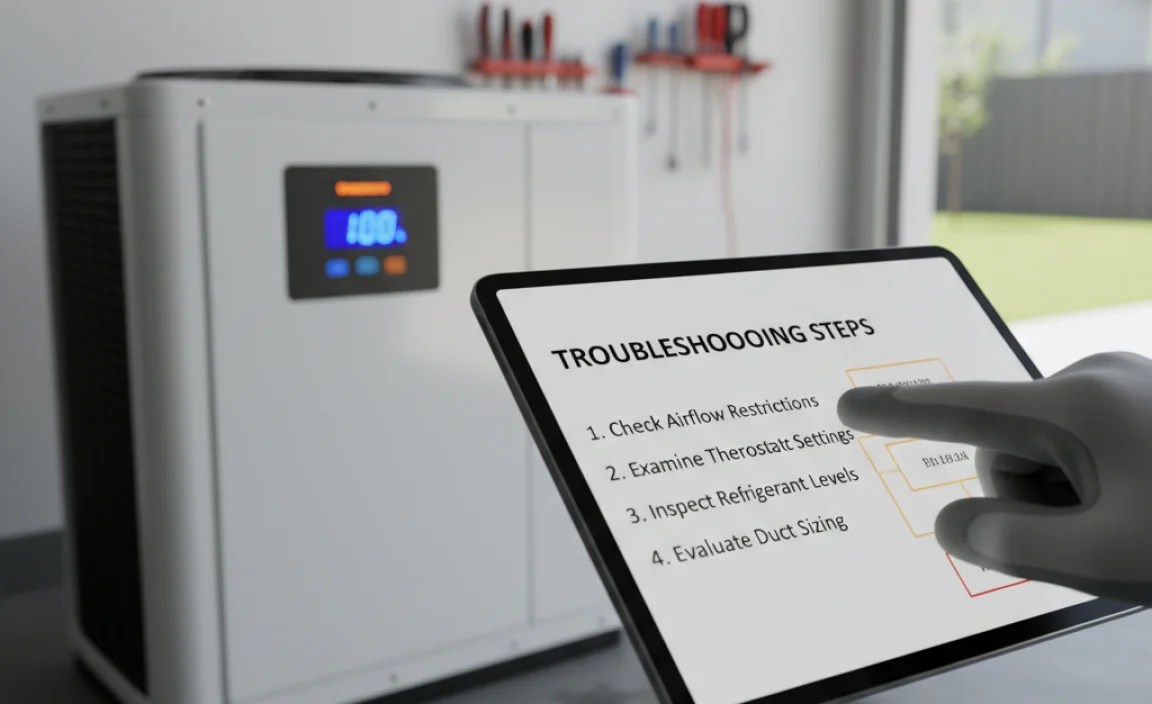
Before calling a professional, try these troubleshooting steps to see if you can resolve the short cycling issue yourself.
- Check the Air Filter: Replace it if it’s dirty.
- Check the Thermostat: Ensure it’s set correctly and the batteries are good.
- Check the Outdoor Unit: Make sure it’s free of debris and snow.
- Reset the System: Turn off the heat pump at the breaker for 30 minutes, then turn it back on.
When to Call a Professional

If you’ve tried the troubleshooting steps and your heat pump is still short cycling, it’s time to call a qualified HVAC technician. Here are some situations that require professional help:
- Refrigerant leaks
- Electrical issues
- Frozen evaporator coil
- Oversized heat pump
- Complex repairs
Preventive Maintenance Tips
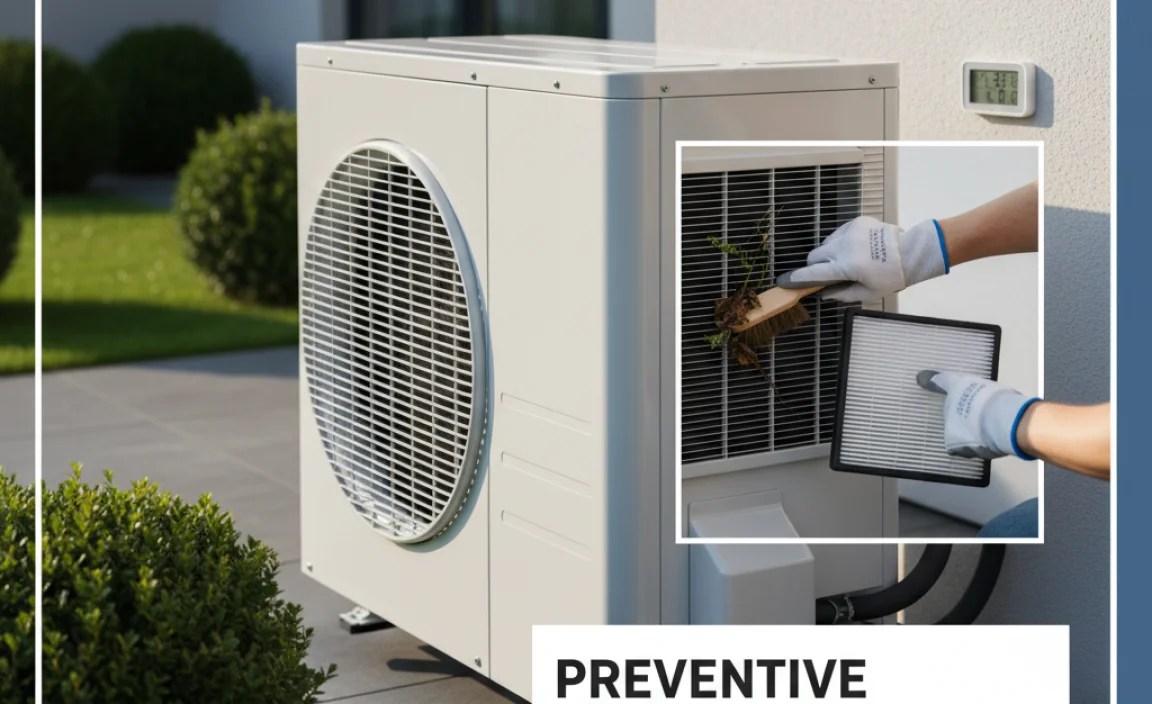
Regular maintenance can help prevent short cycling and other problems with your heat pump. Here are some tips to keep your system running smoothly:
- Change the Air Filter Regularly: As mentioned earlier, this is crucial for maintaining proper airflow.
- Schedule Professional Tune-Ups: Have a qualified HVAC technician inspect and service your heat pump at least once a year.
- Keep the Outdoor Unit Clean: Remove any debris, leaves, or snow that may accumulate around the unit.
- Monitor System Performance: Pay attention to any unusual noises, smells, or changes in performance.
Understanding Heat Pump Efficiency
Heat pump efficiency is rated using two main metrics: Heating Seasonal Performance Factor (HSPF) and Seasonal Energy Efficiency Ratio (SEER). HSPF measures heating efficiency, while SEER measures cooling efficiency. Higher ratings indicate greater efficiency.
Here’s a breakdown of what these ratings mean:
- HSPF (Heating Seasonal Performance Factor): Measures the heating efficiency of a heat pump over an entire heating season. The higher the HSPF rating, the more efficient the heat pump is at heating your home. Modern heat pumps typically have HSPF ratings between 8 and 13.
- SEER (Seasonal Energy Efficiency Ratio): Measures the cooling efficiency of a heat pump during a typical cooling season. The higher the SEER rating, the more efficient the heat pump is at cooling your home. Modern heat pumps typically have SEER ratings between 14 and 22 or higher.
When purchasing a new heat pump, consider these ratings to ensure you’re getting an energy-efficient model. Look for models with high HSPF and SEER ratings to save money on your utility bills and reduce your carbon footprint. Also, consider models that are Energy Star certified, as these meet strict energy efficiency guidelines set by the Environmental Protection Agency (EPA) [1].
Heat Pump Lifespan and Replacement
Heat pumps typically last between 10 and 15 years, depending on usage, maintenance, and environmental conditions. Proper maintenance can extend the lifespan of your heat pump, while neglect can shorten it.
Here are some signs that it may be time to replace your heat pump:
- Age: If your heat pump is more than 15 years old, it may be nearing the end of its lifespan.
- Frequent Repairs: If you’re constantly repairing your heat pump, it may be more cost-effective to replace it.
- Decreased Efficiency: If your energy bills are increasing even though your usage hasn’t changed, your heat pump may be losing efficiency.
- Uneven Heating and Cooling: If your home has hot or cold spots, your heat pump may not be able to distribute air evenly.
When replacing your heat pump, consider upgrading to a more energy-efficient model. Modern heat pumps offer significant improvements in efficiency and performance compared to older models. Consult with a qualified HVAC technician to determine the best heat pump for your home and budget. They can assess your heating and cooling needs and recommend a system that meets your requirements.
FAQ About Heat Pump Short Cycling
Here are some frequently asked questions about heat pump short cycling:
- Why is my new heat pump turning on and off so quickly?
- A new heat pump might short cycle due to a dirty air filter, being oversized for your home, low refrigerant levels, electrical issues, or a faulty thermostat.
- Can a dirty air filter cause short cycling?
- Yes, a dirty air filter restricts airflow, causing the heat pump to overheat and shut down prematurely.
- How often should I change my air filter?
- Check your air filter monthly and replace it every 1-3 months, or more often if you have pets or allergies.
- Is it normal for a heat pump to cycle on and off?
- It’s normal for a heat pump to cycle, but not rapidly. A normal cycle lasts 15-20 minutes. Short cycling is when it turns on and off much more frequently.
- What should I do if my heat pump is short cycling?
- First, check and replace the air filter. Then, check the thermostat settings. If the problem persists, call an HVAC technician.
- Can low refrigerant cause short cycling?
- Yes, low refrigerant levels can cause the heat pump to work harder, leading to overheating and short cycling.
- How can I prevent heat pump short cycling?
- Regular maintenance, including changing the air filter, scheduling professional tune-ups, and keeping the outdoor unit clean, can help prevent short cycling.
Conclusion
Dealing with a heat pump that’s short cycling can be a headache, but understanding the potential causes is half the battle. By regularly checking and replacing your air filter, ensuring your thermostat is working correctly, and keeping an eye on the overall performance of your system, you can often prevent short cycling from happening in the first place. If the problem persists or involves more complex issues like refrigerant leaks or electrical problems, don’t hesitate to call in a professional. A well-maintained heat pump not only keeps your home comfortable but also saves you money on energy bills and extends the life of your equipment. Take the time to address short cycling issues promptly, and you’ll enjoy a more efficient and reliable heating and cooling system for years to come.
“`


