
How to Fix Air Leaking From Gauge: Easy Guide

Have you ever used an air compressor? It helps fill tires and power tools. But what if you hear a hissing sound? It could mean air is leaking. Do you know how to fix air leaking from gauge? It can be a simple fix. Let’s learn how to solve this problem.
Air leaks can waste energy. They also make your tools work harder. Finding and fixing leaks saves time and money. It also keeps your equipment in good shape. Keep reading to learn the steps.
Key Takeaways
- Knowing how to fix air leaking from gauge saves you time and money.
- Always disconnect the power before working on your air compressor.
- Check all connections and fittings for tightness and damage.
- Use soapy water to find the exact spot of the air leak.
- Replace damaged parts like the gauge or fittings to stop leaks.
How to Find Air Leaks in Your Gauge

Finding air leaks is the first step. It is like being a detective. You need to look and listen carefully. Air leaks often make a hissing sound. This sound can help you find the leak’s location. Start by checking the gauge. The gauge is the part that shows the air pressure. Look at where the gauge connects to the compressor. Feel around the connections with your hand. You might feel air escaping. You can also use soapy water. Spray soapy water on the connections. If there is a leak, bubbles will form. These bubbles show exactly where the air is escaping. Mark the spot with a pen or marker. This will help you remember where to fix it later. Finding the leak is half the battle! Take your time and be thorough.
- Listen for hissing sounds around the gauge.
- Check the gauge connections for tightness.
- Use soapy water to find small leaks.
- Look for bubbles forming near the gauge.
- Mark the leak’s location for easy repair.
Once you find the leak, think about what might have caused it. Was the gauge bumped or damaged? Are the connections old and worn out? Knowing the cause can help you prevent future leaks. Sometimes, the leak is simply due to a loose connection. Other times, a part may need to be replaced. Remember to always disconnect the power before you start working on your air compressor. Safety is very important. By finding and understanding the cause of the leak, you’re one step closer to how to fix air leaking from gauge. This keeps your compressor working well.
Fun Fact or Stat: Air leaks can waste up to 30% of a compressor’s output! Fixing them improves efficiency.
Why Is Air Leaking From My Gauge?
Why does air leak from the gauge in the first place? It could be due to several reasons. One common reason is loose connections. Over time, vibrations can loosen the fittings. This creates a gap where air can escape. Another reason could be worn-out parts. The rubber seals inside the gauge can dry out and crack. This also allows air to leak. Sometimes, the gauge itself is damaged. If it has been bumped or dropped, it might have a crack. This crack can let air escape. Also, dirt and debris can get into the connections. This can prevent a tight seal. Understanding these reasons helps you figure out how to fix air leaking from gauge. Always check each possibility to find the real problem.
How Can I Use Soapy Water to Find Leaks?
Using soapy water is a simple trick. It helps you find even the smallest air leaks. First, mix some soap with water. Dish soap works well. Put the soapy water in a spray bottle. Then, spray the soapy water on the area you want to check. This includes the gauge and its connections. Watch closely for bubbles to form. Bubbles mean that air is escaping. The escaping air is pushing the soapy water outwards. This creates the bubbles you see. The bigger the bubbles, the bigger the leak. This method is very effective and easy to do. It’s a great way to pinpoint exactly where how to fix air leaking from gauge is needed.
What Tools Do I Need to Fix the Leak?
Before you start fixing the leak, gather your tools. You will likely need a wrench. The wrench helps tighten the connections. Make sure you have the right size wrench. An adjustable wrench can also work. You might also need Teflon tape. Teflon tape helps seal the connections. It prevents air from leaking out. A screwdriver might be needed to remove parts. Have a replacement gauge on hand. If the old gauge is broken, you will need to replace it. Safety glasses are also important. They protect your eyes from debris. Having the right tools makes the job easier and safer. Knowing how to fix air leaking from gauge is easier with the correct equipment.
Tightening Connections on the Air Gauge

Tightening connections is often the easiest fix. Loose connections are a common cause of air leaks. First, use a wrench to gently tighten the fittings. Turn the wrench clockwise to tighten. Be careful not to overtighten. Overtightening can damage the fittings. Tighten until the fitting feels snug. Then, check for leaks again. Use the soapy water trick to check. If you still see bubbles, the connection might need more attention. You might need to remove the fitting and reapply Teflon tape. Teflon tape helps create a tighter seal. Make sure the tape is wrapped in the right direction. Wrap it so that tightening the fitting will tighten the tape. Tightening connections is a simple way for how to fix air leaking from gauge.
- Use a wrench to tighten the fittings.
- Turn the wrench clockwise to tighten.
- Avoid overtightening the connections.
- Check for leaks after tightening.
- Reapply Teflon tape if needed.
Sometimes, the threads on the fittings are damaged. If this is the case, tightening might not help. You might need to replace the fitting. Before replacing, try cleaning the threads. Use a wire brush to remove any dirt or rust. This can help the fitting seal better. When reapplying Teflon tape, wrap it around the threads several times. This creates a thicker seal. Make sure the tape covers all the threads. After tightening, double-check for leaks. If the leak is still there, it’s time to consider replacing the gauge or fitting. Don’t forget to disconnect the power before working. Knowing how to fix air leaking from gauge involves careful steps and safety.
Fun Fact or Stat: Teflon tape is also called PTFE tape. It’s used in plumbing and air compression for sealing threads.
How Tight Should I Make the Connections?
Knowing how tight to make the connections is key. Too loose, and air will leak. Too tight, and you risk damage. The goal is to make the connection snug. Snug means tight enough to seal but not strained. When using a wrench, apply steady pressure. Turn until you feel resistance. Then, give it a little extra turn. This should be enough to seal the connection. If you are not sure, it’s better to err on the side of caution. Start with a gentle tightening. Then, check for leaks. If needed, tighten a little more. Practice makes perfect. With experience, you’ll learn how to fix air leaking from gauge just right.
What If Tightening Doesn’t Stop the Leak?
If tightening doesn’t stop the leak, don’t give up. It means the problem is more than just a loose connection. The next step is to inspect the fitting closely. Look for any signs of damage. Are the threads stripped? Is the fitting cracked? If you see damage, the fitting needs to be replaced. Also, check the Teflon tape. Is it old or worn out? If so, remove the old tape and apply new tape. Make sure to wrap the tape in the correct direction. If you still have a leak after these steps, the gauge itself might be faulty. Consider replacing the gauge to completely how to fix air leaking from gauge issue.
Can I Use Thread Sealant Instead of Teflon Tape?
Yes, you can use thread sealant instead of Teflon tape. Thread sealant is a liquid or paste. It fills the gaps between the threads. This creates a tight seal. Apply the sealant to the threads. Make sure to cover all the threads evenly. Then, tighten the fitting as usual. Be careful not to use too much sealant. Too much sealant can make it hard to tighten the fitting. It can also make a mess. Some people prefer thread sealant over Teflon tape. It can be easier to apply. However, both work well. Choose the one you are most comfortable using. Both can help with how to fix air leaking from gauge.
Replacing a Damaged Air Gauge

Sometimes, the air gauge is the problem. If it’s cracked or broken, it needs to be replaced. First, buy a new gauge. Make sure the new gauge is the right size and type. Match it to the old gauge. Then, disconnect the power to the air compressor. This is very important for safety. Next, use a wrench to remove the old gauge. Turn the wrench counterclockwise to loosen it. Be careful not to damage the surrounding parts. Once the old gauge is removed, clean the threads. Use a wire brush to remove any dirt or rust. Apply Teflon tape to the threads of the new gauge. Then, screw the new gauge into place. Tighten it with a wrench. Check for leaks with soapy water. Replacing a damaged gauge is essential for how to fix air leaking from gauge.
| Part | Description | Why Replace? |
|---|---|---|
| Air Gauge | Displays air pressure | Cracked, broken, inaccurate |
| Fittings | Connect gauge to compressor | Damaged threads, leaks |
| Teflon Tape | Seals connections | Old, worn out, ineffective |
| Safety Valve | Releases excess pressure | Faulty, leaking air |
- Buy a new gauge that matches the old one.
- Disconnect the power before starting.
- Remove the old gauge carefully.
- Clean the threads and apply Teflon tape.
- Install the new gauge and tighten it.
- Check for leaks with soapy water.
When installing the new gauge, make sure it is facing the right direction. You want to be able to read the pressure easily. Don’t overtighten the new gauge. Overtightening can damage the threads. Tighten it until it is snug. If you are not sure, check the manufacturer’s instructions. Some gauges have specific torque requirements. Torque is a measure of how tight the gauge should be. Using a torque wrench can help you tighten it to the correct level. Always double-check for leaks after installing the new gauge. If you still have a leak, there might be another problem. Replacing the gauge is a big step in how to fix air leaking from gauge.
Fun Fact or Stat: Air gauges measure pressure in PSI (pounds per square inch) or Bar (metric unit).
How Do I Choose the Right Replacement Gauge?
Choosing the right replacement gauge is important. First, check the pressure range of the old gauge. The new gauge should have the same pressure range. This ensures it can accurately measure the pressure. Also, check the size of the threads. The new gauge needs to have the same thread size. This allows it to screw into the fitting. If you are not sure, take the old gauge to the store. Compare it to the new gauges. A store employee can help you find the right match. Online stores also have detailed descriptions. Look for the pressure range and thread size. Getting the right gauge ensures proper how to fix air leaking from gauge process.
What If the New Gauge Still Leaks?
If the new gauge still leaks, there could be another issue. Double-check the Teflon tape. Make sure it is wrapped correctly. Also, inspect the fitting where the gauge connects. It might be damaged. If so, replace the fitting as well. Sometimes, the leak is not at the gauge itself. It could be at another connection nearby. Use soapy water to check all the connections. If you still can’t find the leak, consider taking the air compressor to a professional. They have the tools and experience to find and fix tough leaks. Remember, patience is key when how to fix air leaking from gauge.
Can I Calibrate the New Gauge Myself?
Calibrating a new gauge yourself can be tricky. Calibration means making sure the gauge reads accurately. Some gauges have a calibration screw. You can adjust this screw to fine-tune the reading. However, you need a reference gauge to compare it to. A reference gauge is a gauge that is known to be accurate. If you don’t have a reference gauge, it’s best not to try calibrating it yourself. An inaccurate gauge can be dangerous. It can lead to over-inflation or under-inflation. If you are concerned about accuracy, take the air compressor to a professional for calibration. Accurate readings are crucial for safe how to fix air leaking from gauge.
Using Teflon Tape to Seal Connections

Teflon tape is a simple but effective tool. It helps seal threaded connections. It prevents air and liquids from leaking. To use Teflon tape, start by cleaning the threads. Remove any dirt or rust. Then, wrap the tape around the threads. Wrap it in the direction that tightens the fitting. Usually, this means wrapping clockwise. Overlap the tape slightly with each wrap. This creates a thicker seal. Apply several layers of tape. Three to four layers is usually enough. Make sure the tape covers all the threads. Then, tighten the fitting. The Teflon tape will fill the gaps between the threads. This creates a tight, leak-proof seal. Teflon tape is essential for how to fix air leaking from gauge.
- Clean the threads before applying tape.
- Wrap the tape clockwise around the threads.
- Overlap the tape slightly with each wrap.
- Apply three to four layers of tape.
- Cover all the threads with tape.
When applying Teflon tape, be careful not to stretch it too much. Stretching the tape can make it thin and weak. Also, avoid getting the tape dirty. Dirt can prevent a good seal. If the tape gets dirty, throw it away and start with a new piece. After tightening the fitting, check for leaks. Use the soapy water trick to check. If you still see leaks, you might need to remove the fitting and reapply the tape. Sometimes, the threads are too damaged for Teflon tape to work. In this case, you might need to replace the fitting. Always use fresh Teflon tape for the best results. Knowing how to fix air leaking from gauge includes proper tape application.
Fun Fact or Stat: Teflon tape comes in different colors. White is for general use, yellow is for gas lines, and pink is for water lines.
How Many Layers of Teflon Tape Should I Use?
The right number of Teflon tape layers is important. Too few layers, and it might not seal. Too many layers, and it can be hard to tighten the fitting. A good rule of thumb is to use three to four layers. This provides enough thickness to fill the gaps. When wrapping the tape, overlap each layer slightly. This creates a consistent seal. If you are working with old or damaged threads, you might need to use more layers. However, be careful not to overdo it. Experiment to find the right amount for your situation. Proper tape application is key for how to fix air leaking from gauge.
Can I Reuse Teflon Tape?
No, you should not reuse Teflon tape. Once Teflon tape has been compressed, it loses its ability to seal. When you remove a fitting, the tape will be flattened and distorted. It won’t be able to conform to the threads again. Also, the old tape might be dirty or damaged. Using old tape can actually make the leak worse. Always use fresh Teflon tape when sealing connections. It’s a small price to pay for a reliable seal. Using new tape ensures a good seal and helps with how to fix air leaking from gauge.
What Is the Best Way to Wrap Teflon Tape?
The best way to wrap Teflon tape is to wrap it clockwise. Hold the fitting in your left hand. Start wrapping the tape from the bottom of the threads. Overlap each layer slightly. Keep the tape tight as you wrap. This ensures a good seal. If you are not sure which direction to wrap, think about which way you will tighten the fitting. Wrap the tape so that tightening the fitting will tighten the tape. This will prevent the tape from unraveling. Correct wrapping improves your ability to how to fix air leaking from gauge.
Checking Other Air Compressor Components
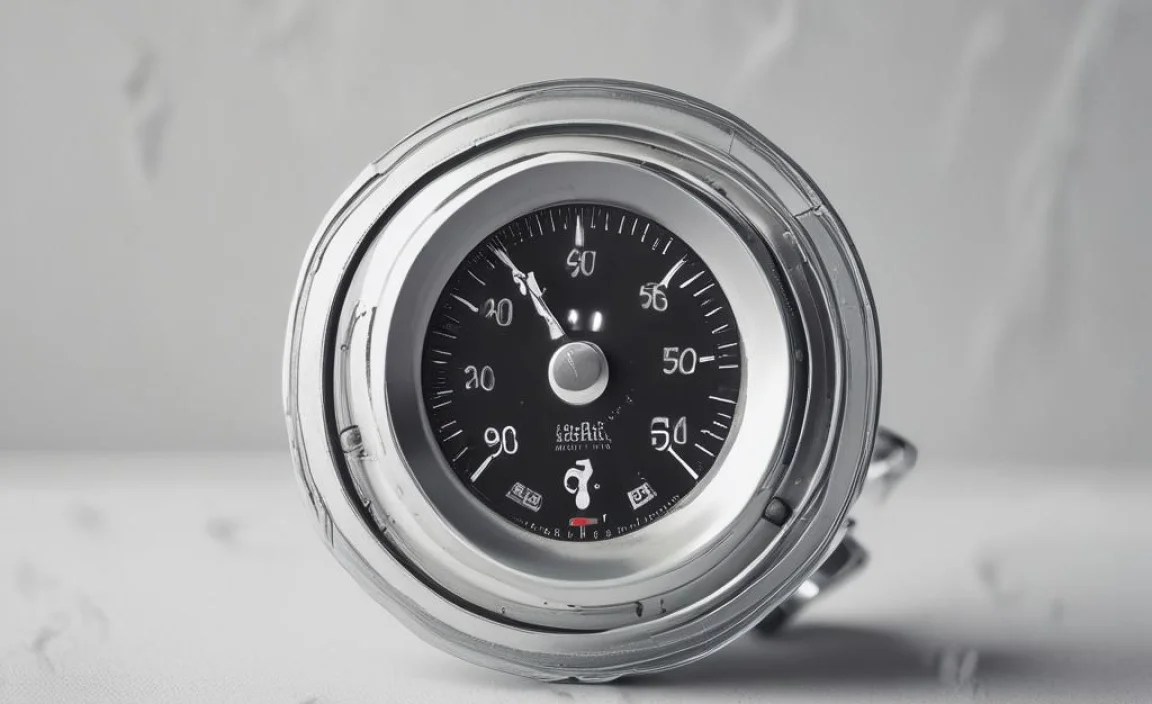
Sometimes, the leak isn’t from the gauge itself. It could be coming from another part of the air compressor. Check the air tank for leaks. Look for rust or damage. Rust can weaken the tank and cause leaks. Also, check the hoses and fittings. Make sure they are tight and in good condition. The safety valve is another important part to check. The safety valve releases excess pressure. If it’s leaking, it might be faulty. Finally, check the drain valve. The drain valve removes water from the tank. If it’s leaking, it needs to be tightened or replaced. Checking all components is important for how to fix air leaking from gauge.
- Inspect the air tank for rust and damage.
- Check the hoses and fittings for tightness.
- Examine the safety valve for leaks.
- Check the drain valve for leaks.
- Listen for hissing sounds from other parts.
When checking the air tank, pay close attention to the welds. Welds are the joints where the metal pieces are joined together. Welds can sometimes crack or weaken. Use soapy water to check for leaks around the welds. If you find a leak in the tank, it’s best to take it to a professional for repair. Repairing a tank requires special skills and equipment. Don’t attempt to repair it yourself. A leaking tank can be dangerous. Regular maintenance can help prevent leaks. Drain the tank regularly to remove water. This prevents rust from forming. Checking all components is a key part of how to fix air leaking from gauge.
Fun Fact or Stat: Air compressor tanks should be drained regularly. This prevents rust and extends their lifespan.
Why Is My Air Tank Leaking?
Air tanks leak for several reasons. Rust is a common cause. Water can accumulate in the tank. This water causes rust to form. The rust weakens the metal. Eventually, the tank can develop leaks. Another reason is physical damage. If the tank is bumped or dropped, it can crack. Welds can also fail over time. The constant pressure can weaken the welds. This leads to leaks. Regular maintenance can prevent many of these problems. Drain the tank regularly. This removes water and prevents rust. Inspect the tank for damage. Address any problems early. This prevents bigger problems later. Preventing leaks is essential for how to fix air leaking from gauge.
How Often Should I Drain My Air Tank?
You should drain your air tank regularly. How often depends on how much you use the compressor. If you use it every day, drain it every day. If you use it less often, drain it once a week. Draining the tank removes water. This prevents rust from forming. To drain the tank, open the drain valve. The drain valve is usually located at the bottom of the tank. Let the water drain out completely. Close the drain valve when the water stops flowing. Draining the tank is a simple task. But it can greatly extend the life of your compressor. Regular draining is a key step in how to fix air leaking from gauge, because it helps maintain all components.
What If the Safety Valve Is Leaking?
If the safety valve is leaking, it needs attention. The safety valve is designed to release excess pressure. If it’s leaking, it might be faulty. First, try cleaning the valve. Sometimes, dirt or debris can get stuck in the valve. This can prevent it from sealing properly. Use compressed air to blow out any debris. If cleaning doesn’t help, the valve might need to be replaced. Replacing the safety valve is a simple task. Buy a new valve that matches the old one. Then, unscrew the old valve and screw in the new one. Make sure to tighten it securely. A properly functioning safety valve is important for safety. It is also important for how to fix air leaking from gauge.
Summary
Fixing an air leak from your gauge might seem hard. However, with the right steps, it is manageable. First, find the leak using soapy water. Then, try tightening the connections. If that doesn’t work, replace the Teflon tape. If the gauge is damaged, replace it. Also, check other components like the tank and hoses. Regular maintenance can prevent leaks. This includes draining the tank and inspecting the parts. Knowing how to fix air leaking from gauge saves time and money. It also keeps your air compressor working well.
Conclusion
Air leaks can be annoying. They can also waste energy. Learning how to fix air leaking from gauge is a valuable skill. By following the steps in this article, you can solve most air leak problems. Remember to always disconnect the power before working on your air compressor. Be patient and thorough. With a little effort, you can keep your air compressor working efficiently. This saves you time and money in the long run.
Frequently Asked Questions
Question No 1: Why is air leaking from my air compressor gauge?
Answer: Air can leak from your air compressor gauge for several reasons. Common causes include loose connections, damaged threads, or a faulty gauge. Over time, vibrations can loosen the fittings connecting the gauge. This creates a gap where air can escape. The threads on the fittings or the gauge itself can also become damaged, preventing a tight seal. Sometimes, the gauge’s internal components wear out, leading to leaks. Identifying the specific cause is the first step in how to fix air leaking from gauge.
Question No 2: How can I find the exact location of the air leak?
Answer: The best way to find an air leak is to use soapy water. Mix some dish soap with water in a spray bottle. Spray the soapy water around the gauge and its connections. If there is a leak, bubbles will form where the air is escaping. The bubbles make it easy to pinpoint the exact location of the leak. This method works well for even small leaks. Be sure to check all connections and fittings thoroughly. Knowing the exact location is crucial for how to fix air leaking from gauge effectively.
Question No 3: What tools do I need to fix an air leak in the gauge?
Answer: To fix an air leak, you’ll need a few basic tools. A wrench is essential for tightening connections. Make sure you have the right size wrench for the fittings. You’ll also need Teflon tape to seal the threads. A screwdriver might be needed to remove or adjust parts. Safety glasses are important to protect your eyes. A replacement gauge might be needed if the old one is damaged. Having these tools on hand will make the repair process smoother and safer. This is important knowledge for how to fix air leaking from gauge.
Question No 4: How do I tighten the connections on the air gauge?
Answer: Tightening the connections is often the first step in fixing an air leak. Use a wrench to gently tighten the fittings. Turn the wrench clockwise to tighten. Be careful not to overtighten. Overtightening can damage the fittings. Tighten until the fitting feels snug. Then, check for leaks again using soapy water. If you still see bubbles, the connection might need more attention. You might need to remove the fitting and reapply Teflon tape. This is a simple yet effective way to address leaks and essential for how to fix air leaking from gauge.
Question No 5: When should I replace the air gauge?
Answer: You should replace the air gauge if it is cracked, broken, or inaccurate. If tightening the connections and reapplying Teflon tape doesn’t stop the leak, the gauge itself might be faulty. Also, if the gauge is giving inaccurate readings, it needs to be replaced. An inaccurate gauge can be dangerous. It can lead to over-inflation or under-inflation. Replacing a damaged gauge is a crucial step in how to fix air leaking from gauge and ensure safety.
Question No 6: How can I prevent future air leaks in my compressor?
Answer: Preventing future air leaks involves regular maintenance and care. Drain the air tank regularly to remove water and prevent rust. Inspect the hoses and fittings for damage. Tighten any loose connections. Use Teflon tape when connecting fittings. Store the air compressor in a dry place. Avoid exposing it to extreme temperatures. By following these tips, you can minimize the risk of air leaks. This proactive approach will keep your compressor working efficiently. This helps in understanding how to fix air leaking from gauge and prevent it from happening again.


