
Why Chucks Differ Between Brands: The Ultimate Guide

Quick Summary: Bike chucks, the part that connects your pump to the tire valve, differ between brands due to variations in valve compatibility (Presta vs. Schrader), materials used (plastic vs. metal), sealing mechanisms, and ergonomic design. Some chucks are universal, while others are specialized for specific valve types. Understanding these differences helps you choose the right pump and chuck for your bike tires, ensuring efficient and reliable inflation.
Ever struggled to pump up your bike tires because the pump chuck just wouldn’t fit right? Or maybe it leaked air everywhere? You’re not alone! One of the most common frustrations cyclists face is dealing with different types of pump chucks. They’re not all created equal, and understanding why they differ between brands can save you a lot of headaches. This guide will break down the key differences, helping you choose the right pump and chuck for your needs. Let’s get started and make those flat tires a thing of the past!
Understanding Bike Tire Valves

Before we dive into chuck differences, let’s quickly cover the two main types of bike tire valves:
- Presta Valves: These are narrow valves with a small locking nut at the tip. They are commonly found on road bikes and high-performance bicycles.
- Schrader Valves: These are wider, similar to car tire valves. They are often used on mountain bikes, hybrid bikes, and commuter bikes.
The type of valve on your bike will determine the type of chuck you need. Some chucks are designed to work with both Presta and Schrader valves, while others are specific to one type.
Key Reasons Why Chucks Differ Between Brands

Here’s a breakdown of the main factors that cause variations in bike pump chucks:
1. Valve Compatibility
The primary difference lies in whether a chuck is designed for Presta, Schrader, or both.
- Presta-Specific Chucks: These are designed to fit snugly over the narrow Presta valve. They often have a tighter seal for higher pressure inflation.
- Schrader-Specific Chucks: These are wider to accommodate the Schrader valve. They usually have a pin that depresses the valve core to allow air flow.
- Dual/Universal Chucks: These chucks can work with both valve types, often through a reversible design or adapter.
Using the wrong type of chuck can damage your valve or prevent you from inflating the tire properly.
2. Material and Construction
The materials used in the chuck’s construction greatly impact its durability and performance.
- Plastic Chucks: These are typically more affordable but may be less durable and prone to wear and tear.
- Metal Chucks: Often made from aluminum or brass, these are more durable and provide a better seal, especially at higher pressures.
Consider the type of riding you do and the pressures you typically inflate your tires to when choosing between plastic and metal chucks. For high-pressure road tires, a metal chuck is generally recommended.
3. Sealing Mechanism
A good seal is essential for efficient inflation. Different chucks use different methods to create this seal.
- Rubber O-Rings: Many chucks use rubber O-rings to create an airtight seal around the valve. The quality and placement of these O-rings are crucial.
- Internal Clamps: Some chucks have internal clamps that grip the valve stem for a more secure connection.
- Threaded Connections: High-end pumps might feature threaded chucks that screw onto the valve for a leak-proof seal.
A poor seal will result in air leakage, making it difficult to reach the desired tire pressure.
4. Ergonomic Design
The design of the chuck, including its shape and lever mechanism (if any), affects how easy it is to use.
- Lever-Action Chucks: These have a lever that you flip to lock the chuck onto the valve. They are often easier to use and provide a more secure connection.
- Thread-On Chucks: These screw onto the valve stem providing the most secure connection, but can be slower to attach and detach.
- Straight Chucks: These are simple, straight designs that you press onto the valve. They can be more challenging to use, especially with recessed valves.
Consider your hand strength and dexterity when choosing a chuck design. A lever-action chuck might be a good option if you have difficulty with grip strength.
5. Hose Connection Type
How the chuck connects to the pump hose also varies. Here are the common types:
- Threaded: These screw onto the hose, providing a secure connection.
- Press-Fit: These are pushed onto the hose and held in place by friction. They can be easier to install but may be more prone to leaks.
- Quick-Release: These use a quick-release mechanism to attach and detach from the hose, making it easy to switch between different chucks.
A secure hose connection is important to prevent air leaks and ensure efficient inflation.
6. Pressure Rating
Chucks are often designed to handle specific pressure ranges. High-pressure chucks are needed for road bikes, while lower-pressure chucks are sufficient for mountain bikes.
- High-Pressure Chucks: Designed for pressures of 100 PSI (pounds per square inch) or higher.
- Low-Pressure Chucks: Designed for pressures below 50 PSI.
Using a chuck that is not rated for the pressure you need can lead to damage or failure.
7. Brand-Specific Features
Some brands incorporate unique features into their chuck designs to differentiate themselves. These can include:
- Air Bleed Buttons: Allow you to fine-tune the tire pressure by releasing small amounts of air.
- Pressure Gauges: Some chucks have built-in pressure gauges for accurate inflation.
- Swivel Heads: Allow you to angle the chuck for easier access to the valve.
These features can enhance the user experience and provide more precise control over inflation.
Comparing Chuck Types: A Table
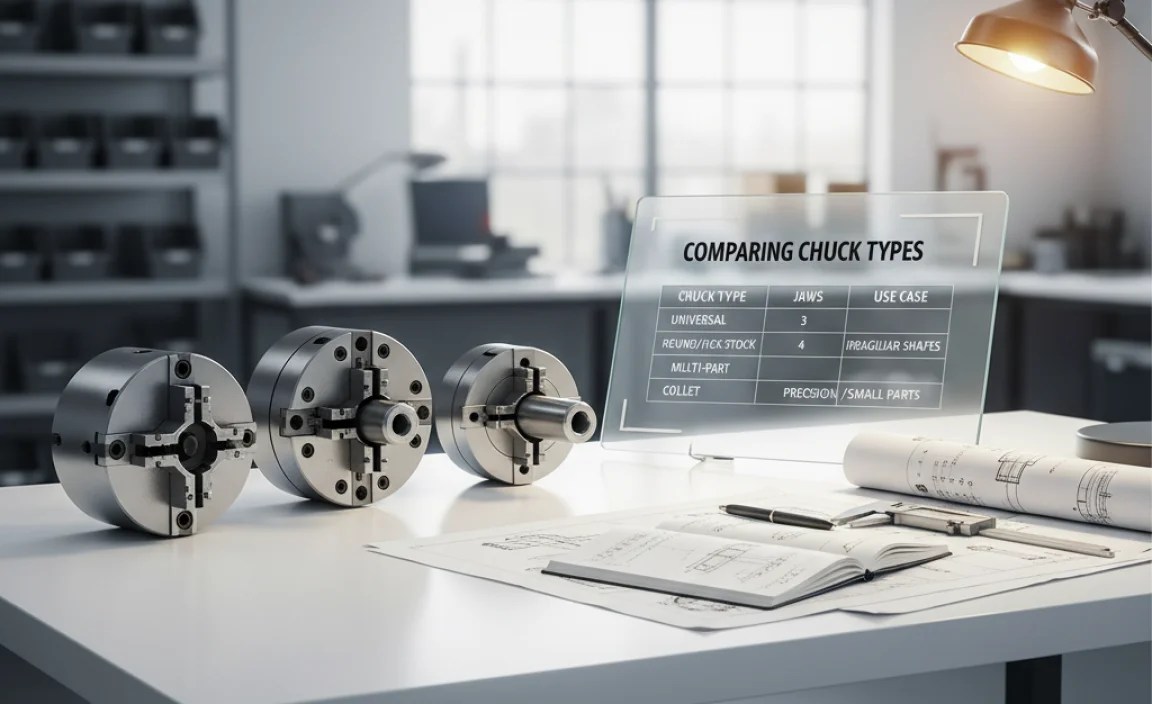
| Chuck Type | Valve Compatibility | Material | Sealing Mechanism | Pros | Cons |
|---|---|---|---|---|---|
| Presta-Specific | Presta Only | Plastic or Metal | O-Rings, Clamps | Good seal for high pressure, lightweight | Only works with Presta valves |
| Schrader-Specific | Schrader Only | Plastic or Metal | Internal Pin, O-Rings | Easy to use with Schrader valves | Only works with Schrader valves |
| Dual/Universal | Presta and Schrader | Plastic or Metal | Reversible Design, Adapters | Versatile, works with both valve types | May not seal as well as specific chucks |
| Lever-Action | Presta or Schrader | Metal | Lever-Activated Clamps | Easy to use, secure connection | Can be more expensive |
| Thread-On | Presta or Schrader | Metal | Threaded Connection | Most secure connection, leak-proof | Slower to attach and detach |
Choosing the Right Chuck for Your Needs

Here’s a step-by-step guide to selecting the best chuck for your bike pump:
- Identify Your Valve Type: Determine whether your bike has Presta or Schrader valves.
- Consider Your Riding Style: For high-pressure road tires, choose a metal chuck with a secure sealing mechanism. For lower-pressure mountain bike tires, a plastic chuck may suffice.
- Evaluate Ergonomics: Choose a chuck design that is comfortable and easy to use, especially if you have hand strength issues.
- Check Pressure Rating: Ensure the chuck is rated for the pressures you typically inflate your tires to.
- Read Reviews: Look for online reviews to get feedback from other cyclists on the performance and durability of different chucks.
Troubleshooting Common Chuck Problems
Even with the best chuck, you may encounter some common issues. Here’s how to troubleshoot them:
1. Air Leaks
Air leaks are a common problem. Here’s how to address them:
- Check O-Rings: Make sure the O-rings are in good condition and properly seated. Replace them if necessary. You can find replacement O-rings at most hardware stores or bike shops.
- Tighten Connections: Ensure all connections between the chuck, hose, and valve are tight.
- Clean the Valve: Dirt and debris on the valve can prevent a good seal. Clean the valve with a cloth.
2. Difficulty Attaching the Chuck
If you’re having trouble attaching the chuck to the valve:
- Ensure Correct Alignment: Make sure the chuck is properly aligned with the valve.
- Apply Pressure: Sometimes, a firm push is needed to seat the chuck properly.
- Check for Damage: Inspect the chuck and valve for any damage that may be preventing a good connection.
3. Chuck Won’t Release
If the chuck is stuck on the valve:
- Wiggle Gently: Gently wiggle the chuck back and forth while pulling it off the valve.
- Release Air Pressure: Slightly depress the valve core to release some air pressure, which may make it easier to remove the chuck.
Maintaining Your Bike Pump Chuck
Proper maintenance will extend the life of your bike pump chuck. Here are some tips:
- Clean Regularly: Clean the chuck regularly with a cloth to remove dirt and debris.
- Lubricate O-Rings: Periodically lubricate the O-rings with silicone grease to keep them supple and prevent cracking.
- Store Properly: Store the pump in a dry place to prevent corrosion.
Upgrading Your Bike Pump Chuck
If you’re not happy with your current chuck, consider upgrading to a higher-quality model. Here’s when it might be time for an upgrade:
- Frequent Air Leaks: If you’re constantly dealing with air leaks, a better chuck with a more secure sealing mechanism can solve the problem.
- Difficulty of Use: If you find your current chuck difficult to use, an ergonomic upgrade can make inflation much easier.
- Switching Valve Types: If you’ve switched to a bike with a different valve type, you’ll need a new chuck that is compatible.
Upgrading your chuck is an affordable way to improve your bike maintenance experience.
Recommended Brands for Bike Pump Chucks
Here are some brands known for producing high-quality bike pump chucks:
- Lezyne: Known for their durable and precise chucks. Lezyne’s website offers a range of options.
- Silca: Renowned for their high-end, rebuildable chucks. Silca products are an investment in quality.
- Park Tool: Offers a variety of reliable and affordable chucks. Park Tool’s website is a great resource for bike tools and accessories.
- Topeak: Known for their innovative designs and versatile chucks.
External Resources for Bike Pump Information
For more in-depth information on bike pumps and tire inflation, check out these resources:
- REI (Recreational Equipment, Inc.): REI’s Expert Advice section provides helpful articles on bike maintenance.
- BikeRadar: BikeRadar offers reviews and buying guides for bike pumps and accessories.
FAQ: Bike Pump Chucks
Q: What is the difference between Presta and Schrader valves?
A: Presta valves are narrow with a locking nut at the tip, mainly for road bikes. Schrader valves are wider, like car tire valves, common on mountain and hybrid bikes.
Q: Can I use a Schrader pump on a Presta valve?
A: Not directly. You’ll need an adapter to convert a Schrader valve to fit a Presta pump chuck.
Q: How do I know if my pump chuck is leaking air?
A: If you hear air hissing while pumping or struggle to reach the desired pressure, your chuck likely has an air leak.
Q: What is a dual-head pump chuck?
A: A dual-head pump chuck can inflate both Presta and Schrader valves, often with a reversible design or adapter.
Q: How often should I replace my pump chuck?
A: Replace your pump chuck if you notice frequent air leaks, difficulty attaching it, or visible damage.
Q: Can I repair a leaking pump chuck?
A: Sometimes, you can repair a leaking pump chuck by replacing the O-rings or tightening connections. However, if the chuck is severely damaged, it’s best to replace it.
Q: Are metal chucks better than plastic chucks?
A: Metal chucks are generally more durable and provide a better seal, especially for high-pressure tires, while plastic chucks are more affordable but less durable.
Conclusion
Understanding the differences between bike pump chucks can significantly improve your cycling experience. By considering factors like valve compatibility, material, sealing mechanism, and ergonomic design, you can choose the right chuck for your needs. Regular maintenance and timely upgrades will ensure that your pump is always ready to keep your tires properly inflated, so you can enjoy smooth and safe rides. Now that you’re armed with this knowledge, go ahead and conquer those hills with confidence!


