
How to Kick Your Heat Pump Into Defrost Cycle

Quick Summary: To manually start your heat pump’s defrost cycle, first locate the test pins or defrost button on the outdoor unit’s control panel. Consult your owner’s manual for the exact location. Short the test pins with a screwdriver or press and hold the defrost button for a few seconds. The heat pump should switch to defrost mode, melting any ice buildup. Remember to monitor the unit and ensure it returns to normal heating afterward.
Is your heat pump struggling to keep your home warm on those extra-cold days? One common issue is ice buildup on the outdoor unit. When ice accumulates, it reduces the heat pump’s efficiency, making it work harder and potentially leading to damage. Fortunately, most heat pumps have an automatic defrost cycle. But sometimes, you might need to manually kick-start this process. Don’t worry; it’s usually a straightforward task. This guide will walk you through the steps to manually activate the defrost cycle on your heat pump, ensuring it runs smoothly all winter long.
Understanding the Defrost Cycle

Before we dive into the “how-to,” let’s understand why your heat pump needs a defrost cycle in the first place.
Why Heat Pumps Ice Up
Heat pumps work by transferring heat from the outside air into your home. Even when it’s cold outside, there’s still heat energy in the air. During this process, the outdoor coil becomes cold. When the temperature drops below freezing and humidity is high, moisture in the air can freeze on the coil. This ice acts as an insulator, reducing the heat pump’s ability to extract heat from the air. If left unchecked, the ice buildup can become severe, damaging the unit.
How the Automatic Defrost Cycle Works
Most heat pumps have an automatic defrost cycle that activates periodically. This cycle reverses the flow of refrigerant, turning the outdoor coil into a condenser. This heats up the coil, melting the ice. During this time, you might notice the outdoor fan stops, and steam rises from the unit. It’s also normal for your auxiliary or emergency heat to turn on to compensate for the temporary cooling inside your home.
When to Manually Initiate Defrost

While heat pumps are designed to defrost automatically, sometimes they need a little nudge. Here are a few scenarios where manually starting the defrost cycle might be necessary:
- Excessive Ice Buildup: If you notice a thick layer of ice on the outdoor unit, even when the temperature isn’t extremely low, it could indicate a problem.
- Infrequent Defrost Cycles: If the heat pump isn’t defrosting as often as it should (usually every 30 to 90 minutes during icy conditions), manual intervention might be needed.
- Reduced Heating Efficiency: If your home isn’t heating as effectively as usual, and you suspect ice buildup is the cause, a manual defrost cycle can help.
- After a Power Outage: Sometimes, a power outage can disrupt the heat pump’s control system, preventing it from initiating defrost cycles.
Safety First
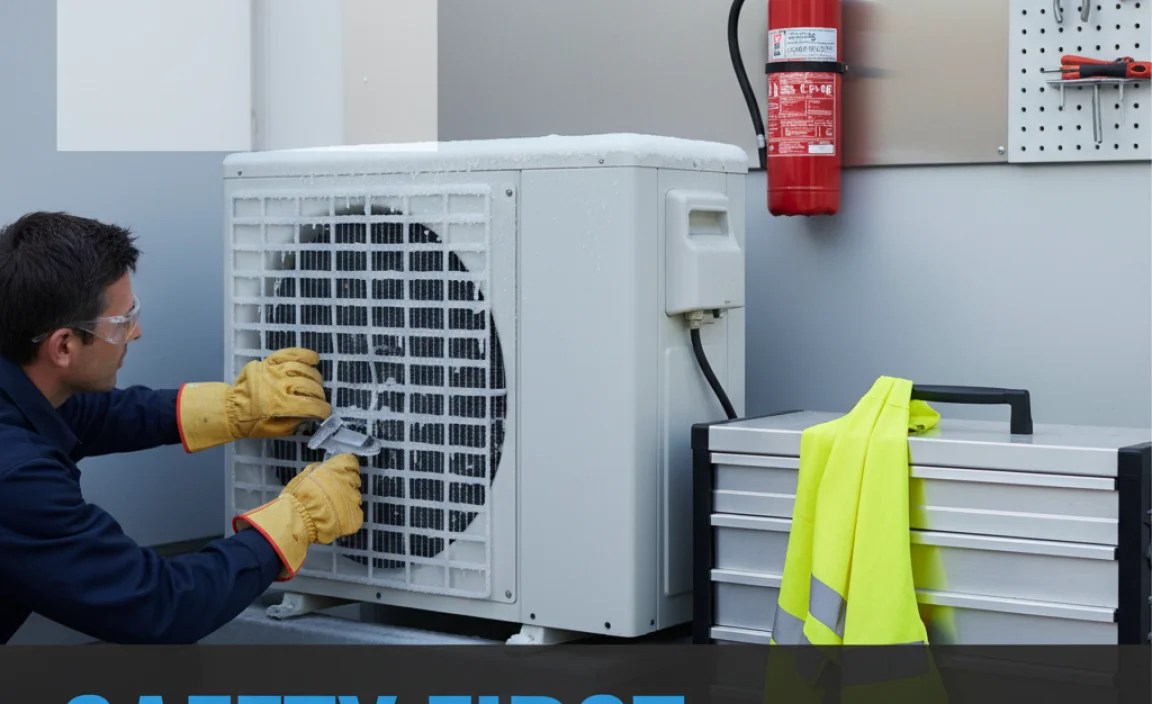
Before you start any work on your heat pump, it’s crucial to prioritize safety:
- Turn Off the Power: Locate the breaker that controls the outdoor unit and switch it off. This prevents electrical shock.
- Wear Gloves: Protect your hands from sharp edges and cold surfaces.
- Read the Manual: Consult your heat pump’s owner’s manual for specific instructions and safety precautions.
Tools You’ll Need
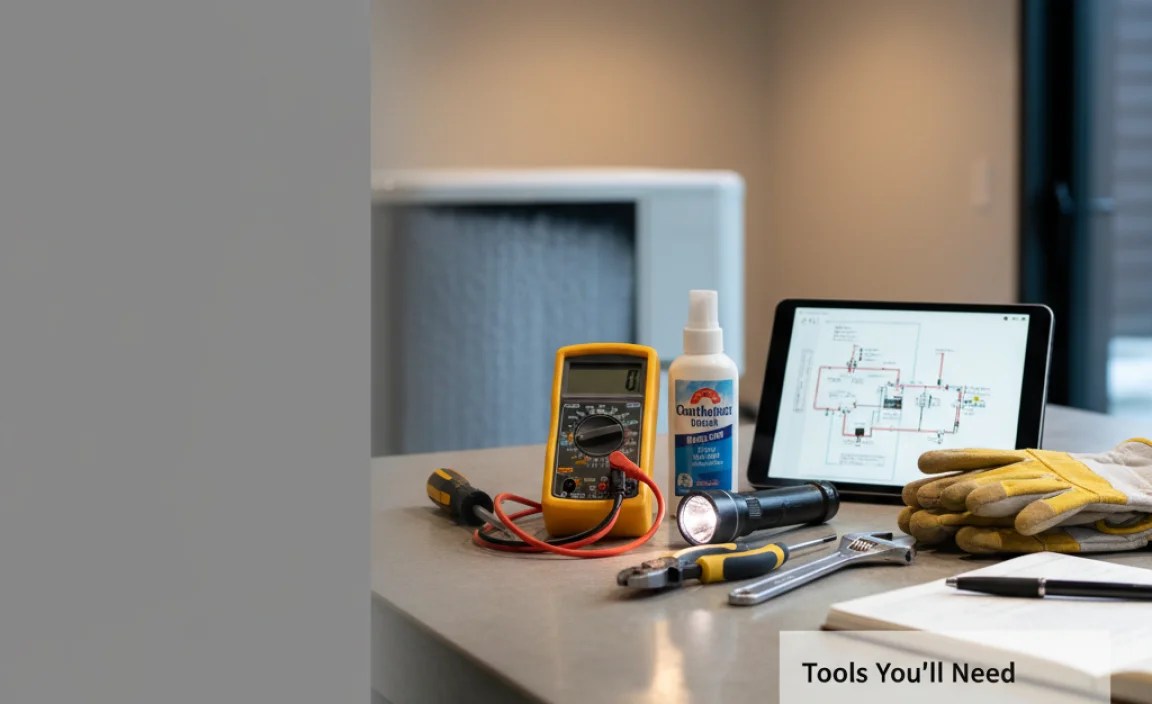
Fortunately, you usually don’t need many tools to manually initiate the defrost cycle:
- Screwdriver: A standard screwdriver (usually flathead) may be needed to access the control panel or short the test pins.
- Owner’s Manual: Essential for locating the test pins or defrost button and understanding the specific procedure for your model.
- Gloves: To protect your hands.
- Optional: Multimeter: For testing continuity if you’re unsure about the test pins (advanced).
Step-by-Step Guide to Manually Initiating Defrost

Here’s a detailed guide on how to manually kick your heat pump into defrost mode:
- Locate the Outdoor Unit’s Control Panel:The control panel is usually located behind an access panel on the outdoor unit. You might need a screwdriver to remove the panel.
- Identify the Test Pins or Defrost Button:Inside the control panel, look for two test pins labeled “Test” or “Defrost Test.” Some models might have a dedicated defrost button. Your owner’s manual is crucial here, as the location and labeling can vary.
Important Note: If you can’t find the test pins or defrost button, consult your owner’s manual or contact a qualified HVAC technician.
- Short the Test Pins (If Applicable):If your unit has test pins, use a screwdriver to briefly short them together. This simulates a signal that tells the heat pump to enter defrost mode. Hold the screwdriver in place for a few seconds, then remove it.
Caution: Be careful not to touch any other components inside the control panel.
- Press the Defrost Button (If Applicable):If your unit has a defrost button, press and hold it for a few seconds (usually 3-5 seconds). This should initiate the defrost cycle.
- Observe the Heat Pump:After shorting the test pins or pressing the defrost button, the heat pump should enter defrost mode. You’ll likely notice the following:
- The outdoor fan will stop.
- The unit will become louder as the refrigerant flow reverses.
- Steam or water will be released from the bottom of the unit as the ice melts.
- Monitor the Defrost Cycle:The defrost cycle usually lasts between 5 and 15 minutes. Allow the cycle to complete on its own. Do not attempt to manually stop it.
- Ensure Normal Operation Resumes:After the defrost cycle is complete, the heat pump should automatically return to its normal heating mode. The outdoor fan will restart, and the unit will become quieter. Check that warm air is flowing from your indoor vents.
- Replace the Access Panel:Once you’re sure the heat pump is operating normally, replace the access panel on the outdoor unit and secure it with the screws you removed earlier.
- Restore Power:Go back to your breaker box and switch the power back on to the heat pump.
Troubleshooting
Sometimes, things don’t go as planned. Here are a few common issues you might encounter and how to address them:
- Heat Pump Doesn’t Enter Defrost Mode:
- Check the Power: Make sure the breaker is on and the unit is receiving power.
- Verify Test Pin/Button Location: Double-check your owner’s manual to ensure you’re using the correct test pins or button.
- Consult a Technician: If the heat pump still doesn’t enter defrost mode, there might be a more serious issue, such as a faulty control board or sensor. Contact a qualified HVAC technician.
- Defrost Cycle Doesn’t Melt All the Ice:
- Repeat the Cycle: You can try initiating the defrost cycle again.
- Check for Airflow Obstructions: Make sure the outdoor unit isn’t blocked by snow, leaves, or other debris.
- Professional Inspection: If the ice buildup is consistently excessive, there might be a refrigerant leak or other problem that requires professional attention.
- Heat Pump Doesn’t Return to Normal Operation:
- Wait and Observe: Sometimes, it takes a few minutes for the heat pump to return to normal operation.
- Check the Thermostat: Make sure your thermostat is set to “Heat” and the temperature is set appropriately.
- Call for Help: If the heat pump still doesn’t return to normal operation, contact an HVAC technician.
Preventative Maintenance
Regular maintenance can help prevent ice buildup and ensure your heat pump operates efficiently. Here are a few tips:
- Keep the Outdoor Unit Clear: Regularly remove any snow, leaves, or other debris from around the outdoor unit.
- Trim Vegetation: Trim any bushes or branches that are close to the unit to ensure proper airflow.
- Clean the Coils: Periodically clean the outdoor coils with a garden hose to remove dirt and debris. Be gentle and avoid damaging the fins.
- Schedule Professional Maintenance: Have your heat pump professionally inspected and serviced at least once a year. A technician can check the refrigerant levels, clean the coils, and identify any potential problems.
Heat Pump Defrost Cycle: Key Components and Functions
Understanding the components involved in the defrost cycle can help you troubleshoot issues effectively.
| Component | Function | Troubleshooting Tips |
|---|---|---|
| Defrost Timer/Control Board | Initiates and controls the defrost cycle based on time and temperature. | Check for proper settings, look for error codes, and ensure it’s receiving power. |
| Defrost Thermostat | Senses coil temperature and signals the control board when to start and stop the defrost cycle. | Inspect for damage or corrosion. Use a multimeter to check for continuity. |
| Reversing Valve | Reverses the flow of refrigerant to heat the outdoor coil and melt ice. | Listen for a clicking sound when the cycle starts. If none, the valve may be faulty. |
| Outdoor Fan Motor | Stops during the defrost cycle to allow the coil to heat up efficiently. | Ensure the fan motor is functioning correctly and not obstructed. |
| Auxiliary/Emergency Heat | Provides supplemental heat during the defrost cycle to maintain indoor temperature. | Verify the heating elements are working and the circuit breaker is not tripped. |
Comparing Manual vs. Automatic Defrost
Let’s break down the differences between manually initiating a defrost cycle and relying on the automatic system.
| Feature | Manual Defrost | Automatic Defrost |
|---|---|---|
| Initiation | User-initiated via test pins or defrost button. | System-initiated based on time, temperature, and pressure sensors. |
| Frequency | As needed, based on visual inspection of ice buildup. | Typically every 30-90 minutes during icy conditions. |
| Energy Efficiency | Can be less efficient if initiated unnecessarily. | Optimized to minimize energy waste by defrosting only when needed. |
| Maintenance | Requires user intervention and monitoring. | Generally requires less user involvement. |
| Best Use Case | For troubleshooting or when the automatic system fails. | For regular, day-to-day operation. |
FAQ: Defrosting Your Heat Pump
Here are some frequently asked questions about heat pump defrost cycles:
What happens during the defrost cycle?
During the defrost cycle, the heat pump reverses its operation. The outdoor fan shuts off, and the refrigerant flow is redirected to heat the outdoor coil, melting any ice buildup. Steam or water will be released from the unit.
How long does a defrost cycle last?
A typical defrost cycle lasts between 5 and 15 minutes.
Is it normal for my heat pump to make noise during the defrost cycle?
Yes, it’s normal for the heat pump to make more noise during the defrost cycle. This is due to the reversing of the refrigerant flow.
Why is my auxiliary heat coming on during the defrost cycle?
Your auxiliary or emergency heat turns on to compensate for the temporary cooling that occurs inside your home while the outdoor unit is defrosting.
Can I manually defrost my heat pump too often?
Yes, manually initiating the defrost cycle too often can waste energy and potentially put unnecessary wear and tear on the system. Only initiate it when necessary.
What if my heat pump is constantly going into defrost mode?
If your heat pump is frequently going into defrost mode, it could indicate a problem with the defrost timer, thermostat, or refrigerant levels. Contact a qualified HVAC technician.
Is ice on my heat pump always a problem?
A thin layer of frost is normal, but thick ice buildup indicates a problem. If ice accumulation is excessive or persistent, it’s time to investigate or call a professional.
Conclusion
Manually initiating the defrost cycle on your heat pump can be a helpful troubleshooting step when you notice excessive ice buildup or suspect the automatic system isn’t working correctly. By following the steps outlined in this guide, you can safely and effectively melt the ice and restore your heat pump’s efficiency. Remember to always prioritize safety by turning off the power and consulting your owner’s manual. Regular maintenance and prompt attention to any unusual issues will help keep your heat pump running smoothly and efficiently for years to come. If you’re ever unsure about any aspect of your heat pump’s operation, don’t hesitate to contact a qualified HVAC technician. They have the expertise to diagnose and resolve any complex problems, ensuring your home stays warm and comfortable all winter long.
“`


