
How Chuck Valve Pin Engages: The Smart Guide

Quick Summary: The chuck valve pin engages by pressing the chuck firmly onto the tire valve. This action pushes the valve core open, allowing air to flow into the tire. The pin’s precise alignment and the pressure applied ensure a secure, airtight connection for efficient inflation. Understanding this mechanism helps prevent leaks and ensures accurate tire pressure readings.
Ever struggled to get your bike tire properly inflated? A common culprit is often the bike pump chuck and how it engages with the tire valve. It can be frustrating when air leaks out, or you can’t get a good pressure reading. But don’t worry! Getting a secure connection is easier than you think. We’ll walk you through exactly how the chuck valve pin engages, step-by-step, so you can pump up your tires with confidence every time. We’ll also cover troubleshooting tips to handle common issues.
Understanding the Bike Pump Chuck

Before diving into how the chuck valve pin engages, it’s essential to understand the components of a bike pump chuck and their functions. This knowledge helps you troubleshoot problems and maintain your pump effectively.
Types of Bike Pump Chucks
There are primarily two types of chucks used on bike pumps, each designed for specific types of valves:
- Presta Chucks: Designed for Presta valves, which are commonly found on road bikes and some high-performance mountain bikes. Presta valves are narrower and have a valve core that needs to be opened before inflation.
- Schrader Chucks: Designed for Schrader valves, which are similar to those found on car tires. These are common on mountain bikes, hybrid bikes, and some road bikes.
Some pumps come with a dual-head chuck, which accommodates both Presta and Schrader valves. These are convenient but may require careful alignment to ensure a proper seal.
Key Components of a Bike Pump Chuck
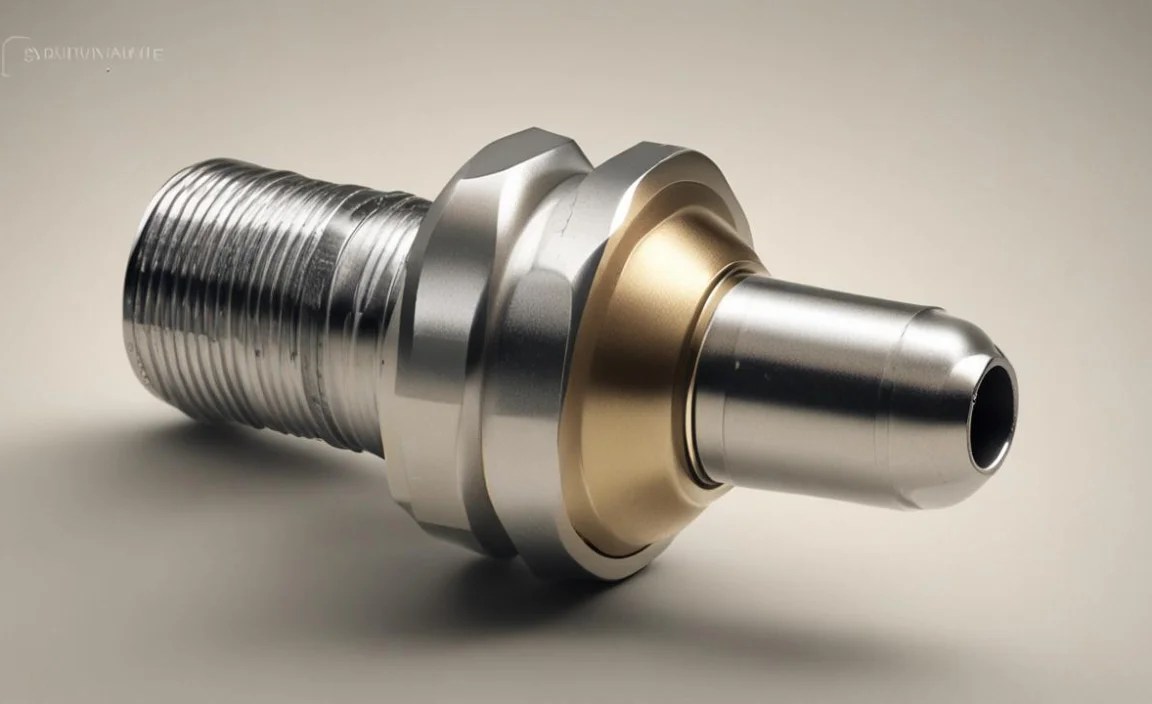
Regardless of the type, a bike pump chuck typically includes the following components:
- Chuck Body: The main housing that you hold and connect to the valve.
- Valve Pin: A small pin or plunger inside the chuck that presses against the valve core to open it.
- Sealing Washer/O-ring: A rubber or synthetic ring that creates an airtight seal between the chuck and the valve.
- Lever or Locking Mechanism: Some chucks have a lever or locking mechanism to secure the chuck onto the valve.
How the Chuck Valve Pin Engages: Step-by-Step

The engagement of the chuck valve pin is a straightforward process. Here’s how it works for both Presta and Schrader valves:
Engaging with a Presta Valve
- Prepare the Valve: Before attaching the chuck, unscrew the Presta valve core nut. Press the valve core briefly to ensure it’s not stuck.
- Attach the Chuck: Press the Presta chuck straight onto the valve. Ensure it’s aligned properly to avoid bending the valve.
- Engage the Pin: As you press the chuck onto the valve, the valve pin inside the chuck pushes against the Presta valve core, opening it.
- Secure the Connection: If your chuck has a lever, engage it to secure the connection. This ensures an airtight seal during inflation.
- Inflate: Begin pumping to inflate the tire. Check for any leaks around the chuck.
Engaging with a Schrader Valve
- Prepare the Valve: Remove the valve cap from the Schrader valve.
- Attach the Chuck: Press the Schrader chuck straight onto the valve. Ensure it’s firmly seated.
- Engage the Pin: As you press the chuck onto the valve, the valve pin inside the chuck depresses the Schrader valve core, allowing air to flow.
- Secure the Connection: Most Schrader chucks don’t have a lever, so a firm, straight connection is crucial.
- Inflate: Start pumping and monitor for leaks.
Common Issues and Troubleshooting
Even with a good understanding of the engagement process, problems can arise. Here are some common issues and how to troubleshoot them:
Air Leaks Around the Chuck
One of the most common issues is air leaking around the chuck during inflation. This can be due to several factors:
- Misalignment: Ensure the chuck is aligned straight with the valve.
- Worn Sealing Washer: The sealing washer or O-ring inside the chuck may be worn or damaged. Replace it if necessary.
- Loose Connection: If your chuck has a lever, make sure it’s fully engaged.
- Damaged Valve: Inspect the valve for any damage or debris that might prevent a good seal.
Valve Pin Not Engaging
Sometimes, the valve pin may not engage properly, preventing air from flowing into the tire.
- Debris: Check for any debris inside the chuck that might be blocking the pin.
- Stuck Valve Core: The valve core might be stuck. For Presta valves, try pressing the valve core a few times to loosen it. For Schrader valves, use a valve core tool to remove and clean the core.
- Bent Valve Pin: Inspect the valve pin for any bends or damage. If it’s bent, the chuck may need to be replaced.
Difficulty Removing the Chuck
Occasionally, the chuck may be difficult to remove after inflation.
- Pressure Lock: Sometimes, pressure can build up, making it hard to remove the chuck. Gently wiggle the chuck while pulling it straight off.
- Corrosion: Corrosion can cause the chuck to stick to the valve. Clean the valve and chuck regularly to prevent this.
Maintenance Tips for Your Bike Pump Chuck

Proper maintenance can extend the life of your bike pump chuck and ensure reliable performance. Here are some tips:
- Regular Cleaning: Clean the chuck regularly with a dry cloth to remove dirt and debris.
- Inspect the Sealing Washer: Check the sealing washer or O-ring for wear and tear. Replace it as needed.
- Lubrication: Apply a small amount of silicone-based lubricant to the valve pin and sealing washer to keep them moving smoothly.
- Proper Storage: Store your pump in a clean, dry place to prevent corrosion.
Tools and Materials You Might Need

Having the right tools and materials on hand can make maintenance and troubleshooting much easier.
- Sealing Washers/O-rings: Replacement sealing washers or O-rings for your chuck.
- Valve Core Tool: A tool for removing and installing valve cores (especially useful for Schrader valves).
- Silicone Lubricant: A silicone-based lubricant to keep the valve pin and sealing washer moving smoothly.
- Cleaning Cloth: A clean, dry cloth for wiping down the chuck and valves.
- Spare Chuck: Having a spare chuck can be helpful in case of irreparable damage.
Choosing the Right Bike Pump
Selecting the right bike pump is crucial for efficient and reliable inflation. Here’s what to consider:
Floor Pumps
Floor pumps are ideal for home use and provide more leverage for easier inflation. They typically have a gauge for accurate pressure readings and can inflate tires to higher pressures.
Hand Pumps
Hand pumps are portable and great for on-the-go inflation. They are smaller and lighter but require more effort to inflate tires to higher pressures.
CO2 Inflators
CO2 inflators use cartridges of compressed carbon dioxide to quickly inflate tires. They are lightweight and convenient for emergencies but require purchasing replacement cartridges.
Pump Features to Consider
- Gauge Accuracy: A reliable gauge is essential for accurate pressure readings.
- Chuck Compatibility: Choose a pump with a chuck that is compatible with your bike’s valves (Presta, Schrader, or both).
- Inflation Power: Consider the maximum pressure the pump can deliver, especially if you ride road bikes with high-pressure tires.
- Build Quality: Look for a pump with durable construction and reliable components.
Table: Comparing Bike Pump Types
| Type | Pros | Cons | Best Use |
|---|---|---|---|
| Floor Pump | Easy to use, accurate gauge, high pressure | Not portable | Home use, frequent inflation |
| Hand Pump | Portable, lightweight | Requires more effort, less accurate gauge | On-the-go inflation, emergencies |
| CO2 Inflator | Very fast inflation, lightweight | Requires cartridges, can be wasteful | Emergencies, racing |
Table: Troubleshooting Chuck Valve Pin Engagement
| Problem | Possible Cause | Solution |
|---|---|---|
| Air leaks around the chuck | Misalignment, worn sealing washer, loose connection, damaged valve | Realign the chuck, replace the sealing washer, secure the lever, inspect the valve |
| Valve pin not engaging | Debris, stuck valve core, bent valve pin | Clean the chuck, loosen the valve core, replace the chuck |
| Difficulty removing the chuck | Pressure lock, corrosion | Wiggle the chuck while pulling, clean the valve and chuck |
External Resources for Further Learning
For more in-depth information and advanced techniques, check out these resources:
- Park Tool Repair Help: A comprehensive resource for bike repair and maintenance.
- BikeRadar’s Guide to Bike Pumps: Reviews and comparisons of different bike pumps.
FAQ: Common Questions About Chuck Valve Pin Engagement
What is a chuck valve pin?
The chuck valve pin is a small component inside a bike pump chuck that presses against the tire valve core, allowing air to flow into the tire when you pump.
Why is my bike pump not inflating my tire?
This can happen due to several reasons, such as a misaligned chuck, a worn sealing washer, a stuck valve core, or a damaged valve pin. Inspect each component to identify the issue.
How do I know if my sealing washer needs to be replaced?
If you notice air leaking around the chuck while pumping, or if the chuck feels loose, the sealing washer may be worn and need replacement. Check it for cracks or damage.
Can I use the same pump for Presta and Schrader valves?
Yes, if your pump has a dual-head chuck or an adapter. Make sure to properly align the chuck with the correct valve type before inflating.
How often should I maintain my bike pump chuck?
Regular maintenance, such as cleaning and inspecting the sealing washer, should be done every few months, or more frequently if you use your pump often.
What type of lubricant should I use on my bike pump chuck?
Use a silicone-based lubricant to keep the valve pin and sealing washer moving smoothly. Avoid using oil-based lubricants, as they can damage rubber components.
What is the best way to store my bike pump?
Store your pump in a clean, dry place to prevent corrosion and damage. Avoid storing it in direct sunlight or extreme temperatures.
Conclusion
Understanding how the chuck valve pin engages is crucial for maintaining proper tire pressure and enjoying a smooth, safe ride. By following these steps and troubleshooting tips, you can ensure a secure connection every time you inflate your tires. Regular maintenance of your bike pump chuck will also extend its life and keep it working efficiently. So, grab your pump, inspect your chuck, and hit the road with confidence!


