
Do Smart Chucks Work on Both Valves? Find Out!

Quick Summary: Smart chucks are designed to work with both Presta and Schrader valves, offering convenience for cyclists with different bikes or those who switch between valve types. These chucks often feature a dual-head design or an internal mechanism that automatically adjusts to the valve type. However, performance can vary, so it’s wise to check reviews and ensure compatibility with your specific pump and valve types before purchasing.
Ever struggled to inflate a tire because your pump chuck wouldn’t fit the valve? It’s a common frustration for cyclists! Different bikes use different valve types – Presta and Schrader – and switching between them with a standard pump can be a hassle. That’s where “smart chucks” come in. They promise to simplify inflation by working with both valve types. But do they really deliver? This guide will explore how smart chucks work, their pros and cons, and how to choose the right one for your needs. Let’s dive in and make tire inflation a breeze!
Understanding Bike Valves: Presta vs. Schrader

Before we get into smart chucks, let’s quickly review the two main types of bike valves:
- Presta: These valves are narrower and typically found on road bikes and higher-end mountain bikes. They have a valve core that needs to be unscrewed before inflation.
- Schrader: These are wider and shorter, similar to what you find on car tires. They have a spring-loaded valve core that opens when you press on it.
The difference in size and mechanism means that a pump head designed for one valve type won’t work on the other without an adapter or a convertible chuck.
What are Smart Chucks?
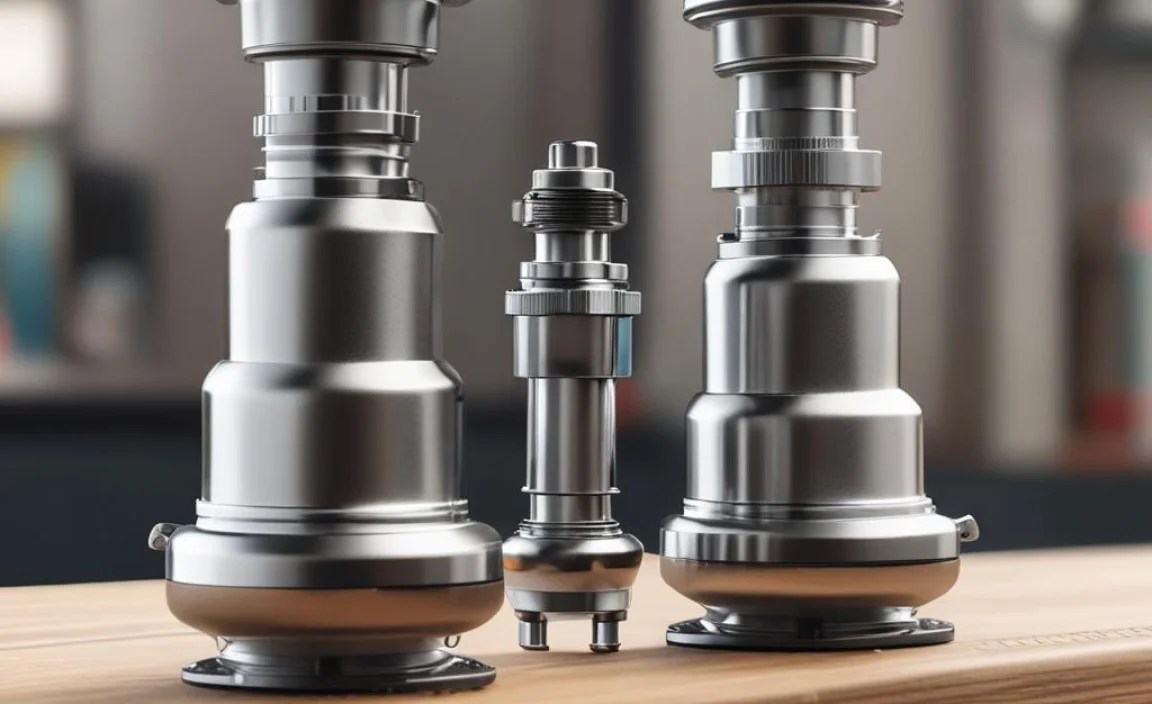
Smart chucks, also known as universal or automatic pump heads, are designed to work with both Presta and Schrader valves without needing to manually switch parts or adjust settings. They aim to simplify the inflation process, especially for households with multiple bikes using different valve types.
There are two main types of smart chuck designs:
- Dual-Head Chucks: These have separate openings for Presta and Schrader valves. You simply select the correct opening and press it onto the valve.
- Automatic Adjusting Chucks: These have a single opening that automatically adjusts to fit either Presta or Schrader valves. They often use an internal mechanism that detects the valve type and seals accordingly.
How Do Smart Chucks Work?

The inner workings of a smart chuck determine how effectively it adapts to different valve types. Here’s a closer look at each design:
Dual-Head Chucks
Dual-head chucks are straightforward. Each head is specifically sized and shaped for either a Presta or Schrader valve. To use, you simply:
- Identify the valve type on your tire.
- Select the corresponding head on the chuck.
- Press the chuck onto the valve, ensuring a tight seal.
- Inflate the tire.
The key to a good dual-head chuck is precise machining and durable materials to ensure a secure, leak-free connection for both valve types.
Automatic Adjusting Chucks
Automatic adjusting chucks are more complex internally. They typically use a spring-loaded mechanism or a series of seals that adapt to the valve inserted. Here’s a simplified explanation of how they work:
- Insert the chuck onto the valve.
- The internal mechanism detects the valve type (either by size or pressure).
- The chuck automatically adjusts its internal seals to fit the valve.
- Inflate the tire.
The advantage of this design is its simplicity – no need to manually select the correct head. However, the effectiveness of an automatic adjusting chuck depends on the quality of its internal components and the precision of its design.
Pros and Cons of Using Smart Chucks

Like any cycling tool, smart chucks have their advantages and disadvantages. Understanding these can help you decide if one is right for you.
Pros:
- Convenience: The biggest advantage is the ability to inflate both Presta and Schrader valves without switching parts or using adapters.
- Ease of Use: Smart chucks, especially automatic adjusting models, simplify the inflation process, making it quicker and less fiddly.
- Versatility: Ideal for households with multiple bikes using different valve types, or for cyclists who own bikes with both Presta and Schrader valves.
Cons:
- Potential for Leaks: Some smart chucks, particularly cheaper models, may not create a perfect seal on both valve types, leading to air leaks.
- Durability Concerns: The internal mechanisms of automatic adjusting chucks can be more prone to wear and tear compared to simpler designs.
- Higher Price: Smart chucks are generally more expensive than standard pump heads designed for a single valve type.
- Performance Variation: Not all smart chucks are created equal. Some perform better than others, so it’s important to read reviews and choose a reputable brand.
Factors to Consider When Choosing a Smart Chuck
If you’ve decided that a smart chuck is right for you, here are some key factors to consider when making your purchase:
- Valve Compatibility: Ensure the chuck is compatible with both Presta and Schrader valves. Some models may work better with one valve type than the other.
- Build Quality: Look for a chuck made from durable materials like aluminum or high-quality plastic. Avoid flimsy plastic models that are likely to break.
- Sealing Performance: Read reviews to see if users report any issues with air leaks. A good chuck should create a tight, leak-free seal on both valve types.
- Ease of Use: Consider how easy the chuck is to attach and detach from the valve. Some models may require more force or be more difficult to use than others.
- Pump Compatibility: Check if the chuck is compatible with your existing pump. Most smart chucks are designed to fit standard pump hoses, but it’s always a good idea to double-check.
- Price: Smart chucks range in price from around $15 to $50 or more. Consider your budget and prioritize quality and performance over the lowest price.
Recommended Smart Chucks
Here are a few well-regarded smart chucks that consistently receive positive reviews:
- Topeak SmartHead DX3: A popular dual-head design known for its durability and reliable sealing performance.
- Lezyne ABS Flip-Thread Chuck: Another excellent dual-head option with a threaded connection for added security.
- Silca Hiro V.2: High-end option known for its precise engineering and exceptional sealing capabilities.
Step-by-Step Guide to Using a Smart Chuck
Whether you have a dual-head or automatic adjusting smart chuck, here’s a general guide to using it effectively:
Step 1: Prepare the Valve
For Presta valves, unscrew the valve core nut. For Schrader valves, simply remove the valve cap.
Step 2: Attach the Chuck
For Dual-Head Chucks: Select the correct head for your valve type and press it firmly onto the valve, ensuring a tight seal.
For Automatic Adjusting Chucks: Simply press the chuck onto the valve. The internal mechanism should automatically adjust to fit the valve.
Step 3: Secure the Connection (If Applicable)
Some smart chucks have a lever or locking mechanism to further secure the connection. Engage this lever if your chuck has one.
Step 4: Inflate the Tire
Begin pumping, monitoring the pressure with a gauge. Inflate to the recommended pressure indicated on the tire sidewall. Be careful not to over-inflate.
Step 5: Detach the Chuck
Disengage any locking levers and gently remove the chuck from the valve. For Presta valves, tighten the valve core nut. Replace the valve cap on Schrader valves.
Troubleshooting Common Issues
Even with a good smart chuck, you may occasionally encounter issues. Here are some common problems and how to troubleshoot them:
| Issue | Possible Cause | Solution |
|---|---|---|
| Air Leakage | Poor seal between chuck and valve | Ensure chuck is firmly pressed onto the valve. Check for debris or damage on the valve or chuck. |
| Chuck Won’t Attach | Incorrect head selection (dual-head chuck) or valve incompatibility | Select the correct head. Ensure the chuck is compatible with your valve type. |
| Difficult to Remove Chuck | Over-tight connection or valve core sticking | Gently wiggle the chuck while pulling it off. Use a valve core tool to loosen the valve core if necessary. |
| Pump Not Registering Pressure | Faulty gauge or blocked air passage | Check the gauge on your pump. Inspect the chuck for any blockages. |
Maintaining Your Smart Chuck
Proper maintenance can extend the life of your smart chuck and ensure it continues to perform well. Here are some tips:
- Keep it Clean: Regularly clean the chuck with a damp cloth to remove dirt and debris.
- Lubricate Moving Parts: Apply a small amount of silicone lubricant to any moving parts, such as levers or seals.
- Inspect for Damage: Periodically inspect the chuck for cracks, wear, or other damage. Replace it if necessary.
- Store Properly: Store the chuck in a clean, dry place when not in use.
Smart Chuck Alternatives
If you’re not convinced that a smart chuck is right for you, here are some alternatives to consider:
- Dual-Pump System: Have one pump dedicated to Presta valves and another for Schrader valves.
- Threaded Adapters: Use threaded Presta-to-Schrader adapters, which can be screwed onto Presta valves, making them compatible with Schrader pumps.
- Convertible Pump Heads: Some pumps come with heads that can be manually switched between Presta and Schrader settings.
The Future of Bike Pump Technology
Bike pump technology continues to evolve, with manufacturers constantly striving to improve performance, convenience, and durability. Some emerging trends include:
- Digital Pressure Gauges: More pumps are incorporating digital gauges for precise pressure readings.
- Tubeless Tire Inflation Systems: Specialized pumps designed to quickly inflate tubeless tires are becoming increasingly popular.
- Compact and Portable Designs: Manufacturers are focusing on creating more compact and lightweight pumps for on-the-go inflation.
FAQ About Smart Chucks
Q: Will a smart chuck work on all Presta valves?
A: Generally, yes. However, some Presta valves have slightly different shapes or sizes. A high-quality smart chuck should accommodate most variations, but it’s always a good idea to check reviews and ensure compatibility.
Q: Can I use a smart chuck on tubeless tires?
A: Yes, smart chucks can be used on tubeless tires. However, for seating tubeless tires, a pump with a high-volume air burst feature is often recommended.
Q: Are smart chucks more prone to breaking than regular chucks?
A: The durability of a smart chuck depends on its build quality. Cheaper models with complex internal mechanisms may be more prone to breaking than simpler, single-valve chucks. However, well-made smart chucks can be just as durable as regular chucks.
Q: How do I know if my smart chuck is leaking?
A: If you hear a hissing sound or feel air escaping around the valve while inflating, your smart chuck may be leaking. Check the connection between the chuck and valve, and inspect the chuck for any damage or debris.
Q: Can I replace the seals on my smart chuck?
A: Some smart chucks have replaceable seals. Check the manufacturer’s website or contact them directly to see if replacement seals are available for your model. Replacing worn seals can often restore the chuck’s performance.
Q: Are all smart chucks automatic adjusting?
A: No, not all smart chucks are automatic adjusting. Some are dual-head designs, which require you to manually select the correct head for your valve type.
Q: What is the best way to store a bike pump with a smart chuck?
A: Store your bike pump in a dry place, away from direct sunlight and extreme temperatures. Avoid placing heavy objects on top of the pump, as this could damage the hose or chuck. Hanging the pump by its handle is often a good way to store it.
Conclusion
Smart chucks can be a convenient and versatile addition to any cyclist’s toolkit. They simplify the inflation process, especially for those who own multiple bikes with different valve types. While they may have some drawbacks, such as potential for leaks and higher prices, the benefits often outweigh the disadvantages. By carefully considering the factors discussed in this guide, you can choose the right smart chuck for your needs and enjoy hassle-free tire inflation for years to come. Happy riding!


