
Why Is My Heat Pump Not Cycling? A Beginner’s Guide

Quick Summary: A heat pump that doesn’t cycle properly (turning on and off regularly) can be due to a dirty air filter, thermostat issues, refrigerant leaks, or a malfunctioning reversing valve. Check the filter first, then inspect your thermostat settings. If problems persist, call a qualified HVAC technician to diagnose and repair the more complex components. Ignoring this issue can lead to higher energy bills and potential system damage.
Is your heat pump running constantly or not turning on at all? This “no cycling” problem is a common headache for homeowners, especially when the weather is extreme. It can lead to uncomfortable temperatures inside and a spike in your energy bills. Don’t worry; you’re not alone! We’ll walk you through some simple troubleshooting steps to help you identify the cause and get your heat pump back to normal. Let’s dive in and get your system working correctly again!
Understanding Heat Pump Cycling

Before we troubleshoot, let’s clarify what “cycling” means for a heat pump. A heat pump should turn on to heat or cool your home to the set temperature, then turn off to conserve energy. This on-and-off pattern is called a cycle. When a heat pump runs constantly or doesn’t turn on, it’s not cycling correctly.
Normal cycling helps maintain a consistent temperature and prevents the system from working too hard. Irregular cycling can indicate underlying problems that need attention.
Common Causes of a Heat Pump Not Cycling

Several factors can cause your heat pump to stop cycling properly. Here are some of the most common culprits:
- Dirty Air Filter: A clogged filter restricts airflow, causing the heat pump to work harder and potentially overheat or freeze up.
- Thermostat Issues: Incorrect settings, a faulty thermostat, or poor placement can all affect cycling.
- Refrigerant Leaks: Low refrigerant levels reduce the heat pump’s ability to transfer heat, leading to continuous operation.
- Frozen Coils: Ice buildup on the outdoor unit can prevent the heat pump from absorbing heat from the air.
- Malfunctioning Reversing Valve: This valve switches the heat pump between heating and cooling modes. A faulty valve can cause the system to get stuck in one mode.
- Electrical Problems: Issues with wiring, breakers, or capacitors can disrupt the heat pump’s operation.
- Oversized or Undersized Unit: A heat pump that’s too large or too small for your home won’t cycle correctly.
Step-by-Step Troubleshooting Guide

Now, let’s get our hands dirty and start fixing this. Here’s a step-by-step guide to help you diagnose and address the problem:
Step 1: Check the Air Filter
A dirty air filter is the most common reason for heat pump problems. A clogged filter restricts airflow, making the system work harder and potentially overheat.
How to check and replace the air filter:
- Locate the Filter: The air filter is usually located in the indoor unit, either in the blower compartment or in a wall or ceiling vent.
- Inspect the Filter: Remove the filter and hold it up to the light. If you can’t see through it easily, it’s dirty.
- Replace the Filter: Replace the dirty filter with a new one of the same size and type. Check your owner’s manual for the correct filter specifications.
- Regular Maintenance: Change your air filter every 1-3 months, or more often if you have pets or allergies.
Replacing a dirty air filter is a quick and easy fix that can significantly improve your heat pump’s performance. You can find replacement filters at most hardware stores or online retailers like Amazon.
Step 2: Inspect the Thermostat
The thermostat controls your heat pump’s operation. Incorrect settings or a faulty thermostat can prevent the system from cycling correctly.
How to check and adjust the thermostat:
- Verify Settings: Make sure the thermostat is set to the correct mode (heat or cool) and temperature.
- Check the Batteries: If your thermostat is battery-powered, replace the batteries to ensure it’s functioning correctly.
- Test the Thermostat: Increase or decrease the set temperature by a few degrees and see if the heat pump turns on or off accordingly.
- Professional Inspection: If the thermostat doesn’t respond, it may be faulty and need replacement. Consider a smart thermostat for better control and energy efficiency.
A properly functioning thermostat is essential for efficient heat pump operation. Consider upgrading to a smart thermostat for better control and energy savings. Brands like Honeywell Home and ecobee offer excellent options.
Step 3: Check for Refrigerant Leaks
Refrigerant is the fluid that allows your heat pump to heat and cool your home. If the refrigerant is leaking, it can cause the heat pump to continuously run because it can’t reach the desired temperature.
Signs of a refrigerant leak:
- Ice buildup on the refrigerant lines
- Hissing or bubbling sounds from the unit
- Reduced heating or cooling performance
What to do:
Refrigerant leaks are best left to the pros. Contact a licensed HVAC technician to inspect and repair any leaks. They’ll recharge the refrigerant and ensure your system operates efficiently.
Step 4: Inspect the Outdoor Unit for Ice Buildup
During the winter, ice can accumulate on the outdoor unit, especially if the defrost cycle isn’t working correctly. This ice buildup can prevent the heat pump from absorbing heat from the air.
How to check for and remove ice buildup:
- Visual Inspection: Check the outdoor unit for ice buildup on the coils and fins.
- Defrost Mode: Most heat pumps have a defrost cycle that automatically melts ice. If your unit isn’t defrosting, consult your owner’s manual.
- Manual Thawing: If necessary, you can manually melt the ice with warm water or a garden hose. Never use sharp objects, as they can damage the coils.
- Professional Help: If ice buildup is a recurring problem, contact an HVAC technician to diagnose the issue.
Keeping the outdoor unit free of ice is essential for efficient heating during the winter months. Regular inspections can help prevent problems.
Step 5: Check the Reversing Valve
The reversing valve switches the heat pump between heating and cooling modes. If this valve malfunctions, the heat pump may get stuck in one mode, causing it to run constantly.
Signs of a malfunctioning reversing valve:
- Heat pump stays in heating or cooling mode regardless of the thermostat setting
- Unusual noises from the outdoor unit
- Inconsistent heating or cooling performance
What to do:
Reversing valve issues require professional attention. Contact a qualified HVAC technician to diagnose and repair or replace the valve.
Step 6: Examine Electrical Components
Electrical problems can also cause a heat pump to malfunction. Issues with wiring, breakers, or capacitors can disrupt the system’s operation.
What to look for:
- Tripped circuit breakers
- Loose or corroded wiring
- Burnt or damaged capacitors
Safety First!
Working with electrical components can be dangerous. If you’re not comfortable, call a qualified electrician or HVAC technician to inspect and repair any electrical issues. Never attempt electrical repairs without proper training and safety precautions.
Step 7: Consider the Size of Your Heat Pump
An incorrectly sized heat pump can lead to cycling problems. A unit that’s too large will cool or heat your home too quickly and then shut off, resulting in short cycles. A unit that’s too small will run constantly trying to reach the set temperature.
How to determine if your heat pump is the right size:
- Square Footage: The size of your home is the primary factor in determining the correct heat pump size.
- Climate: Your local climate also affects the required heating and cooling capacity.
- Professional Assessment: An HVAC technician can perform a load calculation to determine the optimal heat pump size for your home.
If you suspect that your heat pump is the wrong size, consult with an HVAC professional. They can assess your home’s heating and cooling needs and recommend the appropriate size unit.
When to Call a Professional

While some heat pump issues can be resolved with simple troubleshooting steps, others require professional expertise. Here’s when it’s time to call a qualified HVAC technician:
- You’ve tried the troubleshooting steps and the problem persists.
- You suspect a refrigerant leak.
- You’re dealing with electrical issues.
- You’re not comfortable working with the system yourself.
A professional HVAC technician has the training, experience, and tools to diagnose and repair complex heat pump problems safely and effectively. Regular maintenance by a professional can also help prevent future issues.
Preventative Maintenance Tips
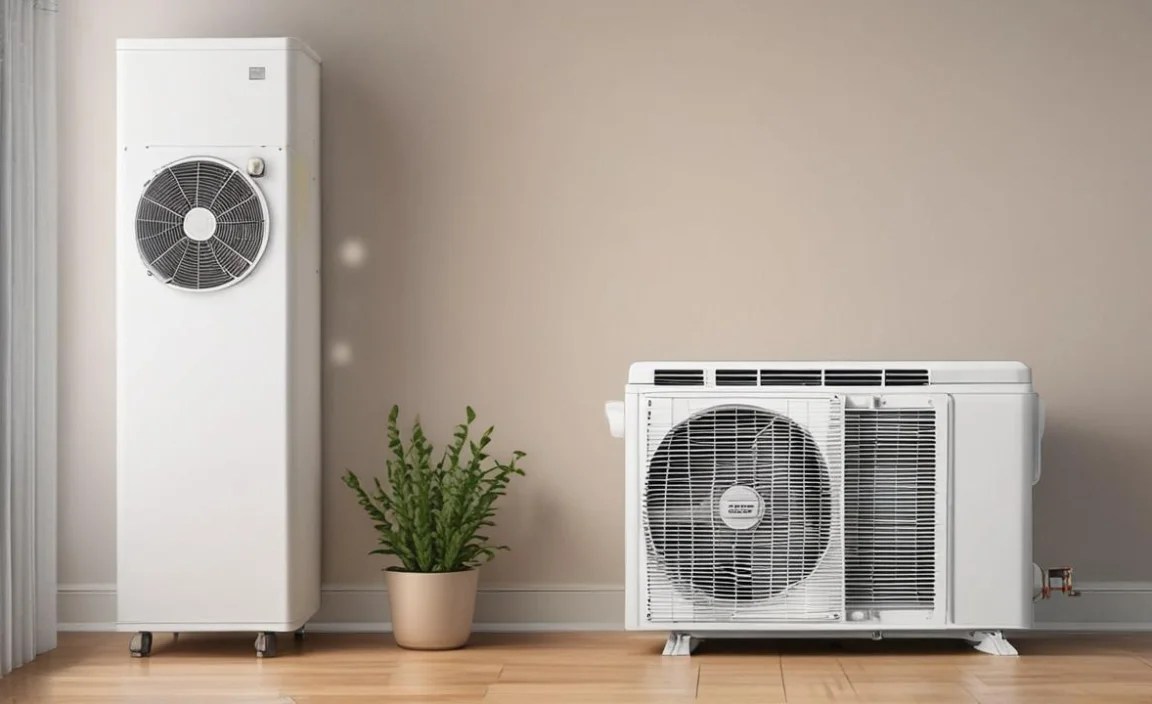
Preventing problems is always better than fixing them. Here are some preventative maintenance tips to keep your heat pump running smoothly:
- Regular Filter Changes: Change your air filter every 1-3 months.
- Annual Inspections: Schedule an annual inspection and tune-up with an HVAC technician.
- Clean the Outdoor Unit: Keep the outdoor unit free of debris, such as leaves, branches, and snow.
- Monitor Performance: Pay attention to any unusual noises or changes in performance.
- Clear Air Vents: Make sure that vents inside your home are not blocked by furniture or curtains.
Regular maintenance can extend the life of your heat pump and prevent costly repairs. It also ensures that your system operates efficiently, saving you money on energy bills.
Cost of Repairs
The cost of repairing a heat pump can vary depending on the problem. Here’s a general overview of common repair costs:
| Repair | Average Cost | Description |
|---|---|---|
| Air Filter Replacement | $10-$30 | Replacing a dirty air filter with a new one. |
| Thermostat Replacement | $100-$300 | Replacing a faulty thermostat with a new one. |
| Refrigerant Recharge | $200-$500 | Adding refrigerant to the system to restore proper levels. |
| Reversing Valve Replacement | $300-$800 | Replacing a malfunctioning reversing valve. |
| Capacitor Replacement | $100-$300 | Replacing a faulty capacitor. |
These are just estimates, and the actual cost may vary depending on your location, the complexity of the repair, and the HVAC technician’s rates. Getting multiple quotes from different technicians can help you find the best price.
Heat Pump Efficiency and Energy Savings
A properly functioning heat pump can save you money on energy bills. Here are some tips for maximizing your heat pump’s efficiency:
- Use a Programmable Thermostat: Set the thermostat to lower temperatures when you’re away or asleep.
- Seal Air Leaks: Seal any air leaks around windows, doors, and other openings.
- Insulate Your Home: Proper insulation can reduce heat loss in the winter and heat gain in the summer.
- Regular Maintenance: Keep your heat pump well-maintained with regular filter changes and annual inspections.
By following these tips, you can reduce your energy consumption and save money on your utility bills. Energy Star provides a wealth of information on energy efficiency and cost savings. Check out their website for tips and resources: Energy Star.
FAQ About Heat Pump Cycling
Here are some frequently asked questions about heat pump cycling:
- Why is my heat pump running constantly?
- A heat pump that runs constantly can be caused by a dirty air filter, thermostat issues, refrigerant leaks, or a malfunctioning reversing valve. Check the filter and thermostat first, then call a professional if needed.
- Is it bad if my heat pump is always running?
- Yes, it can lead to higher energy bills and potential system damage. It’s important to identify and address the underlying cause of the continuous operation.
- How often should my heat pump cycle on and off?
- A heat pump should cycle on and off several times an hour, depending on the weather and your thermostat settings. The cycles should be long enough to effectively heat or cool your home.
- Can a dirty air filter cause my heat pump to run constantly?
- Yes, a dirty air filter restricts airflow, causing the heat pump to work harder and potentially overheat or freeze up, leading to continuous operation.
- What is the reversing valve and what does it do?
- The reversing valve switches the heat pump between heating and cooling modes. A faulty valve can cause the system to get stuck in one mode.
- Should I turn off my heat pump if it’s not working properly?
- If your heat pump is making unusual noises or emitting strange odors, it’s best to turn it off and call a professional. Continuing to run a malfunctioning heat pump can cause further damage.
- How can I find a qualified HVAC technician?
- Ask for recommendations from friends and neighbors, check online reviews, and verify that the technician is licensed and insured. Angie’s List and the Better Business Bureau are good resources for finding reputable professionals.
Conclusion
Troubleshooting a heat pump that’s not cycling can seem daunting, but by following these steps, you can often identify and resolve the issue yourself. Remember to start with the simple things, like checking the air filter and thermostat, before moving on to more complex components. If you’re not comfortable working with the system or if the problem persists, don’t hesitate to call a qualified HVAC technician. Regular maintenance and prompt repairs can keep your heat pump running efficiently and ensure your home stays comfortable year-round.
“`


