
What Causes a Well Pump to Cycle On and Off? A Simple Guide

Quick Summary: A well pump cycling on and off rapidly, known as short cycling, is often caused by a loss of air pressure in the pressure tank, a waterlogged tank, a faulty pressure switch, or leaks in the system. Addressing these issues promptly can prevent pump damage and ensure a consistent water supply.
Is your well pump turning on and off too frequently? It’s a common problem that many homeowners face, and it can be frustrating! This rapid cycling, often called “short cycling,” puts extra strain on your pump and can shorten its lifespan. Don’t worry, though! We’ll walk you through the common causes and how to troubleshoot them. By the end of this guide, you’ll have a better understanding of why your pump is acting up and what you can do about it. Let’s dive in!
Understanding Well Pump Cycling

Before we get into the causes, let’s clarify what “cycling” means in the context of a well pump. A well pump is designed to turn on when the water pressure in your system drops to a certain level (the cut-in pressure) and turn off when it reaches a higher level (the cut-out pressure). This on-and-off operation is normal. However, when the pump starts cycling too rapidly, it indicates a problem.
Think of it like this: Your pressure tank stores water under pressure, providing a buffer so the pump doesn’t have to run every time you turn on a faucet. When you use water, the pressure in the tank drops. Once it hits the cut-in pressure (usually around 30-40 psi), the pump kicks on to refill the tank. Once the tank is full and the pressure reaches the cut-out pressure (usually around 50-60 psi), the pump shuts off. Short cycling occurs when this process happens too quickly and repeatedly.
Common Causes of Well Pump Short Cycling

Several factors can cause a well pump to cycle on and off too frequently. Here’s a breakdown of the most common culprits:
1. Loss of Air Pressure in the Pressure Tank
Your pressure tank relies on a cushion of air to maintain pressure and efficiently deliver water. Over time, this air can leak out, leading to a waterlogged tank. When the tank is waterlogged, there’s no air to compress, so the pump has to work harder and cycles more frequently.
How to Check and Fix:
- Turn off the pump: Locate the breaker switch for your well pump and turn it off.
- Drain the tank: Open a faucet or hose bib downstream of the tank to completely drain the water.
- Check the air pressure: Use a tire pressure gauge to check the air pressure at the Schrader valve (like the one on your car tire) located on top of the tank. The pressure should be 2-3 psi below the pump’s cut-in pressure (e.g., if the cut-in pressure is 40 psi, the air pressure should be 38 psi).
- Add air if needed: If the pressure is low, use an air compressor to add air until it reaches the correct level.
- Check for leaks: If the tank loses air quickly, it may have a leak. You can try patching small leaks, but a severely leaking tank may need to be replaced.
- Turn the pump back on: After restoring the air pressure, turn the pump back on and observe its cycling behavior.
2. Waterlogged Pressure Tank
A waterlogged tank is closely related to a loss of air pressure but represents a more severe condition. It means that the tank is almost entirely filled with water, leaving little to no room for air. This can happen gradually as air leaks out over time.
How to Check and Fix:
- Perform the same steps as above for checking air pressure. If water comes out of the Schrader valve when you press it, the bladder inside the tank is likely ruptured and the tank is waterlogged.
- Replace the tank: Unfortunately, a severely waterlogged tank usually needs to be replaced. While some tanks have replaceable bladders, it’s often more cost-effective to replace the entire unit.
3. Faulty Pressure Switch
The pressure switch is the component that tells the pump when to turn on and off. If the switch is malfunctioning, it might trigger the pump to cycle erratically, regardless of the actual water pressure in the system. Pressure switches are vital components of well pump systems, signaling the pump to activate or deactivate based on pressure levels. Reputable brands like Square D offer durable switches designed for longevity and consistent performance.
How to Check and Fix:
- Inspect the switch: Look for signs of corrosion, damage, or loose wires.
- Test the switch: Use a multimeter to test the continuity of the switch. You should have continuity when the pressure is below the cut-out pressure and no continuity when it’s above.
- Adjust the settings: Some pressure switches have adjustable settings for the cut-in and cut-out pressures. Make sure these settings are correct and haven’t been accidentally changed.
- Replace the switch: If the switch is faulty and cannot be adjusted, it needs to be replaced.
4. Leaks in the System
Leaks, whether in the well casing, underground pipes, or household plumbing, can cause a drop in water pressure, triggering the pump to turn on more frequently. Even small, pinhole leaks can contribute to short cycling.
How to Check and Fix:
- Check for visible leaks: Inspect all visible pipes, fittings, and faucets for drips or signs of water damage.
- Listen for running water: If you hear water running when all faucets are turned off, it could indicate a hidden leak.
- Check the well casing: Inspect the well casing for cracks or damage.
- Pressure test the system: A plumber can perform a pressure test to identify leaks in underground pipes.
- Repair leaks: Repair any leaks you find promptly. This might involve tightening fittings, replacing sections of pipe, or patching holes.
5. Low Well Yield
If your well’s water supply is limited (low yield), the pump might be drawing water faster than the well can replenish it. This can cause the water level in the well to drop quickly, leading to frequent cycling. You can find more information on well yields at the U.S. Geological Survey (USGS) website.
How to Check and Fix:
- Monitor water usage: Be mindful of your water consumption, especially during peak hours.
- Check well recovery rate: Have a well professional assess your well’s recovery rate (how quickly it refills after being pumped).
- Consider a storage tank: If your well yield is consistently low, you might need to install a storage tank to provide a buffer and reduce pump cycling.
- Deepen the well: In some cases, deepening the well can increase its yield.
6. Clogged or Damaged Well Screen
The well screen filters out sediment and debris from the water before it enters the pump. Over time, this screen can become clogged with minerals or sediment, restricting water flow and causing the pump to work harder and cycle more often.
How to Check and Fix:
- Inspect the well screen: This usually requires pulling the pump and screen out of the well, which is best left to a professional.
- Clean or replace the screen: If the screen is clogged, it can be cleaned with a specialized brush or chemical solution. If it’s damaged, it needs to be replaced.
7. Incorrect Pump Size
If the pump is too powerful for your well, it can draw water too quickly, leading to rapid cycling. Conversely, if the pump is too small, it might struggle to maintain pressure, also causing frequent cycling.
How to Check and Fix:
- Check pump specifications: Verify that the pump’s flow rate and pressure ratings are appropriate for your well’s depth, yield, and household water demand.
- Consult a professional: A well professional can help you determine the correct pump size for your specific situation.
- Replace the pump: If the pump is the wrong size, it needs to be replaced with a properly sized unit.
Troubleshooting Table
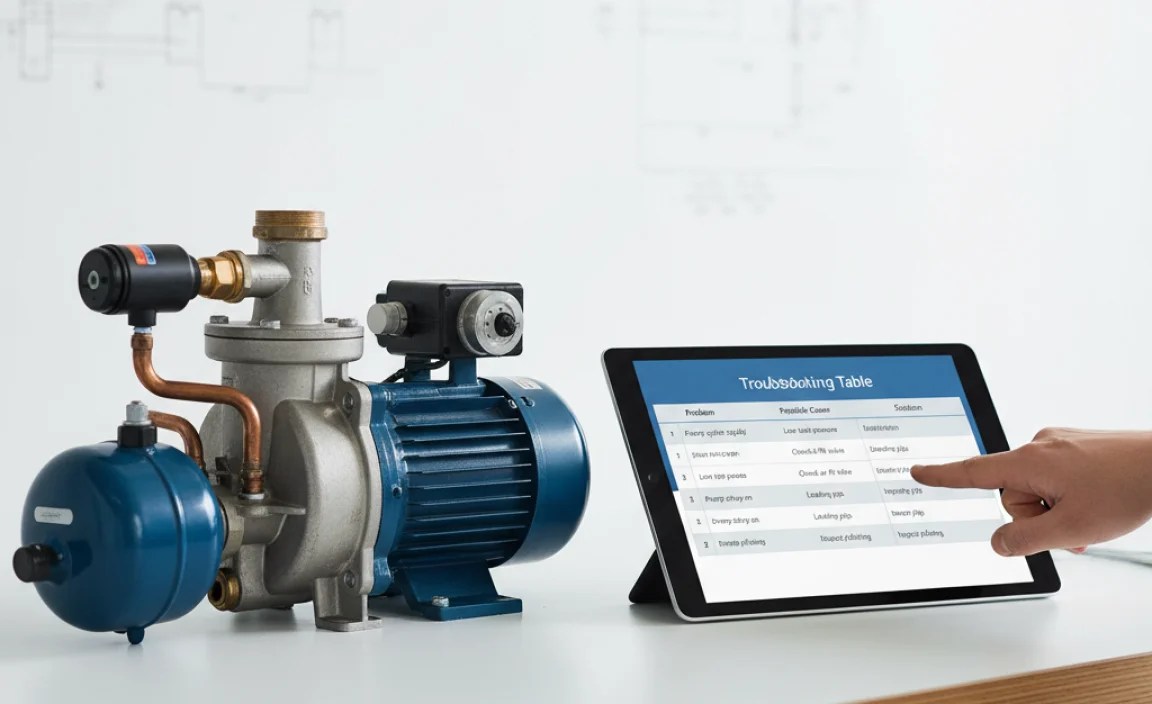
Here’s a handy table summarizing the causes, symptoms, and solutions for well pump short cycling:
| Cause | Symptoms | Solution |
|---|---|---|
| Loss of Air Pressure in Pressure Tank | Pump cycles rapidly, water pressure fluctuates, tank feels heavy | Drain tank, check air pressure, add air if needed, check for leaks |
| Waterlogged Pressure Tank | Pump cycles very rapidly, little to no water pressure, water comes out of air valve | Replace pressure tank |
| Faulty Pressure Switch | Erratic pump cycling, pump doesn’t turn on or off, switch appears damaged | Inspect switch, test continuity, adjust settings, replace switch |
| Leaks in System | Pump cycles frequently, water pressure drops, visible leaks, sound of running water | Check for leaks, pressure test system, repair leaks |
| Low Well Yield | Pump cycles frequently, water pressure drops during heavy use, well recovers slowly | Monitor water usage, check well recovery rate, consider storage tank, deepen well |
| Clogged or Damaged Well Screen | Pump cycles frequently, reduced water flow, sediment in water | Inspect well screen, clean or replace screen |
| Incorrect Pump Size | Pump cycles rapidly, pump struggles to maintain pressure, pump is too powerful or too weak | Check pump specifications, consult a professional, replace pump |
Preventative Measures
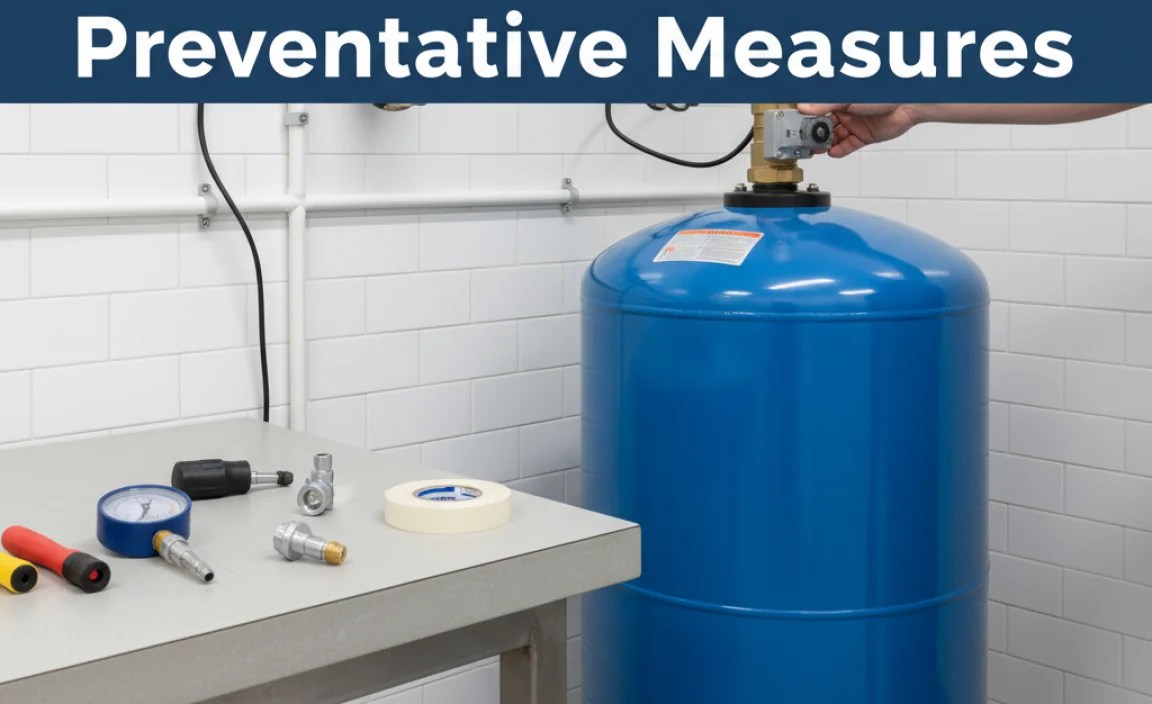
While troubleshooting is important, preventing well pump short cycling in the first place is even better. Here are some preventative measures you can take:
- Regularly check air pressure: Check the air pressure in your pressure tank at least every 6 months.
- Inspect for leaks: Periodically inspect your plumbing for leaks and repair them promptly.
- Monitor water usage: Be mindful of your water consumption and avoid excessive use, especially during peak hours.
- Schedule well maintenance: Have your well professionally inspected and serviced every 1-2 years.
- Install a whole-house filter: A whole-house filter can help prevent sediment and debris from clogging the well screen.
Tools You Might Need
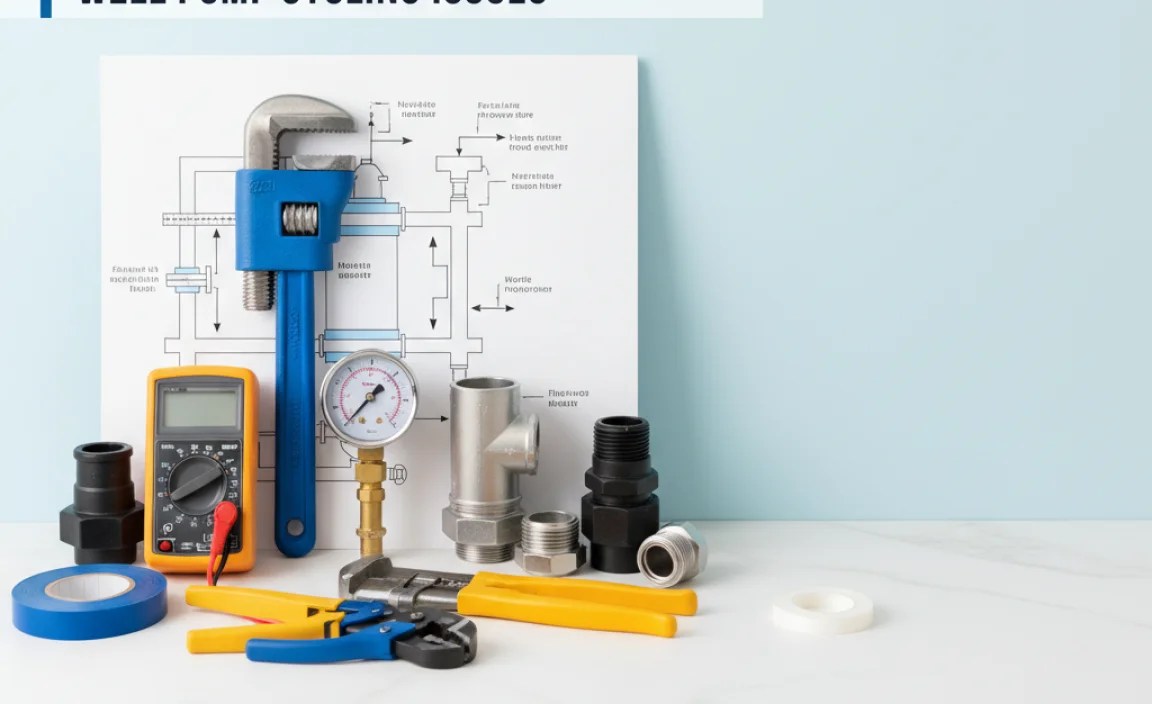
Depending on the cause of your well pump short cycling, you might need some or all of the following tools:
- Tire pressure gauge: For checking air pressure in the pressure tank.
- Air compressor: For adding air to the pressure tank.
- Multimeter: For testing the pressure switch.
- Wrenches: For tightening fittings and replacing components.
- Pipe wrench: For working with larger pipes.
- Screwdrivers: For various tasks.
- Plumber’s tape: For sealing pipe threads.
- Bucket: For catching water.
- Work gloves: To protect your hands.
When to Call a Professional
While many well pump problems can be resolved with DIY troubleshooting, some situations require the expertise of a qualified well professional. Call a professional if:
- You’re not comfortable working with electricity or plumbing.
- You can’t identify the cause of the short cycling.
- You suspect a problem with the well itself (e.g., low yield, contaminated water).
- You need to pull the pump out of the well.
- You’re dealing with a complex plumbing issue.
FAQ About Well Pump Cycling
Here are some frequently asked questions about well pump cycling:
- Why is my well pump turning on and off so quickly?
- This is usually caused by a loss of air pressure in the pressure tank, a waterlogged tank, a faulty pressure switch, or leaks in the system.
- Is it bad for my well pump to cycle frequently?
- Yes, frequent cycling (short cycling) puts extra strain on the pump and can shorten its lifespan.
- How do I check the air pressure in my pressure tank?
- Turn off the pump, drain the tank, and use a tire pressure gauge to check the pressure at the Schrader valve on top of the tank.
- What should the air pressure be in my pressure tank?
- The air pressure should be 2-3 psi below the pump’s cut-in pressure (e.g., 38 psi if the cut-in pressure is 40 psi).
- How do I know if my pressure tank is waterlogged?
- If water comes out of the Schrader valve when you press it, the bladder inside the tank is likely ruptured and the tank is waterlogged.
- Can I fix a waterlogged pressure tank?
- Sometimes, but often it is more cost effective to replace the entire unit.
- How often should I have my well pump serviced?
- Have your well professionally inspected and serviced every 1-2 years.
Conclusion
Dealing with a well pump that cycles on and off too frequently can be a headache, but by understanding the common causes and following the troubleshooting steps outlined in this guide, you can often resolve the issue yourself. Remember to prioritize safety and call a professional if you’re not comfortable with any aspect of the repair. By taking proactive steps to maintain your well system, you can ensure a reliable water supply and extend the life of your well pump.
“`


