
How Often Should My Well Pump Cycle? A Simple Guide

Quick Summary: A typical well pump should cycle 3-8 times per hour. Longer run times with fewer cycles are generally better than short bursts, as frequent starts cause more wear. If your pump cycles too often or runs constantly, it could indicate a problem like a leak, a failing pressure tank, or a well that’s running dry. Address cycling issues quickly to avoid pump burnout and costly repairs.
Is your well pump cycling too much, or not enough? It’s a common concern for homeowners who rely on well water. When your well pump cycles too frequently, it can lead to premature wear and tear, higher energy bills, and even pump failure. On the other hand, if it’s not cycling enough, you might have inconsistent water pressure. Figuring out the ideal cycling frequency can feel like a mystery, but don’t worry! This guide will walk you through everything you need to know to keep your well pump running smoothly. We’ll cover what’s normal, what’s not, and how to troubleshoot common issues. Let’s dive in!
Understanding Well Pump Basics
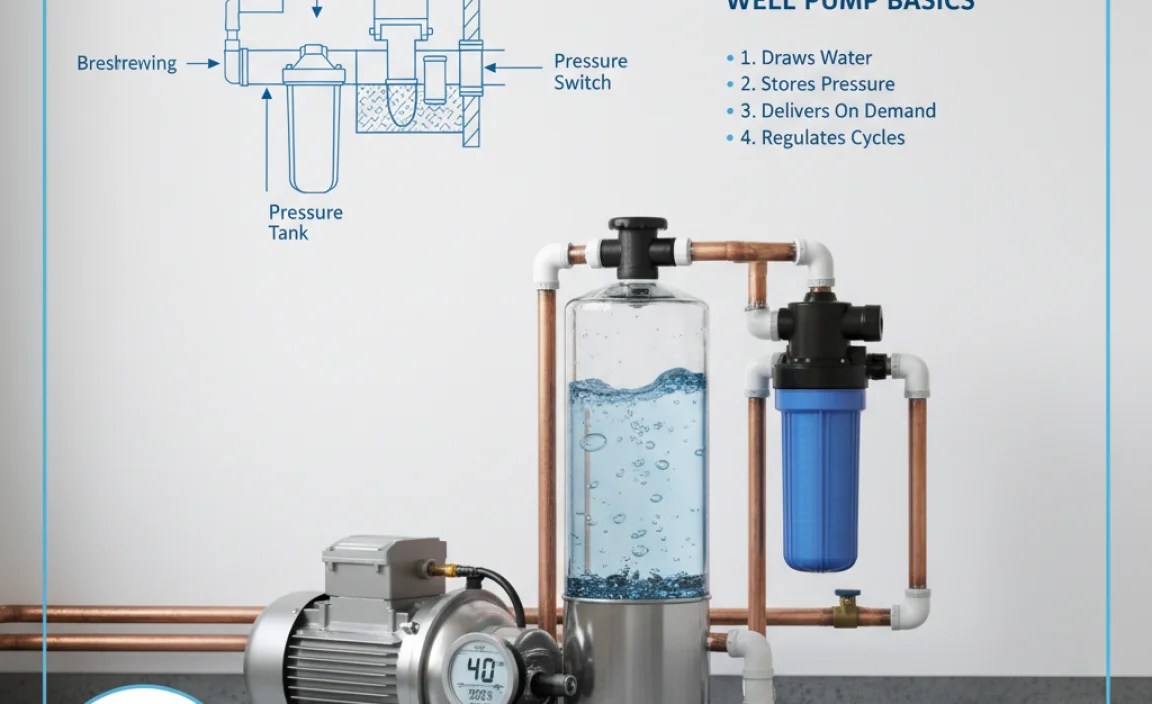
Before we get into cycling frequency, let’s cover the basics of how your well pump system works. This will help you understand why cycling is necessary and what factors influence it.
Components of a Well System
A typical well system includes several key components:
- Well: The hole drilled into the ground that accesses the groundwater.
- Submersible Pump: Located inside the well, this pump pushes water up to your home.
- Pressure Tank: A storage tank that holds water under pressure, providing a steady supply and preventing the pump from turning on and off constantly.
- Pressure Switch: Monitors the water pressure in the tank and signals the pump to turn on or off as needed.
- Check Valve: Prevents water from flowing back into the well.
- Piping: Carries water from the well to your home.
How a Well Pump Works
Here’s a simplified explanation of the well pump cycle:
- When you use water in your home, the pressure in the pressure tank drops.
- The pressure switch senses this drop and turns on the well pump.
- The pump draws water from the well and fills the pressure tank.
- Once the tank reaches its pre-set pressure, the pressure switch turns off the pump.
- You then draw water from the pressure tank until the pressure drops again, restarting the cycle.
What’s Considered Normal Well Pump Cycling?

So, how often *should* your well pump cycle? There’s no one-size-fits-all answer, but here’s a general guideline:
- Typical Range: 3-8 cycles per hour.
- Ideal Scenario: Longer run times with fewer cycles are preferable. This reduces wear and tear on the pump motor.
Several factors can influence this, including:
- Size of your pressure tank: Larger tanks allow for longer cycles.
- Water usage: Higher water consumption leads to more frequent cycles.
- Pump capacity: A more powerful pump will fill the tank faster.
- Well recovery rate: How quickly the well refills with water.
Signs of Abnormal Well Pump Cycling

It’s crucial to recognize when your well pump is cycling abnormally. Here are some red flags to watch out for:
- Excessive Cycling (Short Cycling): The pump turns on and off rapidly, often several times a minute.
- Constant Running: The pump runs continuously without shutting off.
- Inconsistent Water Pressure: Fluctuations in water pressure throughout your home.
- No Water: The pump fails to turn on at all.
- Unusual Noises: Loud humming, banging, or grinding sounds coming from the pump or pressure tank.
Causes of Frequent Well Pump Cycling (Short Cycling)

Short cycling is one of the most common well pump problems. Here are some of the most frequent causes:
1. Low or No Air Pressure in the Pressure Tank
The pressure tank relies on an air cushion to maintain pressure and reduce pump cycling. If the air pressure is too low, the pump will cycle on and off rapidly.
How to Check and Adjust Air Pressure
- Turn off the pump: Locate the breaker switch for your well pump and turn it off.
- Drain the tank: Open a faucet in your house and let the water run until it stops. This depressurizes the tank.
- Check air pressure: Use a tire pressure gauge to check the air pressure at the Schrader valve (usually located on top of the tank, often under a cap).
- Adjust air pressure: The ideal air pressure is typically 2 PSI below the pump’s cut-in pressure (the pressure at which the pump turns on). For example, if your pump turns on at 40 PSI, the air pressure should be 38 PSI. Use an air compressor to add air if needed, or depress the valve core to release air.
- Turn the pump back on: Close the faucet and turn the breaker switch back on. Observe the pump cycling.
2. Waterlogged Pressure Tank
Over time, pressure tanks can become waterlogged, meaning they lose their air cushion and fill with water. This reduces their capacity and leads to short cycling.
How to Identify a Waterlogged Tank
- Tap on the side of the tank. A waterlogged tank will sound full or solid, while a properly functioning tank will sound hollow on the top half.
- Check for condensation or rust on the outside of the tank, which can indicate internal leaks.
Solutions for a Waterlogged Tank
- Recharge the air cushion: Some tanks have a manual air recharge valve. Follow the manufacturer’s instructions to add air.
- Replace the tank: If the tank is severely waterlogged or corroded, it may need to be replaced.
3. Leaks in the Plumbing System
Even small leaks can cause a significant drop in pressure, leading to frequent pump cycling.
How to Check for Leaks
- Inspect faucets and fixtures: Look for drips or signs of moisture around faucets, showerheads, and toilets.
- Check for running toilets: A constantly running toilet can waste a lot of water and cause the pump to cycle frequently.
- Examine underground pipes: Look for wet spots or unusually lush vegetation in your yard, which could indicate a leak in the underground pipes.
Fixing Leaks
- Repair or replace leaky faucets and fixtures.
- Replace the flapper valve in running toilets.
- Call a professional plumber to repair underground leaks.
4. Faulty Check Valve
The check valve prevents water from flowing back into the well when the pump is off. If the check valve is faulty, water will drain back into the well, causing the pressure to drop and the pump to cycle on more frequently.
How to Test a Check Valve
- Listen for a “thumping” sound when the pump shuts off, which can indicate water flowing back into the well.
- Observe the pressure gauge. If the pressure drops rapidly after the pump shuts off, the check valve may be leaking.
Replacing a Check Valve
Replacing a check valve typically requires disconnecting the plumbing and installing a new valve. It’s often best to call a professional plumber for this repair.
5. Well Running Dry
If your well’s water level is low, the pump may struggle to maintain pressure and cycle on and off frequently. This is more common during periods of drought or high water usage.
How to Check for a Dry Well
- Monitor your water usage. If you’re using more water than usual, it could be straining your well.
- Check the well’s recovery rate. Time how long it takes for the well to refill after heavy use. If it’s taking longer than usual, the well may be running dry.
Solutions for a Dry Well
- Reduce water consumption.
- Consider having your well deepened or a new well drilled.
- Install a low-water cutoff switch to protect the pump from running dry.
Causes of a Well Pump Running Constantly

If your well pump is running non-stop, it indicates a serious problem that needs immediate attention.
1. Major Leak
A large leak in your plumbing system can cause the pump to run continuously to try and maintain pressure.
2. Incorrect Pressure Switch Setting
If the pressure switch is set too high, the pump may never reach the cut-off pressure and will continue running.
3. Failing Pump
An aging or damaged pump may lose its ability to generate sufficient pressure, causing it to run constantly.
4. Blockage in the Well
Debris or sediment in the well can clog the pump intake and reduce its efficiency, leading to continuous running.
Troubleshooting Steps: What to Do When Your Well Pump Cycles Abnormally
Here’s a step-by-step guide to help you diagnose and address well pump cycling issues:
- Observe and Document: Note how often the pump cycles, any unusual noises, and any changes in water pressure.
- Check the Pressure Tank: As detailed above, check the air pressure and for waterlogging.
- Inspect for Leaks: Thoroughly examine all faucets, fixtures, and pipes for any signs of leaks.
- Test the Check Valve: Listen for backflow and observe pressure gauge readings.
- Monitor Water Usage: Track your water consumption and check the well’s recovery rate.
- Check the Pressure Switch: Ensure the pressure switch is set correctly and functioning properly.
- Call a Professional: If you’re unable to diagnose or fix the problem yourself, consult a qualified well pump technician.
Preventive Maintenance for Your Well Pump System
Regular maintenance can help prevent many well pump problems and extend the life of your system.
- Annual Inspection: Have your well system inspected annually by a professional.
- Sediment Filter Replacement: Replace sediment filters regularly to prevent debris from clogging the pump.
- Water Quality Testing: Test your water quality periodically to detect any contaminants that could damage the pump.
- Monitor Pressure Tank: Check the air pressure in the pressure tank at least twice a year.
When to Call a Professional
While some well pump issues can be resolved with DIY troubleshooting, others require the expertise of a qualified professional. Call a well pump technician if:
- You’re uncomfortable working with electrical components or plumbing.
- You suspect a problem with the pump itself.
- You’re unable to diagnose the cause of the cycling issue.
- You’re dealing with a complex repair, such as replacing a check valve or pressure tank.
Cost of Well Pump Repairs
The cost of well pump repairs can vary depending on the nature of the problem. Here’s a general overview of potential expenses:
| Repair | Average Cost |
|---|---|
| Pressure Switch Replacement | $80 – $250 |
| Check Valve Replacement | $150 – $400 |
| Pressure Tank Replacement | $300 – $800 |
| Well Pump Replacement | $800 – $2,500 |
These are just estimates, and the actual cost may vary depending on your location, the specific components involved, and the complexity of the repair.
FAQ: Well Pump Cycling
What is considered short cycling for a well pump?
Short cycling is when your well pump turns on and off rapidly, more than 8 times per hour, or even multiple times per minute. This can damage the pump and needs to be addressed.
How do I know if my pressure tank is bad?
Signs of a bad pressure tank include frequent pump cycling, water pressure fluctuations, and a tank that sounds full when tapped. You can also check the air pressure; if it’s consistently low or non-existent, the tank may be failing.
Can a leaky toilet cause my well pump to cycle?
Yes, a running or leaky toilet can cause your well pump to cycle more frequently. Even a small, constant leak can lower the water pressure in the system and trigger the pump to turn on more often.
How long should a well pump run to fill the pressure tank?
A well pump should typically run for 1-3 minutes to fill the pressure tank. If it runs for significantly longer, it could indicate a problem with the pump, the tank, or the well itself.
Is it normal for my well pump to make noise?
Some noise is normal, but loud or unusual sounds like banging, grinding, or excessive humming can indicate a problem. Investigate the source of the noise and call a professional if necessary.
What size pressure tank do I need?
The appropriate size of pressure tank depends on your water usage and pump capacity. A general rule of thumb is to have at least 10 gallons of tank volume per gallon per minute (GPM) of pump capacity. Consult a professional for a more precise recommendation.
How can I extend the life of my well pump?
To extend the life of your well pump, perform regular maintenance, address leaks promptly, avoid excessive water usage, and have your system inspected annually by a professional. Proper maintenance can significantly increase the lifespan of your pump.
Conclusion
Understanding how often your well pump should cycle is vital for maintaining a healthy and efficient water system. By monitoring your pump’s behavior, checking for common issues like leaks and pressure tank problems, and performing regular maintenance, you can prevent costly repairs and ensure a reliable water supply for your home. Remember, when in doubt, don’t hesitate to call a qualified professional. A little preventative care can go a long way in keeping your well pump running smoothly for years to come!
“`


