
How to Use Shock Pump for E-Mountain Bikes: Easy Guide

Have you ever bounced too hard on your e-mountain bike? Did it feel like you were riding a pogo stick? E-mountain bikes need the right air pressure in their shocks. This helps you ride smoothly. A shock pump is a special tool. It lets you add or remove air. Knowing how to use a shock pump for e-mountain bikes is super important. It keeps your ride comfy and safe.
With the right pressure, bumps feel smaller. You can have more fun on the trails. Let’s learn how to use a shock pump. It’s easier than you think!
Key Takeaways
- Using a shock pump correctly ensures optimal suspension performance on your e-mountain bike.
- Always check the manufacturer’s recommended PSI range for your specific e-mountain bike model.
- Knowing how to use a shock pump for e-mountain bikes enhances control and comfort.
- Regularly inspect your shocks for leaks or damage to maintain proper air pressure.
- Bleeding air slowly and carefully prevents over-inflation and potential damage to the shock.
How to Prepare Your E-Mountain Bike Shock

Before you grab your shock pump, let’s get ready. First, find the air valve on your e-mountain bike’s shock. It usually has a small cap. Take off the cap. Keep it safe so you don’t lose it. Next, look at your bike’s manual. It will tell you the right PSI (pounds per square inch) for your weight and riding style. This is super important because too much or too little air can make your ride bumpy or unsafe. Knowing the recommended PSI is the first step to getting your suspension dialed in. Make sure your bike is clean around the valve. Dirt can get into the shock and cause problems. A quick wipe with a clean cloth is all you need. Now you’re ready to attach the shock pump and start adjusting the air pressure.
- Find the air valve on your e-mountain bike shock.
- Remove the valve cap and keep it in a safe place.
- Check your bike’s manual for the recommended PSI.
- Clean the area around the air valve.
- Make sure your shock pump is clean and in good working order.
Setting up your e-mountain bike shock properly is like tuning a musical instrument. If the strings are too tight or too loose, it won’t sound right. Similarly, if your shock has too much or too little air, your ride won’t feel right. It’s all about finding that sweet spot where the suspension works perfectly for you. Taking the time to prepare ensures that you get the best possible performance from your e-mountain bike. This will make your rides more enjoyable and safer. Always double-check your work and don’t be afraid to ask for help if you’re not sure. A little preparation goes a long way in the world of e-mountain biking.
Why Preparation Is Key
Have you ever tried to bake a cake without reading the recipe first? It probably didn’t turn out too well. Preparing your e-mountain bike shock is similar. You need to know what you’re doing before you start pumping air. The right PSI makes a huge difference. Too little air, and you’ll bottom out on every bump. Too much air, and your ride will be stiff and uncomfortable. Taking a few minutes to prepare saves you time and frustration later. It also helps protect your shock from damage. So, take your time, read the manual, and get ready to ride!
Finding the Right PSI
Imagine your e-mountain bike shock is like a basketball. If it’s not inflated enough, it won’t bounce well. If it’s overinflated, it’ll be too hard to dribble. The right PSI is the key to a good bounce, or in this case, a smooth ride. The PSI number tells you how much air pressure is inside the shock. This measurement is in pounds per square inch. Your bike’s manual has a chart. It shows the best PSI for your weight. Finding this number is like finding the secret code to unlock a great ride. Don’t guess! Use the chart and get it right.
The Importance of Cleanliness
Picture this: You’re about to eat a delicious sandwich, but it falls on the ground. Would you still eat it? Probably not, because it’s covered in dirt. The same idea applies to your e-mountain bike shock. Dirt and grime can cause big problems. They can damage the seals and valves inside the shock. This can lead to leaks and poor performance. Keeping the area around the air valve clean is a simple way to prevent these issues. A quick wipe with a clean cloth can save you a lot of trouble. Think of it as giving your shock a healthy snack, not a dirty one!
Fun Fact or Stat: Did you know that proper shock preparation can extend the life of your e-mountain bike’s suspension by up to 50%?
Connecting the Shock Pump Correctly
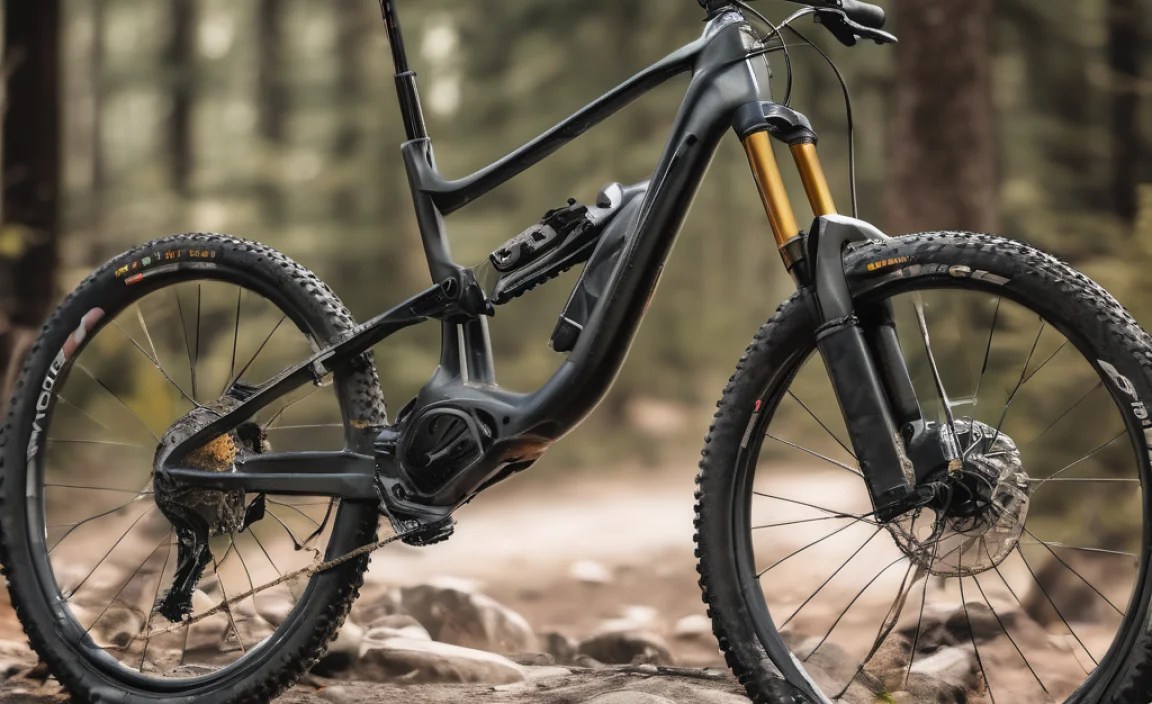
Now that your shock is ready, let’s connect the shock pump. This step is very important. Make sure the pump’s hose is clean. Carefully screw the hose onto the shock’s air valve. You should feel it tighten snugly. Don’t overtighten it! This could damage the valve. Most shock pumps have a special no-loss connector. This means you won’t lose air when you disconnect the pump. Before you start pumping, double-check the connection. Make sure it’s secure. A loose connection can cause air to leak. This will give you a wrong reading. Also, it will waste your effort. A good, tight connection is the key to getting an accurate pressure reading and a properly inflated shock.
- Ensure the shock pump hose is clean before connecting.
- Carefully screw the hose onto the shock’s air valve.
- Tighten the hose snugly, but do not overtighten.
- Double-check the connection for a secure fit.
- Use a shock pump with a no-loss connector to prevent air leaks.
Connecting the shock pump correctly is like plugging in a lamp. If the plug isn’t in all the way, the light won’t turn on. Similarly, if the shock pump isn’t connected properly, you won’t get an accurate pressure reading. This can lead to over- or under-inflating the shock. Taking a moment to make sure the connection is secure is a small step. It makes a big difference in the performance of your e-mountain bike. Think of it as giving your bike the power it needs to perform its best. A solid connection means a smooth ride!
Understanding the No-Loss Connector
Imagine you’re filling a balloon with water. But every time you take the hose off, some water spills out. That would be frustrating, right? A no-loss connector on a shock pump prevents this from happening. It’s like a special valve. It seals the air in when you disconnect the pump. This means you get an accurate pressure reading. You don’t waste any air. This little feature makes a big difference. It makes the whole process easier and more efficient. Always look for a shock pump with a no-loss connector. It’s worth it!
Avoiding Overtightening
Have you ever tried to open a jar that’s stuck really tight? Sometimes, you end up making it even harder to open. Overtightening the shock pump hose can have the same effect. It can damage the delicate threads on the air valve. This can make it difficult to connect the pump in the future. The key is to tighten the hose just enough. You want to have a snug fit. You don’t want to force it. If you’re not sure, start gently. Then, tighten it a little more until you feel it’s secure. Remember, a little goes a long way!
The Importance of a Clean Hose
Think of your shock pump hose as a straw you use to drink your favorite juice. If the straw is dirty, it’ll make the juice taste bad. Similarly, a dirty shock pump hose can introduce dirt and grime into your e-mountain bike’s shock. This can damage the seals and valves. It can cause leaks and poor performance. Before you connect the hose, take a moment to wipe it clean. Use a clean cloth. This simple step can prevent a lot of problems down the road. A clean hose means a happy shock!
Fun Fact or Stat: A no-loss connector can save up to 2 PSI of air pressure each time you disconnect the shock pump!
How to Inflate the Shock to the Correct PSI

Now comes the fun part: inflating the shock! Look at the gauge on the shock pump. It shows the current PSI. Start pumping slowly and steadily. Watch the gauge as you pump. It will start to climb. Keep pumping until you reach the recommended PSI from your bike’s manual. Don’t go over the recommended PSI! Too much air can damage the shock. If you accidentally add too much air, don’t worry. Most shock pumps have a bleed valve. This lets you release small amounts of air. Use the bleed valve to fine-tune the pressure. Get it exactly where you want it. Small adjustments make a big difference. A properly inflated shock will make your ride much smoother and more enjoyable.
- Look at the gauge on the shock pump to monitor the PSI.
- Pump slowly and steadily until you reach the recommended PSI.
- Do not exceed the recommended PSI to avoid damage.
- Use the bleed valve to release small amounts of air if needed.
- Fine-tune the pressure for optimal performance.
Inflating the shock to the correct PSI is like adding air to your bike tires. Too little air, and the tires will be flat and slow. Too much air, and the tires will be hard and uncomfortable. The right amount of air makes all the difference. Similarly, the correct PSI in your shock will make your ride smooth and comfortable. It will also help you maintain control on the trails. Taking the time to inflate the shock properly is an investment in your riding experience. It ensures that you get the most out of your e-mountain bike.
Understanding the Gauge
Imagine the gauge on your shock pump is like the speedometer in a car. It tells you how fast you’re going. The gauge on the shock pump tells you how much air pressure is in the shock. It’s important to pay attention to the gauge. It helps you avoid over- or under-inflating the shock. Get familiar with the gauge. Learn how to read it accurately. This will help you dial in your suspension like a pro. The gauge is your friend! Use it wisely.
Using the Bleed Valve
Have you ever accidentally poured too much milk into your cereal? It’s annoying, but you can always pour some back. The bleed valve on a shock pump works the same way. If you accidentally add too much air to your shock, the bleed valve lets you release small amounts. This allows you to fine-tune the pressure and get it just right. Use the bleed valve gently. A little goes a long way. It’s better to release air in small increments. This way, you don’t accidentally let out too much.
The Importance of Slow and Steady Pumping
Think of inflating your shock like blowing up a balloon. If you blow too hard, the balloon might pop. The same can happen to your shock if you pump too quickly. Pumping slowly and steadily gives you more control. It allows you to monitor the pressure and stop when you reach the recommended PSI. It also helps prevent heat buildup in the shock. This can affect the accuracy of the pressure reading. Take your time, be patient, and pump with care. Your shock will thank you!
Fun Fact or Stat: The ideal PSI for your shock can change depending on the temperature. Warmer temperatures increase pressure, while colder temperatures decrease it.
How to Disconnect the Shock Pump Safely

After you’ve reached the correct PSI, it’s time to disconnect the shock pump. This is another important step. Do it carefully. If your pump has a no-loss connector, unscrew the hose slowly. Listen for a very small hiss of air. This is normal. It means the connector is working. If you don’t have a no-loss connector, be extra careful. Unscrew the hose quickly. But, do it smoothly. This minimizes air loss. After disconnecting, quickly replace the valve cap. This protects the valve from dirt and damage. A secure valve cap keeps your shock working well. Always double-check that the valve cap is tight. This prevents air leaks and keeps your ride smooth. Disconnecting the shock pump safely ensures that you maintain the correct pressure and protect your shock.
- Unscrew the hose slowly if your pump has a no-loss connector.
- Listen for a small hiss of air, which is normal.
- Unscrew the hose quickly but smoothly if you don’t have a no-loss connector.
- Replace the valve cap immediately after disconnecting.
- Double-check that the valve cap is tight to prevent air leaks.
Disconnecting the shock pump safely is like turning off a faucet. You want to do it smoothly and without making a mess. If you yank the hose off, you could damage the valve or lose too much air. Taking a moment to disconnect carefully ensures that you maintain the correct pressure and protect your shock. This will help you enjoy a smooth and controlled ride every time. Remember, a little care goes a long way in the world of e-mountain biking.
The Value of a No-Loss Connector
Imagine you’re trying to save water in a bucket. Every time you pour some out, you spill a little. A no-loss connector on a shock pump is like having a special spout that prevents spills. It ensures that you don’t lose any air when you disconnect the pump. This means you get a more accurate pressure reading. It also saves you the hassle of having to re-inflate the shock. A no-loss connector is a small feature. It makes a big difference in the long run.
Replacing the Valve Cap
Think of the valve cap on your shock like a helmet for your head. It protects the valve from dirt, dust, and other debris. Without the valve cap, the valve could get clogged. This can cause leaks and poor performance. Replacing the valve cap is a simple but important step. It helps keep your shock working properly. Always make sure the valve cap is tight. This will prevent air from escaping. A valve cap is a small investment. It pays off in the long run.
Smooth Disconnection Techniques
Have you ever tried to peel off a bandage too quickly? It hurts, and it can damage your skin. Disconnecting the shock pump too quickly can have a similar effect on your shock’s valve. It can damage the threads or cause air to leak. The key is to disconnect smoothly. Use a gentle twisting motion. Avoid yanking or pulling. This will help protect the valve and ensure a secure connection for future use. Smooth disconnection techniques are essential for maintaining your shock’s performance.
Fun Fact or Stat: Regularly checking and maintaining your shock pump can extend its lifespan by several years!
How to Check the Shock Pressure Regularly

Keeping your e-mountain bike shock in good shape means checking the pressure often. How often should you check? At least before every ride. More often if you ride hard. Use your shock pump to check the PSI. Make sure it’s still within the recommended range. Air can leak out over time. Temperature changes can also affect the pressure. If the pressure is too low, add air. If it’s too high, release some. Regular checks help you maintain the best performance. It also helps you spot problems early. Catching a small leak early can prevent bigger issues. Regular maintenance is the key to a smooth and safe ride.
| Frequency | Reason | Action |
|---|---|---|
| Before Every Ride | Ensure optimal performance and safety. | Check PSI with shock pump and adjust if needed. |
| After a Hard Ride | Check for leaks or pressure loss. | Inspect shock and valve for any damage. |
| Monthly | Maintain consistent performance. | Clean shock and valve; re-grease if necessary. |
| Seasonally | Prepare for changing weather conditions. | Adjust PSI based on temperature fluctuations. |
- Check the shock pressure before every ride.
- Use your shock pump to check the PSI.
- Ensure the pressure is within the recommended range.
- Adjust the pressure as needed.
- Look for leaks or signs of damage.
Checking your shock pressure regularly is like checking the oil in your car. It’s a simple task. It can prevent big problems down the road. If you ignore the oil, your engine could seize up. Similarly, if you ignore your shock pressure, your suspension could fail. This can lead to a rough ride or even an accident. Taking a few minutes to check the pressure is an investment in your safety and enjoyment. It ensures that your e-mountain bike is always ready for action.
Why Regular Checks Matter
Imagine your e-mountain bike shock is like a tire on a car. If the tire is flat, the car won’t drive well. The same is true for your shock. If the pressure is too low, your suspension won’t work properly. Regular checks help you catch problems early. This allows you to fix them before they become serious. Think of it as giving your bike a regular checkup. It’s a small effort that can make a big difference.
Spotting Potential Problems
Have you ever noticed a small leak in a water pipe? If you ignore it, it can turn into a big flood. The same is true for your e-mountain bike shock. A small leak can lead to a major suspension failure. Regular checks allow you to spot potential problems early. Look for signs of oil or air leaks. Pay attention to any unusual noises. Catching these problems early can save you time and money in the long run.
Adjusting for Temperature Changes
Think of your e-mountain bike shock like a balloon. When it gets hot, the air inside expands. When it gets cold, the air contracts. Temperature changes can affect the pressure in your shock. In warmer weather, the pressure might increase. In colder weather, the pressure might decrease. Regular checks allow you to adjust the pressure as needed. This ensures that your suspension works properly in all conditions. Always check the pressure after a significant temperature change.
Fun Fact or Stat: Shock pressure can change by as much as 2-3 PSI for every 10-degree Fahrenheit change in temperature!
How to Maintain Your Shock Pump
Your shock pump is a tool you rely on. Take care of it. Keep it clean. Wipe it down after each use. Store it in a safe place. This protects it from damage. Check the hose and gauge regularly. Make sure they are in good working order. A damaged hose can leak air. An inaccurate gauge can give you wrong readings. If you notice any problems, fix them right away. A well-maintained shock pump will last longer. It will also give you more accurate readings. This helps you keep your e-mountain bike shock in top condition. Proper maintenance ensures that your shock pump is always ready when you need it.
- Wipe down your shock pump after each use.
- Store it in a safe place to prevent damage.
- Check the hose and gauge regularly.
- Fix any problems right away.
- Keep the pump clean and free of debris.
Maintaining your shock pump is like taking care of your toothbrush. If you don’t clean it, it will become dirty and ineffective. Similarly, if you don’t maintain your shock pump, it will become less accurate and reliable. Taking a few minutes to clean and inspect the pump can extend its lifespan. It will help you keep your e-mountain bike shock in top condition. Remember, a well-maintained tool is a reliable tool.
Cleaning Your Shock Pump
Imagine your shock pump is like a vacuum cleaner. It sucks up air, but it can also suck up dirt and dust. Over time, this debris can clog the pump and make it less effective. Cleaning your shock pump regularly helps prevent this. Use a clean cloth to wipe down the pump after each use. Pay special attention to the hose and the connection points. This will help keep your pump clean and functioning properly.
Storing Your Shock Pump Properly
Think of your shock pump like a fragile egg. If you drop it, it will break. Similarly, if you store your shock pump in a way that exposes it to damage, it can become unusable. Store your shock pump in a safe place where it won’t be crushed or exposed to extreme temperatures. A toolbox or a padded bag is a good option. This will help protect your pump and ensure that it’s always ready when you need it.
Checking the Gauge and Hose
Have you ever used a ruler that was broken? It would be impossible to measure anything accurately. The same is true for your shock pump. If the gauge is inaccurate or the hose is damaged, you won’t be able to inflate your shock to the correct pressure. Check the gauge regularly to make sure it’s reading accurately. Inspect the hose for any cracks or leaks. Replace any damaged parts immediately. This will help you keep your shock pump in top condition.
Fun Fact or Stat: A well-maintained shock pump can last for over 10 years!
Troubleshooting Common Issues
Sometimes, things don’t go as planned. You might have problems with your shock pump or your e-mountain bike shock. One common issue is air leaking from the valve. This could be because the valve core is loose. Use a valve core tool to tighten it. Another problem is the pump not building pressure. This could be because the pump’s seals are worn out. You might need to replace the seals. If you’re not sure how to fix a problem, ask a bike mechanic. They can help you diagnose the issue. They can also perform any necessary repairs. Knowing how to troubleshoot common issues can save you time and money. It can also help you keep your e-mountain bike in top condition.
- Air leaking from the valve: Tighten the valve core.
- Pump not building pressure: Replace the pump’s seals.
- Inaccurate gauge readings: Calibrate or replace the gauge.
- Hose leaking air: Replace the hose.
- Difficulty connecting the pump: Clean the valve and hose threads.
Troubleshooting common issues with your shock pump and e-mountain bike shock is like being a detective. You need to look for clues and figure out what’s causing the problem. If you’re persistent and resourceful, you can usually find a solution. Don’t be afraid to ask for help if you get stuck. There are many resources available, including online forums, bike shops, and experienced riders. With a little effort, you can keep your e-mountain bike running smoothly.
Tightening a Loose Valve Core
Imagine your e-mountain bike tire is slowly losing air. You check the valve and notice that the valve core is loose. This is a common problem. It’s easy to fix. Use a valve core tool to tighten the valve core. This tool is small and inexpensive. It can save you a lot of hassle. Tighten the valve core until it’s snug. Be careful not to overtighten it. This can damage the valve. A tight valve core will prevent air from leaking and keep your tires inflated.
Replacing Worn-Out Seals
Think of the seals in your shock pump like the rubber bands that hold a stack of papers together. Over time, the rubber bands can become brittle and break. Similarly, the seals in your shock pump can wear out and leak air. Replacing the seals is a simple repair. It can restore your pump to like-new condition. You can usually find replacement seals at your local bike shop. Follow the instructions that come with the seals. This will help you replace them correctly.
Calibrating the Gauge
Have you ever stepped on a bathroom scale that was giving you the wrong weight? It can be frustrating, especially if you’re trying to track your progress. An inaccurate gauge on your shock pump can be just as frustrating. It can lead to over- or under-inflating your shock. Calibrating the gauge can help ensure that it’s giving you accurate readings. Some shock pumps have a calibration feature. If yours doesn’t, you can take it to a bike shop. A technician can calibrate it for you.
Fun Fact or Stat: The most common cause of shock pump failure is worn-out seals, which can be easily replaced!
Summary
How to use a shock pump for e-mountain bikes is an important skill for any rider. Start by preparing your shock. Find the air valve and check the recommended PSI. Then, connect the shock pump correctly. Make sure the hose is clean and the connection is tight. Inflate the shock slowly and steadily. Watch the gauge and don’t exceed the recommended PSI. Use the bleed valve to fine-tune the pressure. Disconnect the shock pump safely. Replace the valve cap. Check the shock pressure regularly. Maintain your shock pump by keeping it clean and storing it properly. Troubleshoot common issues like air leaks or inaccurate readings. With these steps, you can keep your e-mountain bike shock in top condition.
Conclusion
Learning how to use a shock pump for e-mountain bikes is simple. It can greatly improve your riding experience. Proper shock inflation enhances comfort and control. It also extends the life of your suspension. Taking the time to maintain your shock ensures a safer, smoother, and more enjoyable ride. So grab your shock pump, follow these steps, and hit the trails with confidence!
Frequently Asked Questions
Question No 1: Why is it important to use a shock pump specifically for e-mountain bikes?
Answer: A shock pump is designed to deliver high pressure in small volumes. This makes it perfect for adjusting the air pressure in your e-mountain bike’s shocks. Regular tire pumps can’t provide the same level of precision. Using the correct pump helps you fine-tune your suspension. This ensures optimal performance and comfort. It also prevents damage to the shock. Shock pumps have gauges. These show the exact PSI. This is very important for getting the right feel. Trying to use a tire pump won’t work well at all.
Question No 2: How often should I check and adjust the air pressure in my e-mountain bike’s shocks?
Answer: You should check the air pressure in your e-mountain bike’s shocks before every ride. Air pressure can change over time. Temperature fluctuations can also affect it. Regular checks help you maintain the correct PSI. This ensures optimal suspension performance. If you ride hard or notice a change in the bike’s handling, check the pressure more often. Little leaks can occur. Adjusting the pressure as needed helps you maintain control and comfort. This also prevents damage to the shocks. How to use a shock pump for e-mountain bikes becomes second nature with practice.
Question No 3: What happens if I over-inflate the shocks on my e-mountain bike?
Answer: Over-inflating the shocks on your e-mountain bike can cause several problems. It can make the ride harsh and uncomfortable. The suspension will be too stiff. It won’t absorb bumps effectively. This can lead to a loss of control. It can also damage the shock itself. Exceeding the maximum recommended PSI can cause the seals to fail. It can even cause the shock to explode! Always follow the manufacturer’s recommendations. Use the bleed valve to release air if you accidentally over-inflate. Learning how to use a shock pump for e-mountain bikes correctly prevents these issues.
Question No 4: What does PSI mean when referring to shock pumps and e-mountain bike suspension?
Answer: PSI stands for pounds per square inch. It’s a measure of air pressure. In the context of shock pumps and e-mountain bike suspension, PSI indicates the amount of air pressure inside the shock. The higher the PSI, the more air pressure there is. The right PSI is very important for optimal suspension performance. Too little PSI, and the shock will bottom out easily. Too much PSI, and the shock will be too stiff. Check your bike’s manual. Find the recommended PSI range for your weight and riding style. Using how to use a shock pump for e-mountain bikes to maintain the correct PSI makes a big difference.
Question No 5: Can I use a regular bicycle pump to inflate the shocks on my e-mountain bike?
Answer: No, you should not use a regular bicycle pump to inflate the shocks on your e-mountain bike. Regular bicycle pumps are designed to inflate tires. They deliver a large volume of air at a lower pressure. Shock pumps deliver a small volume of air at a high pressure. This precision is needed to fine-tune your suspension. Regular pumps also lack a precise gauge. This makes it difficult to achieve the correct PSI. Using a regular pump can damage the shock. It can also lead to inaccurate pressure readings. Always use a shock pump for your e-mountain bike’s suspension. It’s the right tool for the job. Understanding how to use a shock pump for e-mountain bikes is crucial for proper maintenance.
Question No 6: What should I do if my shock pump is not building pressure or seems to be leaking air?
Answer: If your shock pump is not building pressure or seems to be leaking air, there are a few things you can check. First, make sure the hose is securely connected to both the pump and the shock valve. A loose connection can cause air to leak. Next, check the pump’s seals. Worn-out seals can prevent the pump from building pressure. You can usually replace the seals yourself. Kits are available at most bike shops. If the gauge is inaccurate, it may need to be calibrated. If you’re not comfortable performing these repairs yourself, take the pump to a bike shop. A technician can diagnose the problem. They can also perform any necessary repairs. Regular maintenance ensures that your pump works well. Knowing how to use a shock pump for e-mountain bikes includes knowing how to maintain the pump itself.


