
How to Package Shock Pump for Travel: Easy Guide

Have you ever wondered how to package shock pump for travel? It can be tricky. A shock pump helps keep your bike’s suspension working right. But how do you bring it on a trip? What if it gets damaged?
Imagine you’re going on a big bike trip. You need your shock pump. It’s important for adjusting your bike. Let’s learn the best ways to pack it. We will keep it safe and sound!
Key Takeaways
- Properly secure your shock pump to prevent damage during travel.
- Use padding materials like bubble wrap or foam for added protection.
- Consider a hard case for maximum protection of your shock pump.
- Always detach the hose to prevent bending or breaking of parts.
- Knowing how to package shock pump for travel ensures it arrives safely.
How to Package Shock Pump for Travel Safely

When you travel with a bike, you need to think about every part. A shock pump is easy to forget. It is small, but important! If your bike’s suspension isn’t right, your ride won’t be fun. How to package shock pump for travel is key. You do not want it broken when you arrive. First, clean your shock pump. Remove any dirt or mud. This keeps it working well. Then, find a good case. A hard case is best. It will protect the pump from bumps. If you don’t have a hard case, use bubble wrap. Wrap the pump many times. Make sure all parts are covered. Pay extra attention to the gauge. It can break easily. Use tape to keep the bubble wrap in place. You can also use foam padding. Foam is soft and will absorb shocks. Put the pump in a bag after wrapping it. This keeps it clean and dry. Now, your shock pump is ready to travel. You will have a great ride!
- Clean the shock pump before packing.
- Use a hard case for the best protection.
- Wrap the pump in bubble wrap if you don’t have a case.
- Protect the gauge carefully.
- Put the wrapped pump in a bag.
Think about where you will put the pump in your luggage. Don’t just throw it in! Put it where it won’t get crushed. A good place is inside your bike helmet. The helmet will protect it. You can also put it in a toolbox. Make sure it’s snug. You don’t want it moving around. If you have a bike bag, there might be a special pocket. Use it! Remember to check the pump when you arrive. Make sure nothing is broken. Test it before your ride. This way, you know it works. Knowing how to package shock pump for travel can save you a lot of trouble. Happy travels and happy riding!
Why Protecting Your Shock Pump Matters
Have you ever started a bike ride and realized your suspension felt wrong? It’s frustrating! A shock pump helps you fix that. But what if your pump is broken? That would be even worse. Protecting your shock pump is very important. It keeps your rides fun and safe. A damaged pump can’t adjust your suspension. This can make your bike hard to control. It can also damage your bike. A good shock pump is not cheap. Taking care of it saves you money. When you pack it well, it lasts longer. Think of your shock pump as a tool. It needs care. Just like you clean your bike, protect your pump. This way, it will always be ready when you need it. A little effort goes a long way. You’ll have peace of mind on your trips.
Best Materials for Shock Pump Packaging
Imagine you are shipping something fragile. What would you use? Bubble wrap, right? The same idea works for your shock pump. Good packaging materials are key. Bubble wrap is great for absorbing shocks. It keeps your pump safe from bumps. Foam padding is another good choice. It’s soft and protective. A hard case is the best option. It offers the most protection. But what if you don’t have these things? You can use clothes! Wrap your pump in soft clothes. This is better than nothing. Newspaper can also work. Crumple it up to create padding. Remember to use tape to secure everything. You don’t want the padding to fall off. Always think about what will protect your pump best. Use what you have available. A little protection is better than none.
Checking Your Pump After Travel
You’ve arrived at your destination. Great! But don’t forget about your shock pump. Take it out and check it. Look for any damage. Is the gauge cracked? Is the hose bent? Does the pump feel loose? If you see anything wrong, don’t use it. A damaged pump can hurt your bike. It can also be dangerous. Test the pump before your ride. Pump up your suspension a little. Does the gauge move? Does the pump feel smooth? If it works, you’re good to go. If not, find a bike shop. They can help you fix or replace the pump. Checking your pump is a simple step. It can save you from big problems. Always be careful and prepared. This way, you’ll have a great ride.
Fun Fact or Stat: Studies show that 20% of bike parts get damaged during travel due to improper packaging. Protect your gear!
Best Cases for Shock Pump Travel

A good case can make all the difference. It protects your shock pump from damage. There are many types of cases. Hard cases are the best. They are strong and durable. They can handle a lot of bumps. Soft cases are lighter. They are good for shorter trips. Padded cases offer some protection. They are a good middle ground. When choosing a case, think about size. It should fit your pump snugly. You don’t want it moving around. Look for cases with foam inside. This adds extra protection. Also, consider the material. Waterproof cases are great for wet weather. They keep your pump dry. A good case is an investment. It protects your pump and saves you money. It also gives you peace of mind. You know your pump is safe.
- Hard cases offer the best protection.
- Soft cases are lighter and good for short trips.
- Padded cases are a good middle option.
- Choose a case that fits your pump well.
- Waterproof cases protect from wet weather.
- Cases with foam inside add extra protection.
Think about how often you travel. If you travel a lot, a hard case is worth it. It will last a long time. If you only travel sometimes, a soft or padded case might be enough. Also, consider the type of travel. If you fly, a hard case is better. Airlines can be rough with luggage. If you drive, a soft case might be fine. No matter what case you choose, pack it well. Add extra padding if needed. Make sure the pump is secure. This will help prevent damage. A little planning can go a long way. Your shock pump will arrive safe and sound. You will be ready to ride!
Hard Cases: Pros and Cons
Hard cases are like a shield for your shock pump. They are tough and protect against almost anything. But are they always the best choice? Let’s look at the pros and cons. Hard cases offer great protection from impacts. They keep your pump safe from crushing. They are also often waterproof. This protects against rain and spills. However, hard cases can be bulky. They take up more space in your luggage. They can also be heavier. This can add to your travel weight. Hard cases are usually more expensive. You have to decide if the extra cost is worth it. Think about your travel style. Do you need the ultimate protection? Or is a lighter, cheaper option better?
Soft Cases: Are They Enough?
Soft cases are like a cozy blanket for your shock pump. They are lightweight and easy to carry. But do they offer enough protection? Soft cases are good for preventing scratches. They keep your pump clean. They are also more flexible. This makes them easier to fit in tight spaces. However, soft cases don’t protect against hard impacts. They can’t prevent crushing. They are not usually waterproof. This means your pump can get wet. If you are careful with your luggage, a soft case might be enough. But if you need more protection, consider a hard case. Think about the risks of your travel. Will your luggage be handled roughly? If so, a soft case might not be enough.
DIY Case Options
Don’t have a fancy case? No problem! You can make your own. A DIY case can be just as good. Use a plastic container with a lid. Add foam padding inside. You can cut the foam to fit your pump. Wrap the pump in bubble wrap first. This adds extra protection. A toolbox can also work. Line it with foam or cloth. Make sure the pump is snug. You can also use a sturdy cardboard box. Wrap the pump well. Fill the box with packing peanuts. This will keep it from moving around. Be creative! Use what you have. The goal is to protect your pump. A little effort can go a long way. Your DIY case will keep your pump safe.
Fun Fact or Stat: A survey showed that using a hard case reduces the risk of damage to bike parts by 75% during air travel!
Detaching the Hose: Why It’s Important
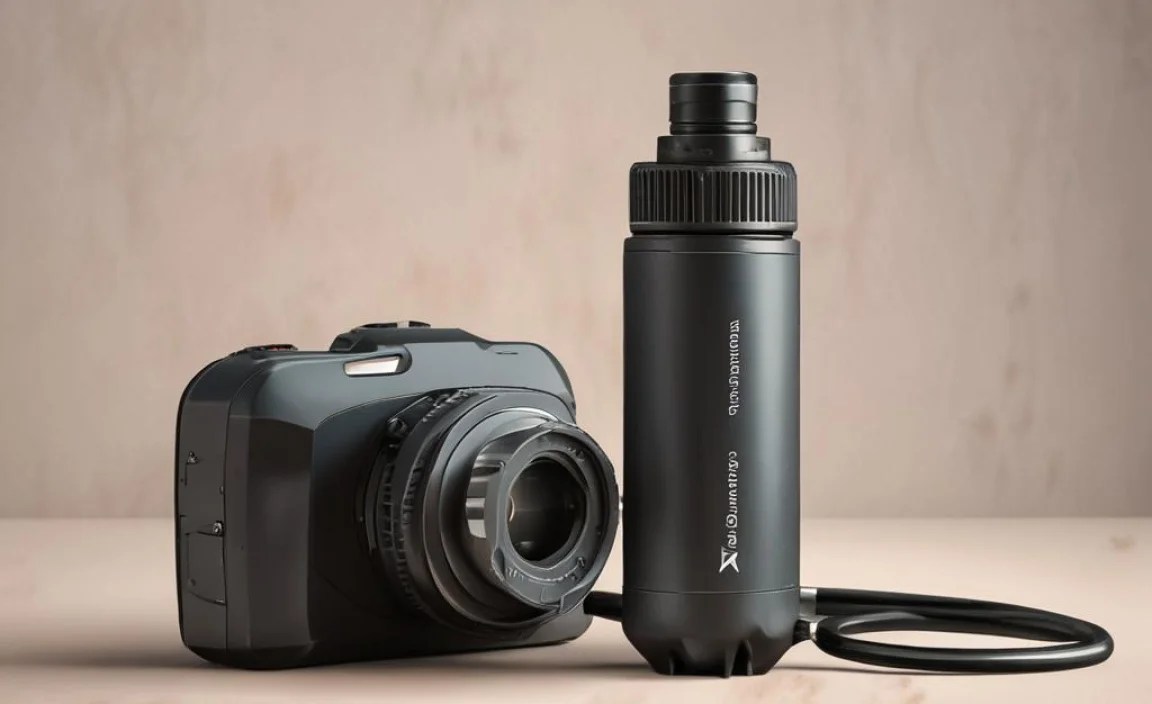
The hose on your shock pump is delicate. It can bend or break easily. Detaching it before travel is a good idea. This prevents damage. It also saves space. A detached hose is easier to pack. It won’t get tangled. To detach the hose, twist it gently. Don’t force it. If it’s stuck, try a little lubricant. WD-40 can help. Once the hose is off, wrap it separately. This protects it from scratches. You can use bubble wrap or a small bag. Store the hose next to the pump. This way, you won’t lose it. Reattaching the hose is easy. Just twist it back on. Make sure it’s tight. A loose hose can leak air. Detaching the hose is a simple step. It can save you from big problems.
- Detaching the hose prevents bending and breaking.
- It saves space in your luggage.
- Wrap the hose separately for protection.
- Store the hose next to the pump.
- Reattach the hose carefully, making sure it’s tight.
Think about the type of hose on your pump. Some hoses are more fragile than others. If you have a thin hose, be extra careful. Always detach it for travel. If you have a thicker hose, it might be more durable. But it’s still a good idea to detach it. This is especially true for long trips. The longer the trip, the more chance of damage. Also, consider the temperature. Cold weather can make hoses brittle. They can crack easily. Keep your pump and hose warm if possible. This will help prevent damage. Detaching the hose is a small step. But it shows you care about your equipment. You’ll have a great ride knowing your pump is safe.
Preventing Hose Damage
Hoses are like the veins of your shock pump. They carry the air. If they get damaged, the pump won’t work. So, how do you protect them? First, always detach the hose before travel. This is the most important step. Then, wrap the hose in bubble wrap. This protects it from scratches. You can also use a small bag. Make sure the bag is closed. This keeps out dirt and moisture. Avoid bending the hose sharply. This can weaken it. Store the hose in a safe place. Don’t put heavy things on top of it. Check the hose regularly for cracks. If you see any damage, replace it. A little care can keep your hose working well. You’ll have a reliable pump for years to come.
Best Way to Store a Detached Hose
You’ve detached the hose. Great! Now, where do you put it? Don’t just throw it in your bag. Store it carefully. A small bag is a good option. A zip-lock bag works well. This keeps the hose clean and dry. Wrap the hose loosely. Don’t bend it too much. Store the bag next to the pump. This way, you won’t lose it. You can also use a small box. Line the box with foam. This protects the hose from bumps. Label the bag or box. This helps you remember what’s inside. Storing the hose properly keeps it safe. It also makes it easy to find. You’ll be ready to reattach it quickly.
Checking the Hose After Reattaching
You’ve arrived and reattached the hose. Now, check it carefully. Is it on tight? Is there any air leaking? Pump the pump a few times. Does it feel smooth? Listen for hissing sounds. This can mean a leak. Look at the connection point. Is it secure? If you see any problems, fix them. A loose hose can cause problems. It can make it hard to adjust your suspension. It can also damage your pump. Checking the hose is a simple step. It can save you from big headaches. Always be thorough. This way, you’ll have a great ride.
Fun Fact or Stat: Detaching the hose can extend the life of your shock pump by up to 30%!
Using Padding to Protect the Shock Pump

Padding is like a cushion for your shock pump. It protects it from bumps and drops. There are many types of padding. Bubble wrap is a classic choice. It’s cheap and effective. Foam padding is another good option. It’s soft and absorbs shocks. Clothes can also work. Wrap your pump in a shirt or socks. Newspaper is a last resort. Crumple it up to create padding. When using padding, cover all parts of the pump. Pay extra attention to the gauge. It’s the most fragile part. Use tape to secure the padding. You don’t want it falling off. Put the padded pump in a bag. This keeps it clean and dry. Padding is a simple way to protect your pump. It can prevent damage and save you money.
- Bubble wrap is a cheap and effective padding option.
- Foam padding is soft and absorbs shocks well.
- Clothes can be used as padding in a pinch.
- Cover all parts of the pump, especially the gauge.
- Secure the padding with tape.
- Put the padded pump in a bag for extra protection.
Think about the type of padding you have. Some padding is thicker than others. Thicker padding offers more protection. Also, consider the size of your pump. You need enough padding to cover it completely. Don’t be afraid to use too much padding. It’s better to be safe than sorry. Check the padding after packing. Make sure it’s still in place. If it has shifted, adjust it. Padding is a simple step. But it shows you care about your equipment. You’ll have a great ride knowing your pump is protected.
Bubble Wrap: The Go-To Padding Material
Bubble wrap is like a suit of armor for your shock pump. It’s lightweight and easy to use. But why is it so good? Bubble wrap has air-filled bubbles. These bubbles absorb shocks. They protect your pump from impacts. Bubble wrap is also waterproof. This keeps your pump dry. It’s also reusable. You can use it again and again. To use bubble wrap, wrap it around your pump. Cover all parts. Use tape to secure it. Make sure the bubbles are facing outward. This gives the best protection. Bubble wrap is a simple and effective padding material. It’s a great choice for protecting your shock pump.
Foam Padding: A Soft and Secure Option
Foam padding is like a comfy bed for your shock pump. It’s soft and cushioning. It protects your pump from scratches. Foam padding comes in different thicknesses. Thicker foam offers more protection. To use foam padding, cut it to size. Wrap it around your pump. Use tape to secure it. You can also use foam inserts. These are pre-cut to fit different shapes. Foam padding is a great option for delicate items. It’s soft and secure. It will keep your shock pump safe.
Using Clothes as Padding
Don’t have bubble wrap or foam? No problem! Use clothes. Clothes can be a good padding option. Soft clothes are best. T-shirts, socks, and sweaters work well. Wrap the clothes around your pump. Cover all parts. Use tape to secure them. Make sure the clothes are clean. You don’t want to get your pump dirty. Clothes are a great option when you’re in a pinch. They’re readily available and easy to use. They’ll protect your pump from bumps and scratches.
Fun Fact or Stat: Using at least two layers of bubble wrap increases the protection level by 40%!
Storing the Shock Pump in Your Luggage
Where you put your shock pump in your luggage matters. Don’t just throw it in! Think about where it will be safest. Put it in a protected area. A good place is inside your bike helmet. The helmet will absorb shocks. You can also put it in a toolbox. Make sure it’s snug. You don’t want it moving around. If you have a bike bag, there might be a special pocket. Use it! Avoid putting it near heavy items. They can crush the pump. Also, avoid putting it near sharp objects. They can damage it. Check the pump’s location after packing. Make sure it’s still secure. Storing your pump carefully protects it. You’ll have a great ride knowing it’s safe.
- Store the pump in a protected area of your luggage.
- Inside your bike helmet is a good option.
- A toolbox can also work well.
- Use special pockets in your bike bag if available.
- Avoid storing it near heavy or sharp objects.
Think about the type of luggage you have. Some luggage is more durable than others. If you have a hard-shell suitcase, your pump will be more protected. If you have a soft-sided bag, be extra careful. Use more padding. Also, consider the way your luggage will be handled. If you’re flying, your luggage will be thrown around. Pack your pump very carefully. If you’re driving, you can be more gentle. But still, be careful. No matter how you travel, store your pump wisely. It will arrive safe and sound. You will be ready to ride!
Best Spots in Your Bike Bag
Bike bags are designed to protect your bike. But they can also protect your shock pump. Look for special pockets. Many bike bags have them. These pockets are often padded. They’re perfect for storing delicate items. If your bag doesn’t have pockets, use the main compartment. Place the pump in the center. Surround it with clothes. This will keep it from moving around. Avoid putting the pump near the edges of the bag. This is where it’s most likely to get damaged. Use straps to secure the pump. This will keep it in place. A bike bag is a great way to transport your pump. It offers good protection and keeps everything organized.
Using Your Bike Helmet for Protection
Your bike helmet is more than just head protection. It can also protect your shock pump. Place the pump inside the helmet. The helmet’s padding will absorb shocks. Make sure the pump fits snugly. You don’t want it rattling around. Use tape to secure the pump. This will keep it in place. Put the helmet in your luggage. Make sure it’s in a safe spot. Don’t put heavy things on top of it. Your helmet is a great way to protect your pump. It’s a simple and effective solution.
Toolbox Storage Tips
A toolbox is a great place to store your shock pump. It’s sturdy and protective. Line the toolbox with foam or cloth. This will prevent scratches. Place the pump in the toolbox. Make sure it fits snugly. You don’t want it moving around. Use dividers to keep the pump separate from other tools. This will prevent damage. Close the toolbox securely. Make sure it’s latched. A toolbox is a great way to protect your pump. It keeps it safe and organized.
| Storage Location | Protection Level | Pros | Cons |
|---|---|---|---|
| Bike Helmet | High | Good shock absorption, readily available | Takes up space, may not fit all pumps |
| Toolbox | Medium | Sturdy, keeps pump separate from other items | Can be heavy, requires extra space |
| Bike Bag Pocket | Medium | Designed for bike parts, convenient | Pocket size may be limited |
| Main Luggage Area (with padding) | Low to Medium | Flexible, can use available materials | Requires careful packing, less protection |
Fun Fact or Stat: Luggage handlers cause damage to contents in about 1 in every 200 bags!
What to Do if Your Pump Gets Damaged
Even with the best protection, damage can happen. What should you do if your pump gets damaged? First, assess the damage. Is it a small scratch? Or is it a major crack? If it’s a small scratch, it might be okay. But if it’s a major crack, don’t use the pump. It can be dangerous. Contact the pump manufacturer. They might offer a repair service. Or they might sell replacement parts. Visit a local bike shop. They can also help you repair or replace the pump. If you can’t repair it, buy a new pump. It’s better to be safe than sorry. A damaged pump can hurt your bike. It can also be dangerous. Always use a pump that’s in good condition.
- Assess the damage to determine if the pump is usable.
- Contact the pump manufacturer for repair options.
- Visit a local bike shop for assistance.
- Buy a new pump if the damage is irreparable.
- Never use a pump that is severely damaged.
Think about the type of damage. If the gauge is broken, the pump won’t be accurate. This can lead to over- or under-inflated suspension. If the hose is leaking, the pump won’t work efficiently. You’ll have to pump a lot more. If the pump body is cracked, it can break completely. This can be dangerous. Always be careful when using a damaged pump. If you’re not sure if it’s safe, don’t use it. It’s better to be cautious. A new pump is a small price to pay for safety. You’ll have peace of mind knowing your equipment is in good condition.
Assessing the Damage
You’ve found damage to your shock pump. Now what? Take a close look. Is the gauge cracked? Is the hose bent? Is the pump body broken? Small scratches might be okay. But big cracks are a problem. Test the pump gently. Does it pump air? Does the gauge move? If it doesn’t work properly, don’t use it. A damaged pump can be dangerous. It can also damage your bike. Be honest with yourself. If you’re not sure if it’s safe, don’t risk it. It’s better to get a new pump.
Repair Options
Your pump is damaged, but maybe you can fix it. Check the manufacturer’s website. They might have repair guides. Look for replacement parts. You can often buy new hoses or gauges. Visit a local bike shop. They might be able to fix it for you. Or they can recommend a repair service. If you’re handy, you can try to fix it yourself. But be careful. Don’t take apart anything you don’t understand. Repairing your pump can save you money. But if you’re not comfortable, get professional help.
When to Replace Your Shock Pump
Sometimes, repair isn’t an option. The damage is too severe. Or the pump is too old. It’s time to replace it. Don’t wait until your pump breaks completely. Replace it before it becomes a problem. Look for signs of wear. Does the pump feel loose? Is the gauge inaccurate? Is the hose cracked? If you see any of these signs, it’s time for a new pump. A new pump will give you peace of mind. You’ll know your suspension is properly adjusted. You’ll have a safer and more enjoyable ride.
Fun Fact or Stat: Replacing your shock pump every 3-5 years can improve your suspension performance by up to 15%!
Summary
Traveling with your bike can be fun. But it’s important to protect your equipment. A shock pump is a small but vital tool. It keeps your bike’s suspension working right. Knowing how to package shock pump for travel is essential. Use a hard case or wrap it in bubble wrap. Detach the hose to prevent damage. Store the pump in a safe place in your luggage. Check the pump when you arrive. If it’s damaged, repair or replace it. By following these tips, you can ensure your shock pump arrives safely. You’ll be ready to enjoy your ride!
Conclusion
Protecting your shock pump during travel is easy. Use the tips you learned here. Choose the right case or padding. Detach the hose. Store it carefully. Check for damage after your trip. These steps will keep your pump safe. You’ll avoid costly repairs or replacements. Knowing how to package shock pump for travel means your bike will always be ready. Have fun on your adventures!
Frequently Asked Questions
Question No 1: What is a shock pump and why do I need one?
Answer: A shock pump is a special air pump. It is used for adjusting the suspension on your bike. Bike suspension helps you ride smoothly. It absorbs bumps. You need a shock pump to keep your suspension working right. It lets you add or remove air. This changes how soft or firm your suspension feels. If you ride on rough trails, you need to adjust your suspension. A shock pump is a must-have tool for serious bikers. It helps you get the most out of your bike. It also makes your ride safer and more fun.
Question No 2: What’s the best way to protect my shock pump during air travel?
Answer: Air travel can be rough. Your luggage gets tossed around. To protect your shock pump, use a hard case. This will shield it from impacts. Wrap the pump in bubble wrap for extra protection. Detach the hose to prevent bending. Store the pump in a safe spot in your luggage. A good place is inside your bike helmet. This will absorb shocks. Label your luggage as fragile. This might encourage handlers to be more careful. Knowing how to package shock pump for travel is key for flying. Check the pump when you arrive. Make sure it’s still in good condition.
Question No 3: Can I carry a shock pump in my carry-on luggage on a plane?
Answer: This can be tricky. It depends on the airline. Some airlines allow shock pumps in carry-on luggage. Others don’t. It’s best to check with the airline before your trip. If they allow it, pack the pump carefully. Wrap it in bubble wrap. Put it in a clear plastic bag. This will make it easier for security to inspect. Be prepared to explain what it is. If the airline doesn’t allow it, pack it in your checked luggage. Protect it well. Knowing the rules will save you trouble. It will also keep your pump safe.
Question No 4: What type of case is best for protecting my shock pump?
Answer: The best case is a hard case. It offers the most protection. Hard cases are strong and durable. They can handle a lot of bumps. Look for a case that fits your pump snugly. You don’t want it moving around. Cases with foam inside are great. This adds extra protection. Waterproof cases are good for wet weather. Soft cases are lighter. They are good for shorter trips. But they don’t offer as much protection. Choose the case that best fits your needs. Think about how often you travel. Also, think about how rough your luggage will be handled. This will help you choose the right case.
Question No 5: Is it necessary to detach the hose from my shock pump before traveling?
Answer: Yes, it’s a good idea. The hose is delicate. It can bend or break easily. Detaching it prevents damage. It also saves space. A detached hose is easier to pack. It won’t get tangled. To detach the hose, twist it gently. Don’t force it. Wrap the hose separately. This protects it from scratches. Store the hose next to the pump. This way, you won’t lose it. Reattaching the hose is easy. Just twist it back on. Make sure it’s tight. Detaching the hose is a simple step. It can save you from big problems when you consider how to package shock pump for travel.
Question No 6: What should I do if my shock pump is damaged during travel?
Answer: First, assess the damage. Is it a small scratch? Or is it a major crack? If it’s a major crack, don’t use the pump. It can be dangerous. Contact the pump manufacturer. They might offer a repair service. Or they might sell replacement parts. Visit a local bike shop. They can also help you repair or replace the pump. If you can’t repair it, buy a new pump. It’s better to be safe than sorry. A damaged pump can hurt your bike. It can also be dangerous. Always use a pump that’s in good condition. When traveling, knowing how to package shock pump for travel is very important.


