
How Long to Run Pool Pump After Shocking? Secret Revealed!

Quick Summary: After shocking your pool, run the pump for at least 8 hours, and ideally 24 hours, to properly circulate the chemicals and ensure they effectively sanitize the water. This thorough circulation helps eliminate algae and bacteria, leaving your pool clean and safe for swimming.
Shocking your pool is a crucial part of keeping it clean and healthy. But many pool owners wonder how long they need to keep the pump running after adding shock. It’s a common question, and getting it right is key to effective sanitation. Running the pump for the correct amount of time ensures the shock is properly distributed throughout the pool, killing off any unwanted bacteria and algae. We’ll walk you through exactly how long to run your pump, step by step, so you can get back to enjoying your crystal-clear pool in no time!
Why Running Your Pool Pump After Shocking Matters

Running your pool pump after shocking isn’t just a suggestion; it’s essential for a clean and safe swimming environment. Here’s why:
- Proper Circulation: The pump circulates the shocked water, ensuring it reaches every corner of your pool. Without proper circulation, the shock will only treat a localized area, leaving other parts vulnerable to bacteria and algae.
- Effective Sanitization: Circulation helps the shock do its job of killing bacteria, algae, and other contaminants. This ensures your pool water is thoroughly sanitized.
- Preventing Algae Blooms: Algae can quickly take over if the shock isn’t properly distributed. Running the pump prevents algae from blooming and turning your pool green.
- Even Chemical Distribution: The pump helps to evenly distribute the chemicals throughout the pool, preventing concentrated areas that can be harmful to swimmers or damage pool surfaces.
How Long to Run Pool Pump After Shocking: A Step-by-Step Guide

Here’s a detailed guide on how long to run your pool pump after shocking, ensuring effective sanitation and a clean swimming environment.
Step 1: Determine the Type of Shock Used
The type of shock you use can influence how long you need to run your pump. Common types include:
- Calcium Hypochlorite (Cal Hypo): A powerful and fast-acting shock that raises calcium levels.
- Dichloroisocyanurate (Dichlor): A stabilized chlorine shock that dissolves quickly and doesn’t significantly affect calcium levels.
- Potassium Monopersulfate (Non-Chlorine Shock): An oxidizer that doesn’t kill bacteria but helps break down organic contaminants.
- Liquid Chlorine (Sodium Hypochlorite): A common and cost-effective option that’s easy to use.
Step 2: Initial Pump Run Time: 8 Hours Minimum
After shocking your pool, run the pump for at least 8 hours. This initial run time allows the shock to circulate and start sanitizing the water. Even if you’re using a fast-acting shock, this minimum period ensures thorough distribution.
Step 3: Ideal Pump Run Time: 24 Hours
For optimal results, aim to run your pool pump for a full 24 hours after shocking. This extended run time guarantees the shock reaches every part of the pool, effectively eliminating bacteria and algae. It also helps prevent any localized build-up of chemicals.
Step 4: Check Water Chemistry
After running the pump for the recommended time, test your pool water to ensure the chlorine levels are safe for swimming. Use a reliable testing kit or take a sample to your local pool supply store. Ideal chlorine levels should be between 1-3 ppm (parts per million).
Step 5: Adjust as Needed
If chlorine levels are too high, wait until they drop to a safe level before swimming. You can speed up this process by removing the pool cover and allowing the chlorine to dissipate naturally. If levels are too low, you may need to add more shock or chlorine.
Step 6: Monitor Water Clarity
Keep an eye on your pool water clarity. If the water is still cloudy or green, it may indicate that you need to shock the pool again or that your pump isn’t running long enough. Adjust your pump run time accordingly and consider additional treatments if necessary.
Factors Affecting Pump Run Time
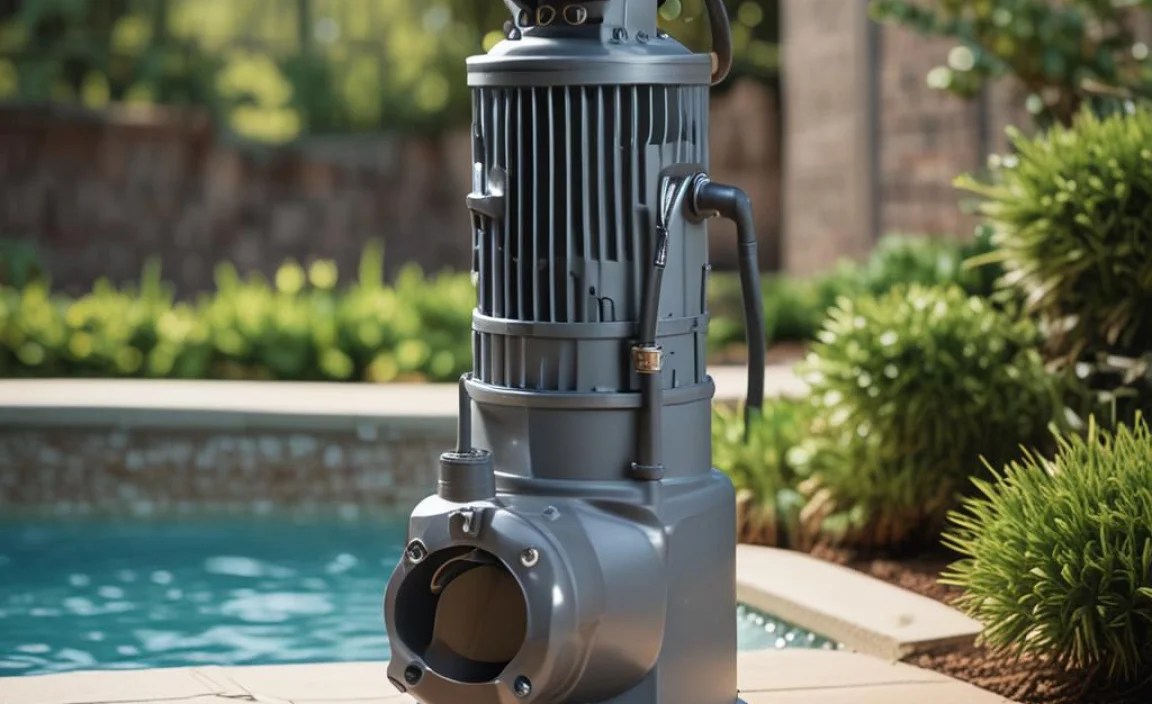
Several factors can influence how long you need to run your pool pump after shocking:
- Pool Size: Larger pools require longer run times to ensure proper circulation.
- Pump Strength: More powerful pumps can circulate water faster, potentially reducing the required run time.
- Water Condition: If your pool water is particularly dirty or has a high algae concentration, you may need to run the pump longer.
- Shock Type: Different types of shock have varying reaction times, which can affect the required circulation period.
- Weather Conditions: Hot weather and sunlight can accelerate algae growth, requiring longer pump run times after shocking.
Types of Pool Shock and Their Impact on Pump Run Time

Different types of pool shock have different compositions and reaction times, which can influence how long you need to run your pool pump. Here’s a breakdown:
| Type of Shock | Active Ingredient | Pump Run Time Recommendation | Notes |
|---|---|---|---|
| Calcium Hypochlorite (Cal Hypo) | Chlorine | 24 hours | Raises calcium levels; effective for killing bacteria and algae. |
| Dichloroisocyanurate (Dichlor) | Chlorine | 24 hours | Dissolves quickly; doesn’t significantly affect calcium levels. |
| Potassium Monopersulfate (Non-Chlorine Shock) | Oxidizer | 8 hours | Oxidizes organic contaminants; doesn’t kill bacteria. |
| Liquid Chlorine (Sodium Hypochlorite) | Chlorine | 24 hours | Cost-effective; easy to use; can raise pH levels. |
How to Optimize Your Pool Pump for Efficiency
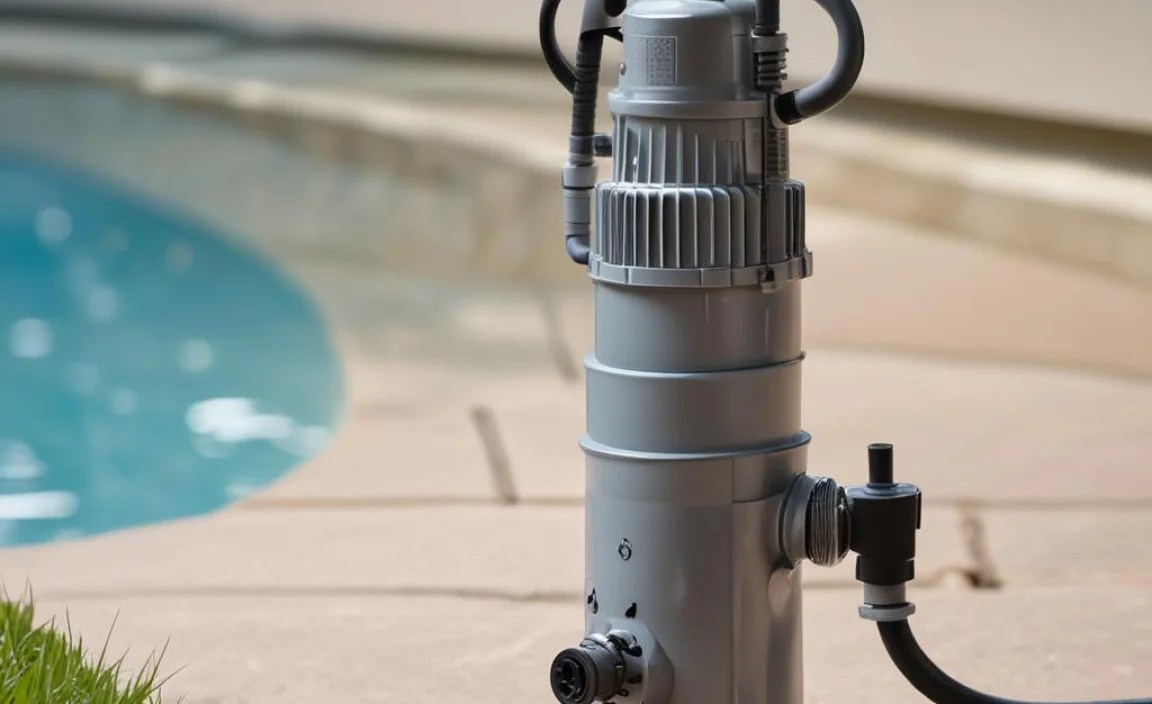
Running your pool pump efficiently can save energy and money. Here are some tips to optimize your pump:
- Use a Variable Speed Pump: Variable speed pumps allow you to adjust the pump’s speed based on your pool’s needs, saving energy.
- Set a Timer: Use a timer to automate your pump’s run time, ensuring it only runs when necessary.
- Clean the Filter Regularly: A clean filter reduces strain on the pump and improves circulation.
- Check for Leaks: Repair any leaks in your pool system to prevent water loss and reduce pump workload.
- Optimize Plumbing: Ensure your pool plumbing is efficient and free of obstructions.
Potential Problems and Solutions
Sometimes, despite your best efforts, you may encounter issues after shocking your pool. Here are some common problems and how to address them:
- Cloudy Water:
- Problem: Water remains cloudy after shocking.
- Solution: Run the pump longer, check and adjust the pH levels, and ensure the filter is clean. A clarifier can also help.
- Green Water:
- Problem: Water turns green, indicating algae growth.
- Solution: Shock the pool again with a higher dose and run the pump continuously until the water clears. Use an algaecide to help kill the algae.
- High Chlorine Levels:
- Problem: Chlorine levels remain too high for swimming.
- Solution: Remove the pool cover and let the chlorine dissipate naturally. You can also use a chlorine neutralizer.
- Low Chlorine Levels:
- Problem: Chlorine levels drop too quickly after shocking.
- Solution: Add more shock or chlorine, check for underlying issues like high pH or excessive organic matter, and ensure the pump is running efficiently.
Maintaining Your Pool Regularly
Regular maintenance is key to keeping your pool clean and healthy. Here are some tips:
- Test Water Regularly: Test your pool water at least twice a week to monitor pH, alkalinity, and chlorine levels.
- Clean the Pool: Skim the surface, vacuum the bottom, and brush the sides of the pool regularly to remove debris.
- Clean the Filter: Clean or backwash your filter as needed to maintain proper flow and filtration.
- Maintain Water Level: Keep the water level at the appropriate height to ensure proper skimmer function.
- Check Equipment: Regularly inspect your pump, filter, and other equipment for any signs of wear or damage.
Additional Tips for Shocking Your Pool
Here are some additional tips to help you effectively shock your pool:
- Shock at Dusk: Shocking your pool in the evening helps prevent chlorine loss due to sunlight.
- Pre-Dissolve Shock: If using granular shock, pre-dissolve it in a bucket of water before adding it to the pool to prevent damage to the pool surface.
- Follow Instructions: Always follow the manufacturer’s instructions for the specific shock you are using.
- Wear Protection: Wear gloves and eye protection when handling pool chemicals.
- Store Chemicals Safely: Store pool chemicals in a cool, dry place away from children and pets.
Choosing the Right Pool Pump
Selecting the right pool pump is crucial for efficient circulation and filtration. Consider these factors when choosing a pump:
- Pool Size: Choose a pump that is appropriately sized for your pool’s volume.
- Pump Type: Variable speed pumps are more energy-efficient than single-speed pumps.
- Flow Rate: Select a pump with the appropriate flow rate for your pool’s filtration system.
- Energy Efficiency: Look for pumps with high energy efficiency ratings to save on electricity costs.
- Durability: Choose a pump made from high-quality materials that can withstand the harsh pool environment.
Understanding Pool Chemistry
Understanding basic pool chemistry is essential for maintaining a healthy swimming environment. Here are some key parameters to monitor:
- pH: Measures the acidity or alkalinity of the water. Ideal range is 7.2-7.8.
- Alkalinity: Helps stabilize pH levels. Ideal range is 80-120 ppm.
- Calcium Hardness: Measures the amount of calcium in the water. Ideal range is 200-400 ppm.
- Cyanuric Acid (Stabilizer): Protects chlorine from sunlight. Ideal range is 30-50 ppm.
- Chlorine: Sanitizes the water by killing bacteria and algae. Ideal range is 1-3 ppm.
Cost Analysis: Running Your Pool Pump
Running your pool pump can be a significant expense. Here’s a breakdown of the costs and how to minimize them:
| Factor | Description | Impact on Cost |
|---|---|---|
| Pump Horsepower | Higher horsepower pumps consume more electricity. | Increased electricity costs. |
| Run Time | Longer run times result in higher energy consumption. | Higher electricity bills. |
| Electricity Rate | Higher electricity rates increase the cost of running the pump. | Variable electricity expenses. |
| Pump Efficiency | Less efficient pumps waste energy. | Higher energy consumption. |
| Maintenance | Poor maintenance can lead to increased energy consumption. | Potential for higher costs. |
To minimize costs, use a variable speed pump, set a timer, and keep your equipment well-maintained.
FAQ: Running Your Pool Pump After Shocking
Here are some frequently asked questions about running your pool pump after shocking:
How soon can I swim after shocking the pool?
Wait until the chlorine levels are between 1-3 ppm before swimming. This usually takes at least 24 hours after shocking and running the pump.
Can I run the pump for less than 8 hours after using non-chlorine shock?
While 8 hours is generally recommended, you can often run the pump for less time (around 4 hours) after using non-chlorine shock, as it primarily oxidizes contaminants rather than killing bacteria.
What happens if I don’t run the pump long enough after shocking?
If you don’t run the pump long enough, the shock won’t circulate properly, and you may not effectively kill all the bacteria and algae, leading to recurring water quality issues.
Is it okay to run the pump 24/7?
While running the pump 24/7 ensures continuous circulation and filtration, it’s not energy-efficient. A variable speed pump set to run for a specific number of hours each day is a better option.
How often should I shock my pool?
Shock your pool weekly or after heavy use, such as after a pool party or significant rainfall. Regular shocking helps maintain water quality and prevent algae growth.
Can I use the pool while shocking it?
No, never use the pool while shocking it. The high concentration of chemicals can be harmful to your skin and eyes. Always wait until the chlorine levels are within the safe range before swimming.
What if my pool is still cloudy after running the pump for 24 hours after shocking?
If your pool is still cloudy after 24 hours, check your filter and clean it thoroughly. You may also need to use a clarifier to help remove small particles that are causing the cloudiness.
Conclusion
Knowing how long to run your pool pump after shocking is essential for maintaining a clean, safe, and enjoyable swimming environment. By following the steps outlined in this guide, you can ensure that your pool water is properly sanitized and free of harmful bacteria and algae. Remember to consider factors like pool size, pump strength, and shock type, and always monitor your water chemistry to make necessary adjustments. With regular maintenance and efficient pump operation, you’ll be well-equipped to keep your pool sparkling and ready for a refreshing swim anytime!


