
How to Use Shock Pump for Posture & Weight Shift Tuning

Have you ever ridden a bike that felt a little off? Maybe it was hard to balance. Or, maybe it felt like you were going to tip over. Learning how to use a shock pump for posture and weight shift tuning can help. It can make your ride smoother and more fun. Let’s find out how!
Imagine your bike is a seesaw. If one side is too high or low, it’s hard to balance. The same is true for your bike. The shock pump helps you adjust things. This makes sure your weight is just right. This article will teach you how to do it.
The cool thing is that adjusting your bike isn’t as hard as it sounds. With a few simple steps, you can make a big difference. You will learn how to use a shock pump. You will also learn how it helps your posture and weight shift. Get ready to ride better than ever!
Key Takeaways
- Using a shock pump improves bike control by fine-tuning suspension.
- Proper posture on your bike enhances balance and reduces strain.
- Weight shift adjustments help navigate turns and obstacles easily.
- Knowing how to use a shock pump for posture and weight shift tuning is key.
- Regular adjustments ensure a comfortable and efficient riding experience.
Understanding Your Bike’s Suspension

Your bike’s suspension is like its shock absorbers. It helps soak up bumps and keep your tires on the ground. This gives you better control and a smoother ride. The suspension includes forks in the front and a shock in the back. These parts work together to handle different types of terrain. Understanding how they work is the first step. It helps in learning how to use a shock pump for posture and weight shift tuning. When the suspension is set up right, it can make a huge difference. You will have more confidence and control on the trails. It will also make long rides more comfortable. So, take some time to learn about your bike’s suspension. It’s worth it!
- Suspension absorbs bumps for a smoother ride.
- Forks are in the front, the shock is in the back.
- Proper setup improves control and comfort.
- Different terrains need different suspension settings.
- Understanding suspension boosts riding confidence.
Think of your bike’s suspension like the springs in a car. When you hit a bump, the springs compress. This absorbs the impact. The same thing happens with your bike’s suspension. The forks and shock compress when you ride over rough terrain. This keeps your wheels on the ground. It also keeps you from getting bounced around too much. Knowing how to adjust the suspension helps you customize the ride. You can make it softer for bumpy trails or firmer for smooth roads. This makes your bike work better for you. It will also make riding more enjoyable.
Why Suspension Matters
Have you ever ridden a bike with no suspension? It can be pretty rough! Every little bump feels like a big jolt. Suspension makes a big difference. It protects you from those jolts. It also helps you stay in control. This is especially important when you are riding off-road. Without suspension, your tires might lose contact with the ground. This can make it hard to steer. It can even cause you to lose control. A good suspension system keeps your tires planted. It lets you focus on enjoying the ride. Remember, a well-tuned suspension can make all the difference.
Types of Suspension Systems
Did you know there are different kinds of suspension? Some bikes have only front suspension. These are called hardtails. Other bikes have both front and rear suspension. These are called full-suspension bikes. Hardtails are lighter and simpler. They are good for smooth trails and climbing hills. Full-suspension bikes are more comfortable. They handle rough terrain better. The type of suspension you need depends on the kind of riding you do. If you mostly ride on paved roads, a hardtail might be fine. If you like to explore rough trails, a full-suspension bike is a better choice.
Adjusting for Different Terrains
Imagine you are going on a ride with both smooth and bumpy sections. Would you want the same suspension settings for both? Probably not! That’s why it’s important to adjust your suspension for different terrains. For smooth roads, you might want a firmer suspension. This will make your bike feel more efficient. For bumpy trails, you will want a softer suspension. This will help absorb the shocks and keep you comfortable. Learning how to make these adjustments is key. It will help you get the most out of your bike. It will also make your ride more enjoyable, no matter where you go.
Fun Fact or Stat: The first mountain bike suspension was invented in the 1970s. It used motorcycle parts!
The Importance of Posture on Your Bike

Your posture on the bike is super important. It affects how comfortable you are and how well you can control the bike. Good posture helps you balance. It also lets you use your muscles efficiently. When you have good posture, you can ride longer without getting tired. You can also react more quickly to changes in the terrain. Learning how to use a shock pump can help. It lets you adjust your bike to fit your posture. This makes riding more comfortable and enjoyable. So, pay attention to how you sit on your bike. It can make a big difference in your riding experience.
- Good posture improves balance and control.
- Proper posture reduces fatigue on long rides.
- Adjusting the bike helps achieve optimal posture.
- Posture affects reaction time on varied terrain.
- Comfortable posture enhances riding enjoyment.
Think of your body as the engine of your bike. Just like a car engine needs to be tuned, your body needs to be positioned correctly. This ensures you’re using your energy efficiently. When your posture is off, you might be using muscles that you don’t need to. This can lead to fatigue and discomfort. By adjusting your bike to fit your posture, you can ride more efficiently. Using a shock pump is one way to do this. It helps fine-tune the suspension. This makes it easier to maintain a comfortable and effective riding position. Pay attention to your body and adjust your bike accordingly.
Finding Your Ideal Riding Position
Have you ever noticed how different riders sit on their bikes? Some riders are hunched over. Others sit up straight. The ideal riding position is different for everyone. It depends on your body type and riding style. A good starting point is to make sure your back is relatively straight. Your shoulders should be relaxed. Your arms should be slightly bent. This position allows you to absorb shocks and maintain control. Experiment with different positions to find what works best for you. A little adjustment can make a big difference.
Common Posture Mistakes
Are you making any common posture mistakes on your bike? One common mistake is hunching over too much. This can put strain on your back and neck. Another mistake is locking your elbows. This can make it harder to absorb shocks. It can also lead to fatigue. Make sure you are sitting up straight with relaxed shoulders. Keep your elbows slightly bent. This will help you stay comfortable and in control. Pay attention to your body and correct any bad habits. Your body will thank you for it!
The Role of Core Strength
Why do some riders look so effortless on their bikes? Often, it’s because they have strong core muscles. Your core muscles are the muscles in your abdomen and back. They help you stabilize your body and maintain good posture. When your core is strong, you can ride longer without getting tired. You can also react more quickly to changes in the terrain. Exercises like planks and crunches can help strengthen your core. A strong core will improve your posture on the bike. It will also make you a better rider overall.
Fun Fact or Stat: Professional cyclists often spend hours working on their posture and core strength.
Weight Shift Techniques for Better Control
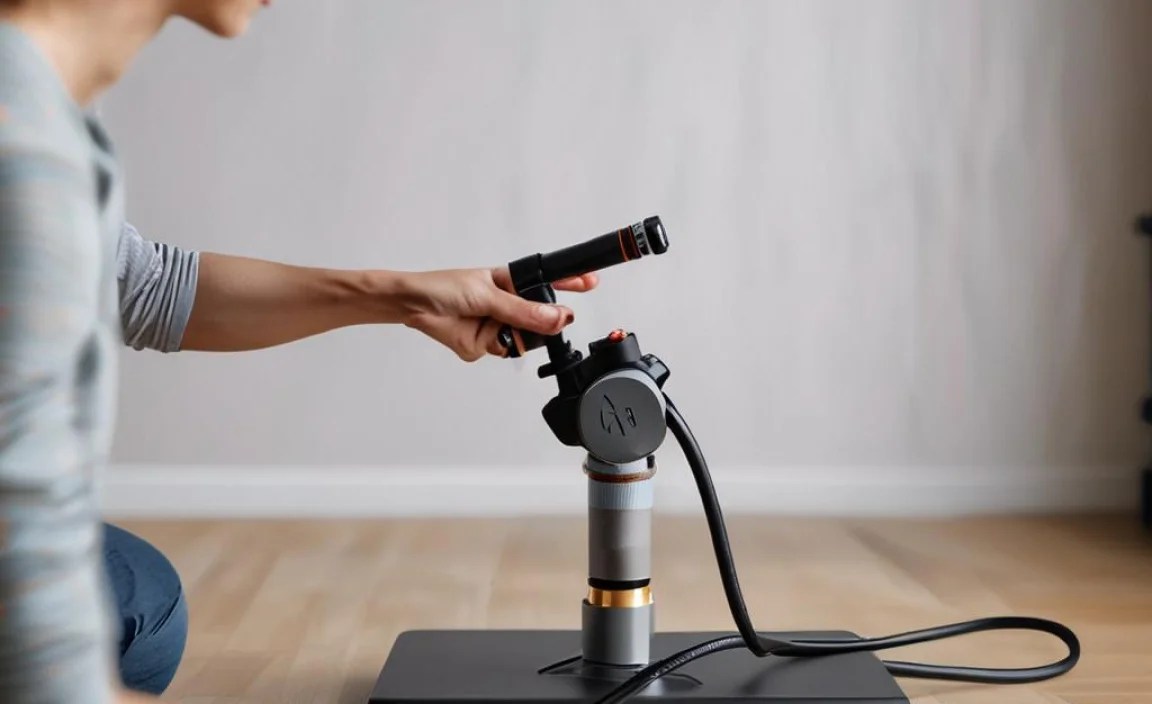
Weight shift is how you move your body weight on the bike. It helps you steer, balance, and control your bike. When you lean into a turn, you are shifting your weight. This helps the bike turn more easily. When you are going over a bump, you can shift your weight back. This helps absorb the shock. Learning weight shift techniques can make you a better rider. It will also help you navigate different types of terrain. The shock pump can help too. It lets you adjust your bike. This makes it easier to shift your weight effectively. Practice weight shifting to improve your riding skills.
- Weight shift aids steering and balancing the bike.
- Leaning into turns is a form of weight shift.
- Shifting weight back absorbs shocks on bumps.
- Practice improves weight shift effectiveness.
- Proper adjustments assist in weight shifting.
Think of weight shift like steering a sled. To turn the sled, you lean to one side. The same principle applies to your bike. By shifting your weight, you can influence the direction of the bike. It is especially important when you are riding off-road. For example, if you are going over a log, you can shift your weight back. This will lift the front wheel over the log. It will also prevent you from crashing. Learning to shift your weight correctly takes practice. But it’s a skill that will greatly improve your riding ability. It will also make your ride safer and more enjoyable.
Basic Weight Shift Drills
Want to improve your weight shift skills? Try some basic drills. One simple drill is to ride in a straight line. Then, practice shifting your weight from side to side. Notice how the bike responds to your movements. Another drill is to ride around cones. Practice leaning into the turns. Feel how your weight shift helps you steer. You can also practice shifting your weight while going over small bumps. Start with easy drills. Gradually increase the difficulty as you improve. These drills will help you become more comfortable and confident. You will also improve your weight shift skills.
Weight Shift for Climbing
Climbing a steep hill can be tough. Shifting your weight properly can make it easier. When climbing, you want to keep your weight centered over the bike. This will help you maintain traction. If your front wheel starts to lift, lean forward slightly. This will keep the front wheel on the ground. If your rear wheel starts to spin, shift your weight back slightly. This will give the rear wheel more traction. Adjusting your weight is crucial when climbing. It will help you conquer even the steepest hills.
Weight Shift for Descending
Descending a steep hill can be scary. But with the right technique, it can be fun. When descending, you want to keep your weight back and low. This will help you maintain control. Keep your arms and legs slightly bent. This will help you absorb bumps. Look ahead and choose your line carefully. Avoid braking too hard. This can cause you to lose control. By keeping your weight back and low, you can descend safely and confidently. Remember to practice on easier hills first. Gradually work your way up to steeper ones.
Fun Fact or Stat: Expert mountain bikers use weight shift to navigate obstacles without even using their handlebars!
Introduction to the Shock Pump

A shock pump is a special kind of pump. It’s designed to inflate the air chambers in your bike’s suspension. These air chambers act like springs. They support your weight and absorb bumps. Unlike regular pumps, a shock pump has a gauge. This lets you see exactly how much air is in the suspension. This is important for setting the suspension correctly. Learning how to use a shock pump is essential. It ensures your bike’s suspension works as it should. It also helps you fine-tune your ride. You can adjust it for different terrains and riding styles. So, let’s dive in and learn how to use it!
- A shock pump inflates bike suspension air chambers.
- It has a gauge for precise pressure readings.
- Proper inflation ensures optimal suspension performance.
- Adjustments can be made for different terrains.
- The pump fine-tunes the ride for comfort.
Think of a shock pump as a tool for customizing your ride. Just like you can adjust the seat and handlebars, you can adjust the suspension. The shock pump lets you add or remove air from the suspension. This changes how stiff or soft it feels. Using a shock pump is like fine-tuning a musical instrument. You are making small adjustments. This helps you achieve the perfect sound. In this case, the perfect ride. The right suspension settings can make your bike feel like it’s floating over bumps. It can also give you more control and confidence on the trails. So, don’t be afraid to experiment with different settings.
Parts of a Shock Pump
What does a shock pump look like? It has a few key parts. There’s the pump handle. You use this to push air into the suspension. There’s the hose. This connects the pump to the suspension valve. There’s the gauge. This shows you the air pressure. Some pumps also have a bleed valve. This lets you release small amounts of air. This is useful for making fine adjustments. Familiarize yourself with these parts. It will make it easier to use the pump correctly. Understanding each part is important for safe and effective use.
Why Use a Shock Pump Instead of a Regular Pump?
Why can’t you just use a regular bike pump for your suspension? Regular pumps don’t have the precision you need. They also don’t have the right type of connector. Shock pumps are designed to deliver small amounts of air at high pressure. This is necessary for inflating suspension systems. Regular pumps can deliver large amounts of air at low pressure. This is fine for tires. But it’s not suitable for suspension. Using the correct tool is important. It will ensure you don’t damage your suspension. It will also ensure you get the correct air pressure.
Safety First: Precautions
Before you start using a shock pump, there are a few safety precautions to keep in mind. Always check the maximum pressure rating for your suspension. Do not exceed this pressure. This could damage the suspension. Wear safety glasses to protect your eyes. Be careful when disconnecting the pump. Some air may escape quickly. This can make a loud noise. Always follow the manufacturer’s instructions. Safety is the top priority. Taking these precautions will help you avoid accidents. It will also help you keep your bike in good condition.
Fun Fact or Stat: Shock pumps can generate pressures up to 300 PSI (pounds per square inch)!
Step-by-Step Guide: Using the Shock Pump

Now, let’s get to the good part: using the shock pump! First, find the air valve on your bike’s suspension. It’s usually covered with a small cap. Remove the cap. Then, attach the shock pump hose to the valve. Make sure it’s securely connected. Next, look at the pressure gauge on the pump. It will show you the current air pressure. Now, start pumping. Watch the gauge as you pump. Stop when you reach the desired pressure. Finally, carefully disconnect the pump. Replace the valve cap. You’re all done! Following these steps will help you adjust your suspension correctly. It will also give you a better riding experience.
- Locate the air valve on the bike’s suspension.
- Attach the shock pump hose securely.
- Monitor the pressure gauge while pumping.
- Stop pumping at the desired pressure level.
- Disconnect the pump and replace the valve cap.
Think of each step as a part of a recipe. If you follow the recipe correctly, you will get a delicious result. The same is true for using a shock pump. If you follow the steps carefully, you will get a well-tuned suspension. This will make your ride smoother and more enjoyable. Remember to check your bike’s manual for the recommended air pressure. This will help you avoid over- or under-inflating the suspension. Taking your time and paying attention to detail will ensure success. It will also help you keep your bike in good condition.
Finding the Right Air Pressure
How do you know what the right air pressure is for your suspension? It depends on your weight, riding style, and the type of terrain. A good starting point is to check your bike’s manual. It will usually have a chart that recommends air pressure based on your weight. You can also experiment with different pressures. Start with the recommended pressure. Then, add or remove air in small increments. Pay attention to how the bike feels as you ride. Softer suspension is better for bumpy terrain. Firmer suspension is better for smooth roads. Finding the right balance is key to a comfortable and controlled ride.
Checking Sag
What is sag, and why is it important? Sag is the amount the suspension compresses when you sit on the bike. It’s important because it determines how much travel the suspension has available. To check sag, first set the air pressure in your suspension. Then, sit on the bike in your normal riding position. Have a friend measure how much the suspension compresses. The ideal sag is usually around 20-30% of the total travel. If the sag is too little, add air to the suspension. If the sag is too much, remove air from the suspension. Adjusting the sag ensures the suspension is working correctly.
Fine-Tuning Your Suspension
Once you have set the air pressure and sag, you can fine-tune your suspension. This involves making small adjustments to the air pressure. You should then test the bike on different types of terrain. Pay attention to how the suspension feels. Does it feel too harsh? Does it feel too soft? If it feels too harsh, remove a little air. If it feels too soft, add a little air. Make small adjustments and test the bike again. Keep making adjustments until you are happy with the way the suspension feels. Patience and experimentation are key to fine-tuning your suspension.
| Step | Action | Description |
|---|---|---|
| 1 | Locate Air Valve | Find the valve on your fork or shock. |
| 2 | Attach Pump | Screw the pump onto the valve securely. |
| 3 | Inflate | Pump until you reach the desired PSI. |
| 4 | Check Sag | Sit on the bike and measure suspension compression. |
| 5 | Adjust | Fine-tune pressure based on sag and feel. |
Fun Fact or Stat: Professional bike mechanics can adjust a suspension system in under 5 minutes!
Troubleshooting Common Issues
Sometimes, things don’t go as planned. You might have trouble with your shock pump. Or, you might not be able to get the suspension set up correctly. Don’t worry, it happens to everyone. One common issue is air leaking from the valve. Make sure the pump hose is securely attached. Another issue is the gauge not reading correctly. Try a different pump. Sometimes, the suspension just doesn’t feel right. Experiment with different air pressures. Troubleshooting takes time and patience. Don’t give up. With a little effort, you will be able to solve most problems.
- Air leaking from the valve is a common issue.
- A faulty gauge can give incorrect readings.
- Suspension may not feel right despite adjustments.
- Experiment with different air pressures.
- Check the pump hose for secure attachment.
Think of troubleshooting as detective work. You are trying to find the cause of the problem. Then, you can fix it. Start by checking the simple things first. Is the pump hose securely attached? Is the valve clean? Is the gauge working correctly? If you can’t find the problem, try asking a friend for help. Or, take your bike to a local bike shop. Professionals have experience and can help diagnose and fix any issues. Remember, even experienced riders run into problems sometimes.
Pump Not Reading Pressure
What do you do if your shock pump isn’t reading pressure? First, make sure the pump is properly attached to the valve. Sometimes, the connection isn’t tight enough. This can prevent the pump from reading the pressure. Next, check the pump gauge. Is it working correctly? If not, the gauge may be faulty. Try using a different pump to see if it reads the pressure. If the pump still isn’t reading pressure, there may be a problem with the suspension valve. The valve may be clogged or damaged. Checking these components will help you diagnose the issue.
Air Leaking When Disconnecting
Is air leaking when you disconnect the pump? This is a common problem. It’s usually caused by the valve core not sealing properly. Try tightening the valve core with a valve core tool. You can buy these tools at most bike shops. Be careful not to overtighten the valve core. This can damage it. If tightening the valve core doesn’t solve the problem, the valve core may need to be replaced. You can also try using a different pump. Some pumps are designed to minimize air loss when disconnecting. Addressing the leak is important to maintain proper suspension pressure.
Suspension Feels Too Stiff or Soft
What if your suspension feels too stiff or too soft, even after making adjustments? If the suspension feels too stiff, try removing a little air. If the suspension feels too soft, try adding a little air. Make small adjustments and test the bike again. Also, check the sag. The sag should be around 20-30% of the total travel. If the sag is not correct, adjust the air pressure. Make sure the suspension is clean and lubricated. Dirt and grime can make the suspension feel stiff. Adjusting gradually and regularly maintaining the suspension will optimize performance.
Fun Fact or Stat: Some high-end shock pumps have digital gauges for even more precise pressure readings!
Summary
Learning how to use a shock pump for posture and weight shift tuning is an important skill. It can help you improve your riding experience. Start by understanding your bike’s suspension. Learn about the different parts and how they work. Then, focus on your posture. Good posture improves balance and control. Practice weight shift techniques. This will help you steer and navigate obstacles. Use a shock pump to adjust the air pressure in your suspension. Find the right pressure for your weight and riding style. Check the sag to ensure the suspension is working correctly.
Remember to troubleshoot any common issues that arise. Air leaks and incorrect pressure readings can be fixed with simple adjustments. With practice and patience, you’ll master the art of suspension tuning. You will also enjoy a more comfortable and controlled ride. Always prioritize safety. Follow the manufacturer’s instructions. Wear safety glasses. Take your time. Enjoy the process of dialing in your bike’s suspension. Happy riding!
Conclusion
You now know how to use a shock pump for posture and weight shift tuning. Adjusting your bike’s suspension can greatly improve your riding experience. It can also enhance your comfort and control. Remember to start with the basics. Understand your bike’s suspension. Practice good posture and weight shift techniques. With a little practice, you will be able to fine-tune your bike. This will make it perform its best. So, grab your shock pump and hit the trails!
Frequently Asked Questions
Question No 1: What is a shock pump and why do I need one?
Answer: A shock pump is a special pump designed to inflate the air chambers in your bike’s suspension system. Unlike regular pumps, it has a precise gauge. This lets you accurately measure and adjust the air pressure. You need a shock pump to properly set up your suspension. It helps you fine-tune it for your weight, riding style, and the terrain you’re riding on. Knowing how to use a shock pump is crucial. It ensures your suspension works effectively. It also maximizes your comfort and control while riding.
Question No 2: How often should I check and adjust my bike’s suspension?
Answer: You should check your bike’s suspension before each ride. This helps to ensure it is properly inflated. Adjustments should be made whenever you notice a change in performance. For example, if your bike feels too harsh on bumpy terrain, lower the pressure. If it feels too soft, increase the pressure. Also, check the suspension after a significant change in temperature or elevation. These can affect the air pressure. Regular checks and adjustments are key. They will help to maintain optimal performance. They will also extend the life of your suspension components.
Question No 3: Can I use a regular bike pump to inflate my bike’s suspension?
Answer: No, you should not use a regular bike pump to inflate your bike’s suspension. Regular pumps deliver large volumes of air at low pressure. This is fine for inflating tires. But it’s not suitable for suspension systems. Suspension systems require small volumes of air at high pressure. A regular pump cannot provide this. It also lacks the precise gauge needed for accurate adjustments. Using a regular pump could damage your suspension. It could also lead to inaccurate pressure settings. Always use a shock pump for your suspension.
Question No 4: How do I know what the correct air pressure should be for my suspension?
Answer: The correct air pressure for your suspension depends on several factors. These include your weight, riding style, and the type of suspension system. A good starting point is to consult your bike’s manual. It should provide a chart. It will recommend air pressures based on your weight. You can also use online suspension calculators. These calculators take into account various factors. They will give you a starting point. From there, you can fine-tune the pressure based on your personal preferences and the feel of the bike.
Question No 5: What is “sag” and how do I measure it?
Answer: Sag is the amount your suspension compresses when you are sitting on the bike. It’s an important measurement. It helps ensure the suspension is working correctly. To measure sag, first set the air pressure in your suspension. Then, sit on the bike in your normal riding position. Have a friend measure the distance the suspension compresses. Compare this distance to the total travel of the suspension. The ideal sag is typically around 20-30% of the total travel. Adjusting the air pressure will affect the amount of sag. This is a crucial step in setting up your suspension.
Question No 6: What if I’m having trouble getting the suspension set up correctly?
Answer: If you are having trouble getting the suspension set up correctly, don’t get discouraged. Suspension setup can be tricky. There are several resources available to help you. Start by reading your bike’s manual carefully. It may contain helpful tips and instructions. You can also watch online videos. There are tutorials that demonstrate the process. If you are still struggling, consider taking your bike to a local bike shop. A professional mechanic can help you diagnose any issues. They can also help you set up your suspension correctly. Knowing how to use a shock pump for posture and weight shift tuning can be learned. It requires practice and patience. Over time, you will master the process.


